Department of Neurology, The Second Affiliated Hospital of Harbin Medical University, Harbin, China.
Department of Neurology, The First Affiliated Hospital of Harbin Medical University, Harbin, China.
Front Immunol. 2022 Mar 9;13:857014. doi: 10.3389/fimmu.2022.857014. eCollection 2022.
This study aimed to explore the shared mechanism and candidate drugs of multiple sclerosis (MS) and Sjögren's syndrome (SS).
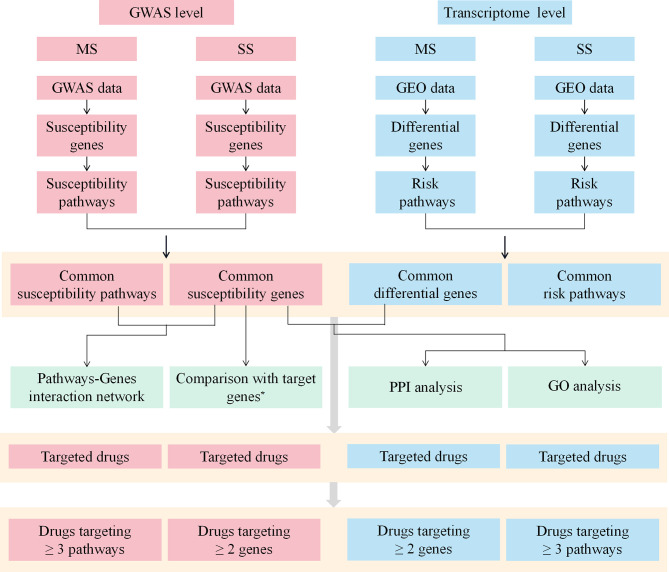
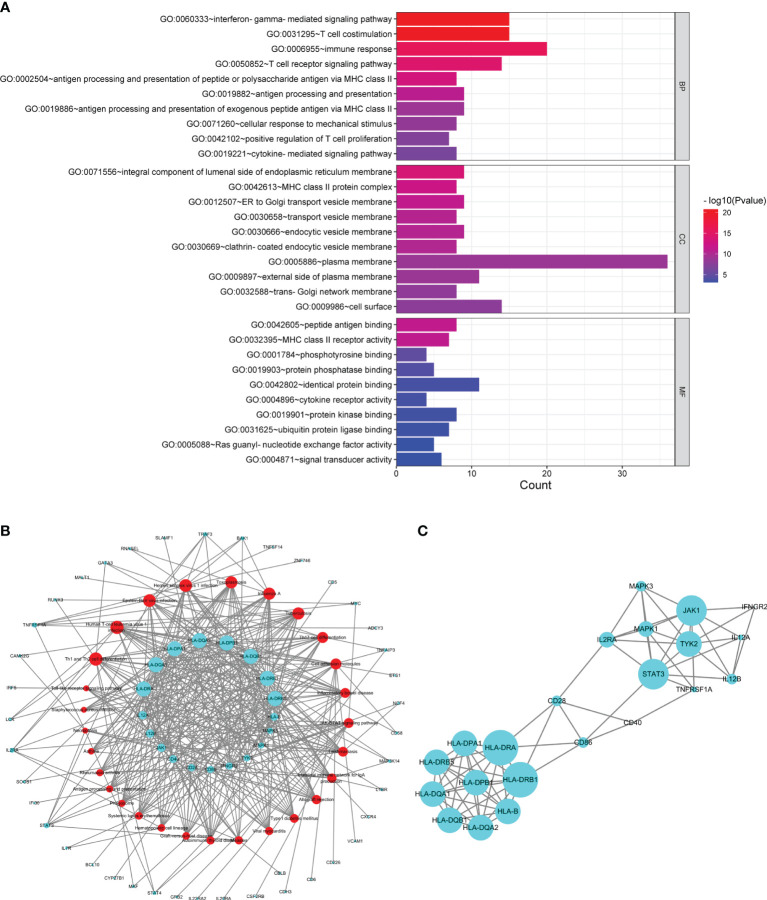
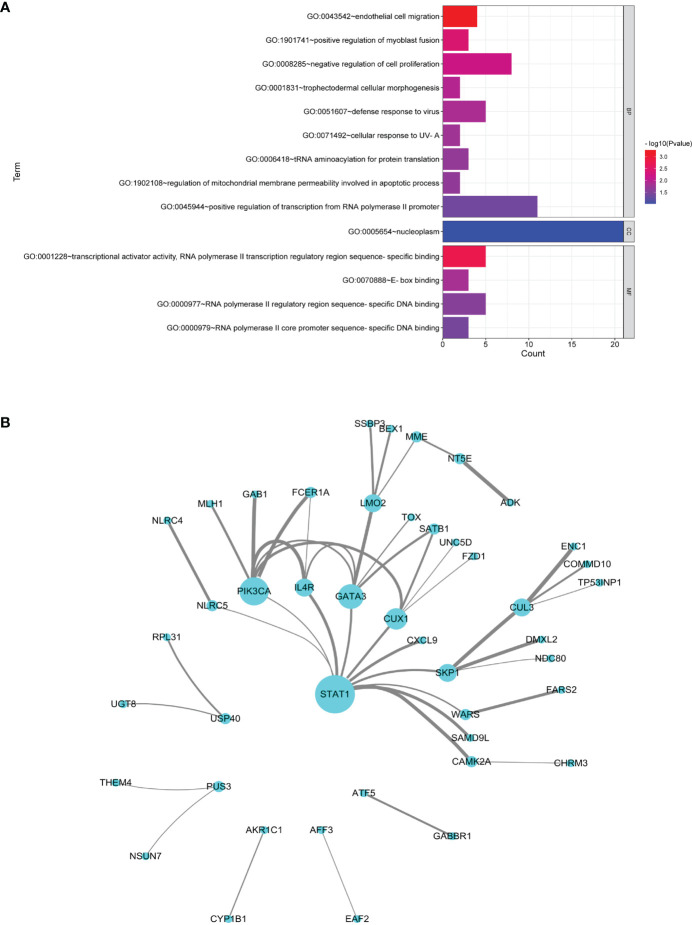
MS- and SS-related susceptibility genes and differentially expressed genes (DEGs) were identified by bioinformatics analysis based on genome-wide association studies (GWAS) and transcriptome data from GWAS catalog and Gene Expression Omnibus (GEO) database. Pathway enrichment, Gene Ontology (GO) analysis, and protein-protein interaction analysis for susceptibility genes and DEGs were performed. The drugs targeting common pathways/genes were obtained through Comparative Toxicogenomics Database (CTD), DrugBank database, and Drug-Gene Interaction (DGI) Database. The target genes of approved/investigational drugs for MS and SS were obtained through DrugBank and compared with the common susceptibility genes.
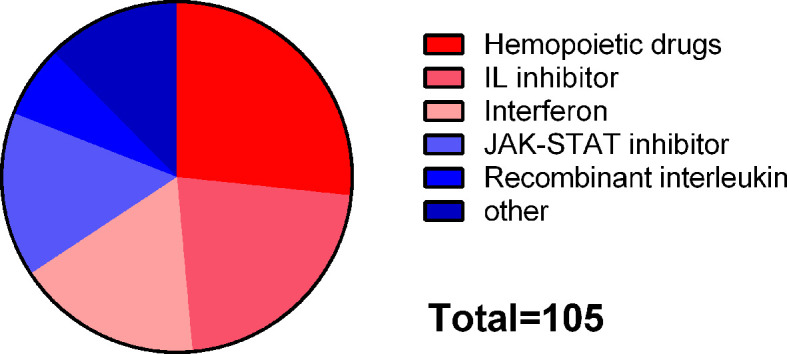
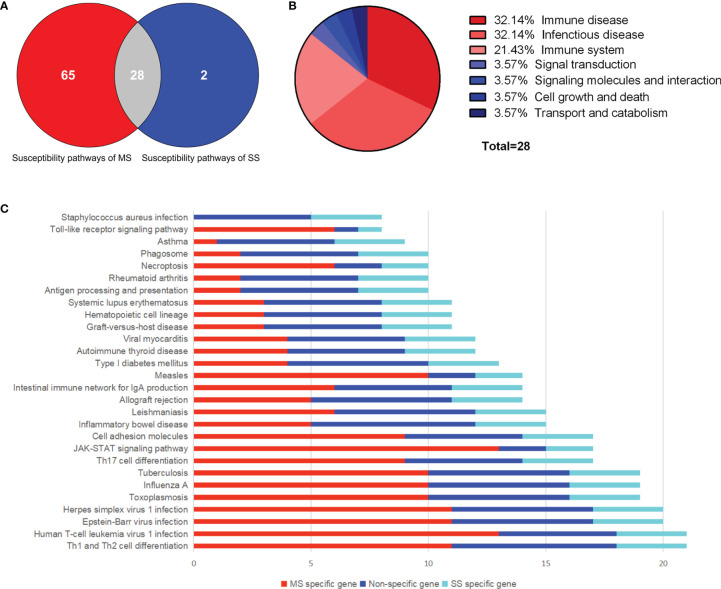
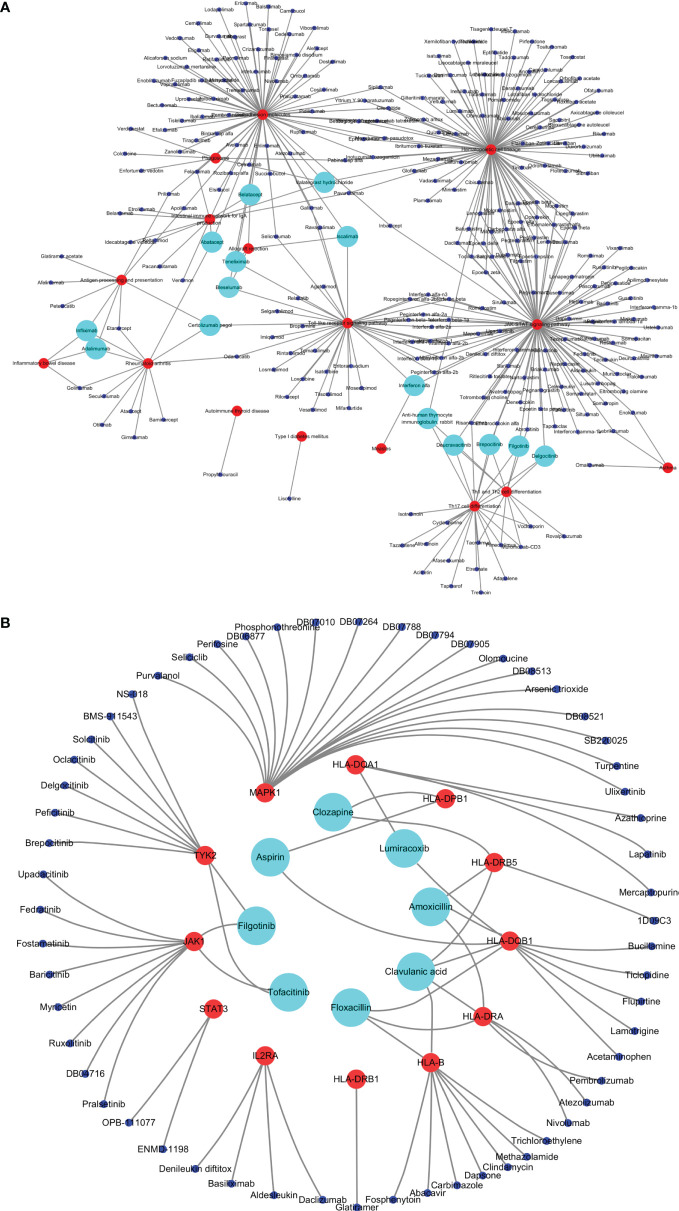
Based on GWAS data, we found 14 hub common susceptibility genes (, , , , , , , , , , , , , and ), with 8 drugs targeting two or more than two genes, and 28 common susceptibility pathways, with 15 drugs targeting three or more than three pathways. Based on transcriptome data, we found 3 hub common DEGs (, , ) with 3 drugs and 10 common risk pathways with 435 drugs. "JAK-STAT signaling pathway" was included in common susceptibility pathways and common risk pathways at the same time. There were 133 overlaps including JAK-STAT inhibitors between agents from GWAS and transcriptome data. Besides, we found that and , identified as hub common susceptibility genes, were the targets of daclizumab and glatiramer that were used for MS, indicating that daclizumab and glatiramer may be therapeutic for SS.
We observed the shared mechanism of MS and SS, in which JAK-STAT signaling pathway played a vital role, which may be the genetic and molecular bases of comorbidity of MS with SS. Moreover, JAK-STAT inhibitors were potential therapies for MS and SS, especially for their comorbidity.
本研究旨在探讨多发性硬化症(MS)和干燥综合征(SS)的共同发病机制和候选药物。
基于全基因组关联研究(GWAS)和 GWAS 目录及基因表达综合数据库(GEO)中的转录组数据,采用生物信息学分析方法,鉴定 MS 和 SS 相关的易感基因和差异表达基因(DEGs)。对易感基因和 DEGs 进行通路富集、基因本体论(GO)分析和蛋白质-蛋白质相互作用分析。通过比较毒理学基因组数据库(CTD)、药物数据库(DrugBank)和药物-基因相互作用(DGI)数据库,获得针对共同通路/基因的药物。通过 DrugBank 获得已批准/正在研究的用于 MS 和 SS 的药物的靶基因,并与共同易感基因进行比较。
基于 GWAS 数据,我们发现了 14 个枢纽共同易感基因(、、、、、、、、、、、和),其中有 8 种药物靶向 2 个或 2 个以上基因,有 28 个共同易感通路,其中有 15 种药物靶向 3 个或 3 个以上通路。基于转录组数据,我们发现了 3 个枢纽共同 DEGs(、、),有 3 种药物和 10 个共同风险通路,有 435 种药物。“JAK-STAT 信号通路”同时存在于共同易感通路和共同风险通路中。GWAS 和转录组数据中的药物有 133 个 JAK-STAT 抑制剂重叠。此外,我们发现,作为枢纽共同易感基因的和,是用于 MS 的达昔单抗和那他珠单抗的靶标,这表明达昔单抗和那他珠单抗可能对 SS 具有治疗作用。
我们观察到 MS 和 SS 的共同发病机制,其中 JAK-STAT 信号通路起着至关重要的作用,这可能是 MS 与 SS 共病的遗传和分子基础。此外,JAK-STAT 抑制剂可能是 MS 和 SS 的潜在治疗方法,特别是针对其共病。