Zhou Zhiyang, Wang Tao, Du Yao, Deng Junping, Gao Ge, Zhang Jiangnan
Department of General Surgery, The First Affiliated Hospital of Nanchang University, Nanchang, China.
Department of Day Ward, The First Affiliated Hospital of Nanchang University, Nanchang, China.
Front Genet. 2022 Mar 9;13:823728. doi: 10.3389/fgene.2022.823728. eCollection 2022.
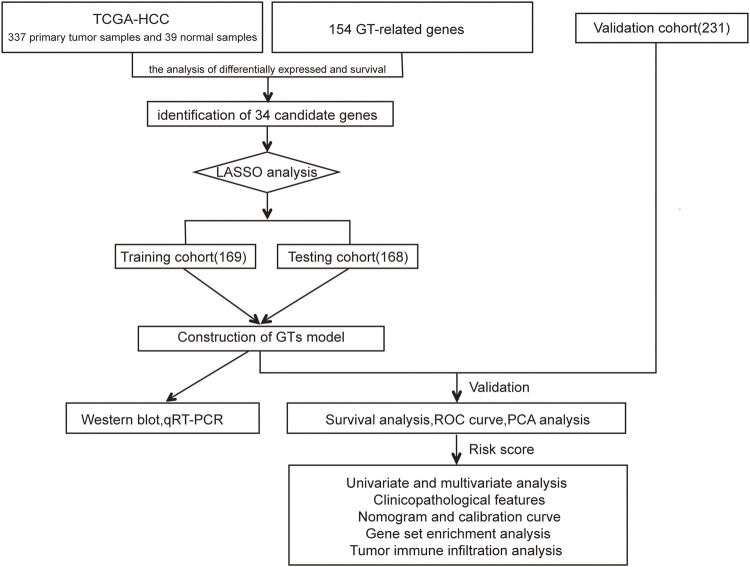
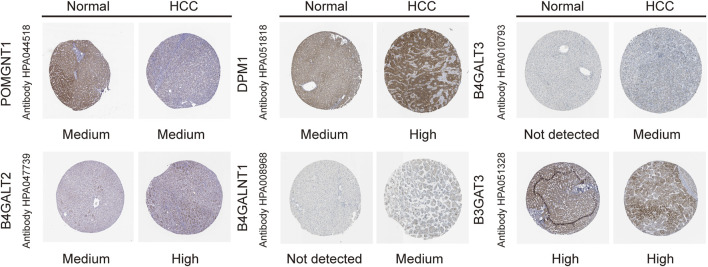
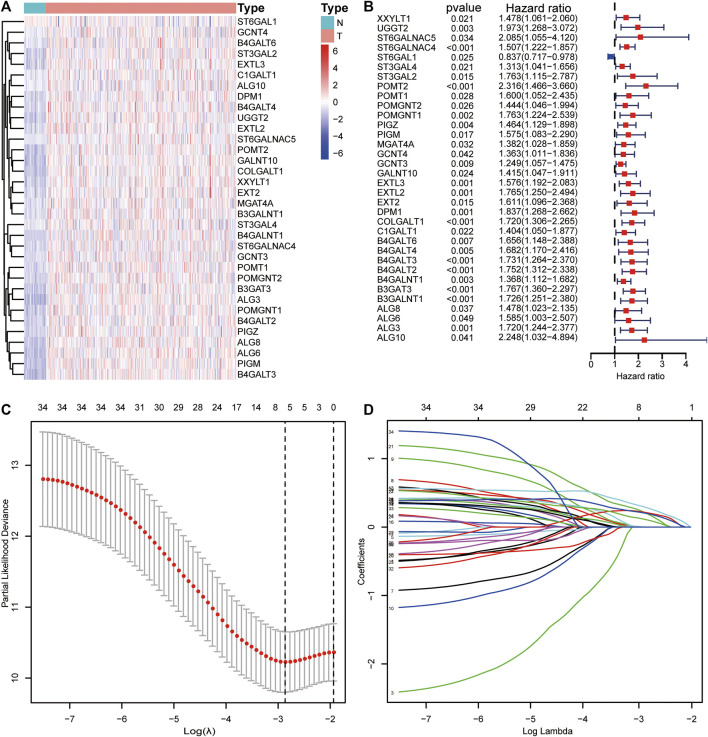
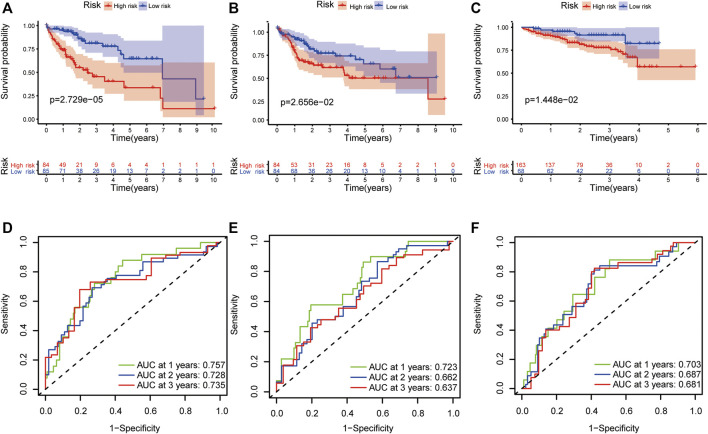
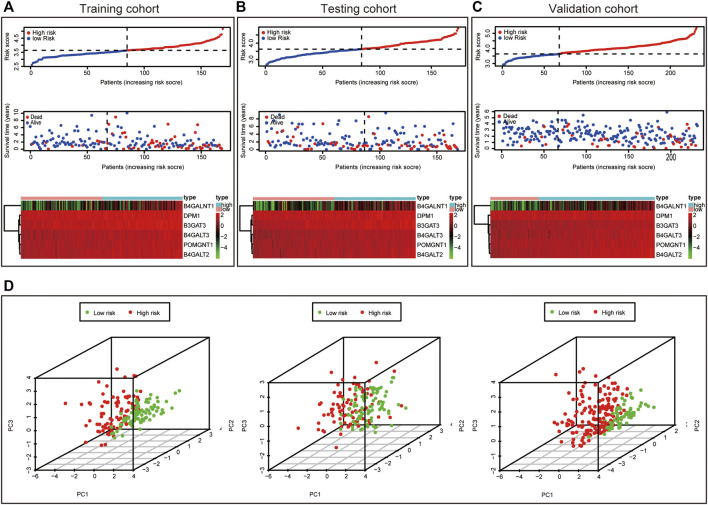
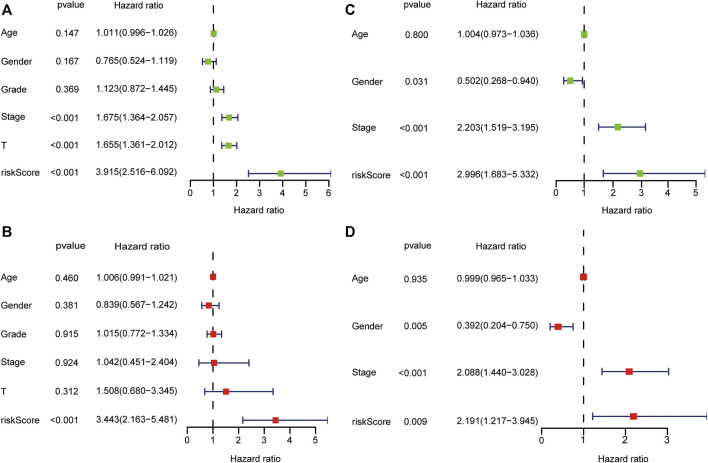
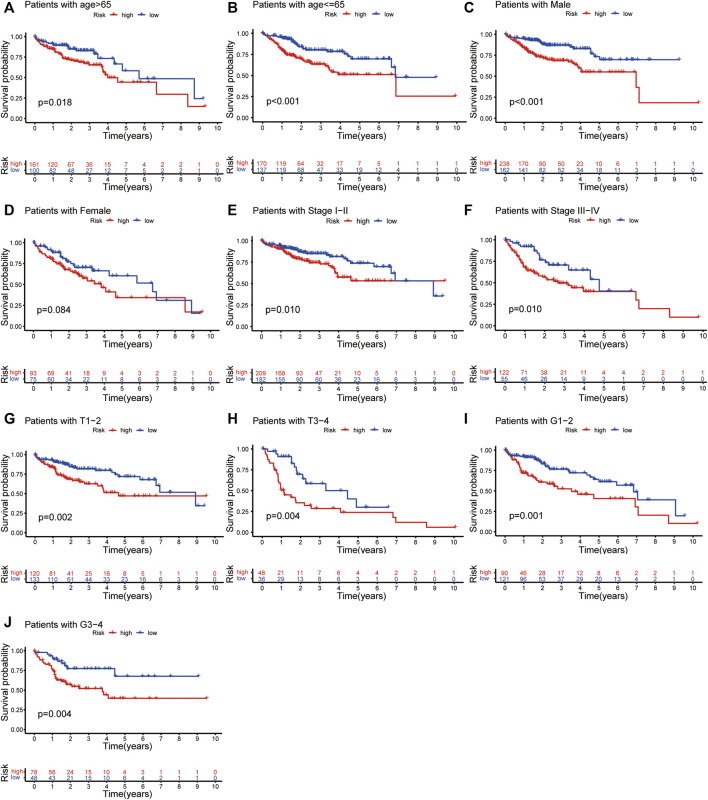
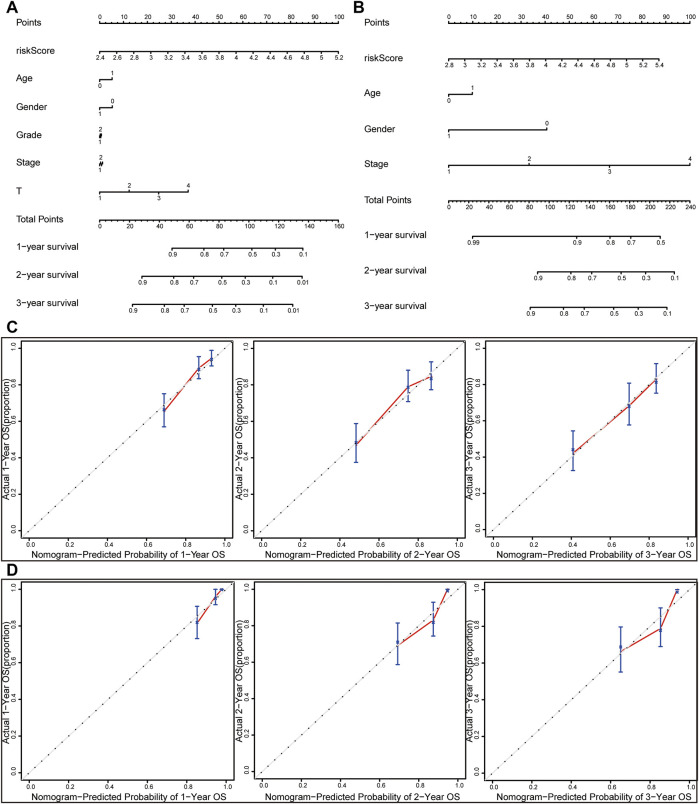
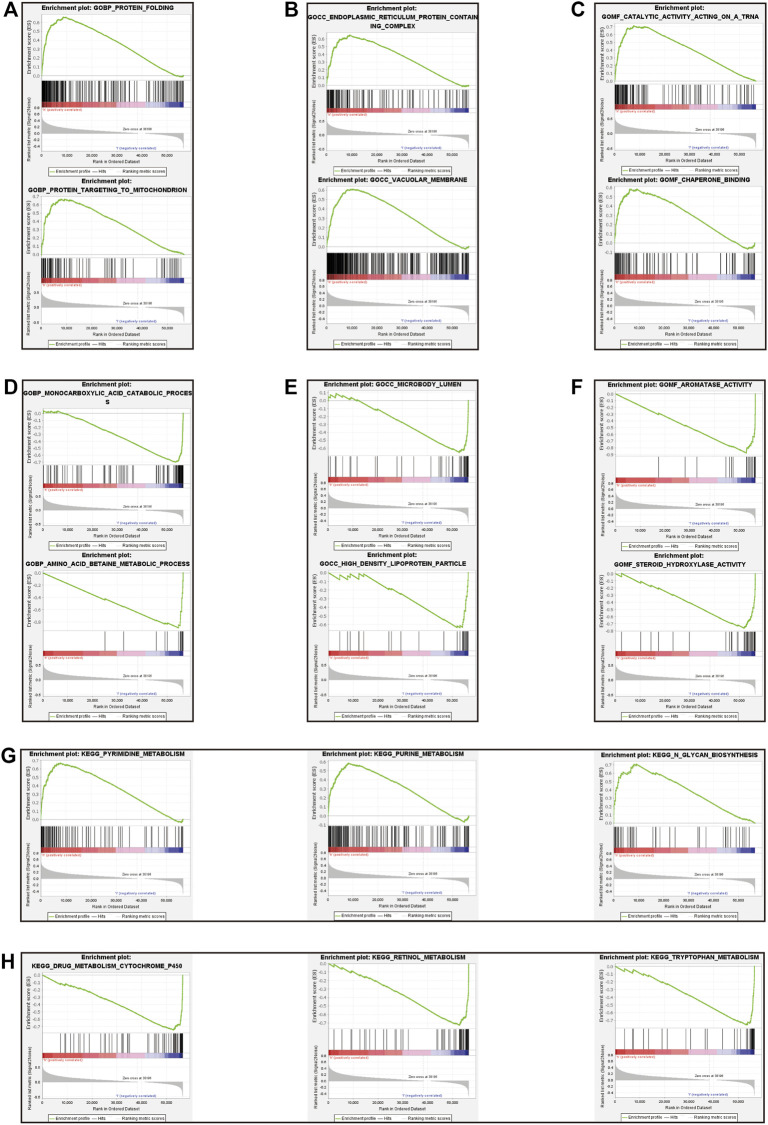
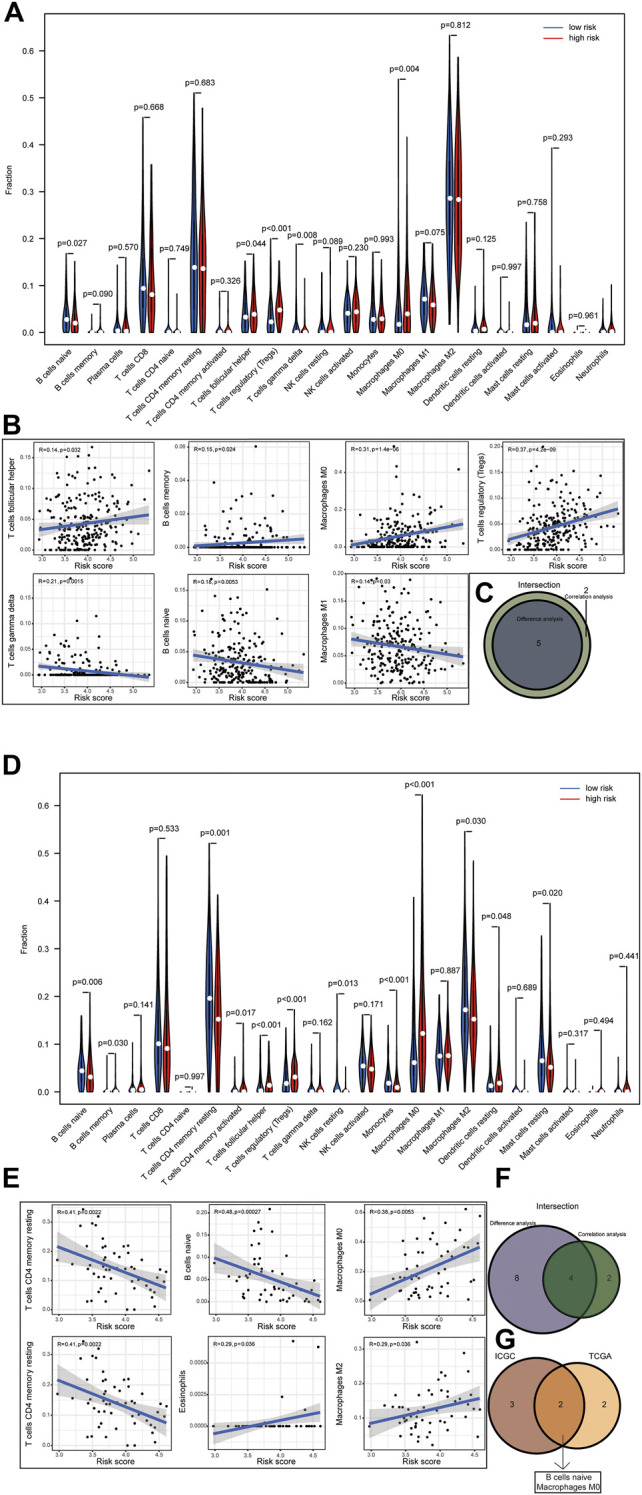
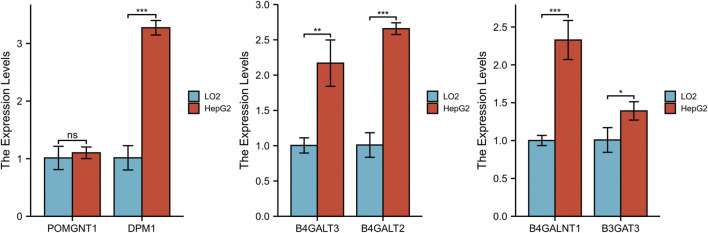
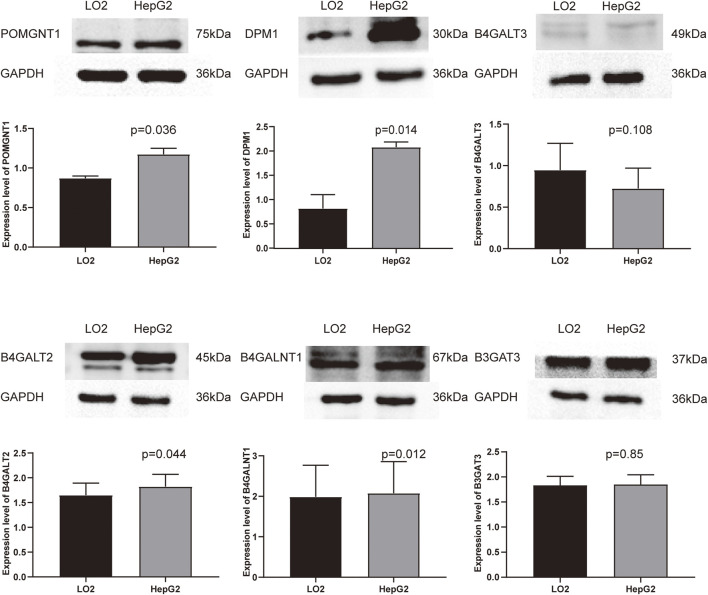
Although many prognostic models have been developed to help determine personalized prognoses and treatments, the predictive efficiency of these prognostic models in hepatocellular carcinoma (HCC), which is a highly heterogeneous malignancy, is less than ideal. Recently, aberrant glycosylation has been demonstrated to universally participate in tumour initiation and progression, suggesting that dysregulation of glycosyltransferases can serve as novel cancer biomarkers. In this study, a total of 568 RNA-sequencing datasets of HCC from the TCGA database and ICGC database were analysed and integrated via bioinformatic methods. LASSO regression analysis was applied to construct a prognostic signature. Kaplan-Meier survival, ROC curve, nomogram, and univariate and multivariate Cox regression analyses were performed to assess the predictive efficiency of the prognostic signature. GSEA and the "CIBERSORT" R package were utilized to further discover the potential biological mechanism of the prognostic signature. Meanwhile, the differential expression of the prognostic signature was verified by western blot, qRT-PCR and immunohistochemical staining derived from the HPA. Ultimately, we constructed a prognostic signature in HCC based on a combination of six glycosyltransferases, whose prognostic value was evaluated and validated successfully in the testing cohort and the validation cohort. The prognostic signature was identified as an independent unfavourable prognostic factor for OS, and a nomogram including the risk score was established and showed the good performance in predicting OS. Further analysis of the underlying mechanism revealed that the prognostic signature may be potentially associated with metabolic disorders and tumour-infiltrating immune cells.
尽管已经开发了许多预后模型来帮助确定个性化的预后和治疗方案,但这些预后模型在肝癌(HCC)中的预测效率并不理想,因为肝癌是一种高度异质性的恶性肿瘤。最近,异常糖基化已被证明普遍参与肿瘤的发生和发展,这表明糖基转移酶的失调可作为新的癌症生物标志物。在本研究中,通过生物信息学方法对来自TCGA数据库和ICGC数据库的总共568个HCC RNA测序数据集进行了分析和整合。应用LASSO回归分析构建预后特征。进行Kaplan-Meier生存分析、ROC曲线分析、列线图分析以及单因素和多因素Cox回归分析,以评估预后特征的预测效率。利用GSEA和“CIBERSORT”R包进一步探索预后特征的潜在生物学机制。同时,通过蛋白质免疫印迹、qRT-PCR以及来自人类蛋白质图谱(HPA)的免疫组织化学染色验证了预后特征的差异表达。最终,我们基于六种糖基转移酶构建了HCC的预后特征,其预后价值在测试队列和验证队列中得到了成功评估和验证。该预后特征被确定为总生存期(OS)的独立不良预后因素,并建立了包含风险评分的列线图,该列线图在预测OS方面表现良好。对潜在机制的进一步分析表明,该预后特征可能与代谢紊乱和肿瘤浸润免疫细胞潜在相关。