Ramya Venkatesan, Shyam Karuppiah Prakash, Kowsalya Eshwaran, Balavigneswaran Chelladurai Karthikeyan, Kadalmani Balamuthu
Reproductive Endocrinology and Cancer Biology Laboratory, Department of Animal Science, Bharathidasan University, Tiruchirappalli, India.
Research and Development Division, V.V.D and Sons Private Limited, Thoothukudi, India.
Front Neurosci. 2022 Mar 11;16:833630. doi: 10.3389/fnins.2022.833630. eCollection 2022.
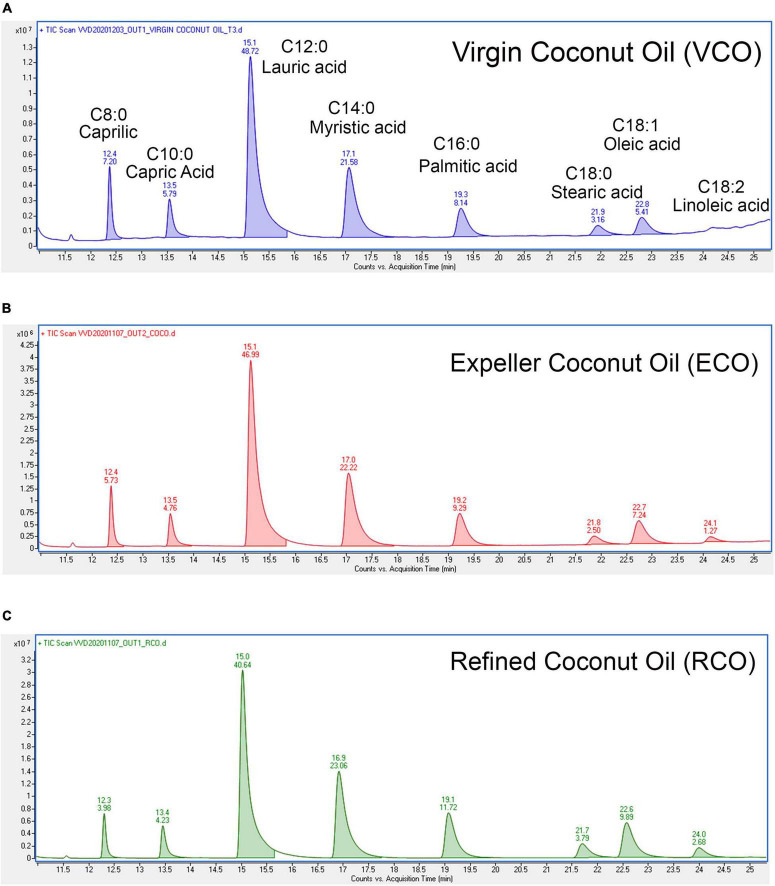
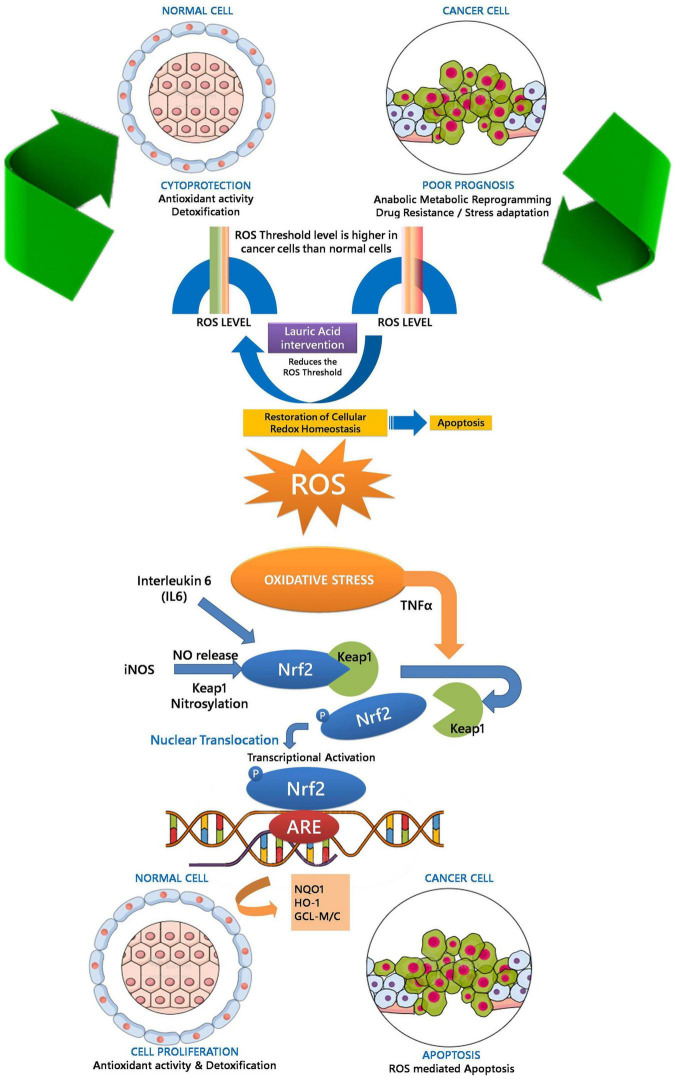
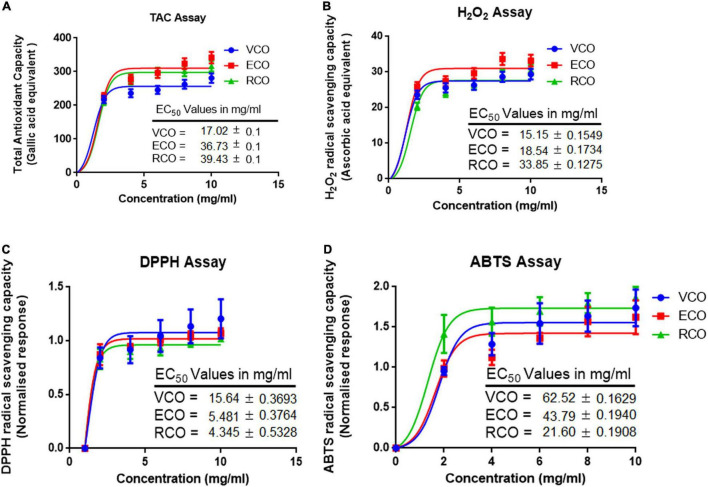
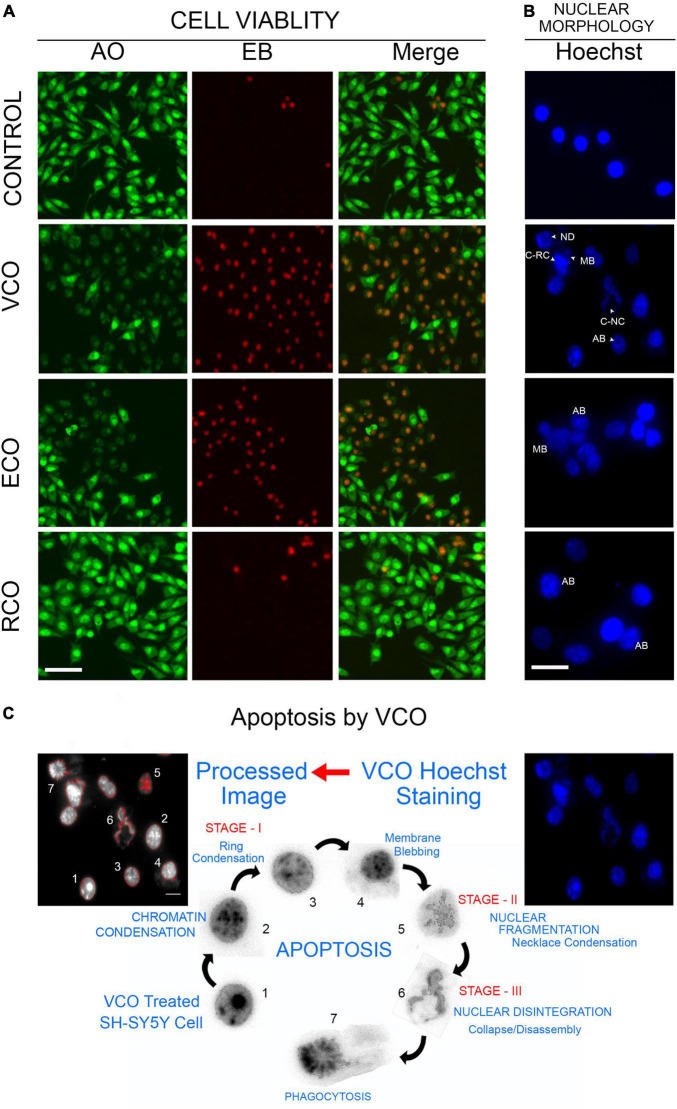
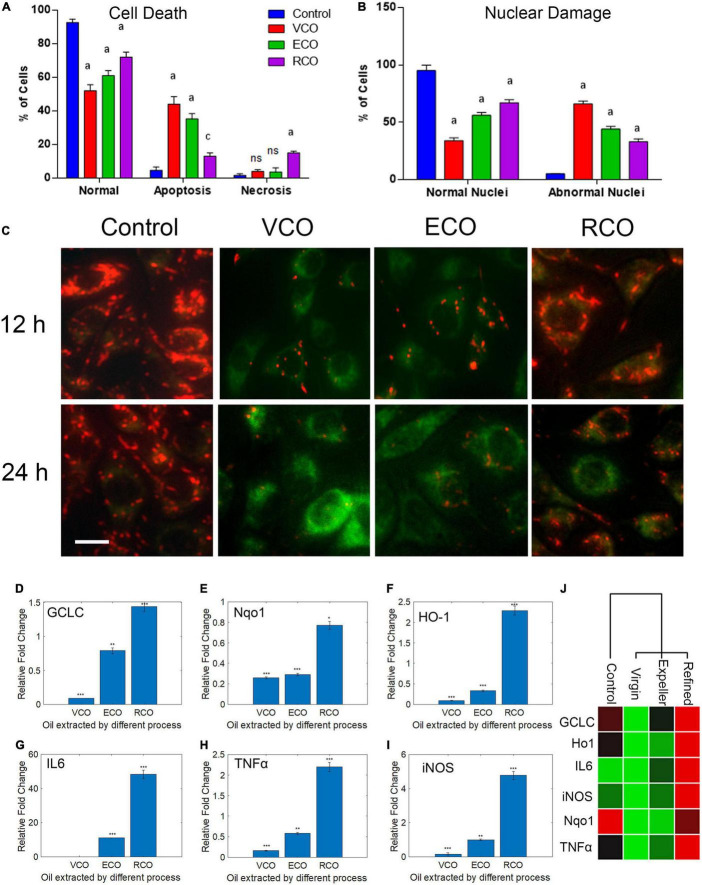
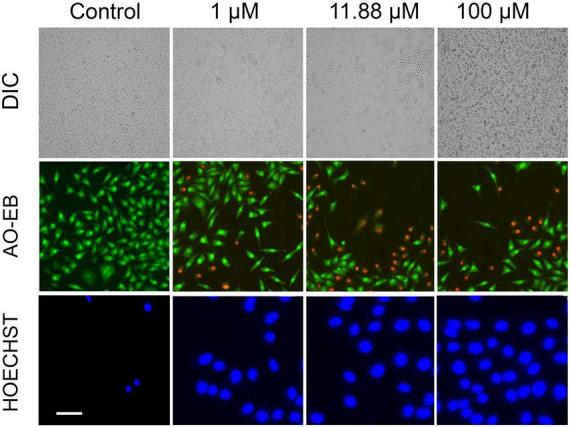
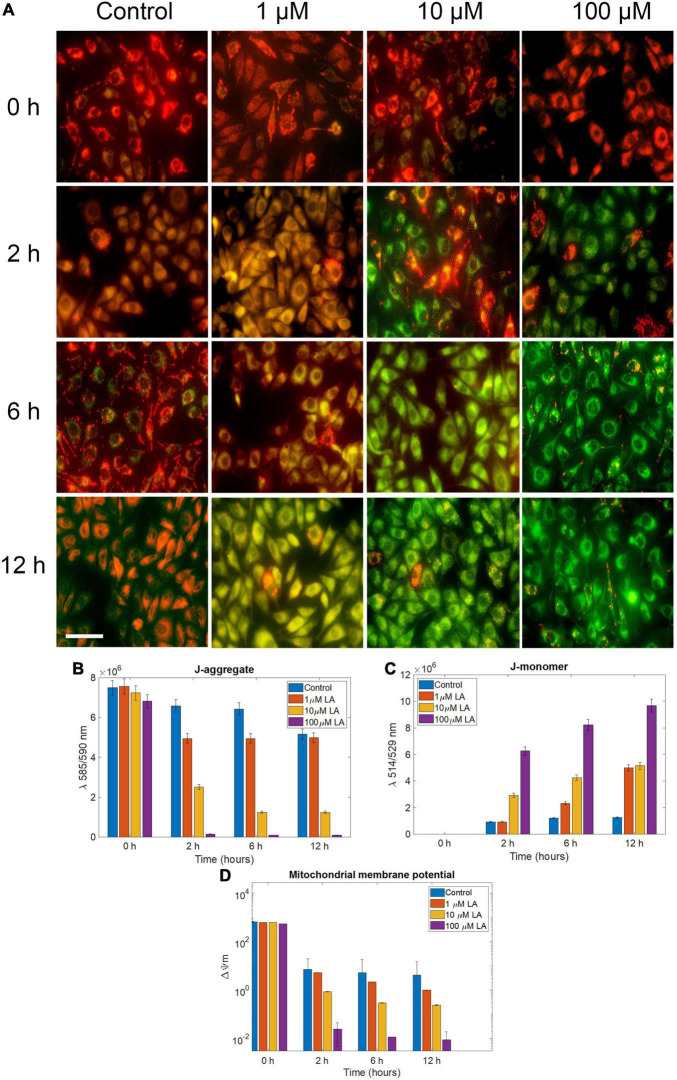
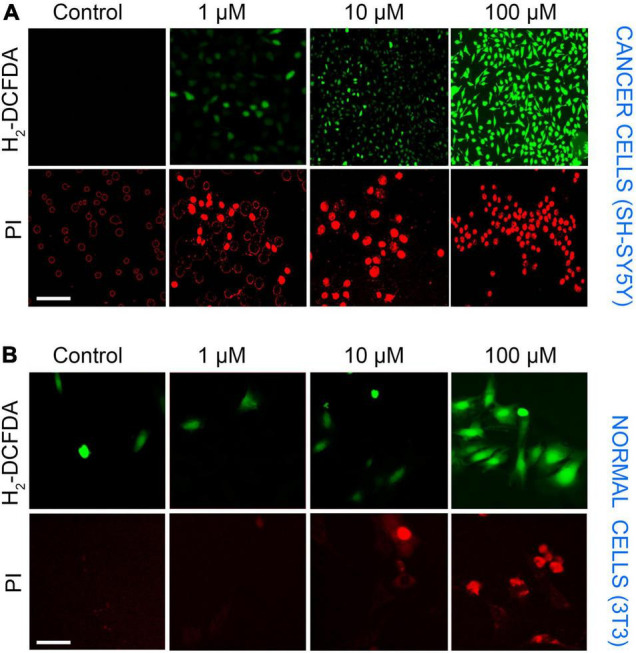
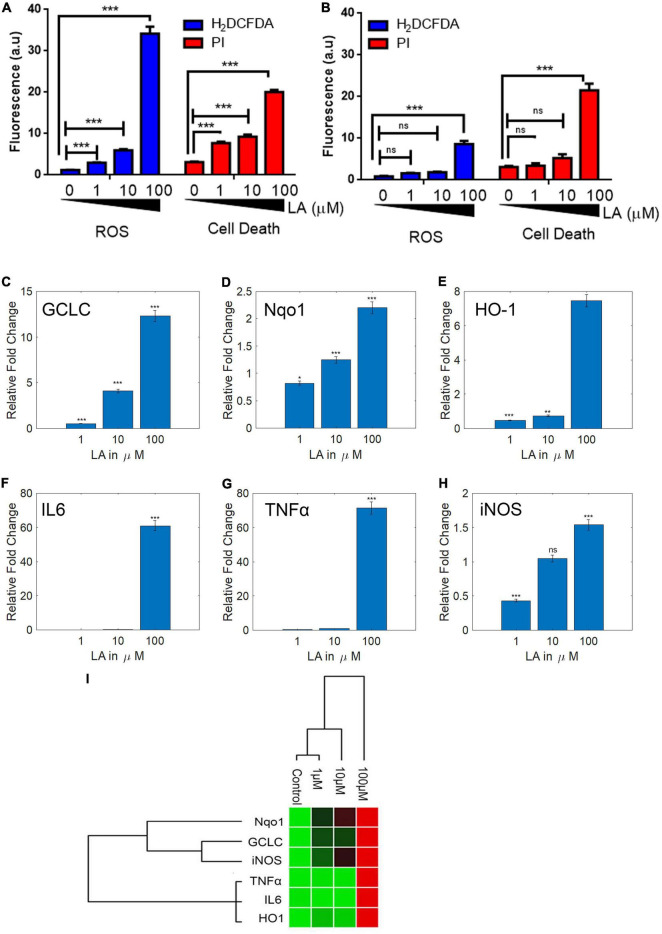
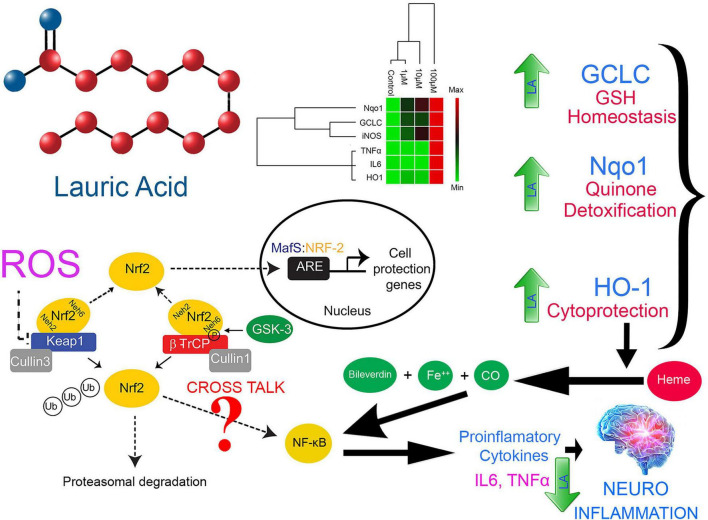
It has been reported that coconut oil supplementation can reduce neuroinflammation. However, coconut oils are available as virgin coconut oil (VCO), crude coconut oil (ECO), and refined coconut oil (RCO). The impact of coconut oil extraction process (and its major fatty acid component lauric acid) at cellular antioxidant level, redox homeostasis and inflammation in neural cells is hitherto unexplained. Herein, we have shown the antioxidant levels and cellular effect of coconut oil extracted by various processes in human neuroblastoma cells (SH-SY5Y) cultured . Results indicate VCO and ECO treated cells displayed better mitochondrial health when compared to RCO. Similar trend was observed for the release of reactive oxygen species (ROS), key oxidative stress response genes (GCLC, HO-1, and Nqo1) and inflammatory genes (IL6, TNFα, and iNOS) in SH-SY5Y cells. Our results signified that both VCO and ECO offer better neural health primarily by maintaining the cellular redox balance. Further, RCO prepared by solvent extraction and chemical refining process lacks appreciable beneficial effect. Then, we extended our study to find out the reasons behind maintaining the cellular redox balance in neuroblastoma cells by VCO and ECO. Our GC-MS results showed that lauric acid (C14:0) (LA) content was the major difference in the fatty acid composition extracted by various processes. Therefore, we evaluated the efficacy of LA in SH-SY5Y cells. The LA showed dose-dependent effect. At IC concentration (11.8 μM), LA down regulated the oxidative stress response genes and inflammatory genes. The results clearly indicate that the LA inhibited the neuroinflammation and provided an efficient cellular antioxidant activity, which protects the cells. The efficiency was also evaluated in normal cell line such as fibroblasts (L929) to cross-validate that the results were not false positive. Different concentration of LA on L929 cells showed high compatibility. From our observation, we conclude that VCO and ECO offers better cellular protection owing to their powerful antioxidant system. Therefore, we advocate the inclusion of either VCO and/or ECO in the diet for a healthy lifestyle.
据报道,补充椰子油可以减轻神经炎症。然而,椰子油有初榨椰子油(VCO)、粗制椰子油(ECO)和精炼椰子油(RCO)之分。迄今为止,椰子油提取工艺(及其主要脂肪酸成分月桂酸)对神经细胞的细胞抗氧化水平、氧化还原稳态和炎症的影响尚不清楚。在此,我们展示了通过不同工艺提取的椰子油在培养的人神经母细胞瘤细胞(SH-SY5Y)中的抗氧化水平和细胞效应。结果表明,与RCO相比,VCO和ECO处理的细胞线粒体健康状况更好。在SH-SY5Y细胞中,活性氧(ROS)释放、关键氧化应激反应基因(GCLC、HO-1和Nqo1)以及炎症基因(IL6、TNFα和iNOS)的释放也观察到类似趋势。我们的结果表明,VCO和ECO主要通过维持细胞氧化还原平衡来提供更好的神经健康。此外,通过溶剂萃取和化学精炼工艺制备的RCO缺乏明显的有益效果。然后,我们扩展研究以找出VCO和ECO在神经母细胞瘤细胞中维持细胞氧化还原平衡的背后原因。我们的气相色谱-质谱(GC-MS)结果表明,月桂酸(C14:0)(LA)含量是不同工艺提取的脂肪酸组成的主要差异。因此,我们评估了LA在SH-SY5Y细胞中的功效。LA显示出剂量依赖性效应。在IC浓度(11.8 μM)时,LA下调氧化应激反应基因和炎症基因。结果清楚地表明,LA抑制神经炎症并提供有效的细胞抗氧化活性,从而保护细胞。还在成纤维细胞(L929)等正常细胞系中评估了该效率,以交叉验证结果不是假阳性。不同浓度的LA对L929细胞显示出高兼容性。从我们的观察中,我们得出结论,VCO和ECO因其强大的抗氧化系统而提供更好的细胞保护。因此,我们提倡在饮食中加入VCO和/或ECO以实现健康的生活方式。