Wang Zhanjun, Cai Qianwen, Wang Yue, Li Minhui, Wang Chenchen, Wang Zhaoxia, Jiao Chunyan, Xu Congcong, Wang Hongyan, Zhang Zhaoliang
College of Life Sciences, Hefei Normal University, Hefei, China.
State Key Laboratory of Tea Plant Biology and Utilization, Anhui Agricultural University, Hefei, China.
Front Genet. 2022 Mar 10;13:824610. doi: 10.3389/fgene.2022.824610. eCollection 2022.
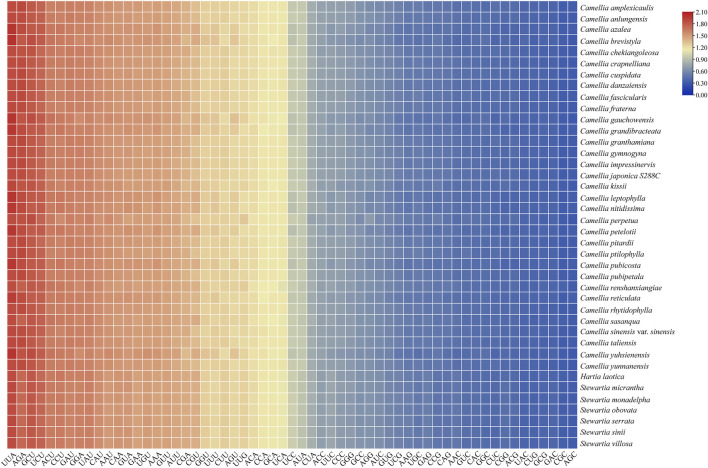
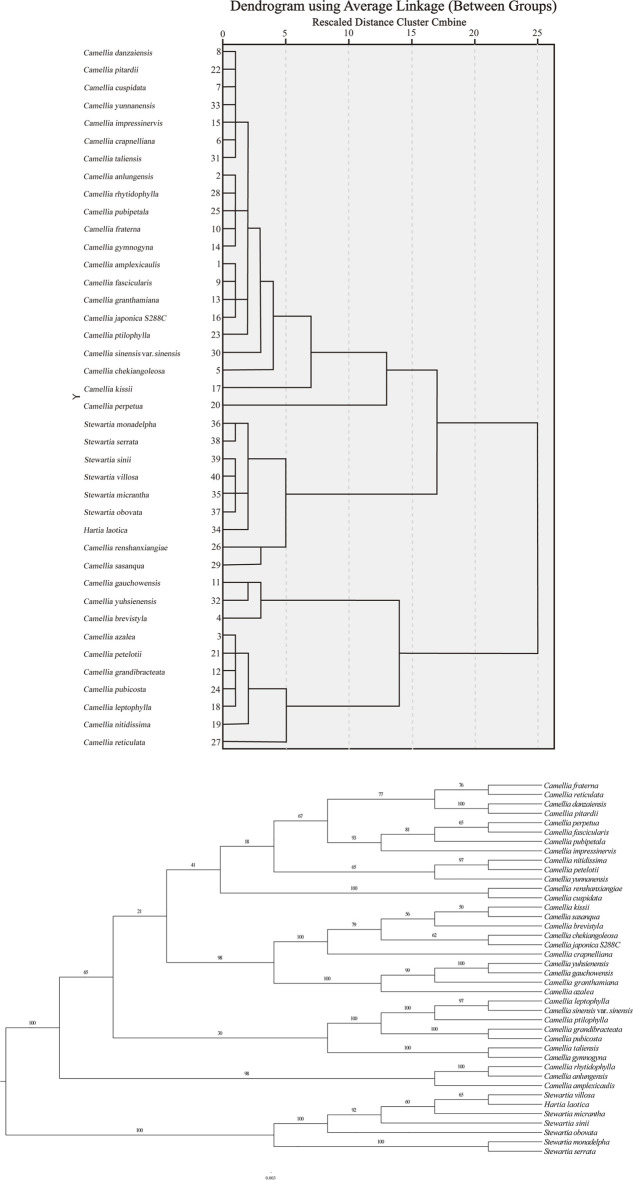
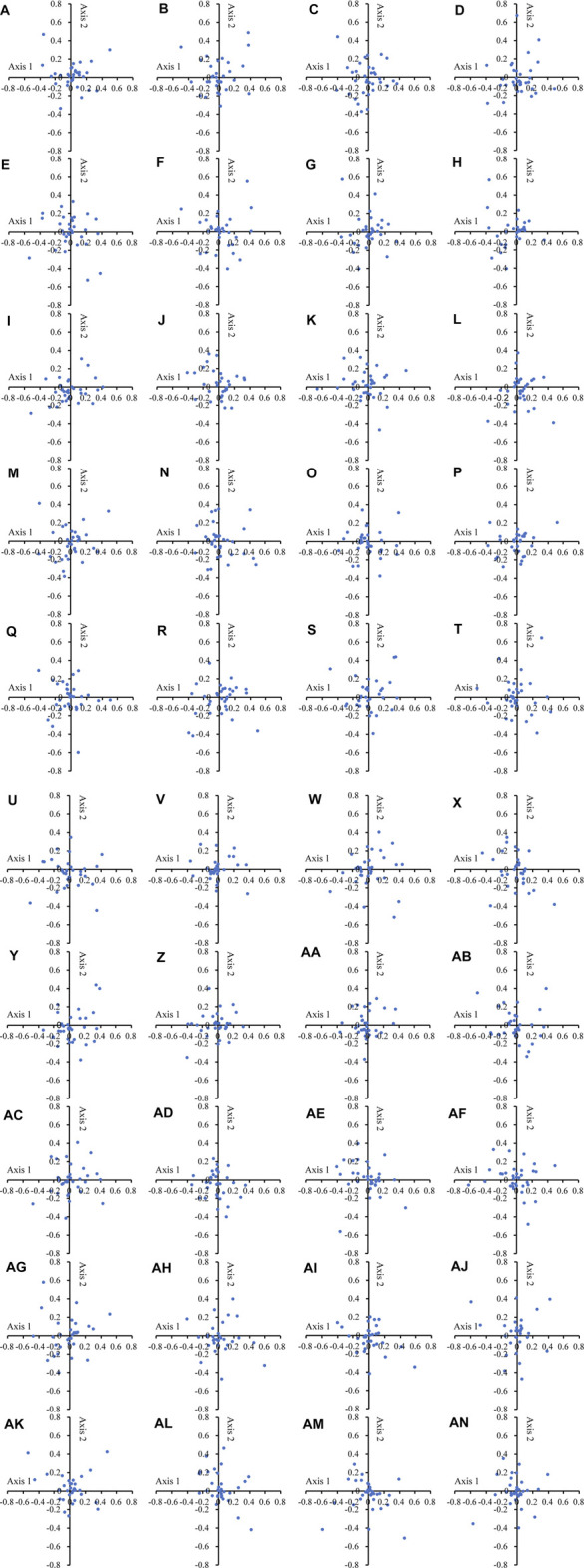
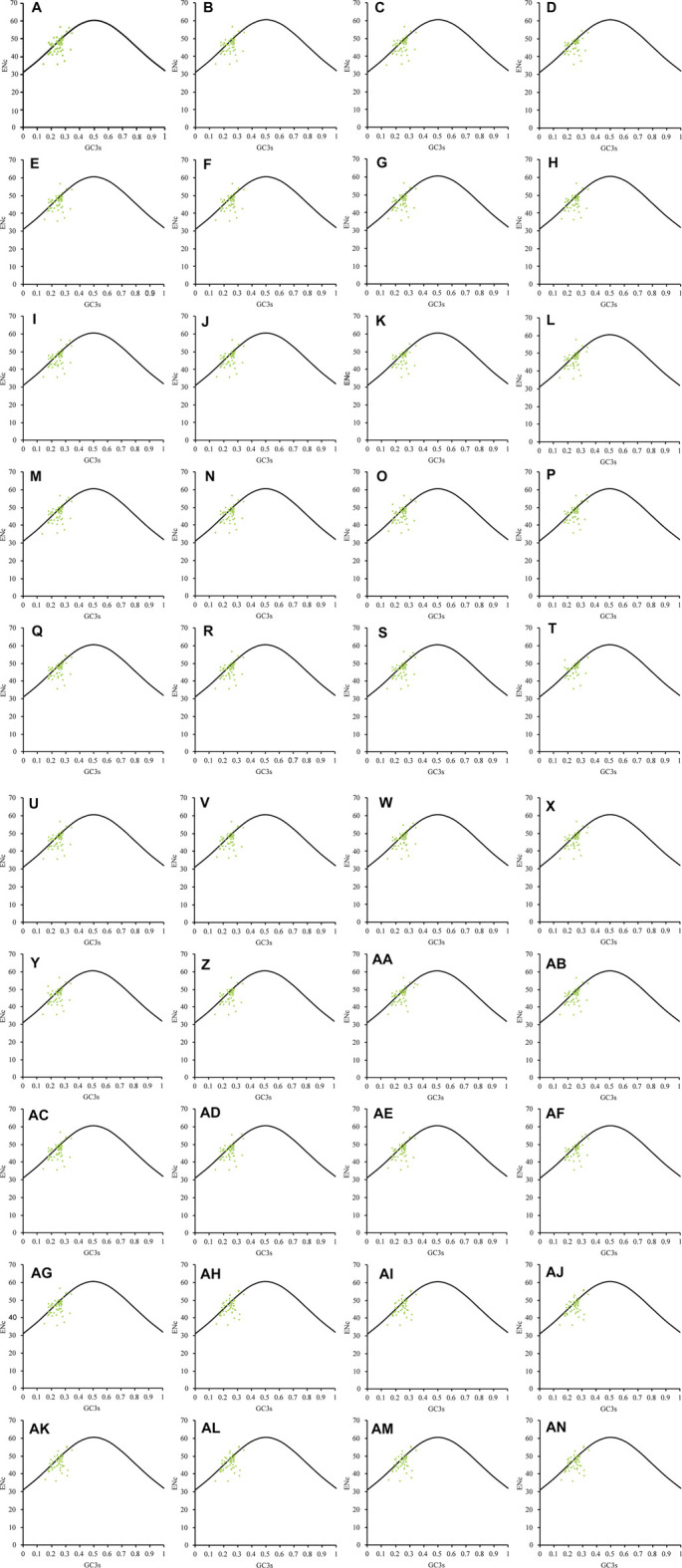
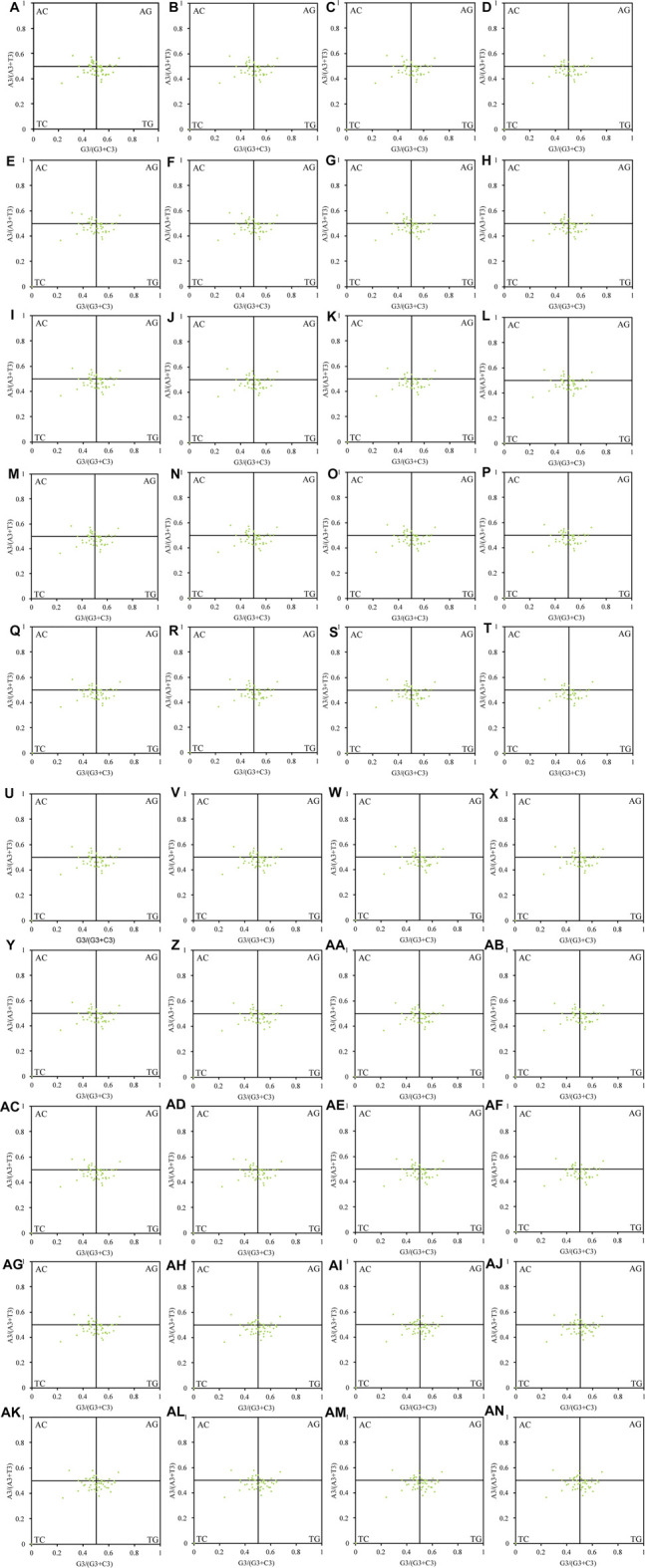
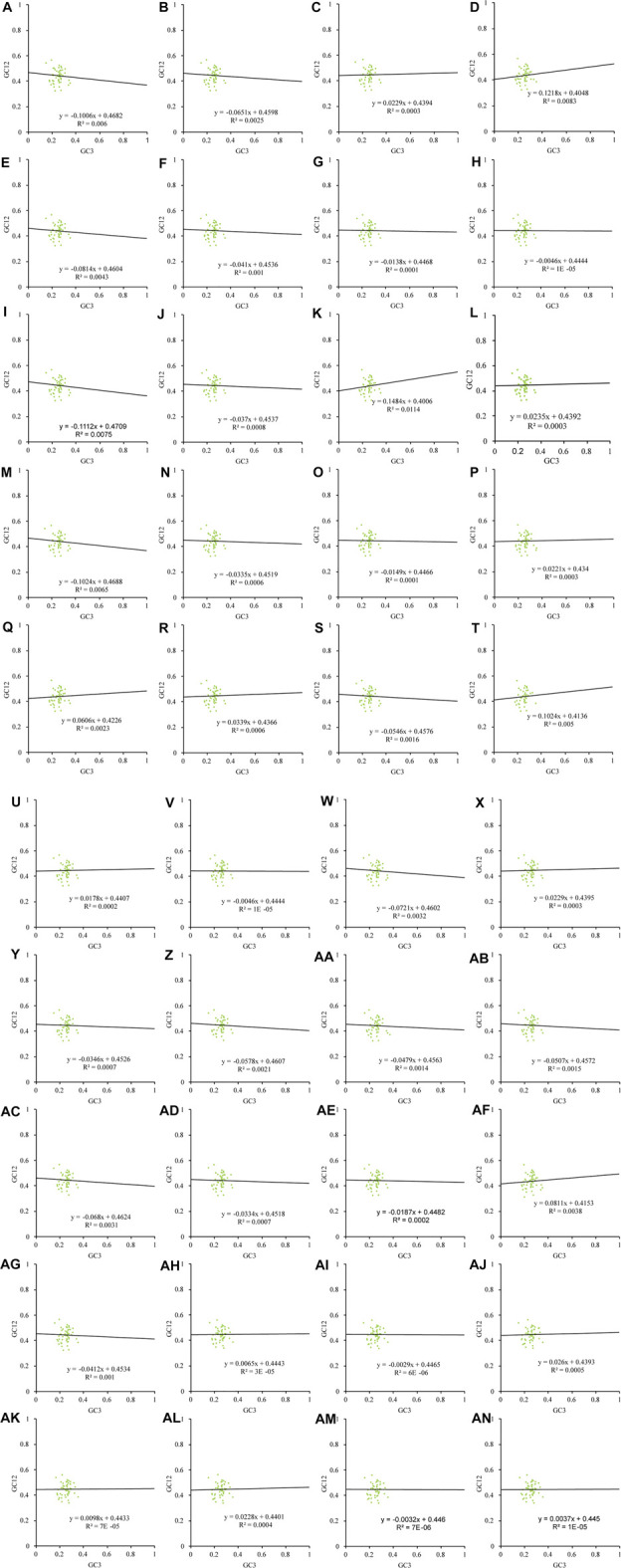
Theaceae species are dicotyledonous angiosperms with extremely high ornamental and economic value. The chloroplast genome is traditionally used to study species evolution, expression of chloroplast genes and chloroplast transformation. Codon usage bias (CUB) analysis is beneficial for investigations of evolutionary relationships and can be used to improve gene expression efficiency in genetic transformation research. However, there are relatively few systematic studies of the CUB in the chloroplast genomes of Theaceae species. In this study, CUB and nucleotide compositions parameters were determined by the scripts written in the Perl language, CodonW 1.4.2, CU.Win2000, RStudio and SPSS 23.0. The chloroplast genome data of 40 Theaceae species were obtained to analyse the codon usage (CU) characteristics of the coding regions and the influence of the source of variation on CUB. To explore the relationship between the CUB and gene expression levels in these 40 Theaceae plastomes, the synonymous codon usage order (SCUO) and measure independent of length and composition (MILC) values were determined. Finally, phylogenetic analysis revealed the genetic evolutionary relationships among these Theaceae species. Our results showed that based on the chloroplast genomes of these 40 Theaceae species, the CUB was for codons containing A/T bases and those that ended with A/T bases. Moreover, there was great commonality in the CUB of the Theaceae species according to comparative analysis of relative synonymous codon usage (RSCU) and relative frequency of synonymous codon (RFSC): these species had 29 identical codons with bias (RSCU > 1), and there were 19 identical high-frequency codons. The CUB of Theaceae species is mainly affected by natural selection. The SCUO value of the 40 Theaceae species was 0.23 or 0.24, and the chloroplast gene expression level was moderate, according to MILC values. Additionally, we observed a positive correlation between the SCUO and MILC values, which indicated that CUB might affect gene expression. Furthermore, the phylogenetic analysis showed that the evolutionary relationships in these 40 Theaceae species were relatively conserved. A systematic study on the CUB and expression of Theaceae species provides further evidence for their evolution and phylogeny.
山茶科植物是具有极高观赏和经济价值的双子叶被子植物。叶绿体基因组传统上用于研究物种进化、叶绿体基因表达和叶绿体转化。密码子使用偏好(CUB)分析有助于研究进化关系,并可用于提高遗传转化研究中的基因表达效率。然而,对山茶科植物叶绿体基因组中CUB的系统研究相对较少。在本研究中,通过用Perl语言编写的脚本、CodonW 1.4.2、CU.Win2000、RStudio和SPSS 23.0确定了CUB和核苷酸组成参数。获得了40种山茶科植物的叶绿体基因组数据,以分析编码区的密码子使用(CU)特征以及变异来源对CUB的影响。为了探究这40种山茶科植物质体基因组中CUB与基因表达水平之间的关系,确定了同义密码子使用顺序(SCUO)和长度与组成无关测量值(MILC)。最后,系统发育分析揭示了这些山茶科植物之间的遗传进化关系。我们的结果表明,基于这40种山茶科植物的叶绿体基因组,CUB倾向于含有A/T碱基以及以A/T碱基结尾的密码子。此外,根据相对同义密码子使用(RSCU)和同义密码子相对频率(RFSC)的比较分析,山茶科植物在CUB方面有很大的共性:这些物种有29个相同的偏好密码子(RSCU>1),并且有19个相同的高频密码子。山茶科植物的CUB主要受自然选择影响。根据MILC值,40种山茶科植物的SCUO值为0.23或0.24,叶绿体基因表达水平适中。此外,我们观察到SCUO和MILC值之间存在正相关,这表明CUB可能影响基因表达。此外,系统发育分析表明,这40种山茶科植物的进化关系相对保守。对山茶科植物CUB和表达的系统研究为它们的进化和系统发育提供了进一步证据。