Nguyen Ngoan Thi Thao, Nguyen Luan Minh, Nguyen Thuy Thi Thanh, Nguyen Thuong Thi, Nguyen Duyen Thi Cam, Tran Thuan Van
Institute of Environmental Technology and Sustainable Development, Nguyen Tat Thanh University, 298-300A Nguyen Tat Thanh, District 4, Ho Chi Minh City, 755414 Vietnam.
Department of Chemical Engineering and Processing, Nong Lam University, Thu Duc District, Ho Chi Minh City, 700000 Vietnam.
Environ Chem Lett. 2022;20(4):2531-2571. doi: 10.1007/s10311-022-01425-w. Epub 2022 Mar 25.
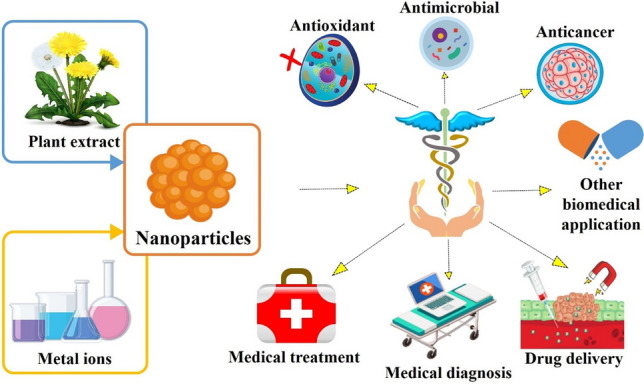
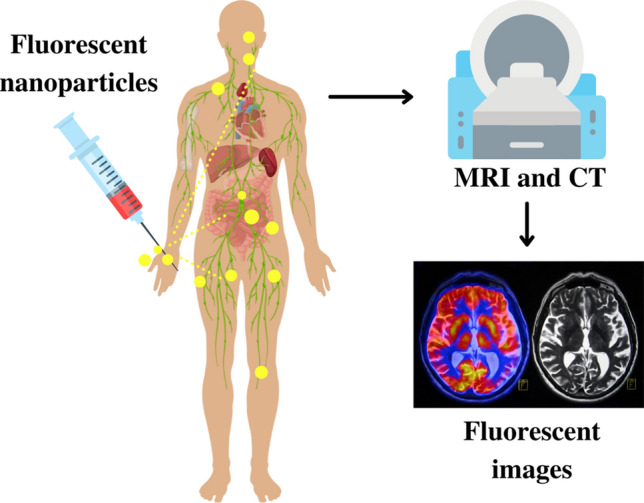
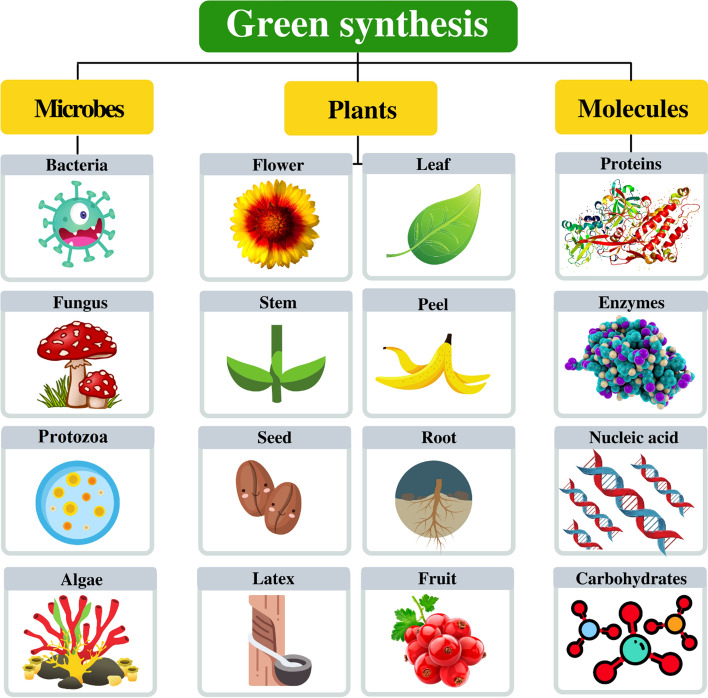
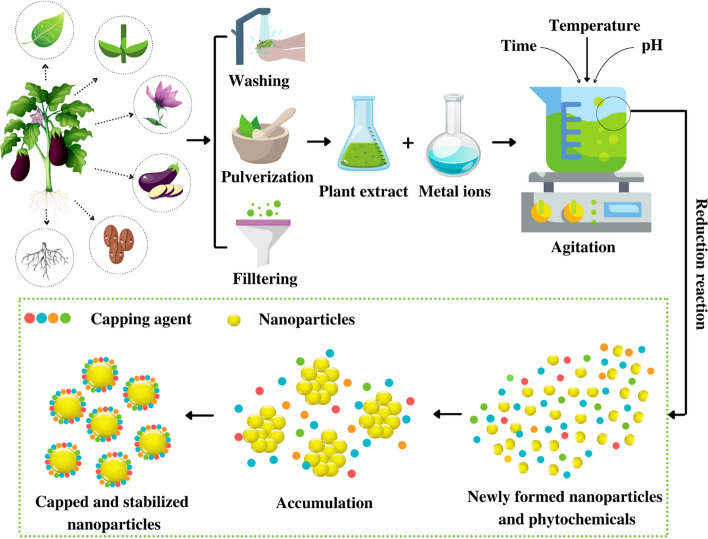
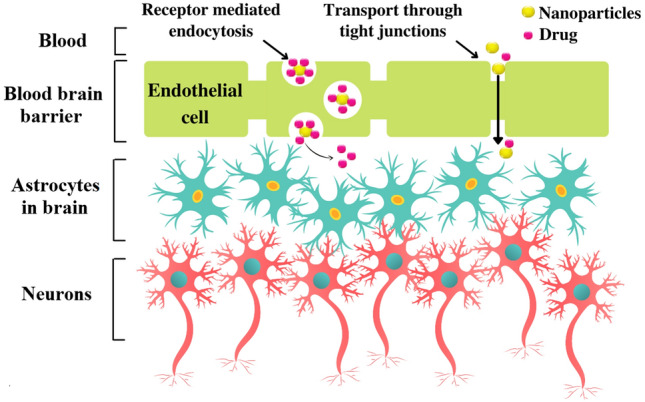
Because many engineered nanoparticles are toxic, there is a need for methods to fabricate safe nanoparticles such as plant-based nanoparticles. Indeed, plant extracts contain flavonoids, amino acids, proteins, polysaccharides, enzymes, polyphenols, steroids, and reducing sugars that facilitate the reduction, formation, and stabilization of nanoparticles. Moreover, synthesizing nanoparticles from plant extracts is fast, safe, and cost-effective because it does not consume much energy, and non-toxic derivatives are generated. These nanoparticles have diverse and unique properties of interest for applications in many fields. Here, we review the synthesis of metal/metal oxide nanoparticles with plant extracts. These nanoparticles display antibacterial, antifungal, anticancer, and antioxidant properties. Plant-based nanoparticles are also useful for medical diagnosis and drug delivery.
由于许多工程纳米颗粒具有毒性,因此需要有制造安全纳米颗粒的方法,例如基于植物的纳米颗粒。事实上,植物提取物含有黄酮类化合物、氨基酸、蛋白质、多糖、酶、多酚、类固醇和还原糖,这些物质有助于纳米颗粒的还原、形成和稳定。此外,用植物提取物合成纳米颗粒快速、安全且具有成本效益,因为它不需要消耗太多能量,并且会生成无毒衍生物。这些纳米颗粒具有多样且独特的特性,在许多领域的应用中都很受关注。在这里,我们综述了利用植物提取物合成金属/金属氧化物纳米颗粒的情况。这些纳米颗粒具有抗菌、抗真菌、抗癌和抗氧化特性。基于植物的纳米颗粒也可用于医学诊断和药物递送。