Department of Orthopaedics, Xijing Hospital, Fourth Military Medical University, Xi'an, China.
Department of Orthopaedics, 967 Hospital of People's Liberation Army Joint Logistic Support Force, Dalian, China.
Front Immunol. 2022 Mar 17;13:816952. doi: 10.3389/fimmu.2022.816952. eCollection 2022.
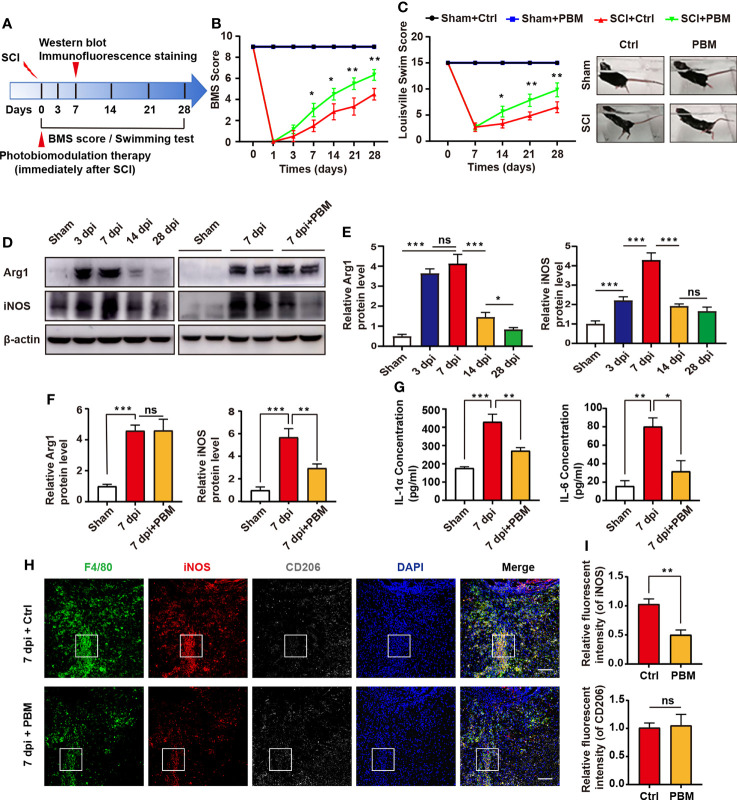
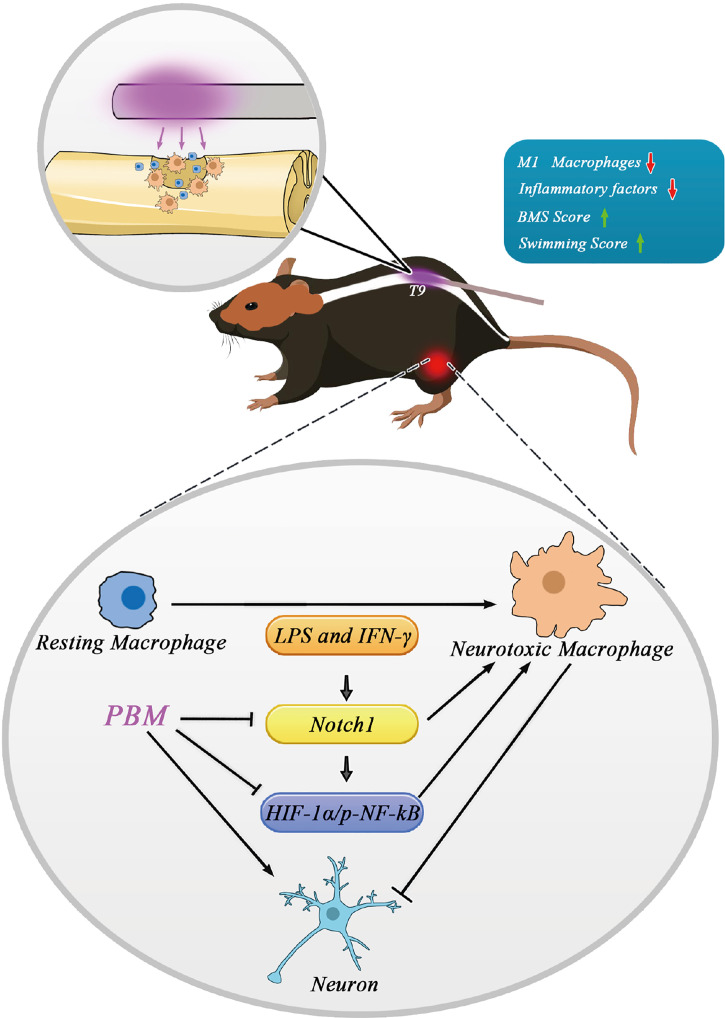
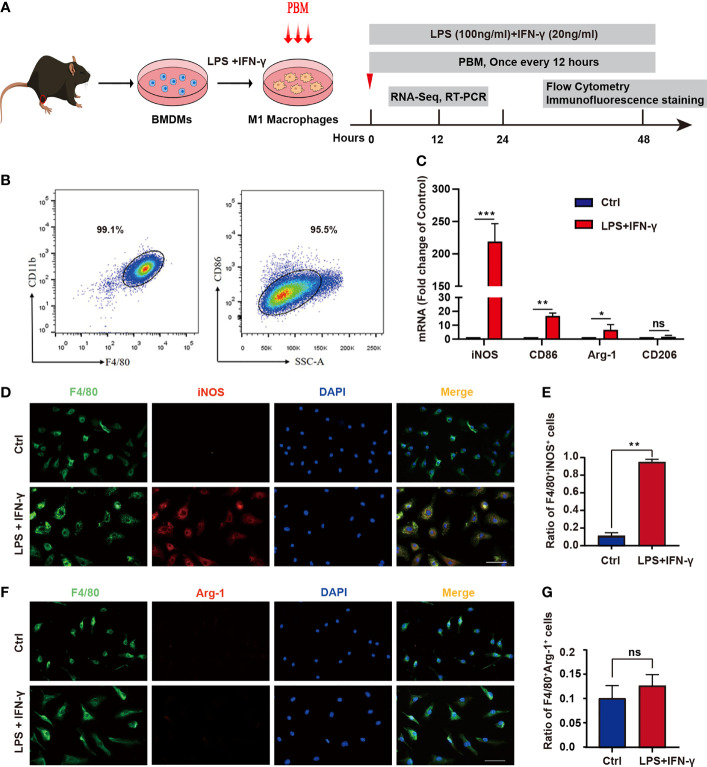
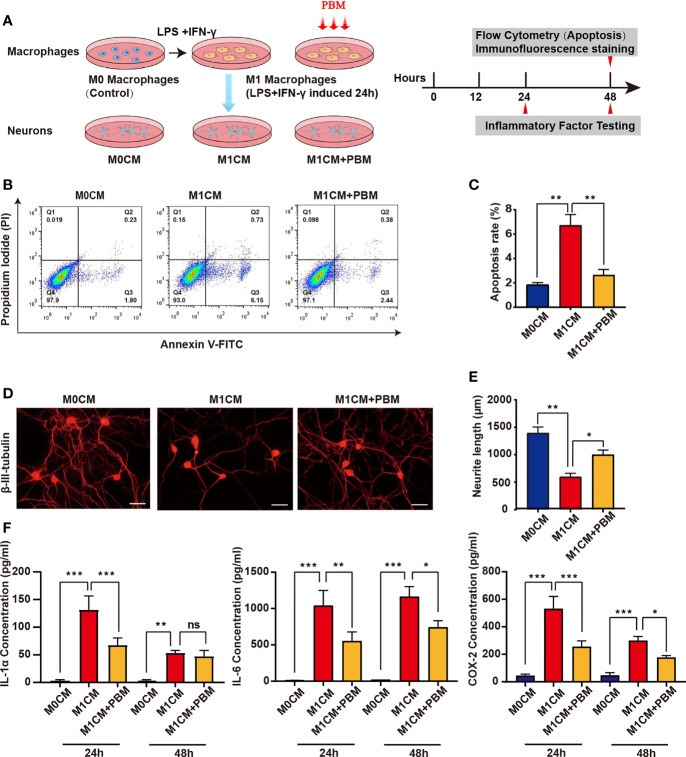
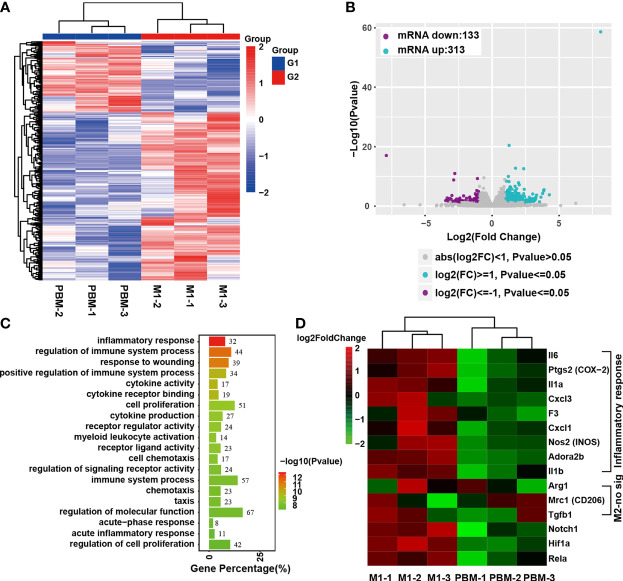
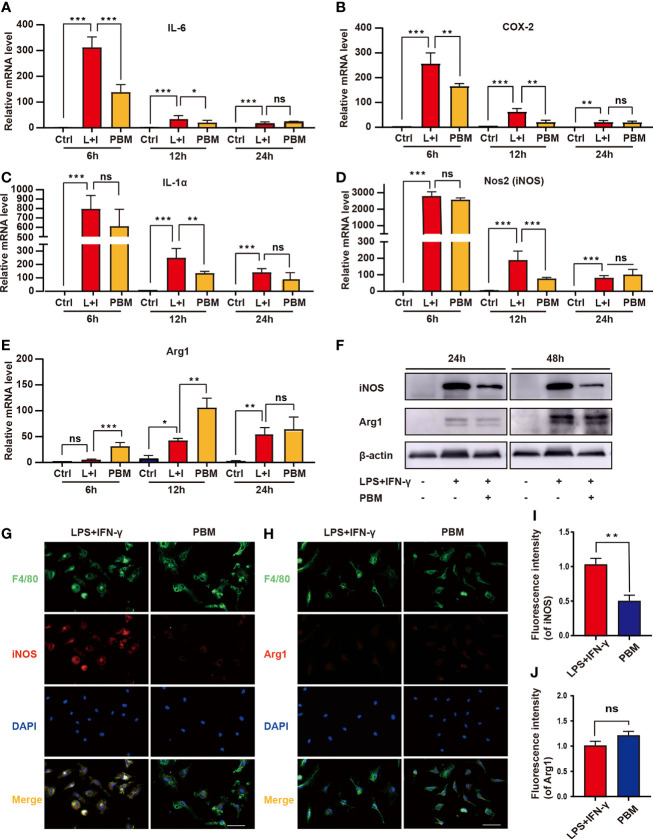
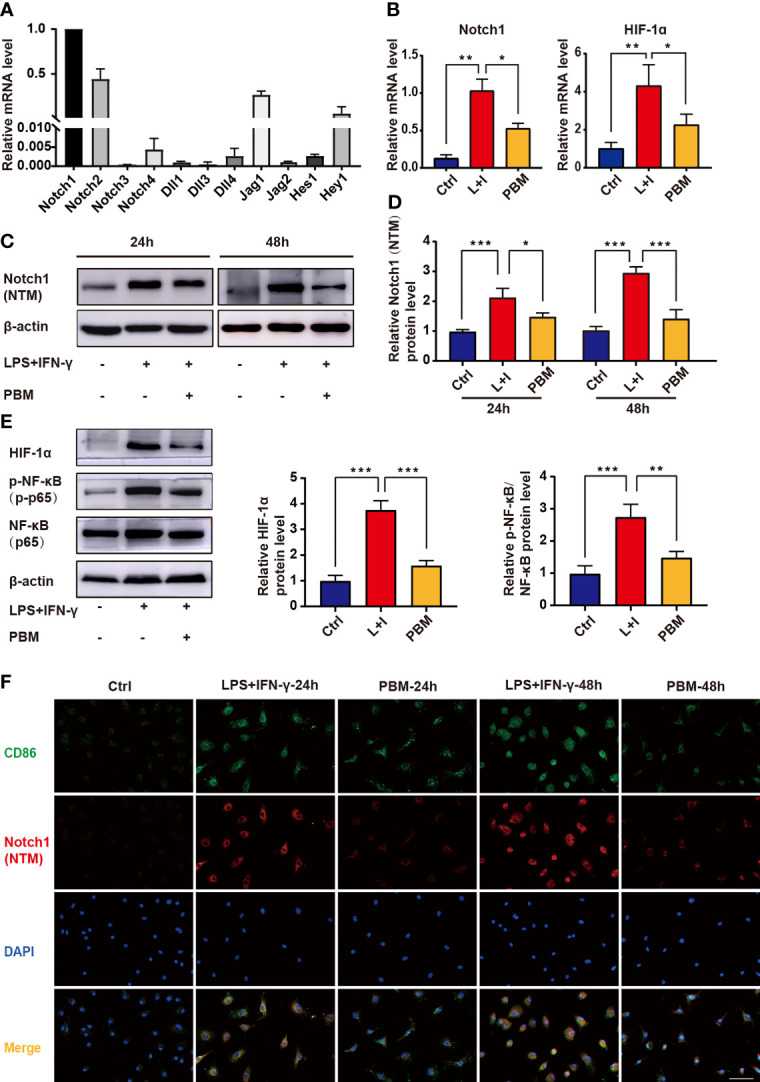
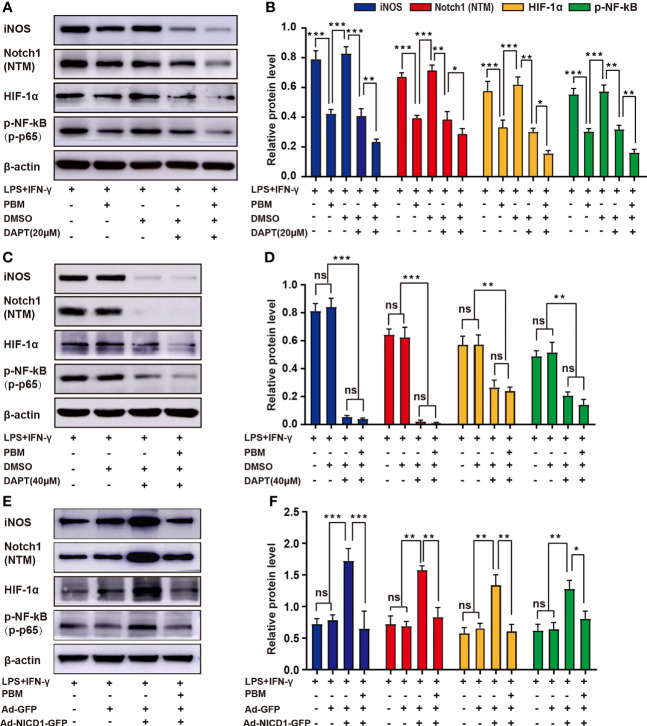
Spinal cord injury (SCI) is a catastrophic disease with a complex pathogenesis that includes inflammation, oxidative stress, and glial scar formation. Macrophages are the main mediators of the inflammatory response and are distributed in the epicentre of the SCI. Macrophages have neurotoxic and neuroprotective phenotypes (also known as classically and alternatively activated macrophages or M1 and M2 macrophages) that are associated with pro- or anti- inflammatory gene expression. Our previous study demonstrated that photobiomodulation (PBM) alters the polarization state of macrophages in the SCI region towards the M2 phenotype and promotes the recovery of motor function in rats with SCI. However, the mechanism by which PBM promotes SCI repair remains largely undefined. This study is based on the replacement of conventional percutaneous irradiation with implantable biofibre optic irradiation. The aim was to further investigate the effects of PBM on SCI in mice under new irradiation patterns and its potential mechanisms of action. PBM was administered to male mice with clamped SCI for four consecutive weeks and significantly promoted the recovery of motor function in mice. Analysis of the macrophage phenotypes in the epicentre of the SCI in mice showed that PBM mainly inhibited the neurotoxic activation of macrophages in the SCI area and reduced the secretion of inflammatory factors such as IL-1α and IL-6; PBM had no effect on M2 macrophages. Immediately afterwards, we constructed models of the inflammatory polarization of macrophages and PBM intervention. We found that PBM attenuated the neurotoxicity of M1 macrophages on VSC 4.1 motor neurons and dorsal root ganglion (DRG) neurons. The effects of PBM on neurotoxic macrophages and the possible mechanisms of action were analysed using RNA sequencing (RNA-seq), which confirmed that the main role of PBM was to modulate the inflammatory response and immune system processes. Analysis of the differentially expressed genes (DEGs) associated with the inflammatory response showed that PBM had the most significant regulatory effects on genes such as interleukin (IL)-1α, IL-6, cyclooxygenase-2 (COX-2), and inducible nitric oxide synthase (iNOS) and had obvious inhibitory effects on inflammation-related Notch1 and hypoxia-inducible factor-1α (HIF-1α) pathway genes. RNA-seq analysis of the effect of PBM on gene expression in resting-state macrophages and M2 macrophages did not show significant differences (data not shown). In conclusion, PBM promoted better motor recovery after SCI in mice by inhibiting the neurotoxic polarization of macrophages and the release of inflammatory mediators by acting on the Notch1-HIF-1α/NF-κB Signalling Pathway.
脊髓损伤(SCI)是一种具有复杂发病机制的灾难性疾病,包括炎症、氧化应激和神经胶质瘢痕形成。巨噬细胞是炎症反应的主要介质,分布在 SCI 的中心部位。巨噬细胞具有神经毒性和神经保护表型(也称为经典和替代激活的巨噬细胞或 M1 和 M2 巨噬细胞),与促炎或抗炎基因表达相关。我们之前的研究表明,光生物调节(PBM)改变了 SCI 区域中巨噬细胞的极化状态,向 M2 表型转化,并促进了 SCI 大鼠运动功能的恢复。然而,PBM 促进 SCI 修复的机制在很大程度上仍未得到明确。本研究基于传统经皮照射的替代,采用可植入生物光纤照射。目的是在新的照射模式下进一步研究 PBM 对 SCI 小鼠的影响及其潜在作用机制。对夹闭 SCI 的雄性小鼠进行连续四周的 PBM 治疗,显著促进了小鼠运动功能的恢复。对 SCI 中心处巨噬细胞表型的分析表明,PBM 主要抑制了 SCI 区域内巨噬细胞的神经毒性激活,并减少了白细胞介素-1α(IL-1α)和白细胞介素-6(IL-6)等炎症因子的分泌;PBM 对 M2 巨噬细胞没有影响。随后,我们构建了巨噬细胞炎症极化模型和 PBM 干预模型。我们发现 PBM 减轻了 M1 巨噬细胞对 VSC 4.1 运动神经元和背根神经节(DRG)神经元的神经毒性。利用 RNA 测序(RNA-seq)分析 PBM 对神经毒性巨噬细胞的作用及其可能的作用机制,证实 PBM 的主要作用是调节炎症反应和免疫系统过程。对与炎症反应相关的差异表达基因(DEGs)的分析表明,PBM 对白细胞介素(IL)-1α、IL-6、环氧化酶-2(COX-2)和诱导型一氧化氮合酶(iNOS)等基因的调控作用最为显著,并对炎症相关 Notch1 和缺氧诱导因子-1α(HIF-1α)通路基因有明显的抑制作用。PBM 对静息状态巨噬细胞和 M2 巨噬细胞基因表达影响的 RNA-seq 分析未显示出显著差异(数据未显示)。总之,PBM 通过作用于 Notch1-HIF-1α/NF-κB 信号通路,抑制巨噬细胞的神经毒性极化和炎症介质的释放,促进 SCI 后小鼠更好的运动功能恢复。