Liu Jiao, Li Tao, Zhang Hao, Zhao Wenwen, Qu Lijun, Chen Shaojuan, Wu Shaohua
College of Textiles & Clothing, Qingdao University, Qingdao, China.
Qingdao University Medical College, Qingdao University, Qingdao, China.
Mater Today Bio. 2022 Mar 24;14:100243. doi: 10.1016/j.mtbio.2022.100243. eCollection 2022 Mar.
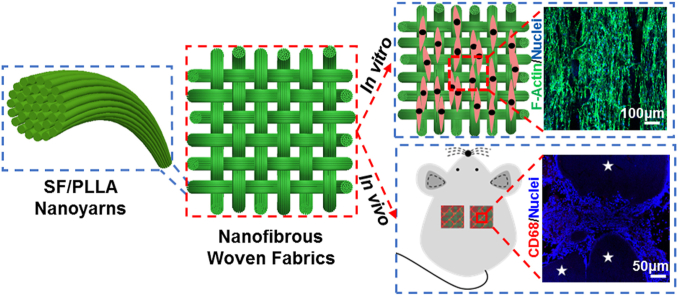
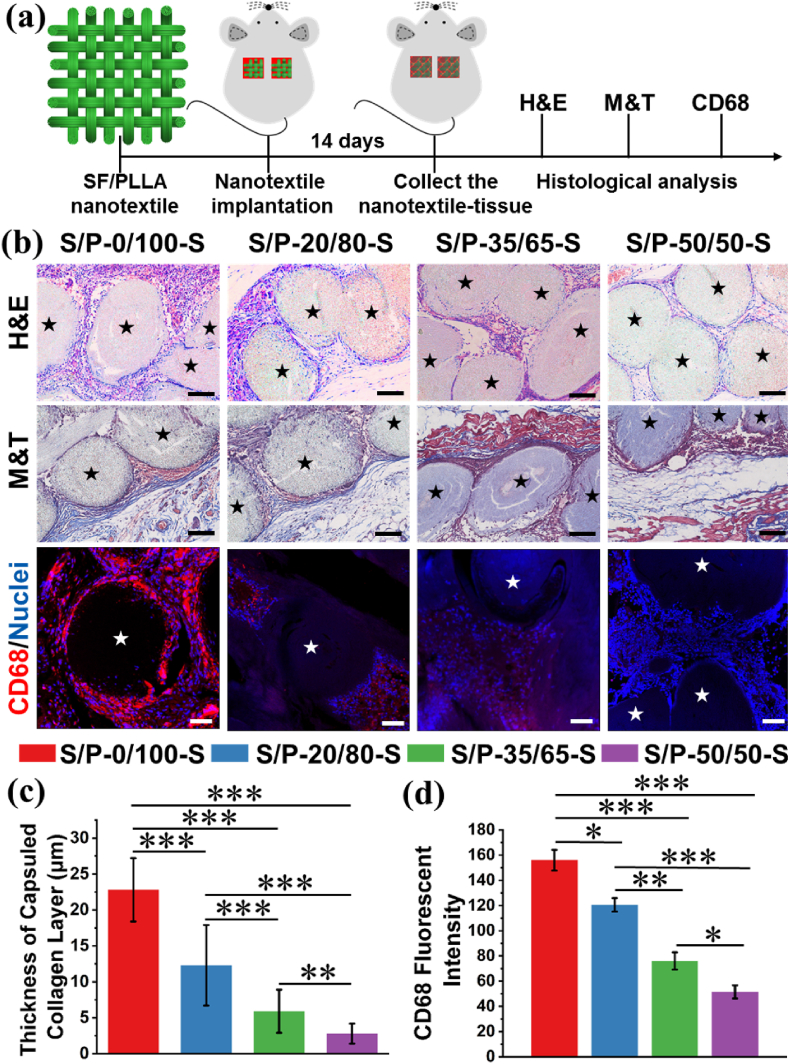
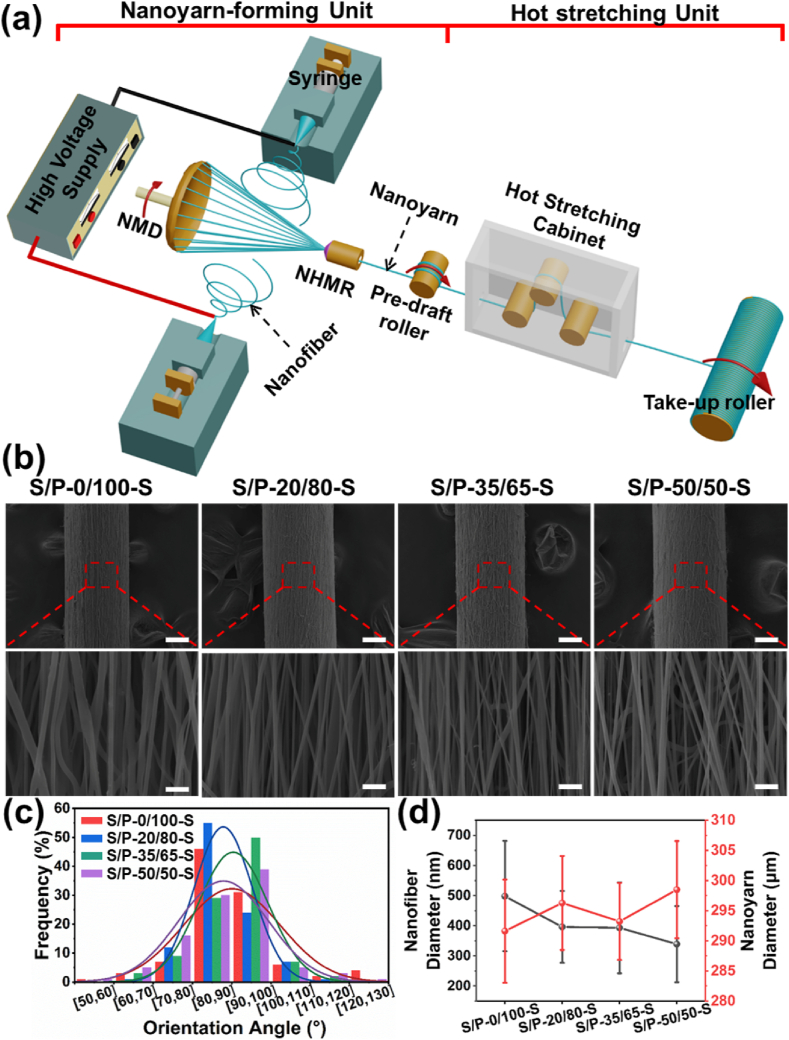
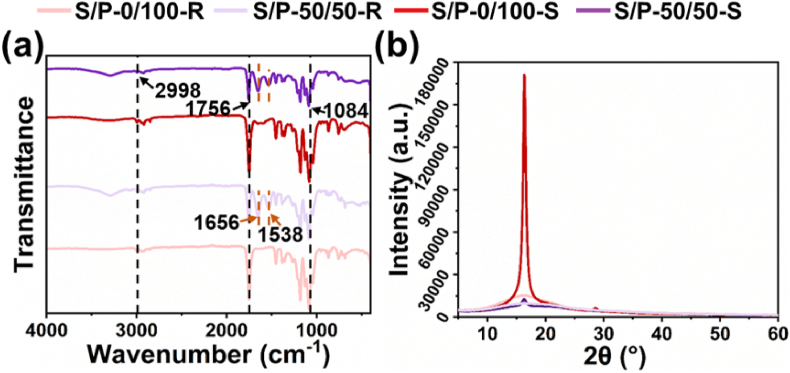
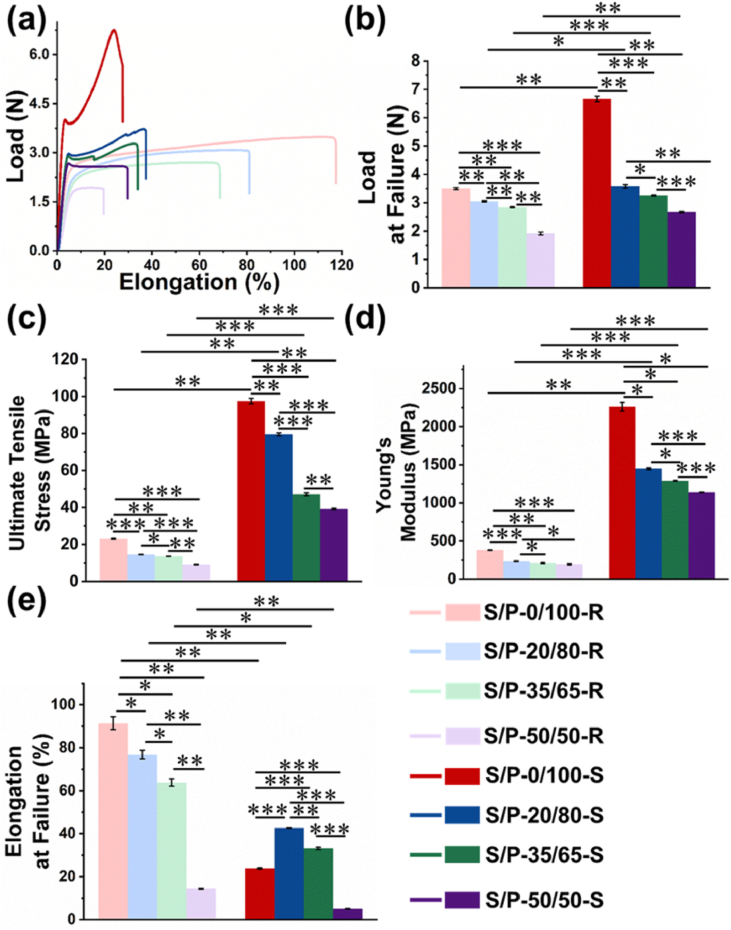
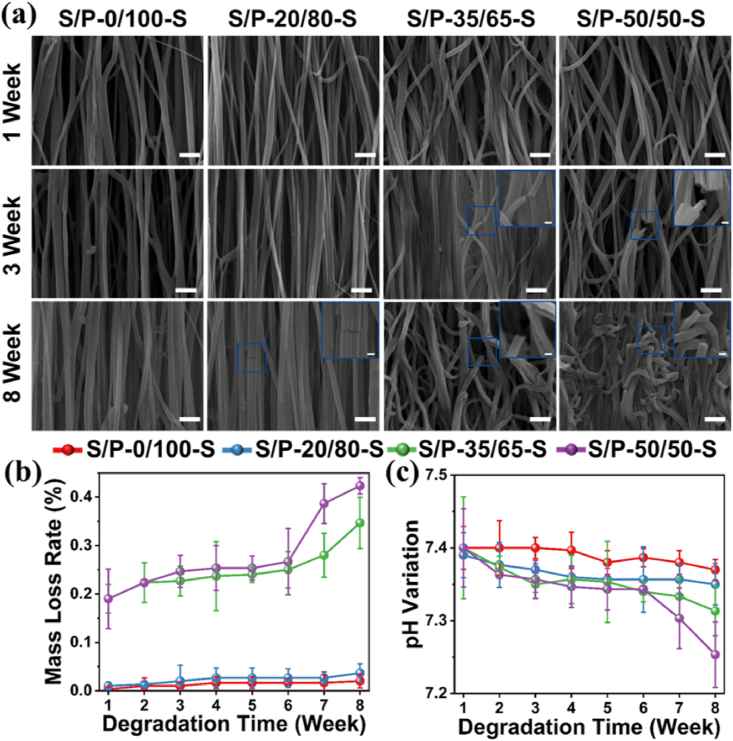
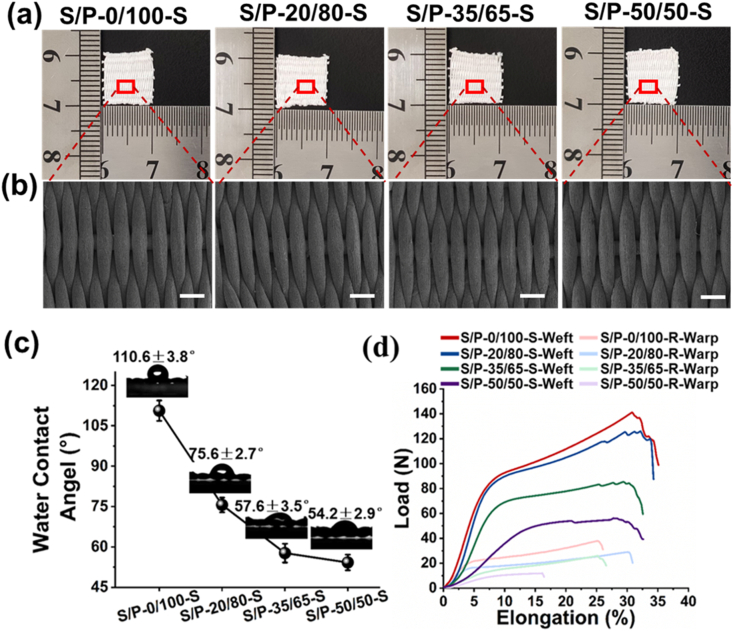
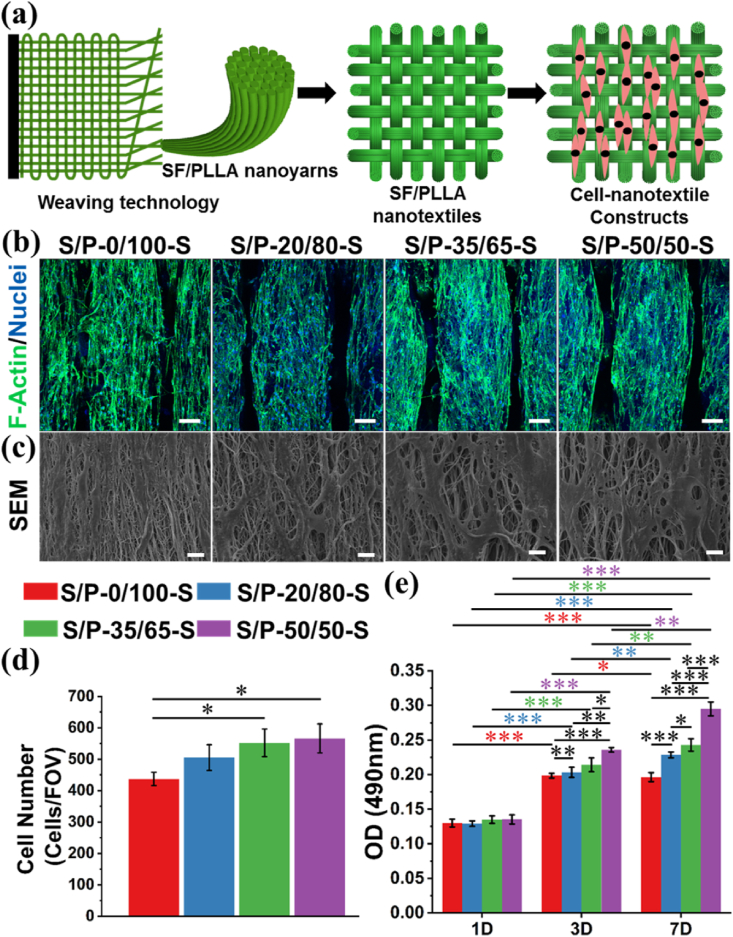
Bio-textiles have aroused attractive attentions in tissue engineering and regenerative medicine, and developing robust, bio-absorbable, and extracellular matrix (ECM) fibril-mimicking nanofibrous textiles is urgently required for the renewal of existing microfibrous textile-based scaffolds and grafts. In this study, an integrated electrospinning system consisting of one nanoyarn-forming unit and one hot stretching unit is reported to fabricate silk fibroin (SF)/poly (L-lactic-acid) (PLLA) nanofibrous yarns (nanoyarns). The hot stretching process is demonstrated to significantly improve the fiber alignment, crystallinity, and mechanical properties of SF/PLLA nanoyarns, compared to the unstretched controls. For instance, the fiber alignment degree of hot stretched 50/50 SF/PLLA nanoyarn has increased by 25%, and the failure strength has increased by 246.5%, compared with the corresponding un-stretched control. Increasing the SF/PLLA mass ratio is found to significantly decrease the crystallinity and mechanical properties, but notably increase the degradation rate and surface hydrophilicity of SF/PLLA nanoyarns. Different SF/PLLA nanoyarns are further meticulously interwoven with warp and weft directions to obtain several nanofibrous woven textiles. The results from cell characterization and subcutaneous implantation show that increasing the SF/PLLA mass ratio significantly improves the biological properties and effectively reduces the inflammatory response of nanoyarn-constructed textiles. Overall, this study demonstrates that our SF/PLLA nanoyarns with controllable physical, mechanical and biological performances are fantastic candidates for the designing and development of advanced nanoarchitectured textile tissue scaffolds.
生物纺织材料在组织工程和再生医学领域引起了广泛关注,开发坚固、可生物吸收且能模拟细胞外基质(ECM)原纤维的纳米纤维织物,对于更新现有的基于微纤维织物的支架和移植物来说迫在眉睫。在本研究中,报道了一种由一个纳米纱线成型单元和一个热拉伸单元组成的集成静电纺丝系统,用于制备丝素蛋白(SF)/聚(L-乳酸)(PLLA)纳米纤维纱线(纳米纱)。与未拉伸的对照相比,热拉伸过程显著改善了SF/PLLA纳米纱的纤维排列、结晶度和机械性能。例如,热拉伸的50/50 SF/PLLA纳米纱的纤维排列度提高了25%,与相应的未拉伸对照相比,断裂强度提高了246.5%。发现增加SF/PLLA质量比会显著降低结晶度和机械性能,但会显著提高SF/PLLA纳米纱的降解速率和表面亲水性。将不同的SF/PLLA纳米纱进一步细致地以经纬方向交织,以获得几种纳米纤维机织织物。细胞表征和皮下植入的结果表明,增加SF/PLLA质量比显著改善了生物学性能,并有效降低了纳米纱构建的织物的炎症反应。总体而言,本研究表明,我们制备的具有可控物理、机械和生物学性能的SF/PLLA纳米纱是设计和开发先进纳米结构纺织组织支架的理想候选材料。