Xu Cancan, Hong Yi
Department of Bioengineering, University of Texas at Arlington, Arlington, TX, 76019, USA.
Bioact Mater. 2021 Dec 31;15:250-271. doi: 10.1016/j.bioactmat.2021.11.029. eCollection 2022 Sep.
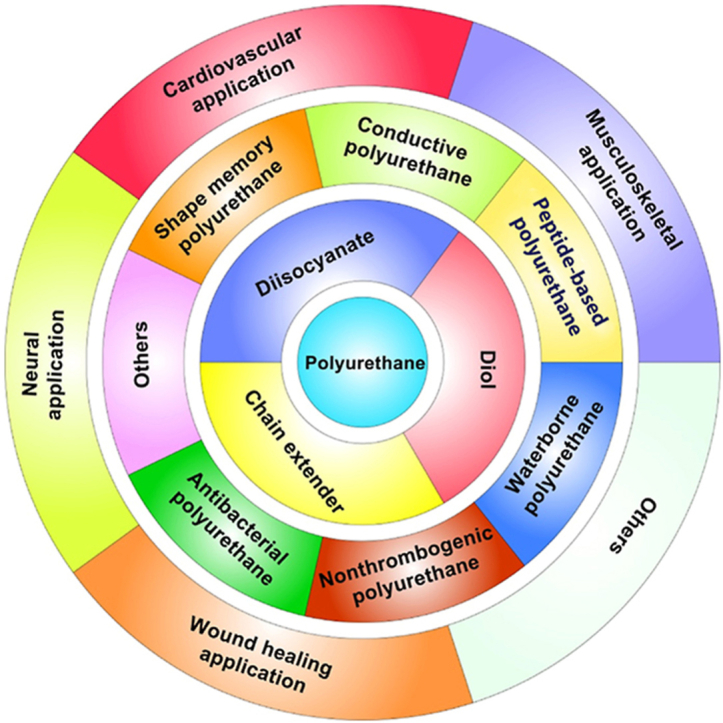
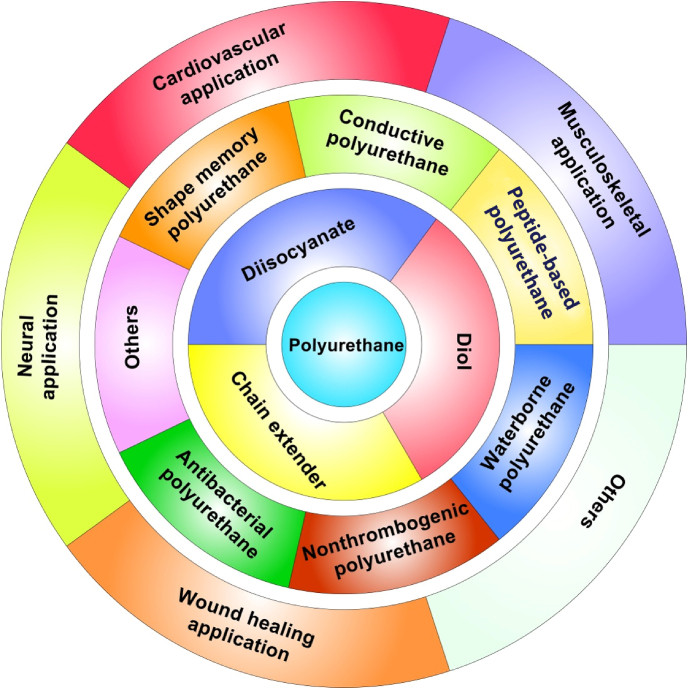
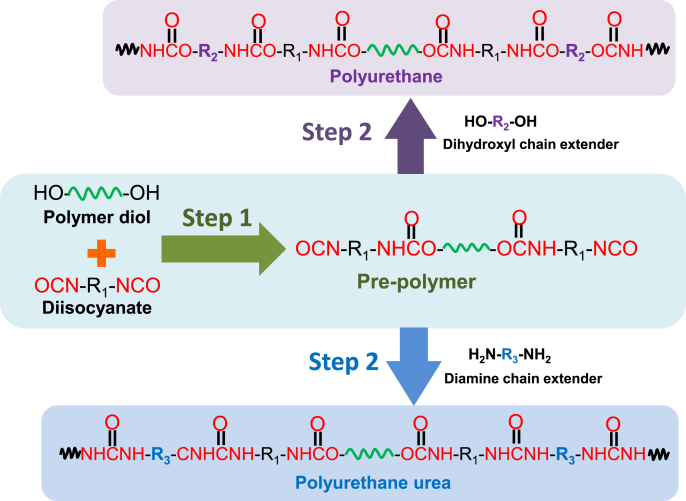
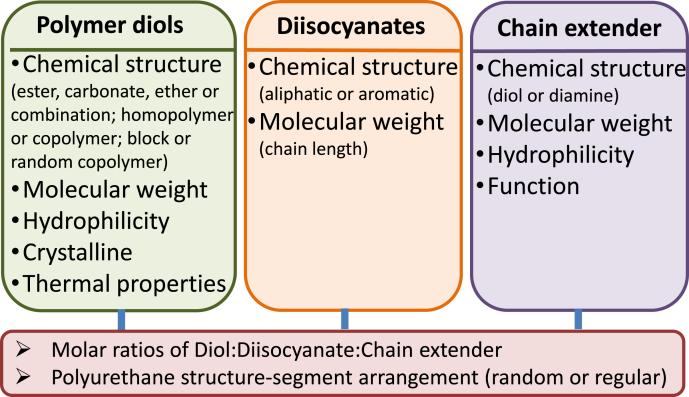
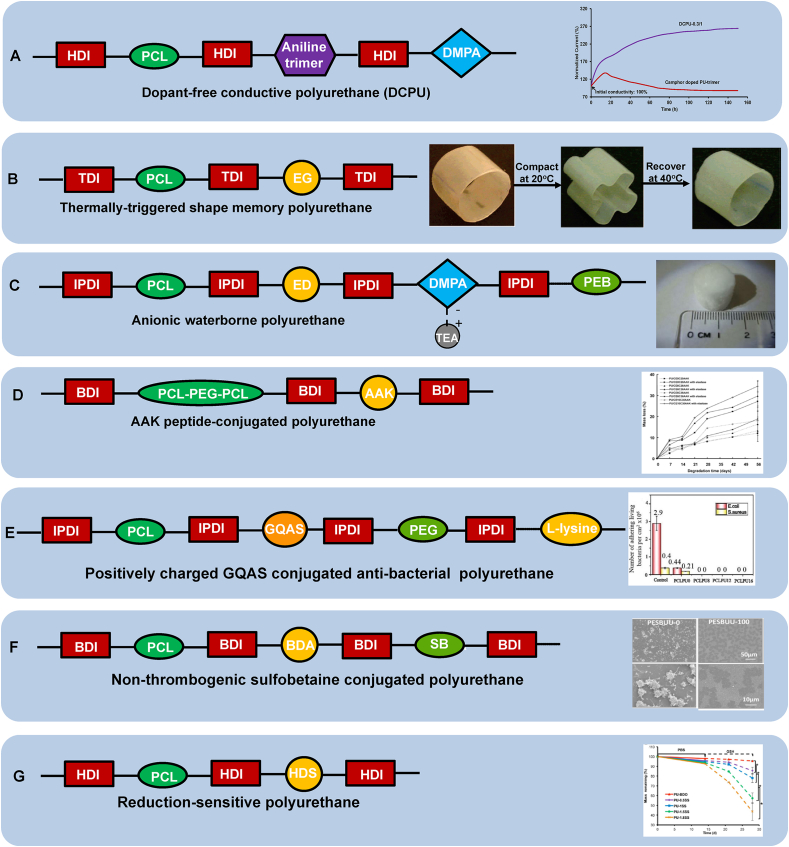
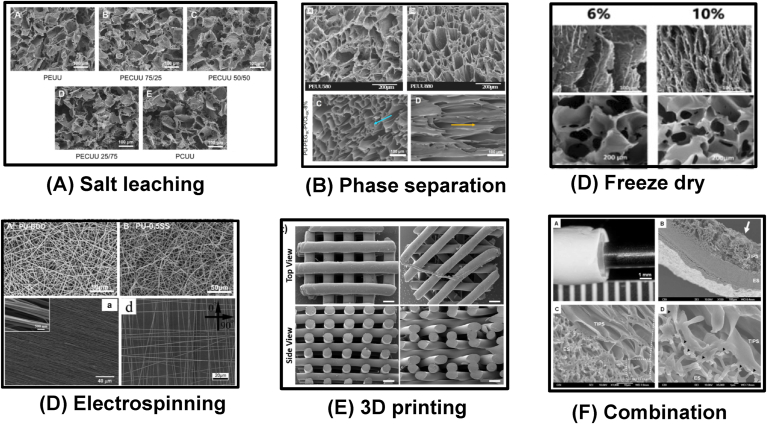
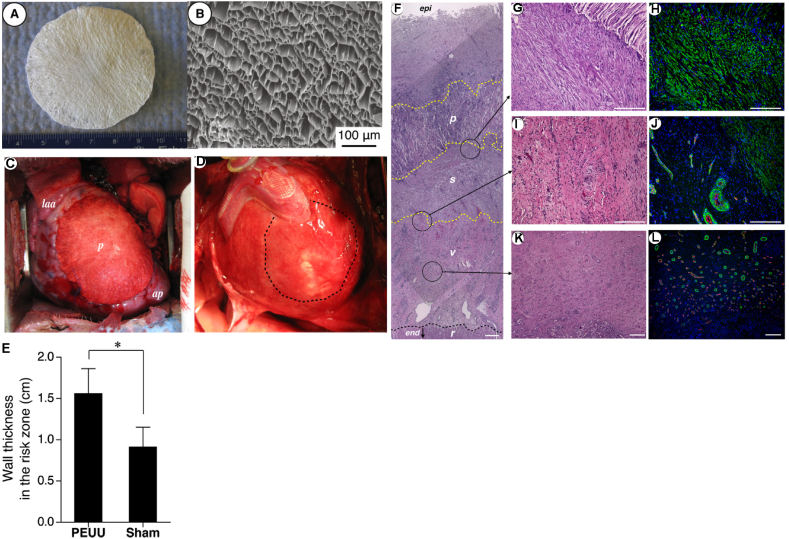
As a type of elastomeric polymers, non-degradable polyurethanes (PUs) have a long history of being used in clinics, whereas biodegradable PUs have been developed in recent decades, primarily for tissue repair and regeneration. Biodegradable thermoplastic (linear) PUs are soft and elastic polymeric biomaterials with high mechanical strength, which mimics the mechanical properties of soft and elastic tissues. Therefore, biodegradable thermoplastic polyurethanes are promising scaffolding materials for soft and elastic tissue repair and regeneration. Generally, PUs are synthesized by linking three types of changeable blocks: diisocyanates, diols, and chain extenders. Alternating the combination of these three blocks can finely tailor the physio-chemical properties and generate new functional PUs. These PUs have excellent processing flexibilities and can be fabricated into three-dimensional (3D) constructs using conventional and/or advanced technologies, which is a great advantage compared with cross-linked thermoset elastomers. Additionally, they can be combined with biomolecules to incorporate desired bioactivities to broaden their biomedical applications. In this review, we comprehensively summarized the synthesis, structures, and properties of biodegradable thermoplastic PUs, and introduced their multiple applications in tissue repair and regeneration. A whole picture of their design and applications along with discussions and perspectives of future directions would provide theoretical and technical supports to inspire new PU development and novel applications.
作为一种弹性体聚合物,不可降解聚氨酯(PU)在临床应用已有很长历史,而可生物降解聚氨酯是近几十年来开发的,主要用于组织修复和再生。可生物降解的热塑性(线性)聚氨酯是具有高机械强度的柔软且有弹性的聚合物生物材料,它模拟了柔软且有弹性组织的机械性能。因此,可生物降解的热塑性聚氨酯是用于柔软和弹性组织修复与再生的有前景的支架材料。一般来说,聚氨酯是通过连接三种可变嵌段合成的:二异氰酸酯、二醇和扩链剂。改变这三种嵌段的组合可以精细地调整其物理化学性质并生成新的功能性聚氨酯。这些聚氨酯具有出色加工灵活性,并且可以使用传统和/或先进技术制成三维(3D)结构,与交联热固性弹性体相比这是一个很大的优势。此外,它们可以与生物分子结合以引入所需的生物活性,从而拓宽其生物医学应用。在本综述中,我们全面总结了可生物降解热塑性聚氨酯的合成、结构和性质,并介绍了它们在组织修复和再生中的多种应用。对其设计和应用的全貌以及对未来方向的讨论和展望将提供理论和技术支持,以激发新型聚氨酯的开发和新应用。