Wu Yuhan, Zhao Sheng, Yang Xiaohong, Yang Chunxue, Shi Zhen, Liu Qin, Wang Yubo, Qin Meilan, Zhang Li
Department of Ultrasound, Maternal and Child Health Hospital of Hubei Province, Wuhan 430070, China.
Department of Ultrasound, Caidian District People's Hospital of Wuhan, Hubei Province 430100, China.
Comput Math Methods Med. 2022 Mar 27;2022:1817341. doi: 10.1155/2022/1817341. eCollection 2022.
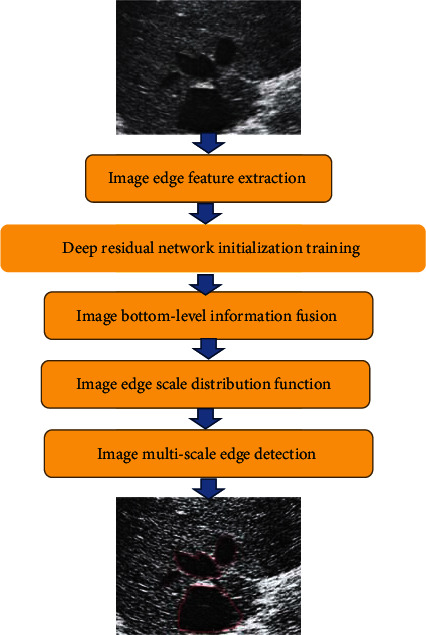
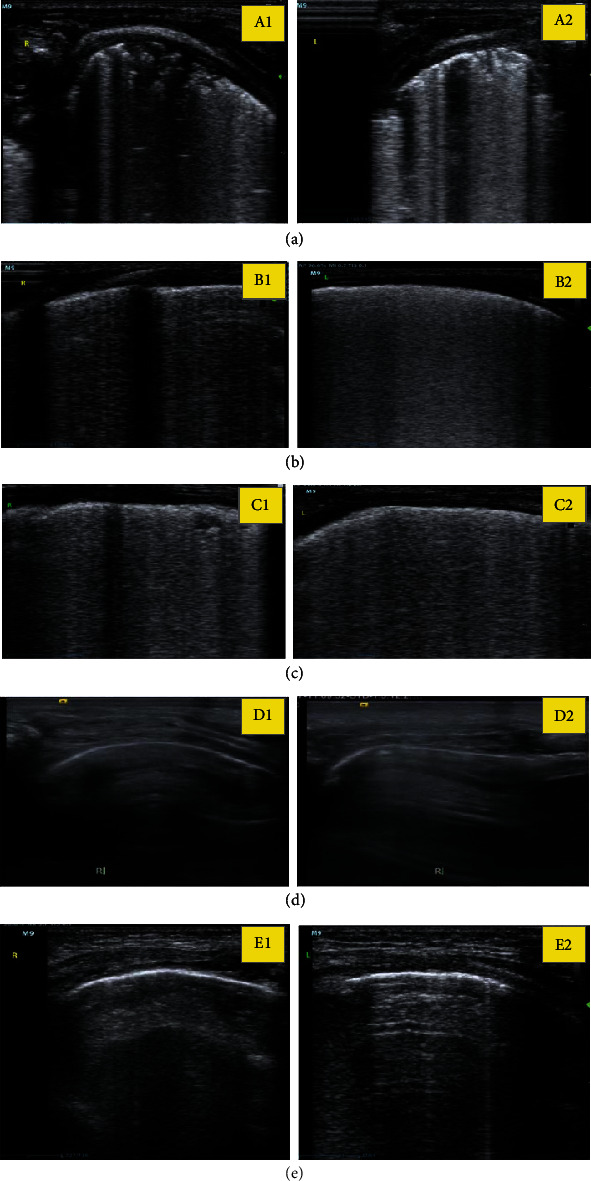
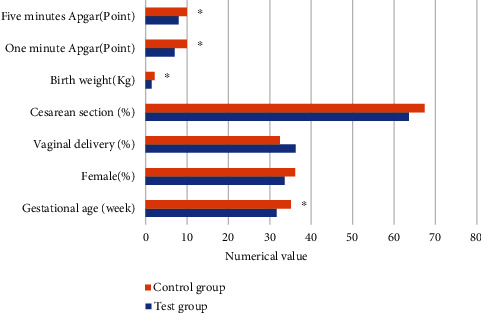
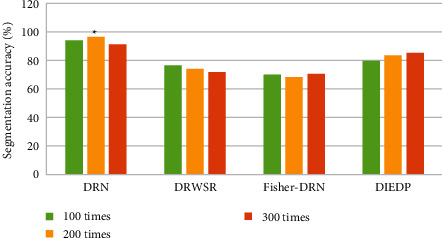
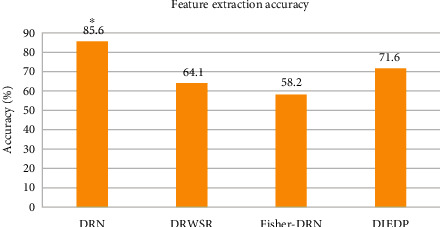
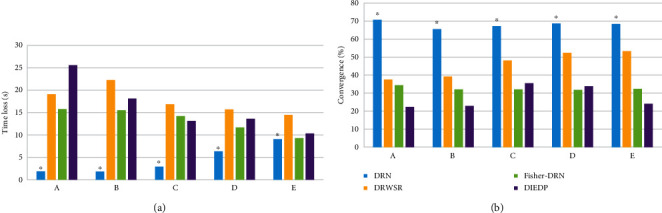
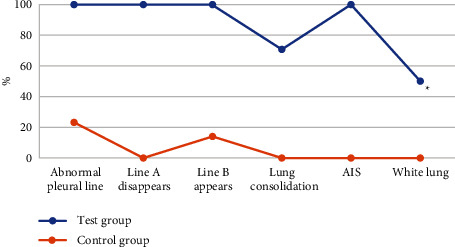
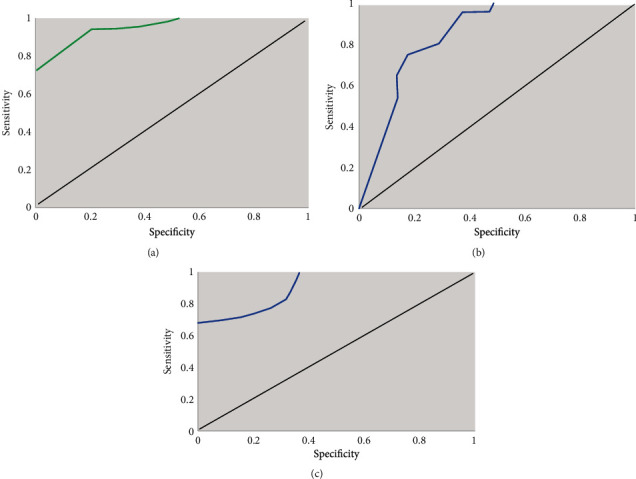
In order to analyze the application of ultrasonic lung imaging diagnosis model based on artificial intelligence algorithm in neonatal respiratory distress syndrome (NRDS), an ultrasonic lung imaging diagnosis model based on a deep residual network (DRN) was proposed. In this study, 90 premature infants in the hospital were selected as the research object and divided into the experimental group (45 cases) and control group (45 cases) according to whether or not they have NRDS. DRN was compared with the deep residual network (DRWSR) based on wavelet domain, deep residual network detection with normalization framework (Fisher-DRN), and distorted image edge detection preprocessor (DIEDP). Then, it was applied to the diagnosis of NRDS. The clinical data and ultrasound imaging results of infants with NRDS and ordinary premature infants were compared. The results showed that the gestational age, birth weight, and Apgar scores of the NRDS group were remarkably lower than those of ordinary children ( < 0.05). In addition, the segmentation accuracy, image feature extraction accuracy, algorithm convergence, and time loss of the DRN algorithm were better than the other three algorithms, and the differences were considerable ( < 0.05). In children with NRDS, the positive rate of abnormal pleural line, disappearance of A line, appearance of B line, and alveolar interstitial syndrome (AIS) test in the results of lung ultrasound examination in children with NRDS were all 100%. The lung consolidation became 70.8%, and the white lung-like change was 50.1%, both of which were higher than those of ordinary preterm infants, and the differences were considerable ( < 0.05). The diagnostic model of this study predicted that the AUC area of grade 1-2, grade 2-3, and grade 3-4 NRDS were 0.962, 0.881, and 0.902, respectively. To sum up, the ultrasound lung imaging diagnosis model based on the DRN algorithm had good diagnostic performance in children with NRDS and can provide useful information for clinical NRDS diagnosis and treatment.
为分析基于人工智能算法的超声肺成像诊断模型在新生儿呼吸窘迫综合征(NRDS)中的应用,提出了一种基于深度残差网络(DRN)的超声肺成像诊断模型。本研究选取医院90例早产儿作为研究对象,根据是否患有NRDS分为实验组(45例)和对照组(45例)。将DRN与基于小波域的深度残差网络(DRWSR)、带归一化框架的深度残差网络检测(Fisher-DRN)以及失真图像边缘检测预处理器(DIEDP)进行比较。然后,将其应用于NRDS的诊断。比较了NRDS患儿和普通早产儿的临床资料及超声成像结果。结果显示,NRDS组的胎龄、出生体重和阿氏评分显著低于普通儿童(<0.05)。此外,DRN算法的分割准确率、图像特征提取准确率、算法收敛性和时间损耗均优于其他三种算法,差异具有统计学意义(<0.05)。在NRDS患儿中,NRDS患儿肺部超声检查结果中异常胸膜线阳性率、A线消失、B线出现及肺泡间质综合征(AIS)检测均为100%。肺实变率为70.8%,白肺样改变率为50.1%,均高于普通早产儿,差异具有统计学意义(<0.05)。本研究的诊断模型预测1-2级、2-3级和3-4级NRDS的AUC面积分别为0.962、0.881和0.902。综上所述,基于DRN算法的超声肺成像诊断模型在NRDS患儿中具有良好的诊断性能,可为临床NRDS的诊断和治疗提供有用信息。