Chen Huiling, Zhang Yanchao, Li Xing, Zhang Wei, He Haoqi, Du Bohai, Li Tianlan, Tang Huanwen, Liu Yungang, Li Li, Shi Ming
Dongguan Key Laboratory of Environmental Medicine, School of Public Health, Guangdong Medical University, Dongguan, China.
Department of Toxicology, School of Public Health, Southern Medical University, Guangzhou, China.
Front Pharmacol. 2022 Mar 21;13:846562. doi: 10.3389/fphar.2022.846562. eCollection 2022.
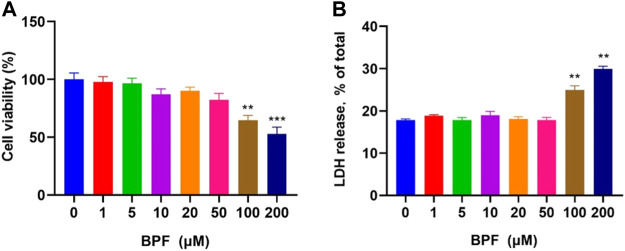
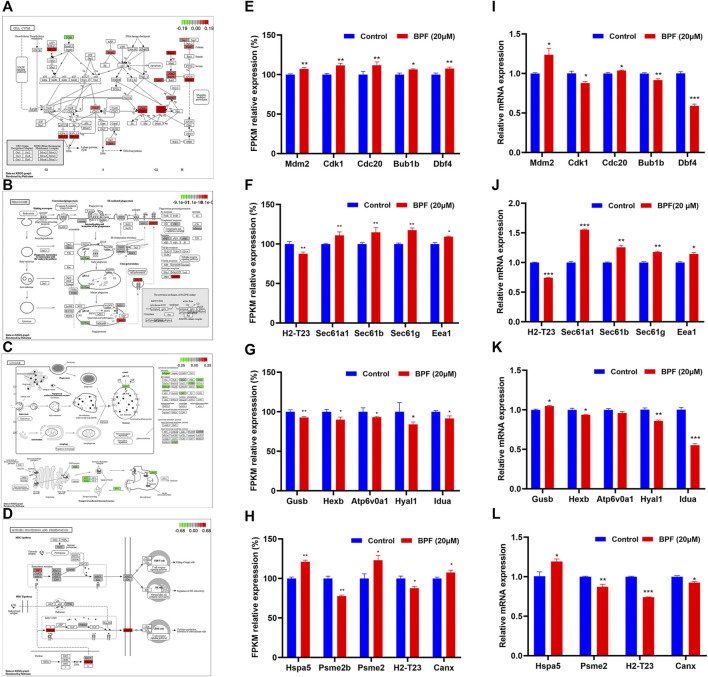
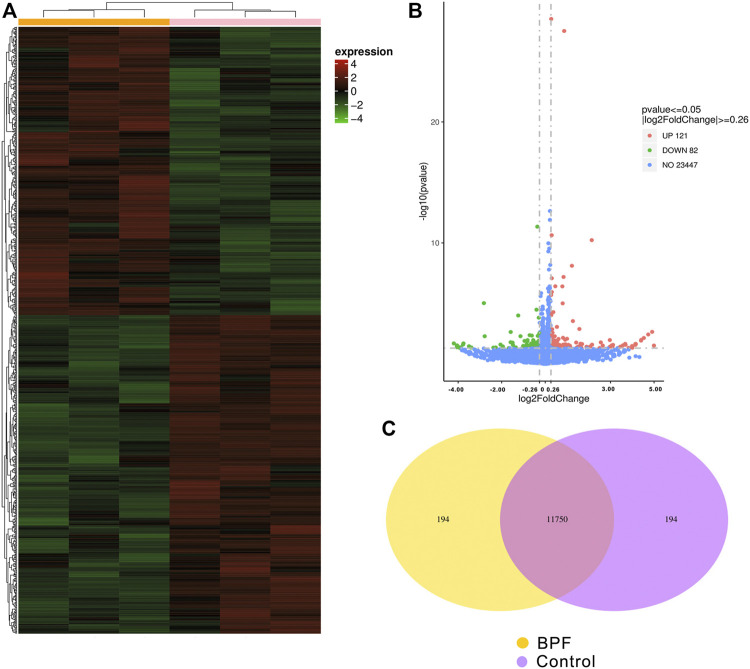
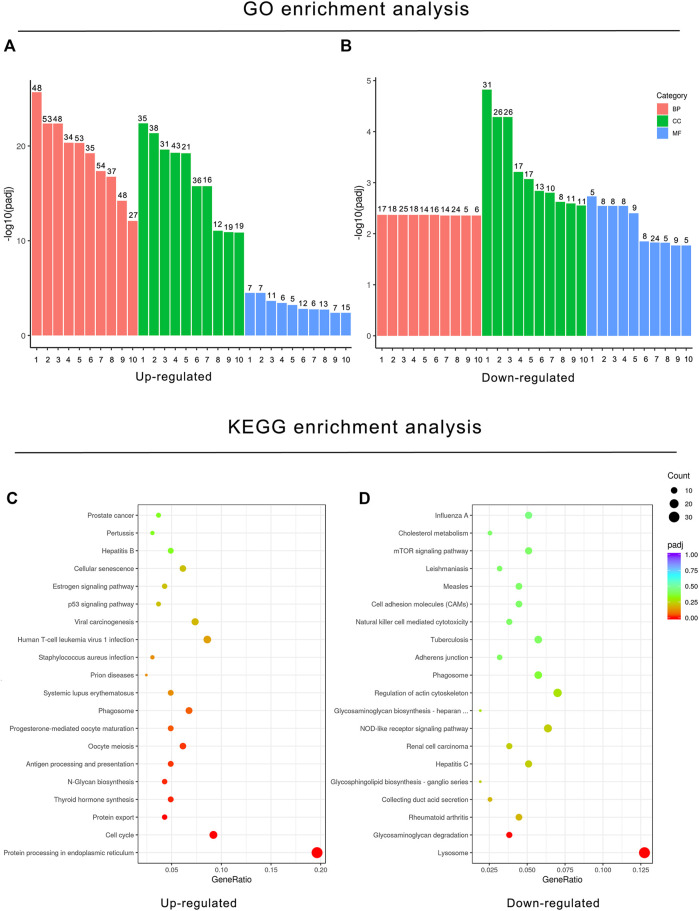
As a viable substitute for bisphenol A (BPA), BPF has been widely used in the plastic industry and daily consumer goods, resulting in its detection in humans at a comparable concentration. Evidence reveals that BPF and BPA may have similar toxic effects due to their similar structures. However, there is less information about BPF and its latent implications on the immune system, which is associated with many disorders. In this study, the toxicity of BPF on RAW264.7 macrophages was explored. The cells were treated with different concentrations of BPF (5, 10, 20, 50, 100, and 200 μM), the cell viability and apoptosis were detected, the gene expression profile was analyzed by whole-transcriptome sequencing, and the mRNA levels were detected by qRT-PCR. The results showed a high concentration of BPF could significantly reduce the survival rate of RAW264.7 macrophages. Although the medium concentration (20-50 μM) of BPF seemed to have no impact on the cell activity of macrophages, it caused the occurrence of apoptosis. The results of differential transcription showed that compared with the control group, 121 genes were upregulated and 82 genes were downregulated in the BPF group. The significantly changed gene functions were mainly concentrated in cell cycle, phagosome, lysosome, and antigen processing and presentation. These findings provide valuable information for correctly understanding the immunotoxicity risk of BPF and may help to improve the hazard identification of bisphenol compounds.
作为双酚A(BPA)的一种可行替代品,双酚F(BPF)已广泛应用于塑料工业和日常消费品中,导致人体中可检测到浓度相当的BPF。有证据表明,BPF和BPA由于结构相似,可能具有相似的毒性作用。然而,关于BPF及其对免疫系统潜在影响的信息较少,而免疫系统与许多疾病有关。在本研究中,探讨了BPF对RAW264.7巨噬细胞的毒性。用不同浓度的BPF(5、10、20、50、100和200μM)处理细胞,检测细胞活力和凋亡情况,通过全转录组测序分析基因表达谱,并通过qRT-PCR检测mRNA水平。结果表明,高浓度的BPF可显著降低RAW264.7巨噬细胞的存活率。虽然中等浓度(20 - 50μM)的BPF似乎对巨噬细胞的细胞活性没有影响,但它会导致细胞凋亡的发生。差异转录结果显示,与对照组相比,BPF组有121个基因上调,82个基因下调。显著变化基因的功能主要集中在细胞周期、吞噬体、溶酶体以及抗原加工和呈递方面。这些发现为正确理解BPF的免疫毒性风险提供了有价值的信息,并可能有助于改进双酚类化合物的危害识别。