Fouyet Sophie, Olivier Elodie, Leproux Pascale, Dutot Mélody, Rat Patrice
UMR CNRS 8038, Laboratoire de Chimie-Toxicologie Analytique et Cellulaire, Faculté de Pharmacie de Paris, Université de Paris, 75006 Paris, France.
Recherche & Développement, Yslab, 29000 Quimper, France.
Life (Basel). 2021 Apr 3;11(4):314. doi: 10.3390/life11040314.
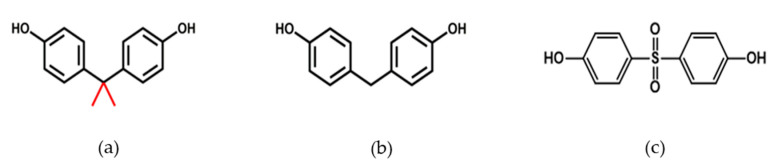
Bisphenol A (BPA), a reprotoxic and endocrine-disrupting chemical, has been substituted by alternative bisphenols such as bisphenol F (BPF) and bisphenol S (BPS) in the plastic industry. Despite their detection in placenta and amniotic fluids, the effects of bisphenols on human placental cells have not been characterized. Our objective was to explore in vitro and to compare the toxicity of BPA to its substitutes BPF and BPS to highlight their potential risks for placenta and then pregnancy.
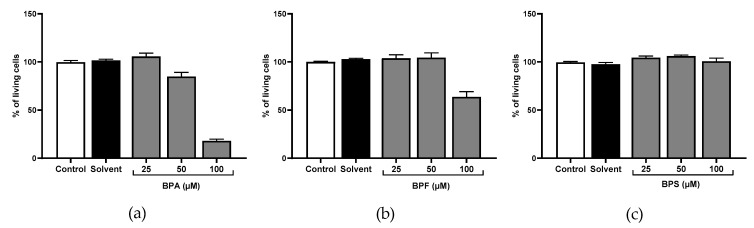
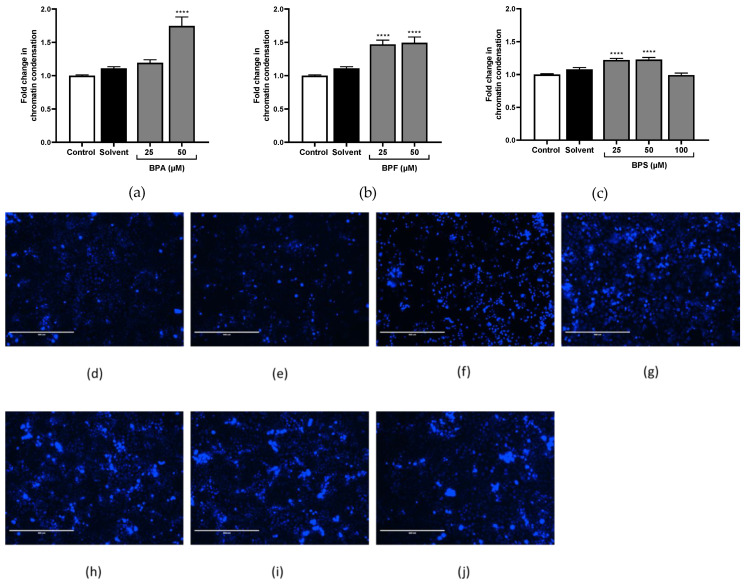
Human placenta cells (JEG-Tox cells) were incubated with BPA, BPF, and BPS for 72 h. Cell viability, cell death, and degenerative P2X7 receptor and caspases activation, and chromatin condensation were assessed using microplate cytometry and fluorescence microscopy.
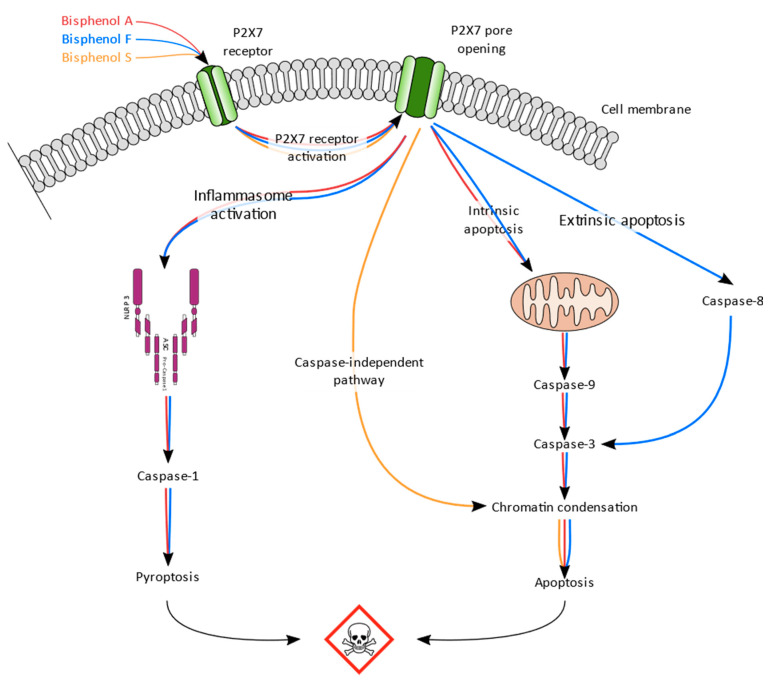
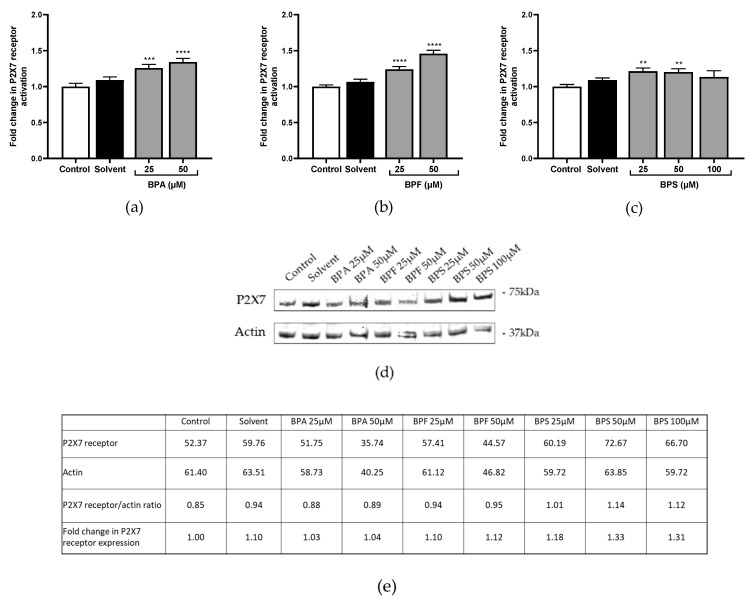
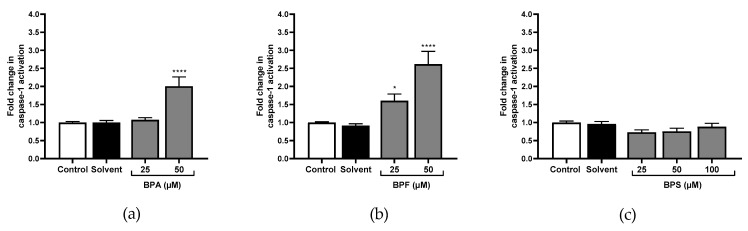
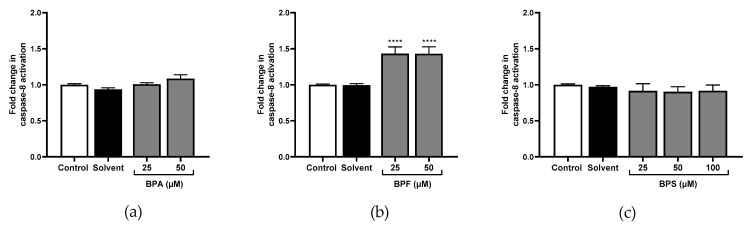
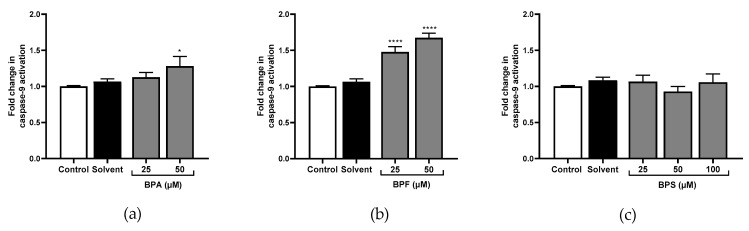
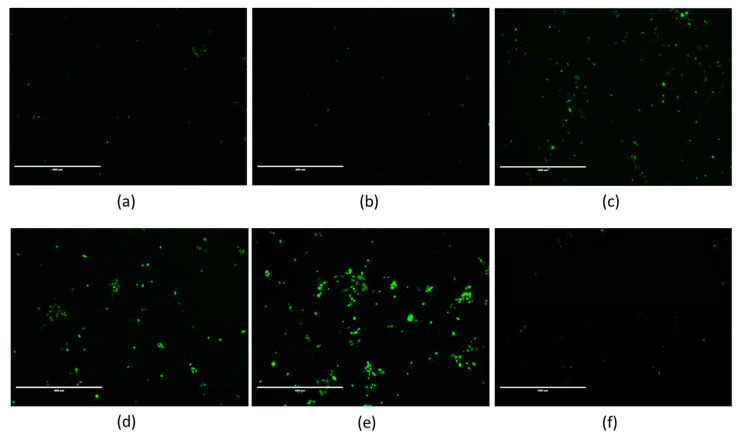
Incubation with BPA, BPF, or BPS was associated with P2X7 receptor activation and chromatin condensation. BPA and BPF induced more caspase-1, caspase-9, and caspase-3 activation than BPS. Only BPF enhanced caspase-8 activity.
BPA, BPF, and BPS are all toxic to human placental cells, with the P2X7 receptor being a common key element. BPA substitution by BPF and BPS does not appear to be a safe alternative for human health, particularly for pregnant women and their fetuses.
双酚A(BPA)是一种具有生殖毒性和内分泌干扰作用的化学物质,在塑料工业中已被双酚F(BPF)和双酚S(BPS)等替代双酚所取代。尽管在胎盘和羊水中检测到了这些物质,但双酚对人胎盘细胞的影响尚未得到明确描述。我们的目的是在体外探索并比较BPA与其替代品BPF和BPS的毒性,以突出它们对胎盘以及随后对妊娠的潜在风险。
将人胎盘细胞(JEG - Tox细胞)与BPA、BPF和BPS孵育72小时。使用微孔板细胞计数法和荧光显微镜评估细胞活力、细胞死亡、P2X7受体和半胱天冬酶的激活以及染色质浓缩情况。
与BPA、BPF或BPS孵育均与P2X7受体激活和染色质浓缩有关。BPA和BPF诱导的半胱天冬酶 - 1、半胱天冬酶 - 9和半胱天冬酶 - 3激活比BPS更多。只有BPF增强了半胱天冬酶 - 8的活性。
BPA、BPF和BPS对人胎盘细胞均有毒性,P2X7受体是一个共同的关键因素。用BPF和BPS替代BPA对人类健康,尤其是对孕妇及其胎儿而言,似乎并非安全的选择。