Department of Infectious Disease, Faculty of Medicine, Imperial College London, London, UK.
Department of Infectious Disease, Faculty of Medicine, Imperial College London, London, UK.
Vaccine. 2022 May 3;40(20):2848-2855. doi: 10.1016/j.vaccine.2022.03.064. Epub 2022 Apr 1.
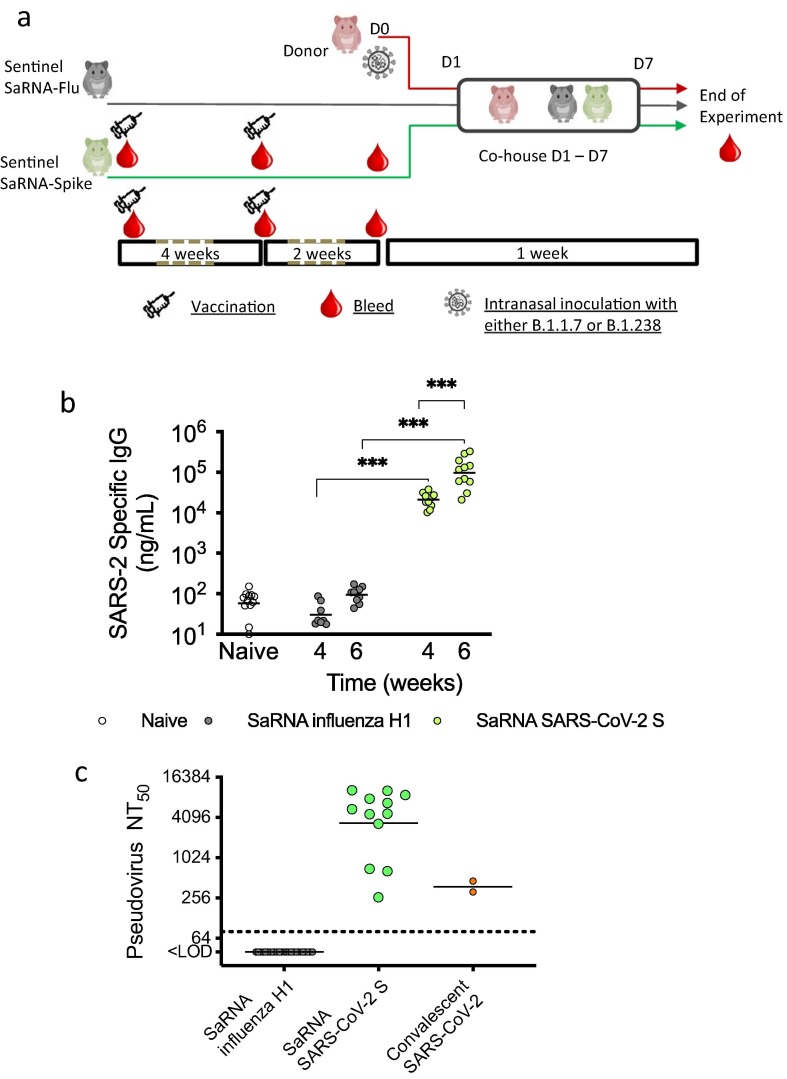
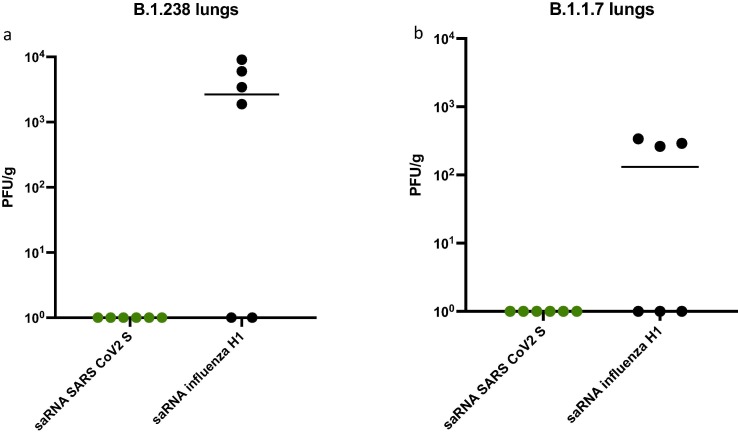
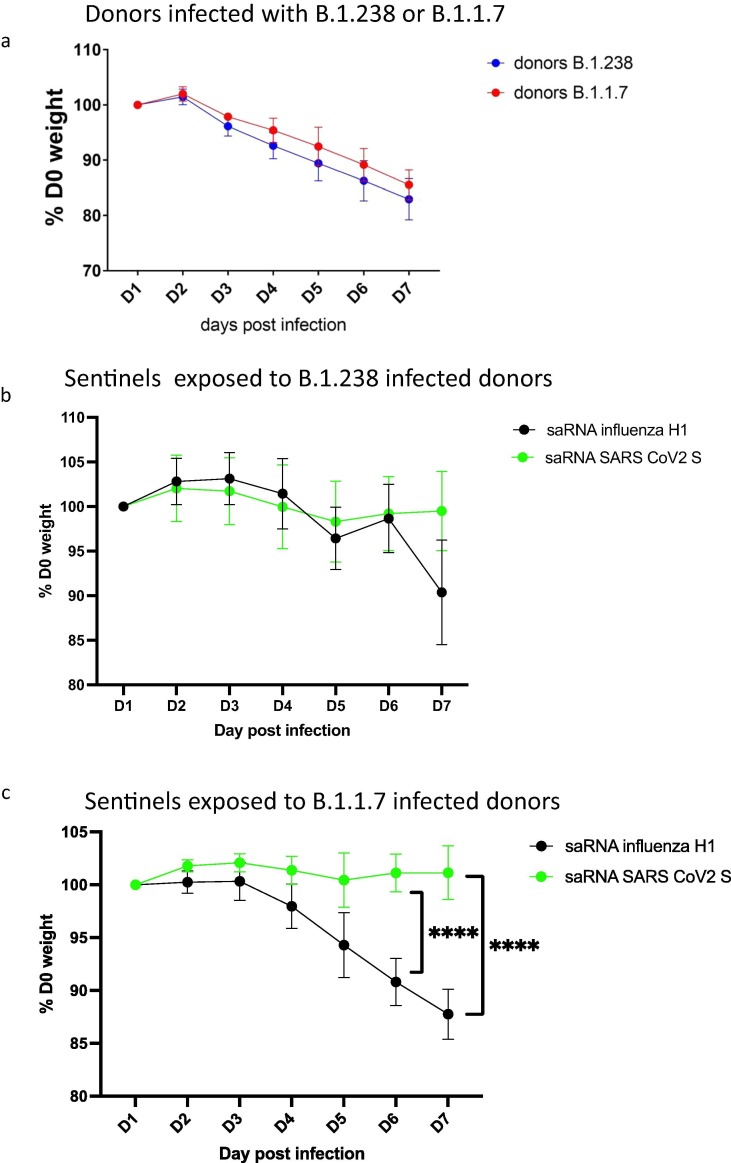
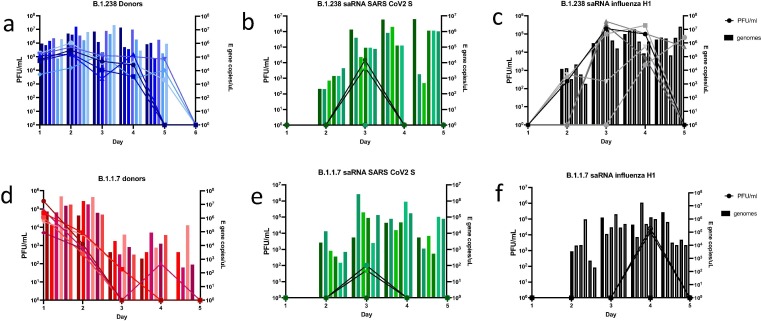
Vaccines for SARS-CoV-2 have been hugely successful in alleviating hospitalization and deaths caused by the newly emerged coronavirus that is the cause of COVID. However, although the parentally administered vaccines are very effective at reducing severe disease, they do not induce sterilizing immunity. As the virus continues to circulate around the globe, it is still not clear how long protection will last, nor whether variants will emerge that escape vaccine immunity. Animal models can be useful to complement studies of antigenicity of novel variants and inform decision making about the need for vaccine updates. The Syrian golden hamster is the preferred small animal model for SARS-CoV-2 infection. Since virus is efficiently transmitted between hamsters, we developed a transmission challenge model that presents a more natural dose and route of infection than the intranasal challenge usually employed. Our studies demonstrate that an saRNA vaccine based on the earliest Wuhan-like virus spike sequence induced neutralizing antibodies in sera of immunized hamsters at similar titres to those in human convalescent sera or vaccine recipients. The saRNA vaccine was equally effective at abrogating clinical signs in animals who acquired through exposure to cagemates infected either with a virus isolated in summer 2020 or with a representative Alpha (B.1.1.7) variant isolated in December 2020. The vaccine also reduced shedding of infectious virus from the nose, further reinforcing its likely effectiveness at reducing onwards transmission. This model can be extended to test the effectiveness of vaccination in blocking infections with and transmission of novel variants as they emerge.
针对导致 COVID 的新型冠状病毒而新出现的疫苗在缓解住院和死亡方面取得了巨大成功。然而,尽管父母接种的疫苗非常有效地减少了严重疾病,但它们不能诱导绝育免疫。随着病毒在全球继续传播,目前尚不清楚保护期会持续多久,也不知道是否会出现逃避疫苗免疫的变种。动物模型可以用于补充新型变种的抗原性研究,并为疫苗更新的必要性提供决策依据。叙利亚金黄仓鼠是用于 SARS-CoV-2 感染的首选小型动物模型。由于病毒在仓鼠之间高效传播,我们开发了一种传播挑战模型,该模型提供了比通常使用的鼻腔内挑战更自然的感染剂量和途径。我们的研究表明,基于最早的武汉样病毒刺突序列的 saRNA 疫苗在免疫仓鼠的血清中诱导出中和抗体,其效价与人类恢复期血清或疫苗接种者相当。该 saRNA 疫苗在减轻通过接触感染了 2020 年夏季分离的病毒或 2020 年 12 月分离的代表性 Alpha(B.1.1.7)变体的笼友感染的动物的临床症状方面同样有效。该疫苗还减少了从鼻子中排出的传染性病毒,进一步增强了其减少进一步传播的可能性。该模型可以扩展用于测试接种疫苗在阻止新型变种的感染和传播方面的有效性。