Department of Genetics, Institut Curie, PSL Research University, Paris, France.
Department of Drug Development and Innovation (D3i), Institut Curie, Paris, France.
Mol Oncol. 2022 Aug;16(16):3001-3016. doi: 10.1002/1878-0261.13219. Epub 2022 May 10.
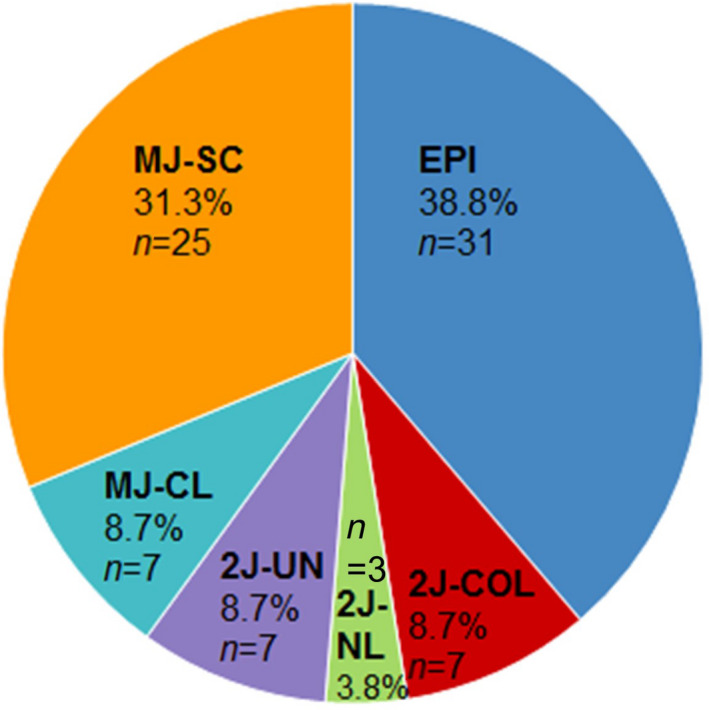
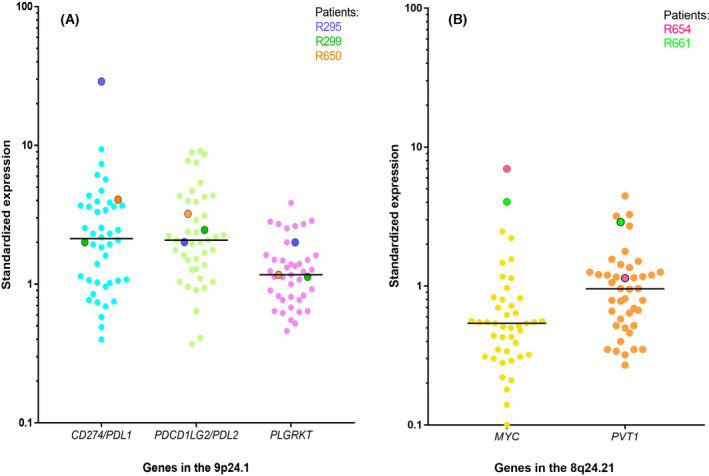
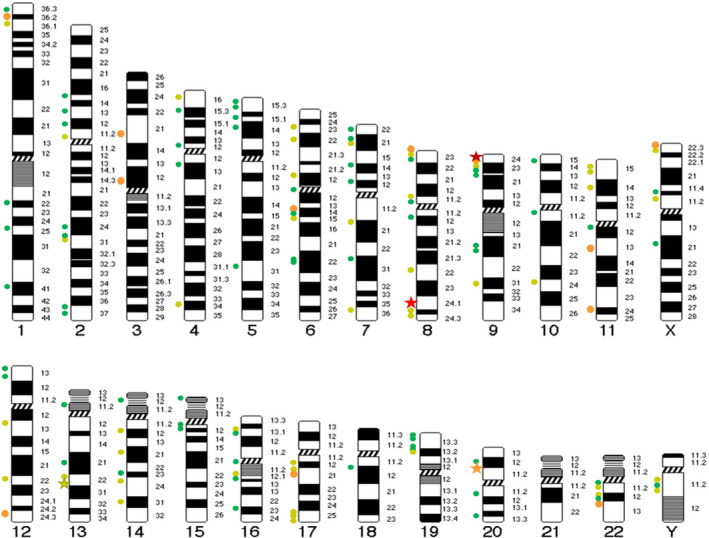
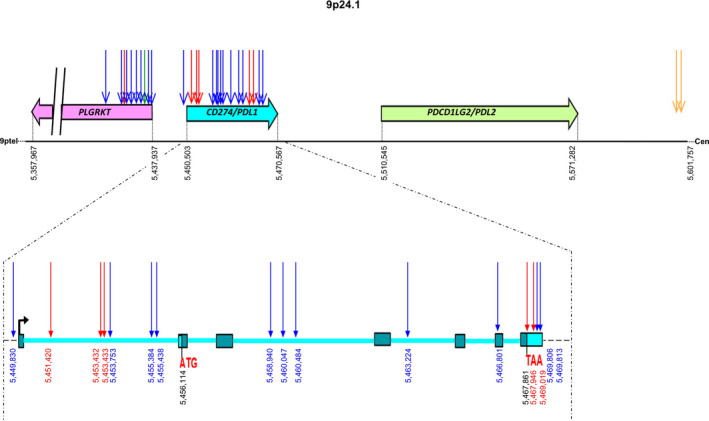
A prevalence of around 26% of human papillomavirus (HPV) in head and neck squamous cell carcinoma (HNSCC) has been previously reported. HPV induced oncogenesis mainly involving E6 and E7 viral oncoproteins. In some cases, HPV viral DNA has been detected to integrate with the host genome and possibly contributes to carcinogenesis by affecting the gene expression. We retrospectively assessed HPV integration sites and signatures in 80 HPV positive patients with HNSCC, by using a double capture-HPV method followed by next-generation Sequencing. We detected HPV16 in 90% of the analyzed cohort and confirmed five previously described mechanistic signatures of HPV integration [episomal (EPI), integrated in a truncated form revealing two HPV-chromosomal junctions colinear (2J-COL) or nonlinear (2J-NL), multiple hybrid junctions clustering in a single chromosomal region (MJ-CL) or scattered over different chromosomal regions (MJ-SC) of the human genome]. Our results suggested that HPV remained episomal in 38.8% of the cases or was integrated/mixed in the remaining 61.2% of patients with HNSCC. We showed a lack of association of HPV genomic signatures to tumour and patient characteristics, as well as patient survival. Similar to other HPV associated cancers, low HPV copy number was associated with worse prognosis. We identified 267 HPV-human junctions scattered on most chromosomes. Remarkably, we observed four recurrent integration regions: PDL1/PDL2/PLGRKT (8.2%), MYC/PVT1 (6.1%), MACROD2 (4.1%) and KLF5/KLF12 regions (4.1%). We detected the overexpression of PDL1 and MYC upon integration by gene expression analysis. In conclusion, we identified recurrent targeting of several cancer genes such as PDL1 and MYC upon HPV integration, suggesting a role of altered gene expression by HPV integration during HNSCC carcinogenesis.
先前有报道称,人乳头瘤病毒(HPV)在头颈部鳞状细胞癌(HNSCC)中的流行率约为 26%。HPV 诱导的致癌作用主要涉及 E6 和 E7 病毒癌蛋白。在某些情况下,已检测到 HPV 病毒 DNA 与宿主基因组整合,并可能通过影响基因表达而促进癌变。我们使用双重捕获 HPV 方法和下一代测序,对 80 例 HPV 阳性 HNSCC 患者的 HPV 整合位点和特征进行了回顾性评估。在分析的队列中,我们检测到 90%的 HPV16,并证实了 HPV 整合的五个先前描述的机制特征[游离体(EPI)、以截断形式整合,显示两个 HPV-染色体接头共线性(2J-COL)或非线性(2J-NL)、多个杂交接头聚集在单个染色体区域(MJ-CL)或散布在人类基因组的不同染色体区域(MJ-SC)]。我们的结果表明,HPV 在 38.8%的病例中仍为游离体,或在其余 61.2%的 HNSCC 患者中整合/混合。我们表明 HPV 基因组特征与肿瘤和患者特征以及患者生存无关。与其他 HPV 相关癌症一样,低 HPV 拷贝数与预后较差相关。我们鉴定了散布在大多数染色体上的 267 个 HPV-人接头。值得注意的是,我们观察到四个反复出现的整合区域:PDL1/PDL2/PLGRKT(8.2%)、MYC/PVT1(6.1%)、MACROD2(4.1%)和 KLF5/KLF12 区域(4.1%)。通过基因表达分析,我们检测到整合后 PDL1 和 MYC 的过表达。总之,我们鉴定了 HPV 整合后几个癌基因的反复靶向,如 PDL1 和 MYC,提示 HPV 整合在 HNSCC 癌变过程中通过改变基因表达发挥作用。