Dong Liang, Liu Xinning, Wu Bo, Li Chengwei, Wei Xiaomin, Wumaier Gulinuer, Zhang Xiujuan, Wang Jing, Xia Jingwen, Zhang Yuanyuan, Yiminniyaze Ruzetuoheti, Zhu Ning, Li Jing, Zhou Daibing, Zhang Youzhi, Li Shuanghui, Lv Junzhu, Li Shengqing
Department of Pulmonary and Critical Care Medicine, Huashan Hospital, Fudan University, Shanghai, China.
Department of Lung Transplantation, Wuxi People's Hospital, Wuxi, China.
Front Genet. 2022 Mar 23;13:810157. doi: 10.3389/fgene.2022.810157. eCollection 2022.
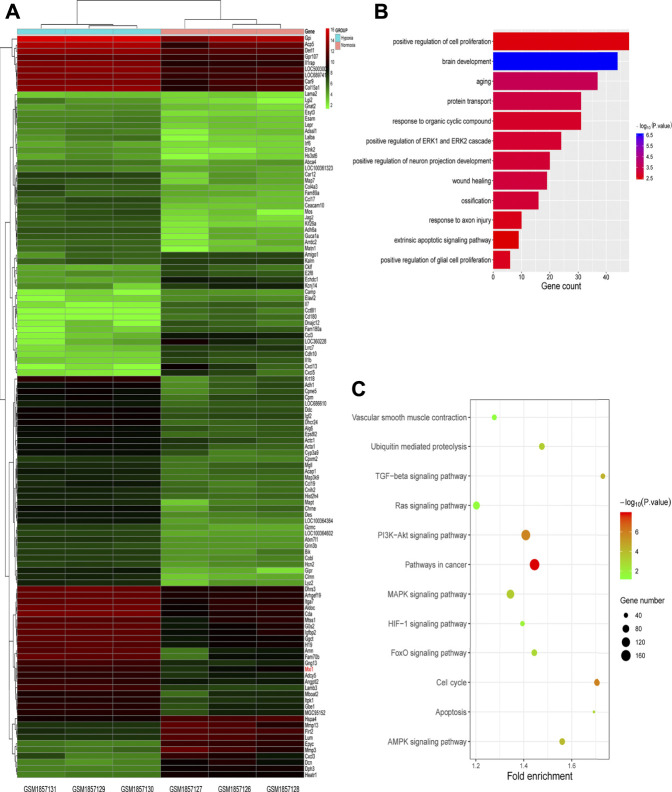
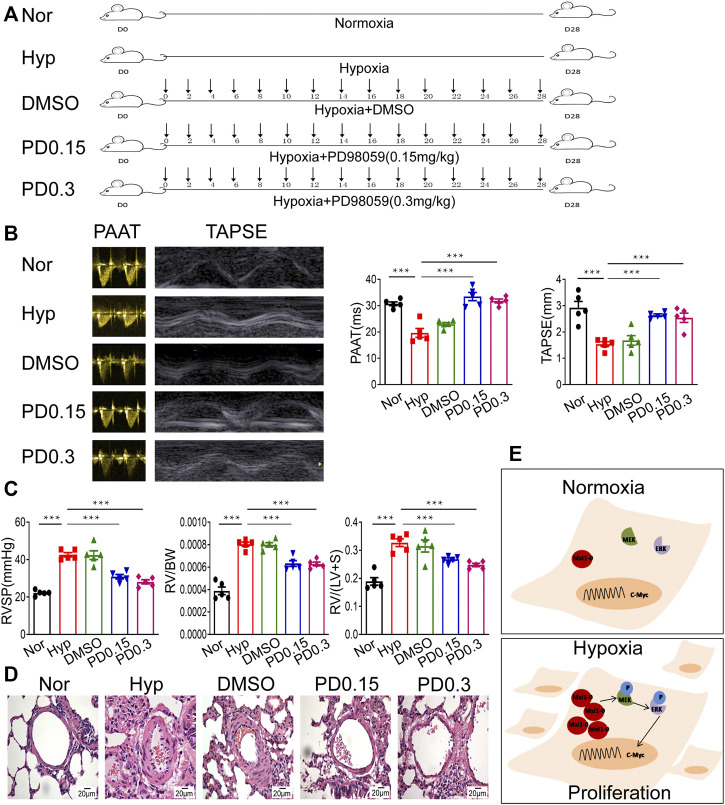
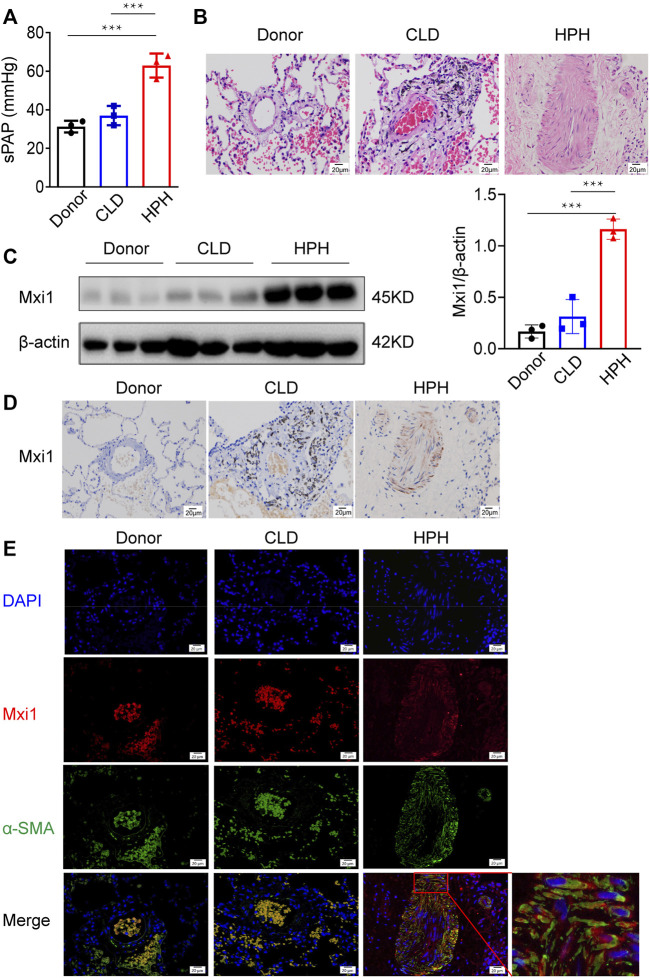
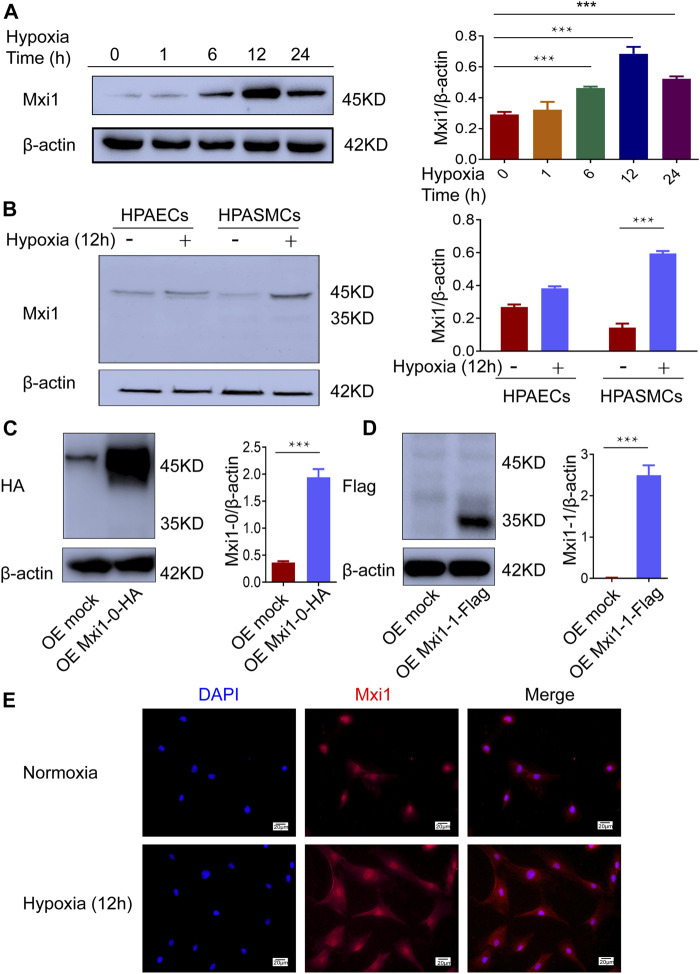
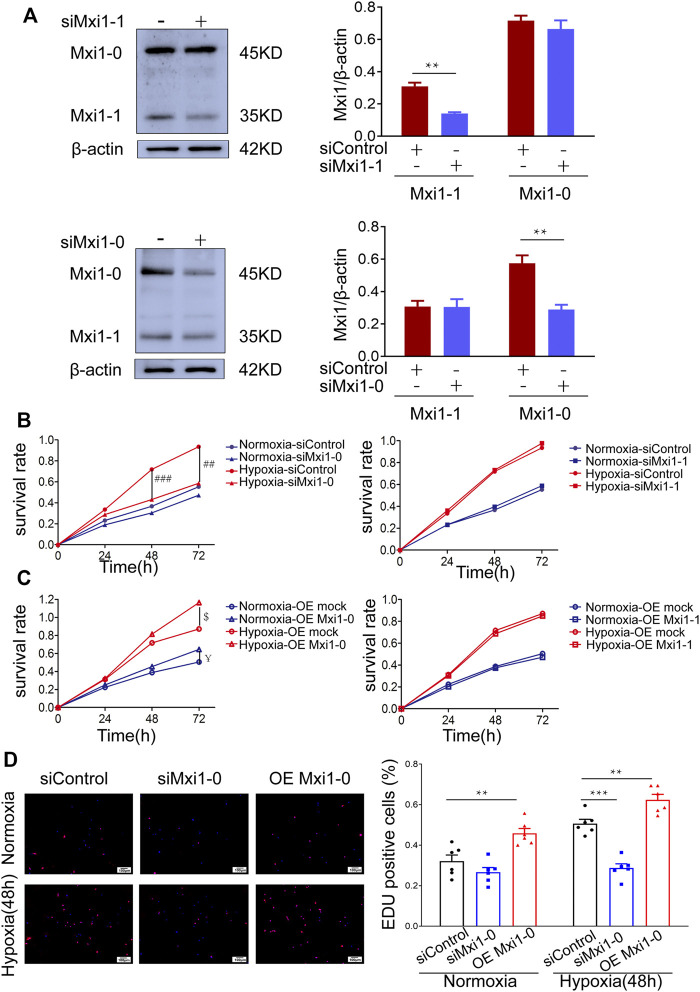
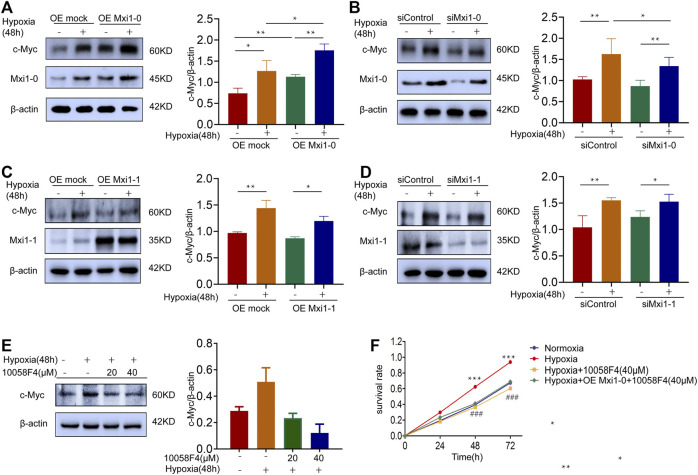
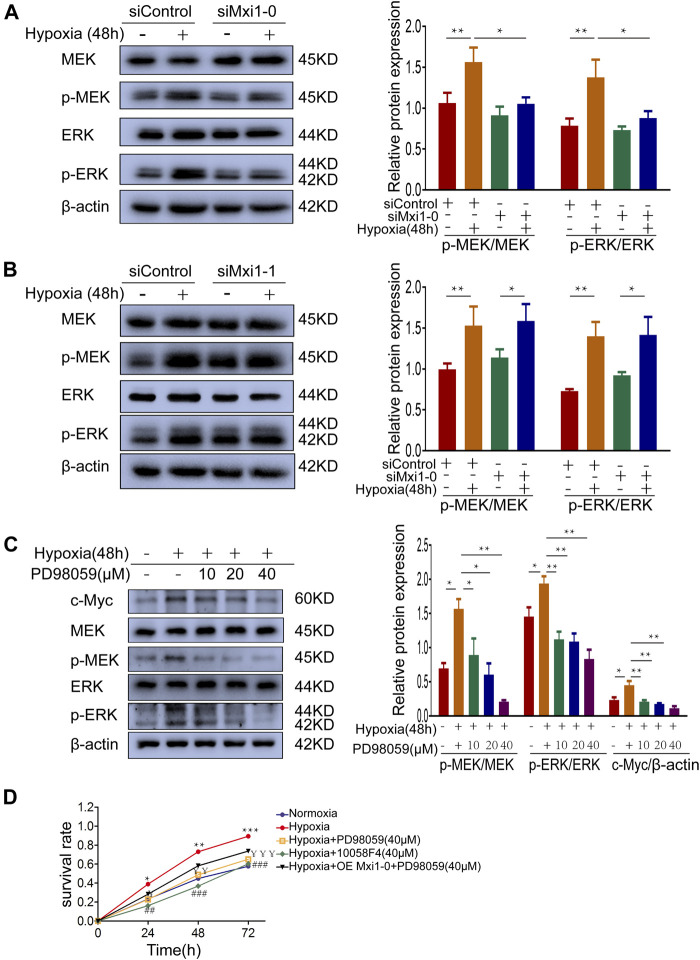
Hypoxic pulmonary hypertension (HPH) is a challenging lung arterial disorder with remarkably high incidence and mortality, and so far patients have failed to benefit from therapeutics clinically available. Max interacting protein 1-0 (Mxi1-0) is one of the functional isoforms of Mxi1. Although it also binds to Max, Mxi1-0, unlike other Mxi1 isoforms, cannot antagonize the oncoprotein c-Myc because of its unique proline rich domain (PRD). While Mxi1-0 was reported to promote cell proliferation largely uncharacterized mechanisms, it is unknown whether and how it plays a role in the pathogenesis of HPH. GEO database was used to screen for genes involved in HPH development, and the candidate players were validated through examination of gene expression in clinical HPH specimens. The effect of candidate gene knockdown or overexpression on cultured pulmonary arterial cells, e.g., pulmonary arterial smooth muscle cells (PASMCs), was then investigated. The signal pathway(s) underlying the regulatory role of the candidate gene in HPH pathogenesis was probed, and the outcome of targeting the aforementioned signaling was evaluated using an HPH rat model. Mxi1 was significantly upregulated in the PASMCs of HPH patients. As the main effector isoform responding to hypoxia, Mxi1-0 functions in HPH to promote PASMCs proliferation. Mechanistically, Mxi1-0 improved the expression of the proto-oncogene c-Myc activation of the MEK/ERK pathway. Consistently, both a MEK inhibitor, PD98059, and a c-Myc inhibitor, 10058F4, could counteract Mxi1-0-induced PASMCs proliferation. In addition, targeting the MEK/ERK signaling significantly suppressed the development of HPH in rats. Mxi1-0 potentiates HPH pathogenesis through MEK/ERK/c-Myc-mediated proliferation of PASMCs, suggesting its applicability in targeted treatment and prognostic assessment of clinical HPH.
低氧性肺动脉高压(HPH)是一种极具挑战性的肺部动脉疾病,发病率和死亡率极高,迄今为止,患者尚未从临床可用的治疗方法中获益。Max相互作用蛋白1-0(Mxi1-0)是Mxi1的功能异构体之一。尽管它也与Max结合,但与其他Mxi1异构体不同,由于其独特的富含脯氨酸结构域(PRD),Mxi1-0不能拮抗癌蛋白c-Myc。虽然据报道Mxi1-0主要通过尚未完全阐明的机制促进细胞增殖,但它是否以及如何在HPH发病机制中发挥作用尚不清楚。利用基因表达综合数据库(GEO数据库)筛选参与HPH发展的基因,并通过检测临床HPH标本中的基因表达来验证候选基因。然后研究候选基因敲低或过表达对培养的肺动脉细胞(如肺动脉平滑肌细胞(PASMCs))的影响。探讨候选基因在HPH发病机制中调节作用的信号通路,并使用HPH大鼠模型评估靶向上述信号通路的结果。Mxi1在HPH患者的PASMCs中显著上调。作为对缺氧作出反应的主要效应异构体,Mxi1-0在HPH中发挥作用以促进PASMCs增殖。从机制上讲,Mxi1-0通过激活MEK/ERK途径改善原癌基因c-Myc的表达。一致地,MEK抑制剂PD98059和c-Myc抑制剂10058F4都可以抵消Mxi1-0诱导的PASMCs增殖。此外,靶向MEK/ERK信号通路可显著抑制大鼠HPH的发展。Mxi1-0通过MEK/ERK/c-Myc介导的PASMCs增殖增强HPH发病机制,表明其在临床HPH的靶向治疗和预后评估中的适用性。