Medical School of Chinese People's Liberation Army (PLA), Beijing, China.
Department of Clinical Laboratory Medicine, The First Medical Center, Chinese People's Liberation Army (PLA) General Hospital, Beijing, China.
Front Cell Infect Microbiol. 2022 Mar 25;12:827528. doi: 10.3389/fcimb.2022.827528. eCollection 2022.
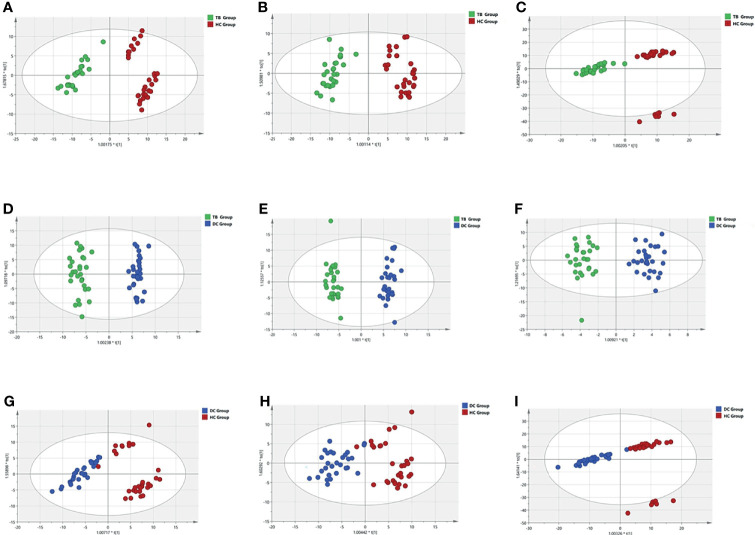
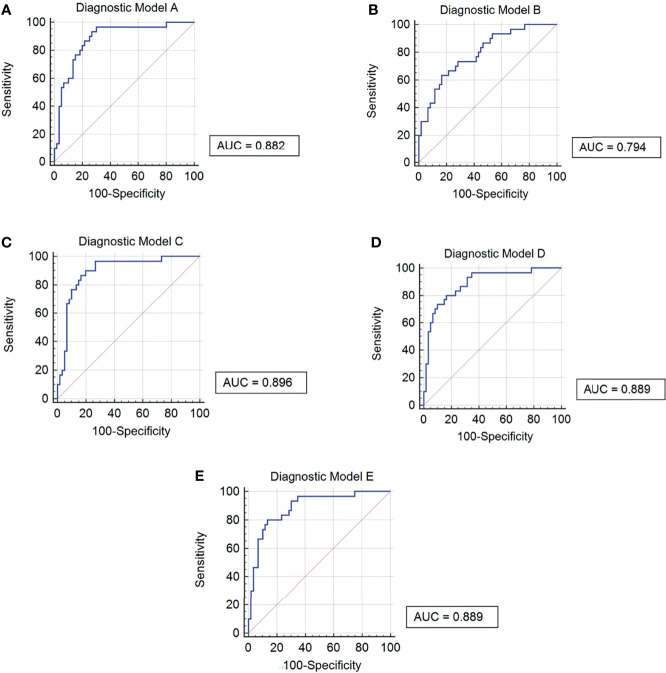
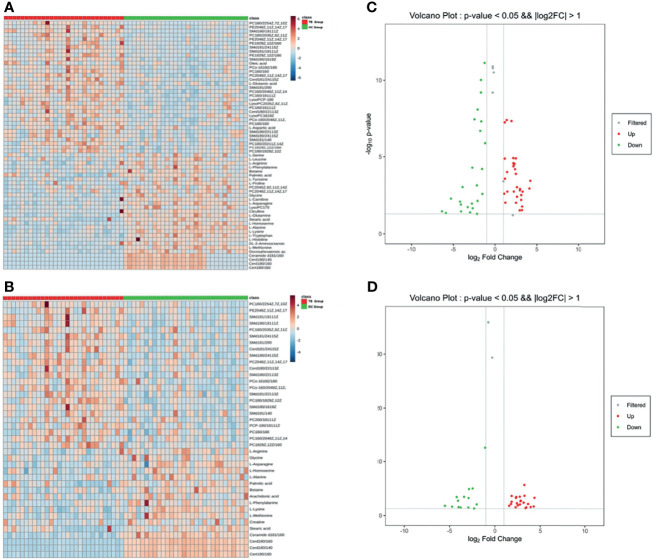
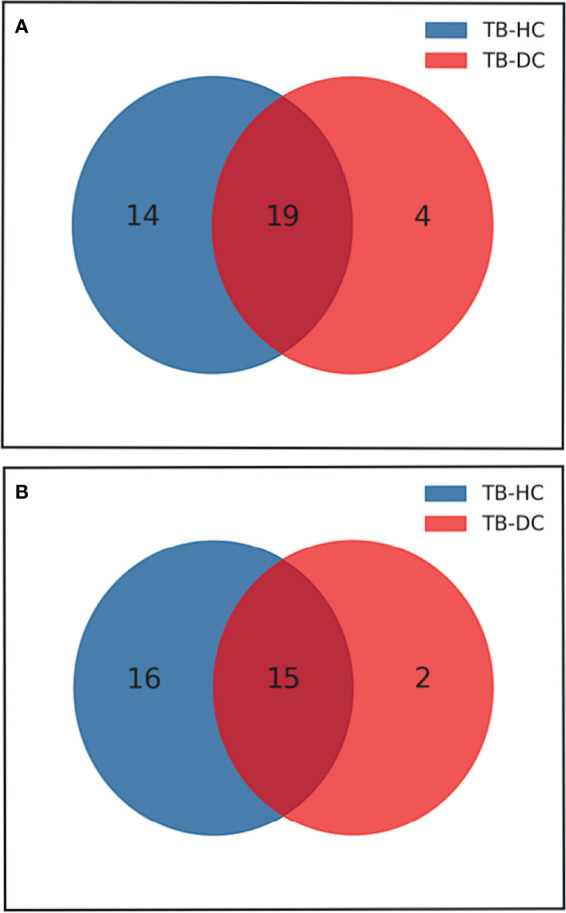
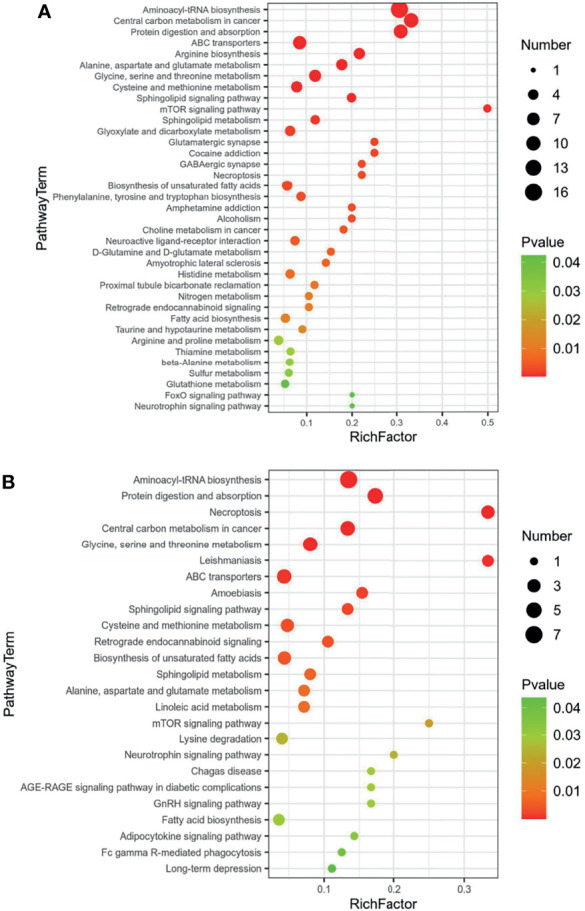
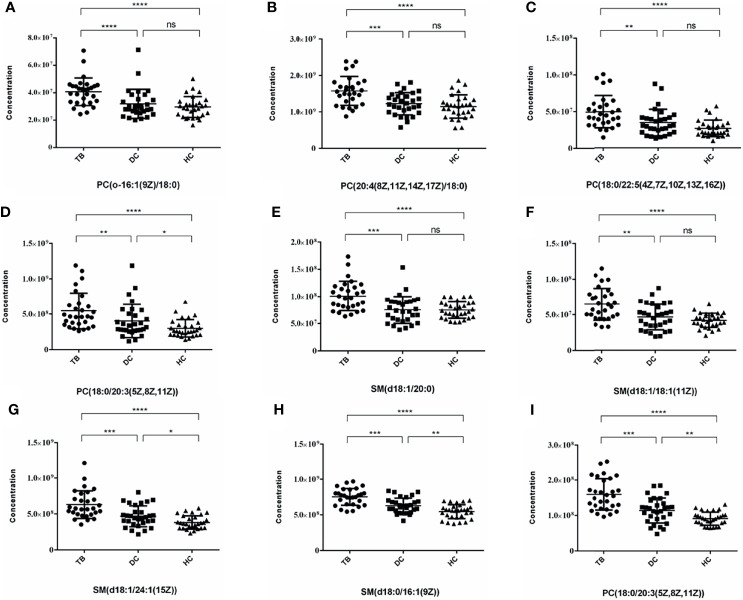
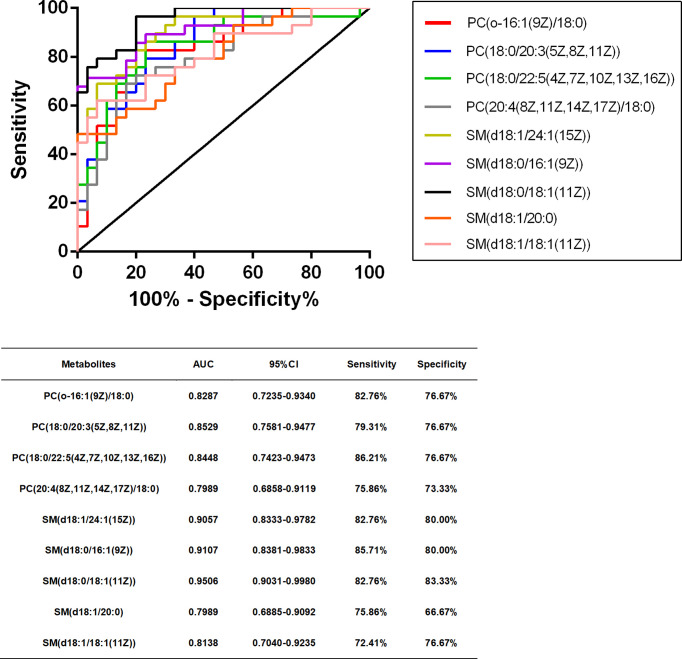
Osteoarticular tuberculosis is one of the extrapulmonary tuberculosis, which is mainly caused by direct infection of or secondary infection of tuberculosis in other parts. Due to the low specificity of the current detection method, it is leading to a high misdiagnosis rate and subsequently affecting the follow-up treatment and prognosis. Metabolomics is mainly used to study the changes of the body's metabolites in different states, so it can serve as an important means in the discovery of disease-related metabolic biomarkers and the corresponding mechanism research. Liquid chromatography tandem mass spectrometry (LC-MS/MS) was used to detect and analyze metabolites in the serum with osteoarticular tuberculosis patients, disease controls, and healthy controls to find novel metabolic biomarkers that could be used in the diagnosis of osteoarticular tuberculosis. Our results showed that 68 differential metabolites (<0.05, fold change>1.0) were obtained in osteoarticular tuberculosis serum after statistical analysis. Then, through the evaluation of diagnostic efficacy, PC[o-16:1(9Z)/18:0], PC[20:4(8Z,11Z,14Z,17Z)/18:0], PC[18:0/22:5(4Z,7Z,10Z,13Z,16Z)], SM(d18:1/20:0), and SM[d18:1/18:1(11Z)] were found as potential biomarkers with high diagnostic efficacy. Using bioinformatics analysis, we further found that these metabolites share many lipid metabolic signaling pathways, such as choline metabolism, sphingolipid signaling, retrograde endocannabinoid signaling, and sphingolipid and glycerophospholipid metabolism; these results suggest that lipid metabolism plays an important role in the pathological process of tuberculosis. This study can provide certain reference value for the study of metabolic biomarkers of osteoarticular tuberculosis and the mechanism of lipid metabolism in osteoarticular tuberculosis and even other tuberculosis diseases.
骨关节结核是肺外结核的一种,主要由或其他部位结核分枝杆菌的直接感染或继发感染引起。由于目前检测方法的特异性低,导致误诊率高,进而影响后续治疗和预后。代谢组学主要用于研究不同状态下机体代谢物的变化,因此可以作为发现疾病相关代谢生物标志物及相应机制研究的重要手段。采用液相色谱串联质谱法(LC-MS/MS)检测和分析骨关节结核患者、疾病对照和健康对照者血清中的代谢物,寻找可用于骨关节结核诊断的新型代谢生物标志物。我们的结果表明,经统计学分析后,在骨关节结核血清中获得了 68 个差异代谢物(<0.05,fold change>1.0)。然后,通过诊断效能评价,发现 PC[o-16:1(9Z)/18:0]、PC[20:4(8Z,11Z,14Z,17Z)/18:0]、PC[18:0/22:5(4Z,7Z,10Z,13Z,16Z)]、SM(d18:1/20:0)和 SM[d18:1/18:1(11Z)]具有较高的诊断效能,可作为潜在的生物标志物。通过生物信息学分析,我们进一步发现这些代谢物共享许多脂质代谢信号通路,如胆碱代谢、鞘脂信号、逆行内源性大麻素信号、鞘脂和甘油磷脂代谢;这些结果提示脂质代谢在结核病的病理过程中起着重要作用。本研究可为骨关节结核代谢标志物及骨关节结核乃至其他结核病脂质代谢机制的研究提供一定的参考价值。