Center of Clinical Laboratory Medicine, The 1st Medical Center of PLA General Hospital, Beijing, China.
School of Laboratory Medicine and Life Science, Wenzhou Medical University, Wenzhou, China.
J Clin Lab Anal. 2020 Jul;34(7):e23297. doi: 10.1002/jcla.23297. Epub 2020 Mar 12.
In view of the current difficulty of clinically diagnosing osteoarticular tuberculosis, our aim was to use mass spectrometry to establish diagnostic models and to screen and identify serum proteins which could serve as potential diagnostic biomarkers for early detection of osteoarticular tuberculosis.
Matrix-assisted laser desorption/ionization time-of-flight mass spectrometry (MALDI-TOF MS) was used to select an osteoarticular tuberculosis-specific serum peptide profile and establish diagnostic models. Further, liquid chromatography-tandem mass spectrometry (LC-MS/MS) was used to identify potential serum biomarkers that could be used for auxiliary diagnosis of osteoarticular tuberculosis, and then clinical serum samples were used to verify these biomarkers by enzyme-linked immunosorbent assay (ELISA).
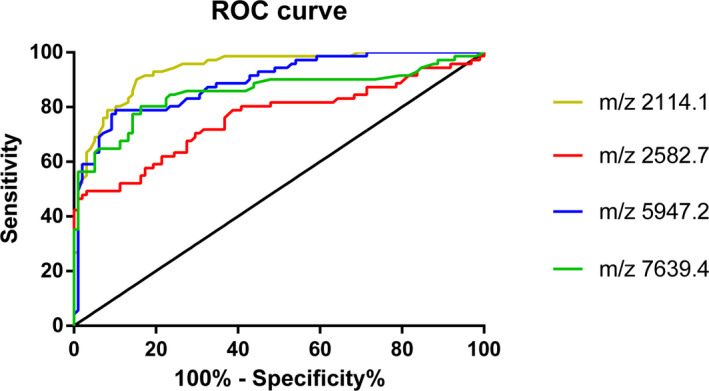
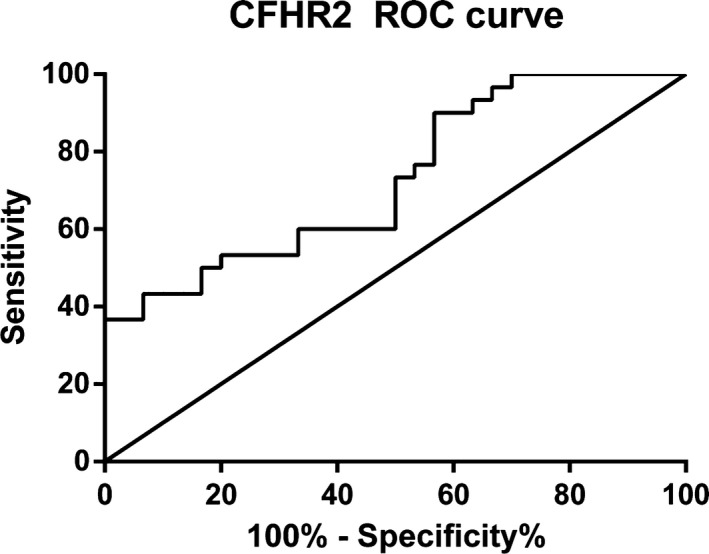
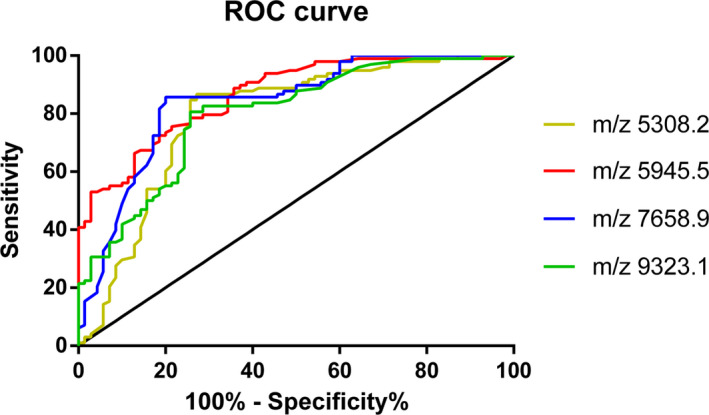
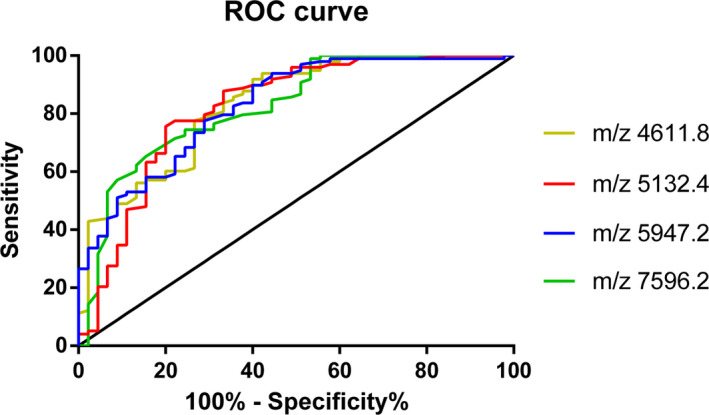
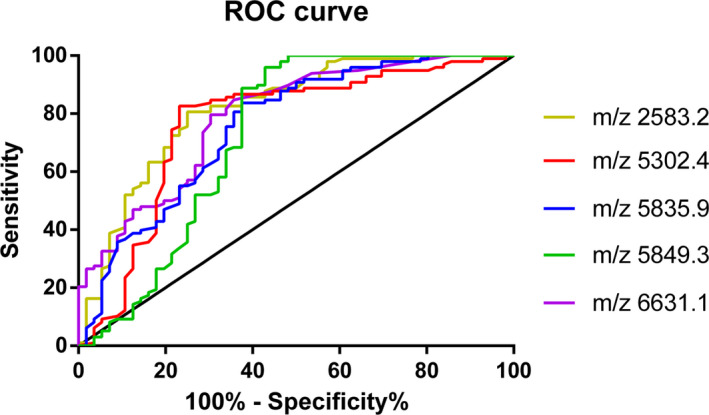
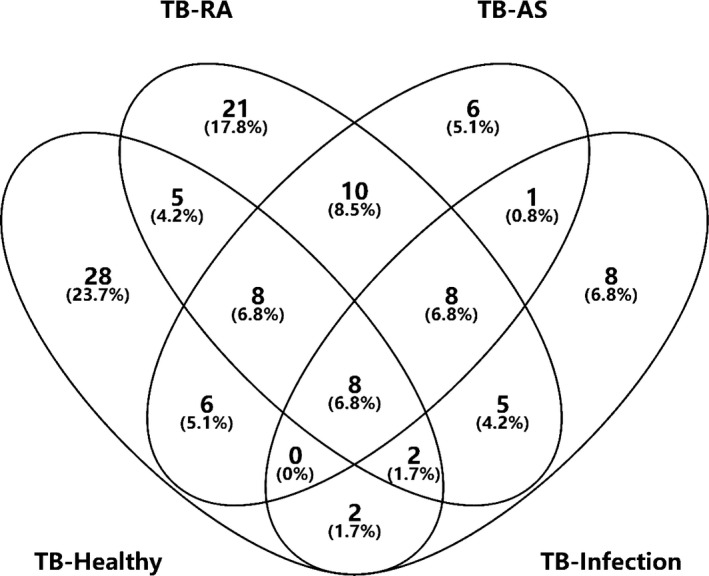
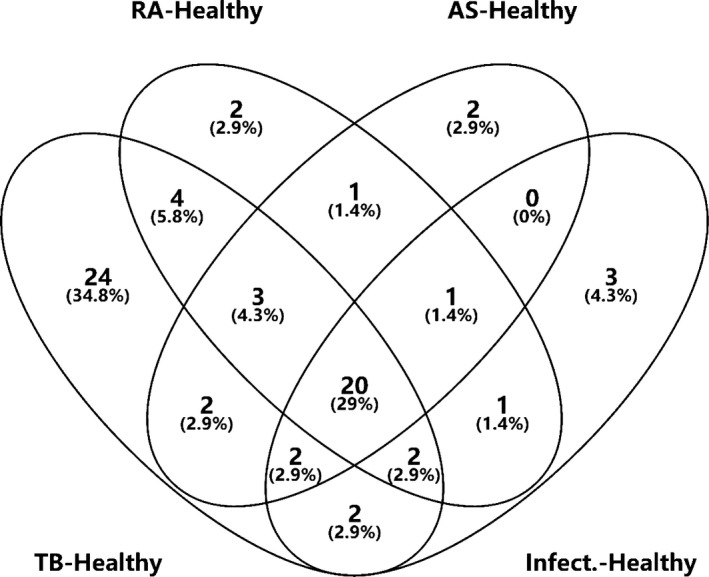
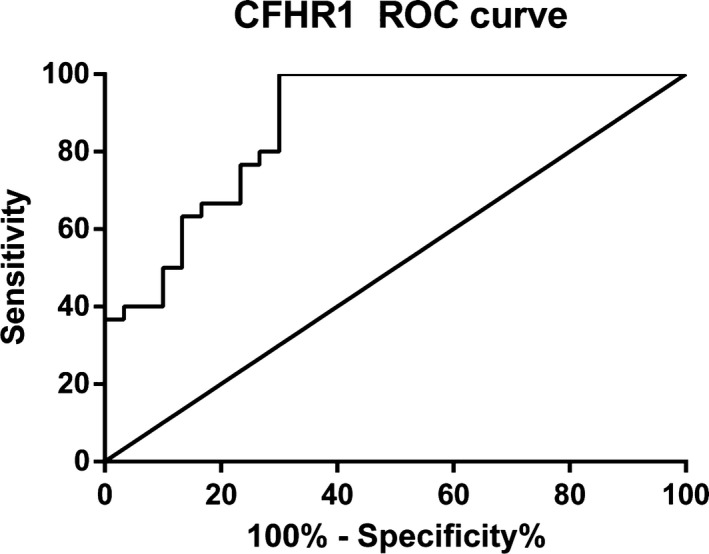
We established four diagnostic models that can distinguish osteoarticular tuberculosis from rheumatoid arthritis, ankylosing spondylitis, osteoarticular infections, and healthy adults. The models were osteoarticular tuberculosis-rheumatoid arthritis, osteoarticular tuberculosis-ankylosing spondylitis, osteoarticular tuberculosis-osteoarticular infections, and osteoarticular tuberculosis-healthy adult, and their accuracy was 76.78%, 79.02%, 83.77%, and 88.16%, respectively. Next, we selected and identified 18 proteins, including complement factor H-related protein 1 (CFHR1) and complement factor H-related protein 2 (CFHR2), which were upregulated in the tuberculosis group only.
We successfully established four diagnostic models involving osteoarticular tuberculosis, rheumatoid arthritis, ankylosing spondylitis, osteoarticular infections, and healthy adults. Furthermore, we found that CFHR1 and CFHR2 may be two valuable auxiliary diagnostic indicators for osteoarticular tuberculosis. These results provide reference values for rapid and accurate diagnosis of osteoarticular tuberculosis.
鉴于目前临床上诊断骨关节结核存在困难,本研究旨在采用质谱技术建立诊断模型,并筛选和鉴定血清蛋白,以期寻找骨关节结核早期诊断的潜在血清学标志物。
采用基质辅助激光解吸电离飞行时间质谱(MALDI-TOF MS)筛选骨关节结核特异的血清多肽谱,并建立诊断模型。进一步采用液相色谱-串联质谱(LC-MS/MS)鉴定潜在的辅助诊断骨关节结核的血清标志物,然后采用酶联免疫吸附试验(ELISA)对临床血清样本进行验证。
我们建立了能区分骨关节结核与类风湿关节炎、强直性脊柱炎、骨关节感染和健康成年人的四个诊断模型。这些模型分别为骨关节结核与类风湿关节炎、骨关节结核与强直性脊柱炎、骨关节结核与骨关节感染、骨关节结核与健康成年人,其准确率分别为 76.78%、79.02%、83.77%和 88.16%。接着,我们筛选并鉴定了 18 种蛋白,包括补体因子 H 相关蛋白 1(CFHR1)和补体因子 H 相关蛋白 2(CFHR2),它们在结核组中仅呈上调表达。
我们成功建立了涉及骨关节结核、类风湿关节炎、强直性脊柱炎、骨关节感染和健康成年人的四个诊断模型。此外,我们发现 CFHR1 和 CFHR2 可能是骨关节结核的两个有价值的辅助诊断指标。这些结果为骨关节结核的快速准确诊断提供了参考价值。