Hart Samantha N, Patel Samir P, Michael Felicia M, Stoilov Peter, Leow Chi Jing, Hernandez Alvaro G, Jolly Ariane, de la Grange Pierre, Rabchevsky Alexander G, Stamm Stefan
Department of Molecular and Cellular Biochemistry, University of Kentucky, Lexington, Kentucky, USA.
Department of Physiology and Spinal Cord and Brain Injury Research Center (SCoBIRC), University of Kentucky, Lexington, Kentucky, USA.
Neurotrauma Rep. 2022 Mar 4;3(1):105-121. doi: 10.1089/neur.2021.0042. eCollection 2022.
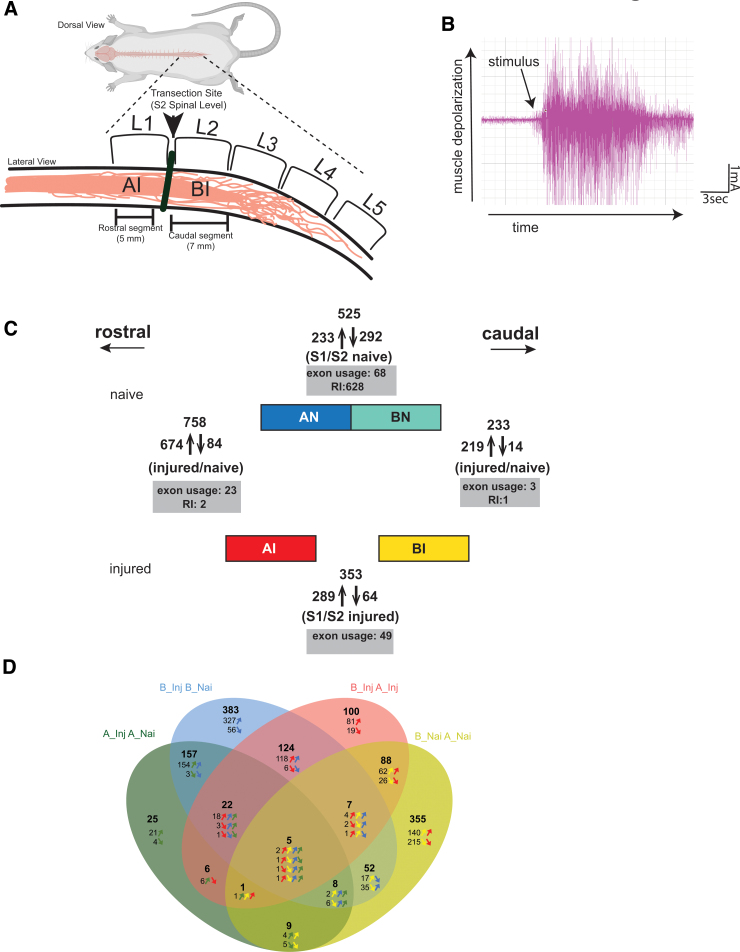
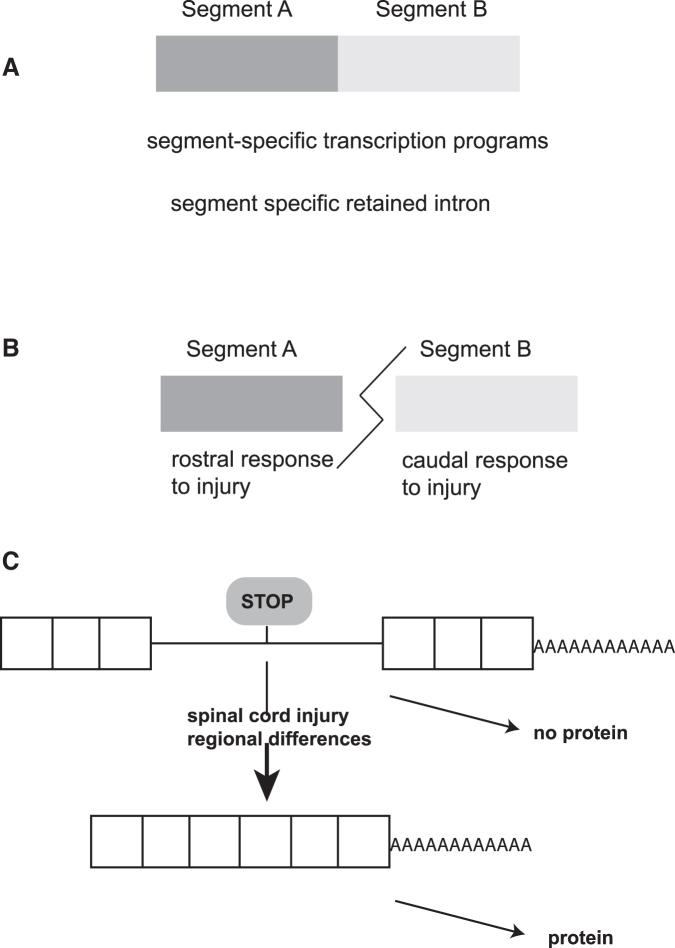
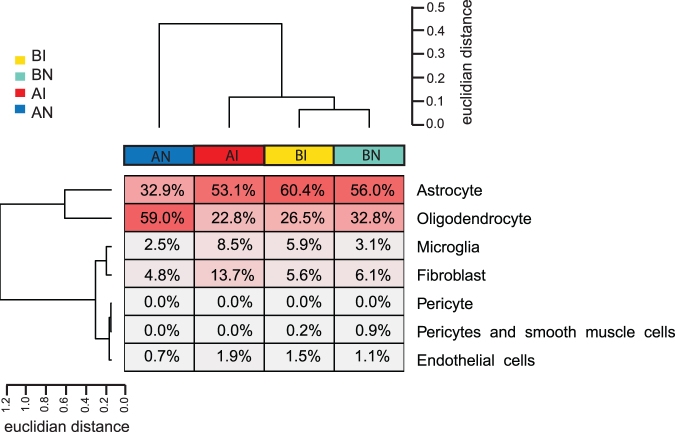
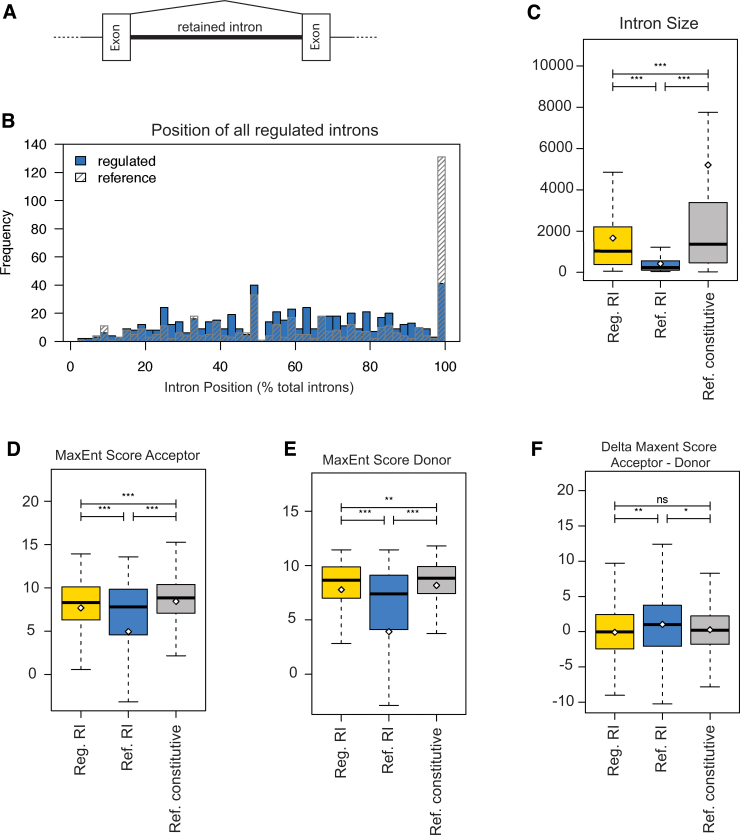
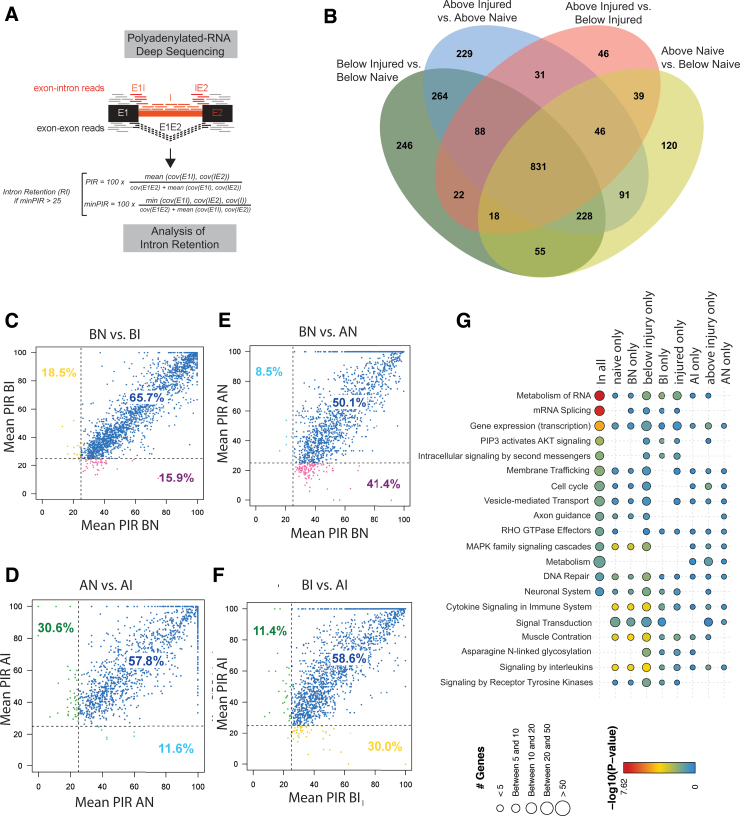
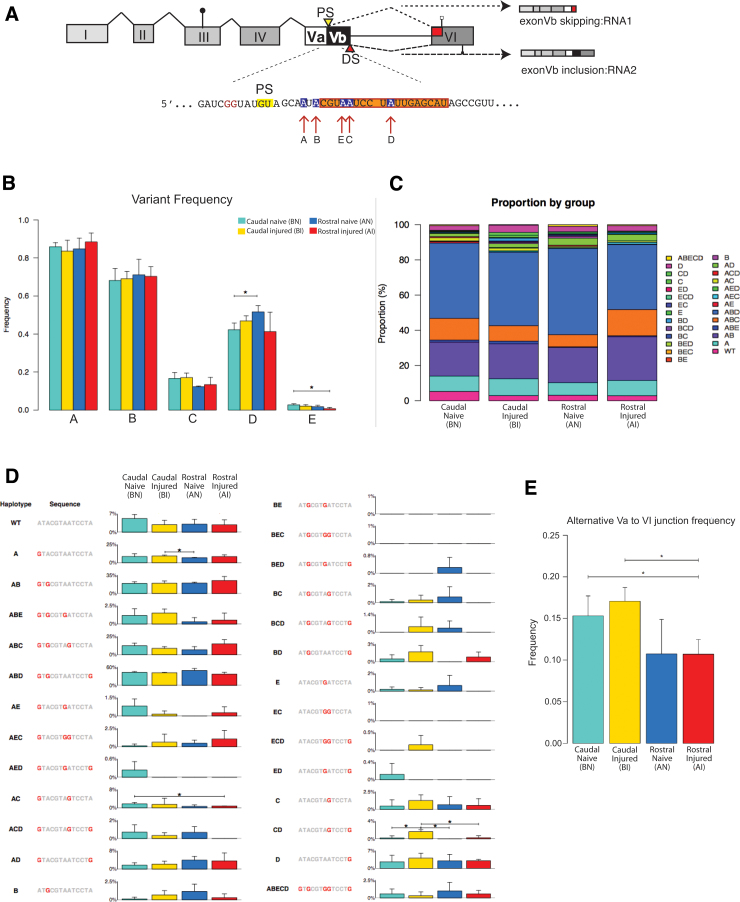
To determine molecular changes that correlate with long-term physiological changes after spinal cord injury associated with spasticity, we used a complete transection model with an injury at sacral spinal level S2, wherein tail spasms develop in rats weeks to months post-injury. Using Illumina and nanopore sequencing, we found that from 12,266 expressed genes roughly 11% (1,342) change expression levels in the rats with spasticity. The transcription factor PU.1 (Spi-1 proto-oncogene) and several of its known regulated genes were upregulated during injury, possibly reflecting changes in cellular composition. In contrast to widespread changes in gene expression, only a few changes in alternative exon usage could be detected because of injury. There were more than 1,000 changes in retained intron usage, however. Unexpectedly, most of these retained introns have not been described yet but could be validated using direct RNA nanopore sequencing. In addition to changes from injury, our model allowed regional analysis of gene expression. Comparing the segments rostral and caudal to the injury site in naïve animals showed 525 differentially regulated genes and differential regional use of retained introns. We did not detect changes in the serotonin receptor 2C editing that were implicated previously in this spinal cord injury model. Our data suggest that regulation of intron retention of polyadenylated pre-mRNA is an important regulatory mechanism in the spinal cord under both physiological and pathophysiological conditions.
为了确定与脊髓损伤后长期生理变化(与痉挛相关)相关的分子变化,我们使用了一个在骶脊髓水平S2处有损伤的完全横断模型,其中大鼠在损伤后数周或数月会出现尾部痉挛。使用Illumina和纳米孔测序,我们发现,在12,266个表达基因中,约11%(1,342个)在患有痉挛的大鼠中表达水平发生了变化。转录因子PU.1(Spi-1原癌基因)及其一些已知的调控基因在损伤期间上调,这可能反映了细胞组成的变化。与基因表达的广泛变化相反,由于损伤,只能检测到少数外显子使用的变化。然而,保留内含子的使用有1000多个变化。出乎意料的是,这些保留内含子中的大多数尚未被描述,但可以使用直接RNA纳米孔测序进行验证。除了损伤引起的变化外,我们的模型还允许对基因表达进行区域分析。比较未受伤动物中损伤部位头侧和尾侧的节段,发现有525个差异调节基因以及保留内含子的差异区域使用。我们没有检测到先前在这个脊髓损伤模型中涉及的5-羟色胺受体2C编辑的变化。我们的数据表明,聚腺苷酸化前体mRNA的内含子保留调控在生理和病理生理条件下都是脊髓中的一种重要调控机制。