Section of Immunology, Vetsuisse Faculty, University of Zürich, Zürich, Switzerland.
Institute of Experimental Immunology, University of Zürich, Zürich, Switzerland.
PLoS Pathog. 2022 Apr 11;18(4):e1010012. doi: 10.1371/journal.ppat.1010012. eCollection 2022 Apr.
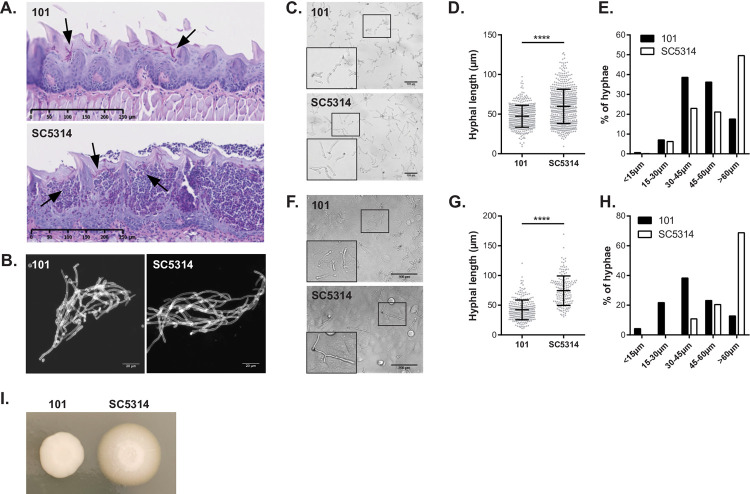
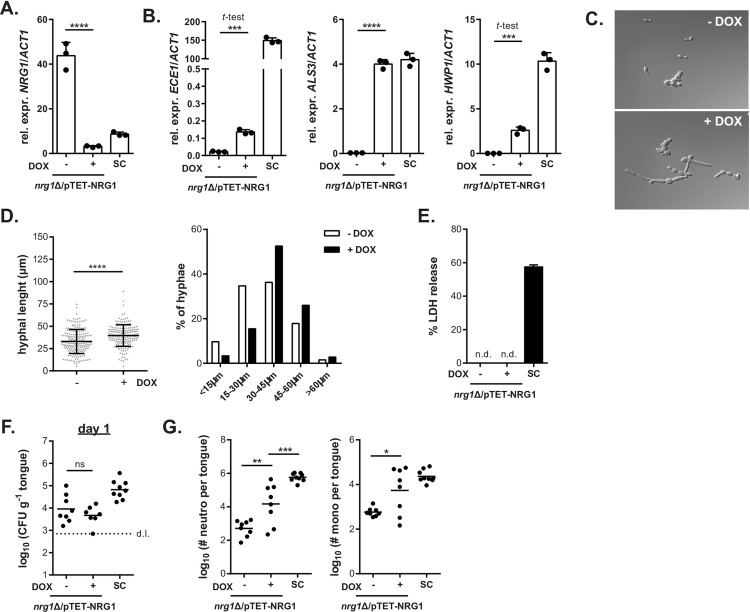
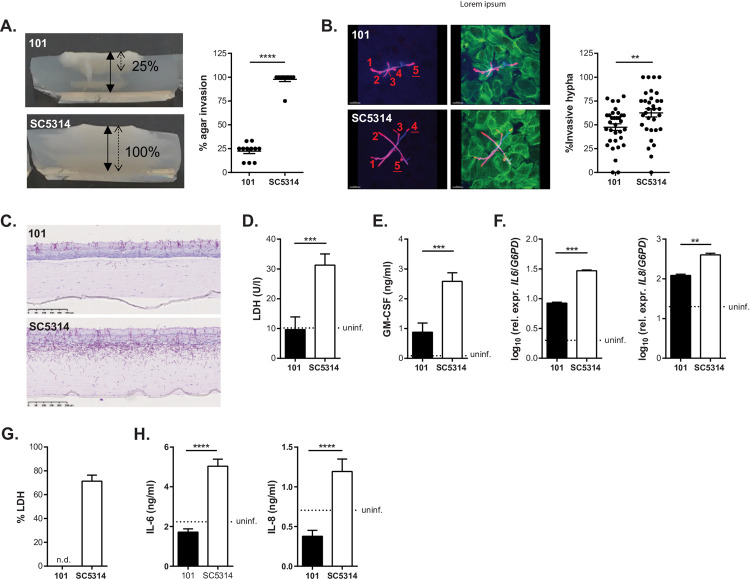
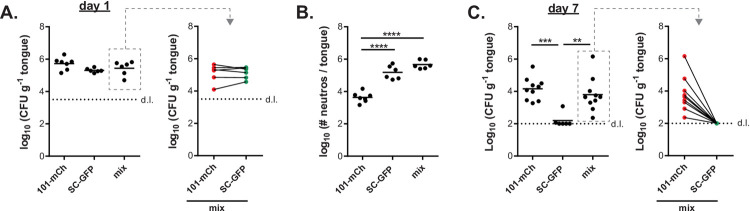
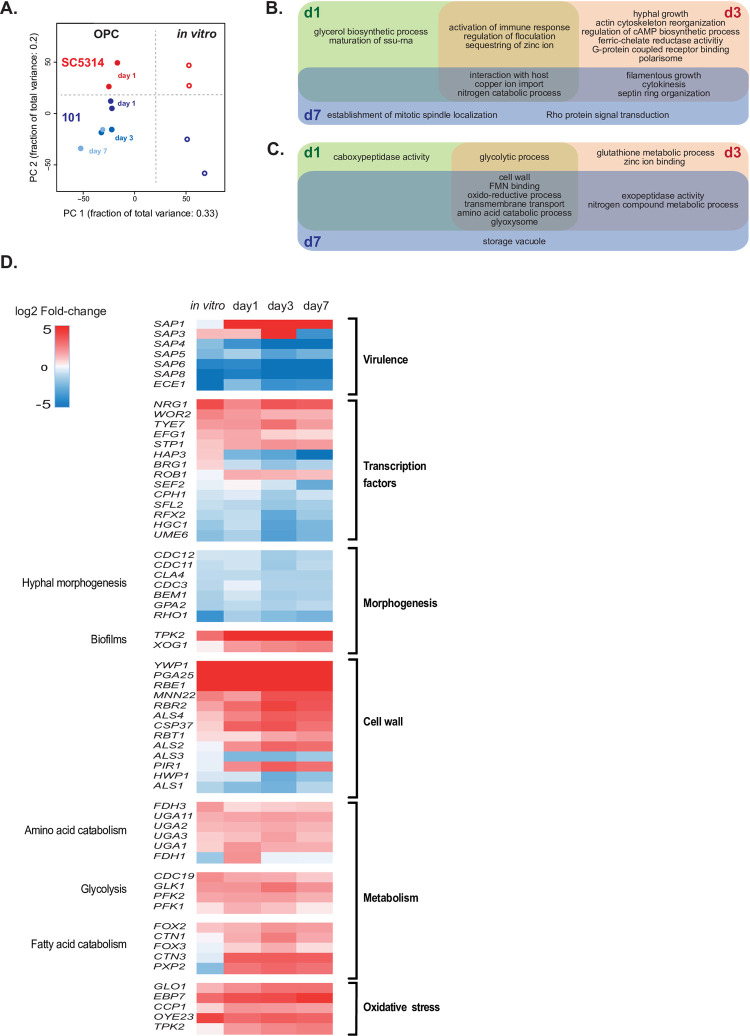
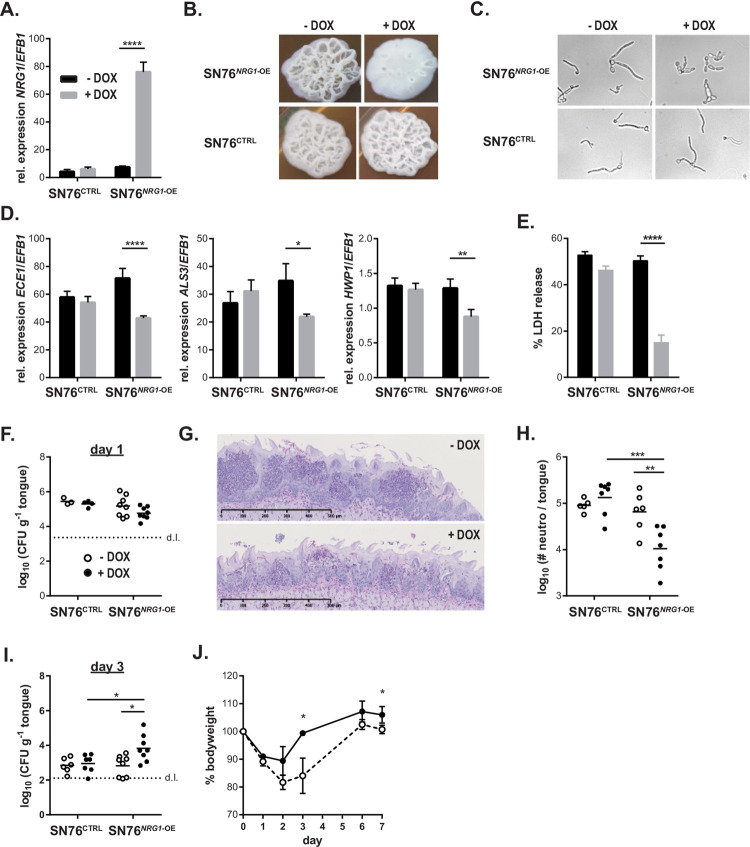
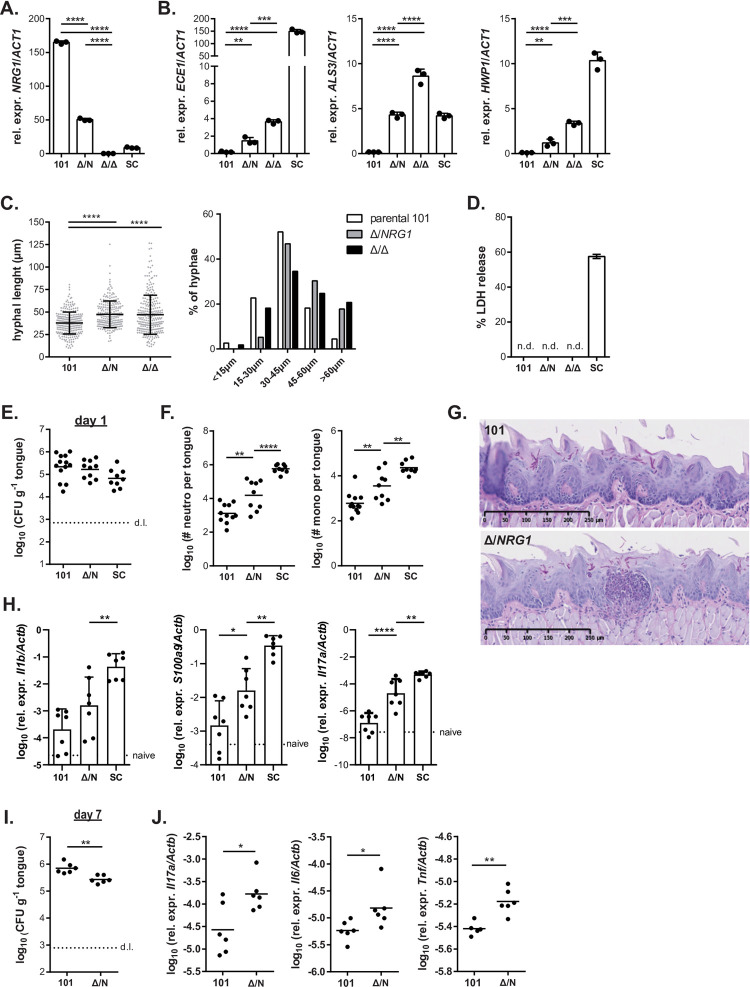
As part of the human microbiota, the fungus Candida albicans colonizes the oral cavity and other mucosal surfaces of the human body. Commensalism is tightly controlled by complex interactions of the fungus and the host to preclude fungal elimination but also fungal overgrowth and invasion, which can result in disease. As such, defects in antifungal T cell immunity render individuals susceptible to oral thrush due to interrupted immunosurveillance of the oral mucosa. The factors that promote commensalism and ensure persistence of C. albicans in a fully immunocompetent host remain less clear. Using an experimental model of C. albicans oral colonization in mice we explored fungal determinants of commensalism in the oral cavity. Transcript profiling of the oral isolate 101 in the murine tongue tissue revealed a characteristic metabolic profile tailored to the nutrient poor conditions in the stratum corneum of the epithelium where the fungus resides. Metabolic adaptation of isolate 101 was also reflected in enhanced nutrient acquisition when grown on oral mucosa substrates. Persistent colonization of the oral mucosa by C. albicans also correlated inversely with the capacity of the fungus to induce epithelial cell damage and to elicit an inflammatory response. Here we show that these immune evasive properties of isolate 101 are explained by a strong attenuation of a number of virulence genes, including those linked to filamentation. De-repression of the hyphal program by deletion or conditional repression of NRG1 abolished the commensal behaviour of isolate 101, thereby establishing a central role of this factor in the commensal lifestyle of C. albicans in the oral niche of the host.
作为人类微生物群的一部分,白色念珠菌定植于口腔和人体其他黏膜表面。共生关系受到真菌和宿主之间复杂相互作用的严格控制,以防止真菌被消除,但也防止真菌过度生长和侵袭,从而导致疾病。因此,抗真菌 T 细胞免疫缺陷使个体易患口腔鹅口疮,因为口腔黏膜的免疫监视被中断。促进共生关系并确保白色念珠菌在完全免疫功能正常的宿主中持续存在的因素仍不太清楚。我们使用白色念珠菌口腔定植的实验模型在小鼠中探索了口腔共生的真菌决定因素。在小鼠舌组织中对口腔分离株 101 的转录谱分析显示,其具有针对居住在表皮角质层中营养贫乏条件的特征代谢特征。当在口腔黏膜底物上生长时,分离株 101 的代谢适应也反映在增强的营养获取能力上。白色念珠菌对口腔黏膜的持续定植也与真菌诱导上皮细胞损伤和引发炎症反应的能力呈负相关。在这里,我们表明,分离株 101 的这些免疫逃避特性可归因于许多毒力基因的强烈衰减,包括与菌丝形成相关的基因。通过删除或条件性抑制 NRG1 来解除菌丝形成程序的阻遏作用,消除了分离株 101 的共生行为,从而确立了该因子在宿主口腔生态位中白色念珠菌共生生活方式中的核心作用。