Kalousi Foteini D, Pollastro Federica, Christodoulou Evgenia C, Karra Aikaterini G, Tsialtas Ioannis, Georgantopoulos Achilleas, Salamone Stefano, Psarra Anna-Maria G
Department of Biochemistry and Biotechnology, University of Thessaly, Biopolis, 41500 Larissa, Greece.
Department of Pharmaceutical Sciences, University of Eastern Piedmont, 28100 Novara, Italy.
Plants (Basel). 2022 Mar 30;11(7):934. doi: 10.3390/plants11070934.
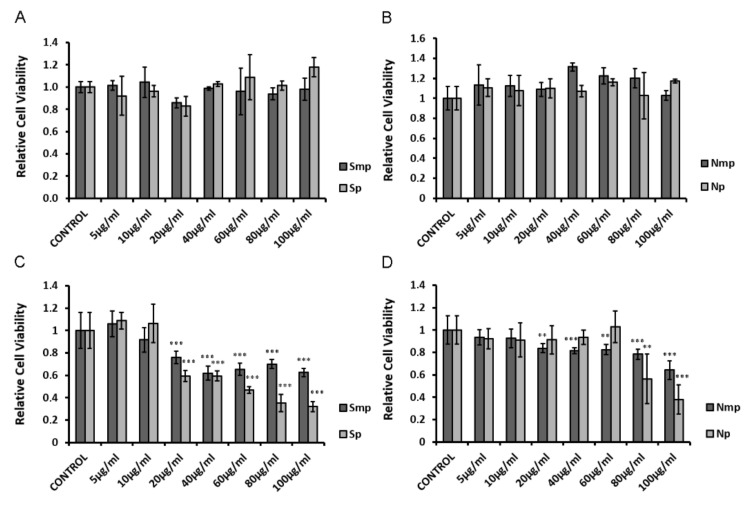
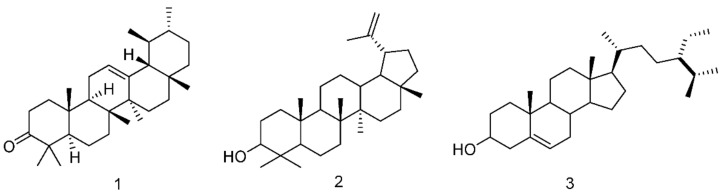
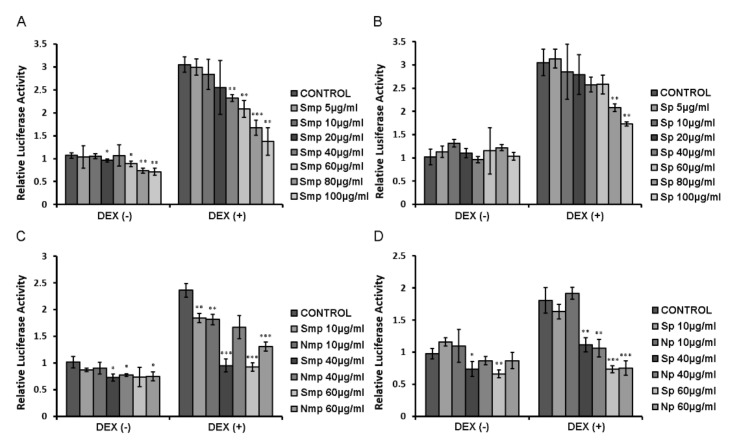
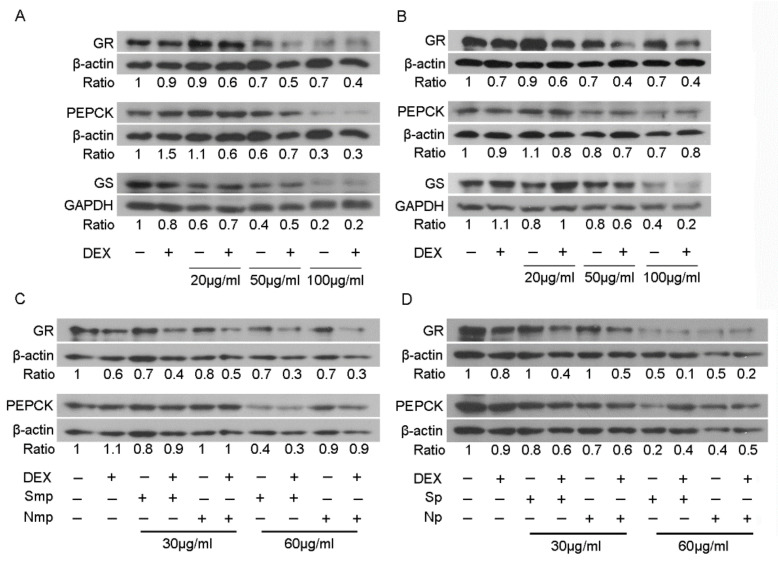
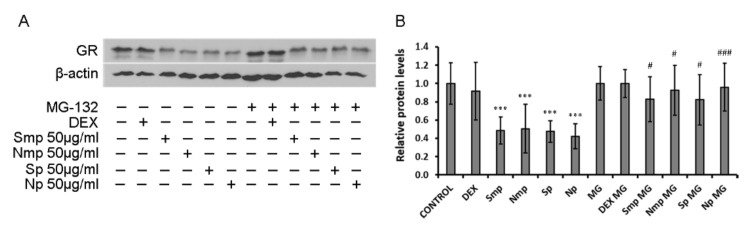
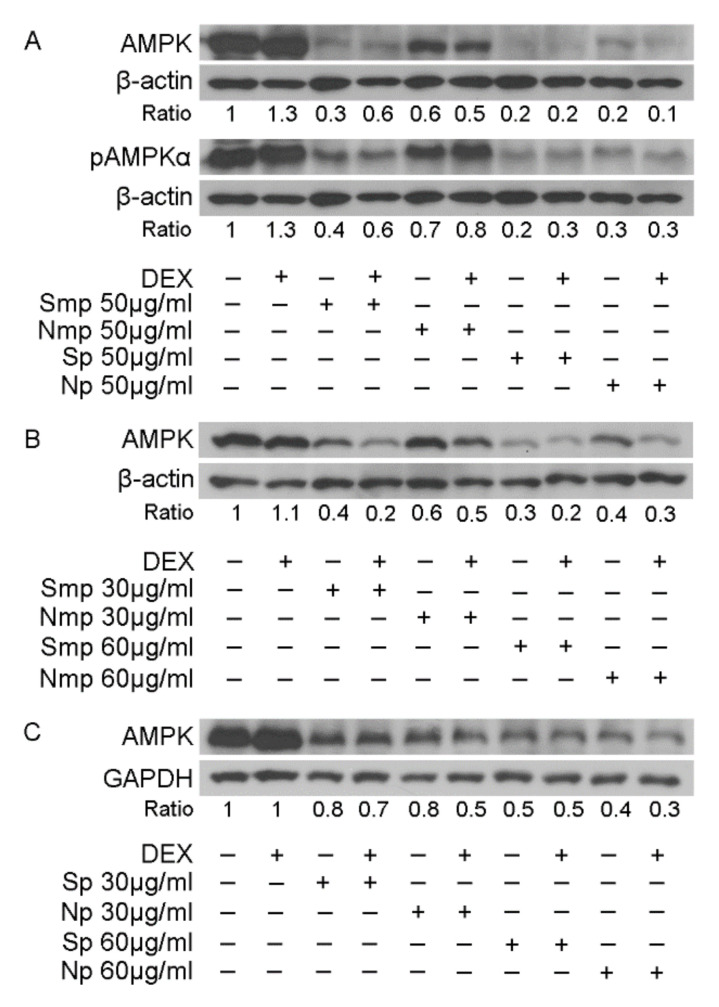
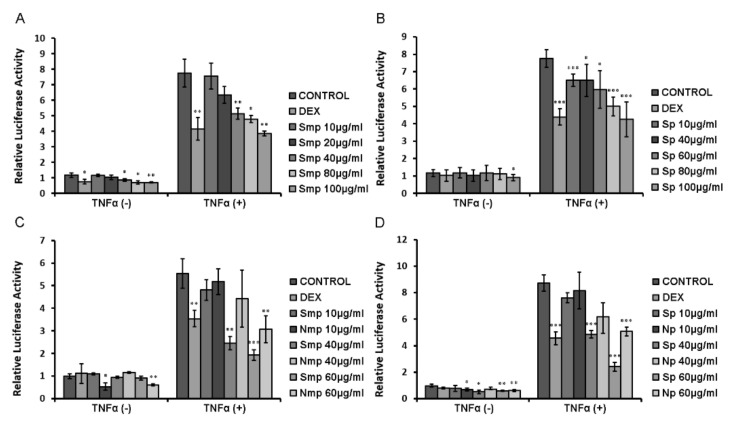
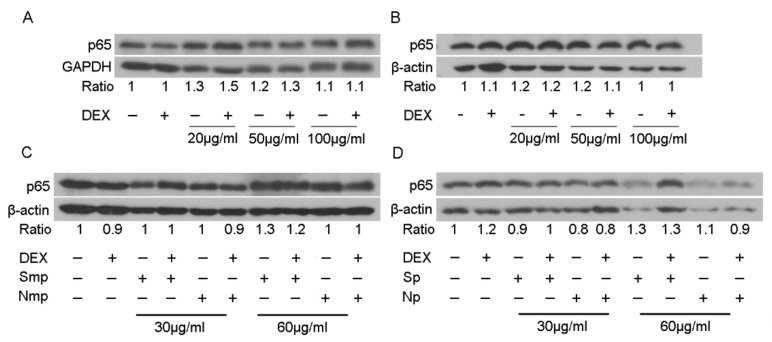
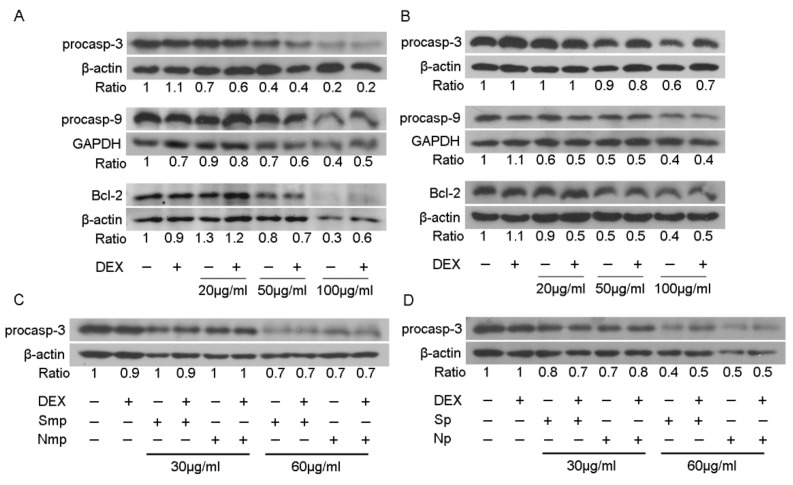
In this study acetonic extracts of leaves of L. . (mastiha tree) grown in the south as well as in the north Chios Greek island were isolated and further fractionated to give three different polarity fractions: apolar, medium-polar, and polar. The isolated fractions were assessed as regards their main composition, cytotoxic, anti-inflammatory activities, and interference with the glucocorticoid receptor (GR) signaling, applying cytotoxic assay, luciferase assays, and Western blot analysis of apoptosis-, energy-, and inflammation-associated molecules. Differences in cell viability have been detected among different polarity leaf fractions as well as among fractions of different plant origin with polar fractions showing the highest cytotoxicity. Fractions-induced anti-inflammatory activities and suppressive effects on the dexamethasone (DEX)-induced GR transcriptional activation were unveiled. The partition protocol of leaves fractions applied uncovers the enhanced glucocorticoid-associated biological activities of the medium-polar fractions, which may be associated with their enrichment in the triterpenoids that showed structural similarity with the glucocorticoids. A reduction in GR protein levels is observed by the fraction which is shown to be associated with the medium polar-induced proteolytic degradation of the receptor. In addition, the enhanced cytotoxic, anti-inflammatory, and potential anti-glycemic activities of the fractions from the Southern L. that exclusively produce the mastiha resin, is revealed, indicating that leaves fractions from mastiha tree, similarly to mastiha tree resin, may have the potential to be further analyzed for their potent applications in the pharmaceutical cosmetic and nutraceutical fields.
在本研究中,对生长在希腊希俄斯岛南部和北部的乳香黄连木(乳香树)叶片的丙酮提取物进行了分离,并进一步分馏得到三种不同极性的馏分:非极性、中等极性和极性。通过细胞毒性测定、荧光素酶测定以及对凋亡、能量和炎症相关分子的蛋白质印迹分析,对分离出的馏分的主要成分、细胞毒性、抗炎活性以及对糖皮质激素受体(GR)信号传导的干扰进行了评估。在不同极性的叶片馏分之间以及不同植物来源的馏分之间检测到了细胞活力的差异,其中极性馏分显示出最高的细胞毒性。揭示了馏分诱导的抗炎活性以及对地塞米松(DEX)诱导的GR转录激活的抑制作用。所应用的叶片馏分的分配方案揭示了中等极性馏分增强的糖皮质激素相关生物活性,这可能与其富含与糖皮质激素结构相似的三萜类化合物有关。观察到与中等极性诱导的受体蛋白水解降解相关的馏分导致GR蛋白水平降低。此外,还揭示了仅产生乳香树脂的南部乳香黄连木馏分增强的细胞毒性、抗炎和潜在的抗血糖活性,这表明乳香树的叶片馏分与乳香树树脂类似,可能有潜力在制药、化妆品和营养保健品领域进行进一步的有效应用分析。