Department of Oral Pathology, Shifa College of Dentistry, Shifa Tameer-e-Millat University, Islamabad 44000, Pakistan.
Department of Periodontics, Shifa College of Dentistry, Shifa Tameer-e-Millat University, Islamabad 44000, Pakistan.
Molecules. 2022 Mar 28;27(7):2174. doi: 10.3390/molecules27072174.
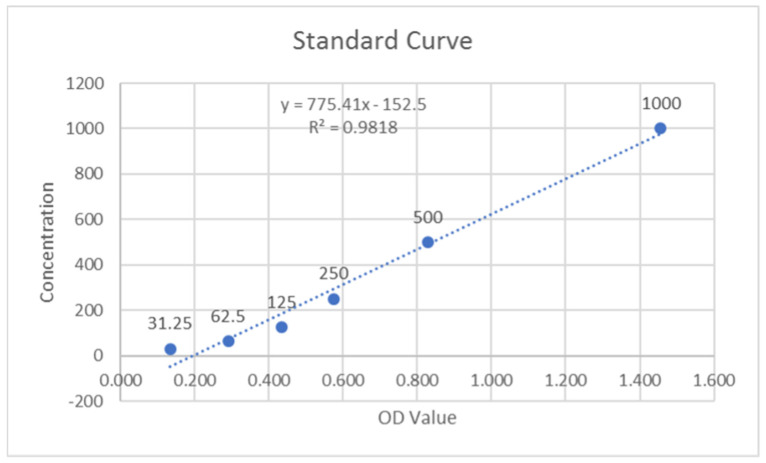
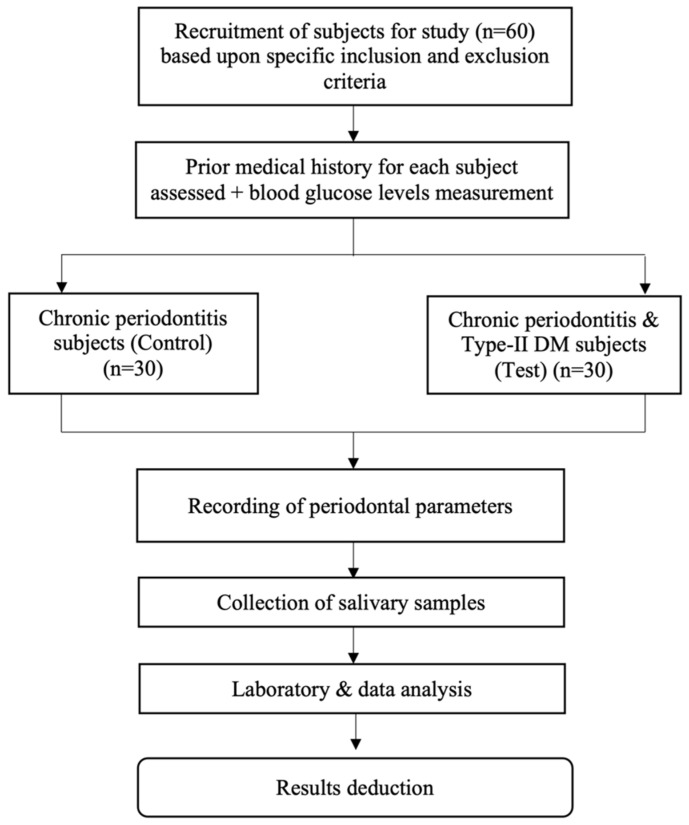
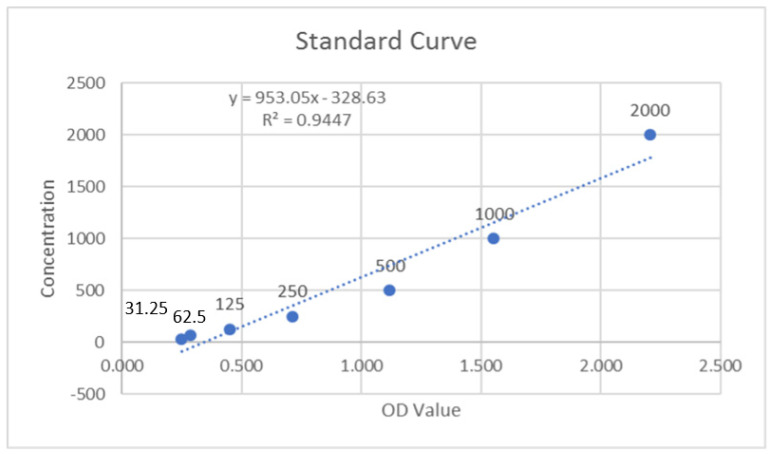
Chronic periodontitis and diabetes mellitus share a two-way relationship, the common factor being the inflammatory-mediated pathway, and various cytokines are released during this inflammatory cascade, one of which being matrix metalloproteinase-9. The aim of this study was to identify whether the levels of matrix metalloproteinase-9 are increased due to type-II diabetes mellitus in chronic periodontitis patients. It was an observational, analytical, case-control study. Thirty subjects were recruited in the test group, who were suffering from type-II diabetes mellitus and chronic periodontitis, and 30 subjects in the control group, who were subjects with chronic periodontitis but systemically healthy. Periodontal parameters, including the plaque score, gingival bleeding index, probing pocket depth and clinical attachment level of the subjects, were measured, saliva samples of all of the subjects were collected and salivary matrix metalloproteinase-9 levels were analyzed by an enzyme-linked immunosorbent assay (ELISA) technique. The statistical analysis was performed using SPSS 24. Overall, the matrix metalloproteinase-9 levels of the diabetic patients with chronic periodontitis were increased almost twofold (156.95 ± 29.80 ng/mL) compared to the levels in the controls (74.96 ± 6.32 ng/mL) (p < 0.001). Similarly, the periodontal parameters were far worse in diabetics with chronic periodontitis compared to the controls. The average gingivitis score for the test subjects was 78.45 ± 8.93%), compared to 29.32 ± 12.96% in the controls (p < 0.001). The mean probing pocket depth for the test group was 5.39 ± 0.60 mm, and, for the control group, it was 4.35 ± 0.31 mm (p < 0.001). For the test subjects, the average clinical attachment level was 5.86 ± 0.58 mm, and it was 4.66 ± 0.32 mm for the controls (p < 0.001). It was ascertained that there is a two-fold increase in the levels of salivary matrix metalloproteinase-9 in the test group compared to the control group. In addition, the level of periodontal apparatus destruction was greater in the test group. This proved that type-II diabetes mellitus influences the levels of matrix metalloproteinase-9 in humans and elevates them, causing further periodontal destruction.
慢性牙周炎和糖尿病之间存在双向关系,共同的因素是炎症介导途径,在此炎症级联反应中会释放各种细胞因子,其中一种是基质金属蛋白酶-9。本研究旨在确定 2 型糖尿病患者的慢性牙周炎中基质金属蛋白酶-9水平是否因 2 型糖尿病而升高。这是一项观察性、分析性、病例对照研究。将 30 名患有 2 型糖尿病和慢性牙周炎的患者纳入实验组,将 30 名患有慢性牙周炎但全身健康的患者纳入对照组。测量了所有受试者的牙周参数,包括菌斑指数、牙龈出血指数、探诊牙周袋深度和临床附着水平,并采集了所有受试者的唾液样本,通过酶联免疫吸附试验(ELISA)技术分析唾液基质金属蛋白酶-9 水平。使用 SPSS 24 进行统计分析。总的来说,患有慢性牙周炎的糖尿病患者的基质金属蛋白酶-9 水平几乎增加了一倍(156.95±29.80ng/mL),而对照组的水平为 74.96±6.32ng/mL(p<0.001)。同样,患有慢性牙周炎的糖尿病患者的牙周参数远差于对照组。实验组受试者的平均牙龈炎评分(78.45±8.93%),对照组为 29.32±12.96%(p<0.001)。实验组的平均探诊牙周袋深度为 5.39±0.60mm,对照组为 4.35±0.31mm(p<0.001)。实验组受试者的平均临床附着水平为 5.86±0.58mm,对照组为 4.66±0.32mm(p<0.001)。结果表明,实验组唾液基质金属蛋白酶-9 水平较对照组增加了一倍。此外,实验组牙周器破坏程度更大。这证明 2 型糖尿病会影响人类基质金属蛋白酶-9 的水平并使其升高,从而导致进一步的牙周破坏。