Department of Biomedical Sciences, Mercer University School of Medicine, Macon, GA 31201, USA.
Division of Clinical Pharmacology, Vanderbilt University Medical Center, Nashville, TN 37232, USA.
Int J Mol Sci. 2022 Apr 6;23(7):4047. doi: 10.3390/ijms23074047.
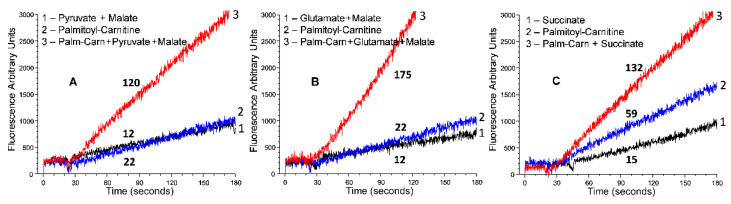
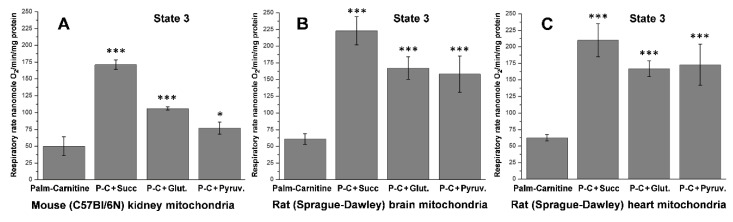
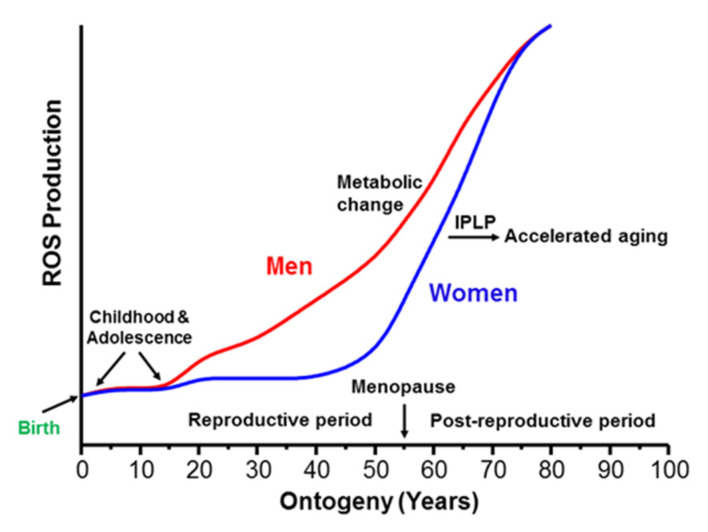
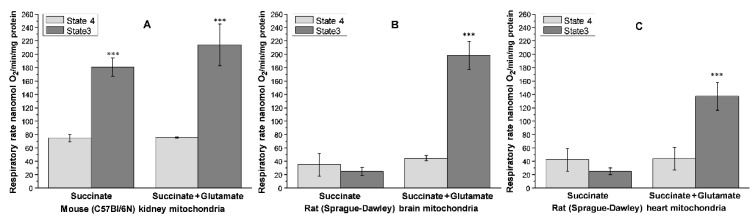
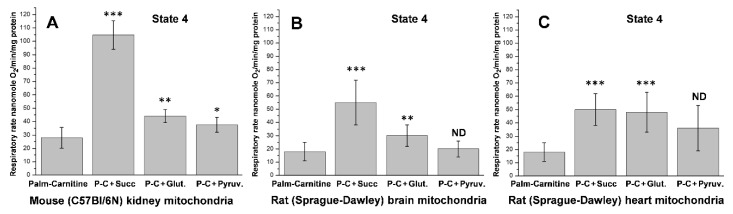
We present evidence that metabolic syndrome (MetS) represents the postreproductive stage of the human postembryonic ontogenesis. Accordingly, the genes governing this stage experience relatively weak evolutionary selection pressure, thus representing the metabolic phenotype of distant ancestors with β-oxidation of long-chain fatty acids (FAs) as the primary energy source. Mitochondria oxidize at high-rate FAs only when succinate, glutamate, or pyruvate are present. The heart and brain mitochondria work at a wide range of functional loads and possess an intrinsic inhibition of complex II to prevent oxidative stress at periods of low functional activity. Kidney mitochondria constantly work at a high rate and lack inhibition of complex II. We suggest that in people with MetS, oxidative stress is the central mechanism of the heart and brain pathologies. Oxidative stress is a secondary pathogenetic mechanism in the kidney, while the primary mechanisms are kidney hypoxia caused by persistent hyperglycemia and hypertension. Current evidence suggests that most of the nongenetic pathologies associated with MetS originate from the inconsistencies between the metabolic phenotype acquired after the transition to the postreproductive stage and excessive consumption of food rich in carbohydrates and a sedentary lifestyle.
我们提供的证据表明,代谢综合征(MetS)代表了人类胚胎后发生的生殖后阶段。相应地,控制这一阶段的基因经历了相对较弱的进化选择压力,因此代表了具有β-氧化长链脂肪酸(FAs)作为主要能量来源的远古祖先的代谢表型。只有当琥珀酸、谷氨酸或丙酮酸存在时,线粒体才会以高速度氧化 FAs。心脏和大脑线粒体在广泛的功能负荷下工作,并具有内在的复合物 II 抑制作用,以防止在功能活动低的时期发生氧化应激。肾脏线粒体始终以高速度工作,并且缺乏复合物 II 的抑制作用。我们认为,在患有 MetS 的人中,氧化应激是心脏和大脑病变的中心机制。氧化应激是肾脏的次要发病机制,而原发性机制是持续高血糖和高血压引起的肾脏缺氧。目前的证据表明,与 MetS 相关的大多数非遗传病理源于过渡到生殖后阶段后获得的代谢表型与富含碳水化合物的食物过度消耗和久坐不动的生活方式之间的不匹配。