Department of Clinical and Molecular Sciences, Università Politecnica Delle Marche, Via Tronto 10/a, 60020, Torrette Di Ancona, Italy.
Department of Orthopaedic and Trauma Surgery, Ospedali Riuniti, Ancona, Italy.
Musculoskelet Surg. 2023 Jun;107(2):223-230. doi: 10.1007/s12306-022-00745-y. Epub 2022 Apr 16.
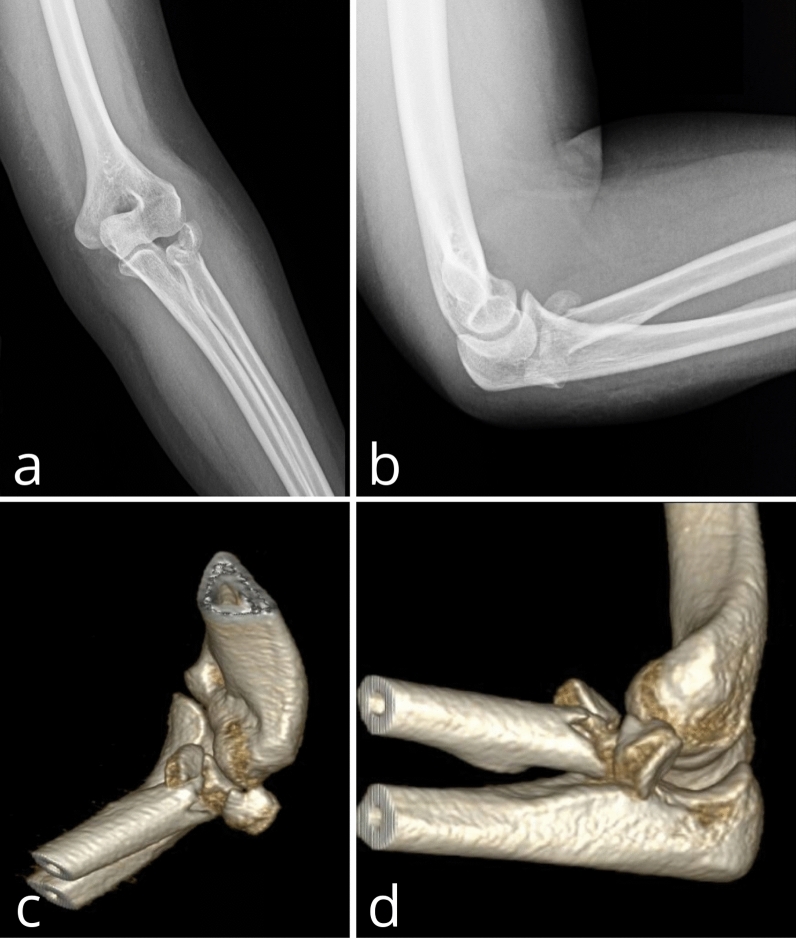
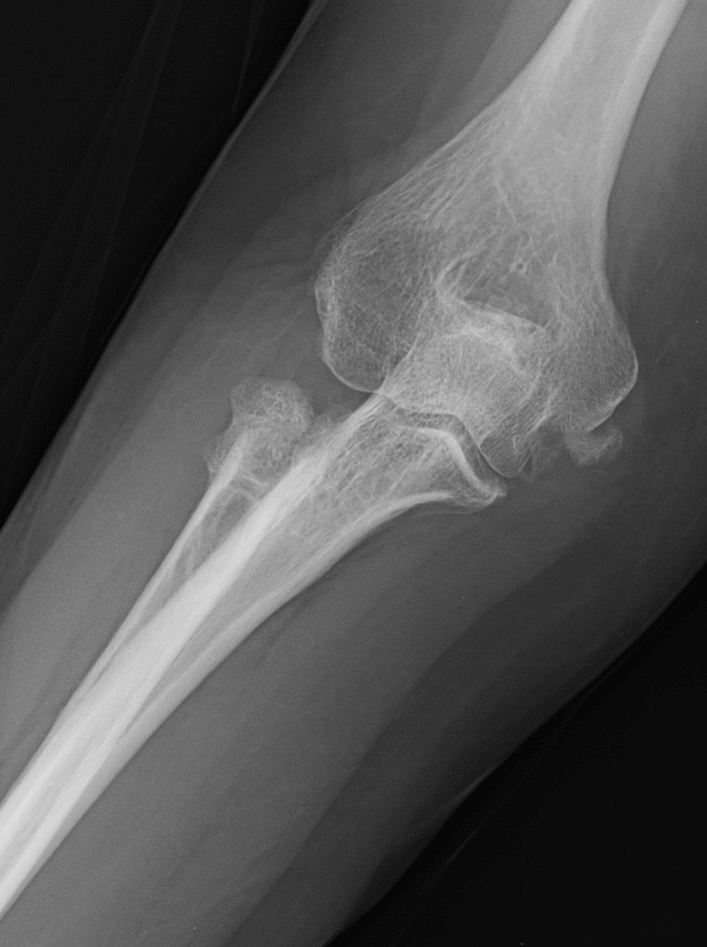
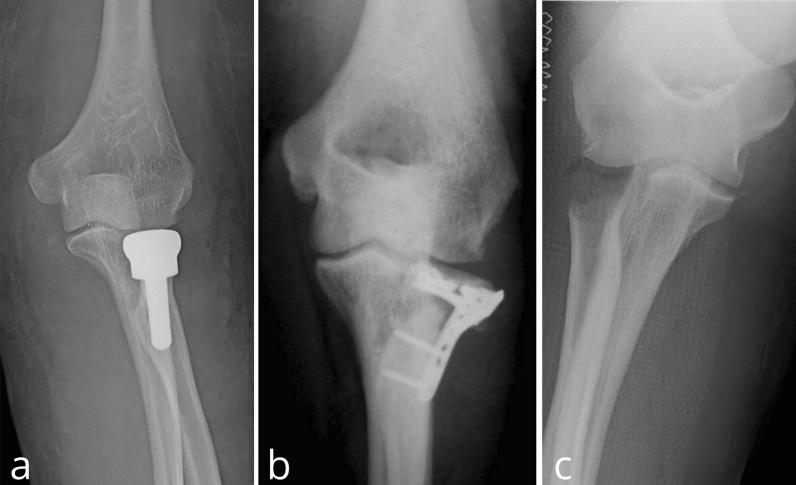
This study focused on a comparison of mid-term clinical, functional and radiographic outcomes of adults treated by open reduction and internal fixation (ORIF), radial head prosthesis (RHP) and resection (RHR).
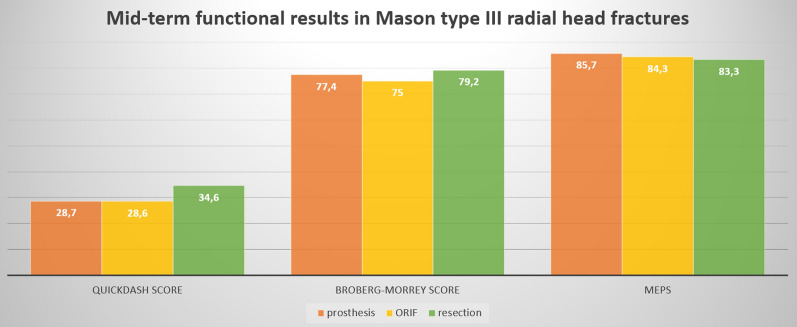
The retrospective evaluation concerned 47 surgically treated patients after a mean follow-up of 53 months. All patients were grouped according to the surgical procedure performed: 15 in the RHP group, 16 in the ORIF group and 16 in the RHR group. At the follow-up, outcome assessment was based on radiographs, range of motion (ROM) and functional rating scores.
Patients treated by RHR had significantly higher mean age and shorter operation time than other two groups. Compared to ROM, flexion, extension and pronation were significantly worse in patients treated by ORIF than those in the RHP group and the RHR group. Supination was significantly better in the RHP group. However, no statistical differences were observed in functional rating scores among the three groups. Regarding complications, instability was the only cause of revision surgery in the RHP group and the RHR group. On the other hand, the ORIF group revision rate was 50% and secondary displacement was the most frequent cause of failure.
The ORIF group did not show good results with greater elbow stiffness and higher revision rate than the other two techniques. RHR may be suitable for elderly patients with lower functional demands as it reported good clinical results and reduced operation time.
本研究比较了切开复位内固定(ORIF)、桡骨头假体(RHP)和切除术(RHR)治疗成人的中期临床、功能和影像学结果。
回顾性评估了 47 例平均随访 53 个月的手术治疗患者。所有患者均根据手术方式分为 RHP 组(15 例)、ORIF 组(16 例)和 RHR 组(16 例)。随访时,根据影像学、关节活动度(ROM)和功能评分进行疗效评估。
RHR 组患者的平均年龄明显高于其他两组,手术时间也明显短于其他两组。与 ROM 相比,ORIF 组患者的屈伸和旋前明显较差,而 RHP 组和 RHR 组则较好。RHP 组的旋后明显较好。然而,三组间功能评分无统计学差异。关于并发症,不稳定是 RHP 组和 RHR 组唯一导致翻修手术的原因。另一方面,ORIF 组的翻修率为 50%,二次移位是最常见的失败原因。
与其他两种技术相比,ORIF 组的肘部僵硬程度更大,翻修率更高,结果并不理想。RHR 可能适合功能要求较低的老年患者,因为它具有良好的临床效果和较短的手术时间。