Acer Patrick T, Kelly Lauren M, Lover Andrew A, Butler Caitlyn S
Department of Biostatistics and Epidemiology, University of Massachusetts Amherst, Arnold House, 715 North Pleasant Street, Amherst MA 01003, U.S.
Department of Environmental and Water Resources Engineering, University of Massachusetts Amherst, Engineering Lab II, 101 N Service Rd, Amherst MA 01003, U.S.
medRxiv. 2022 Apr 11:2022.04.07.22273534. doi: 10.1101/2022.04.07.22273534.
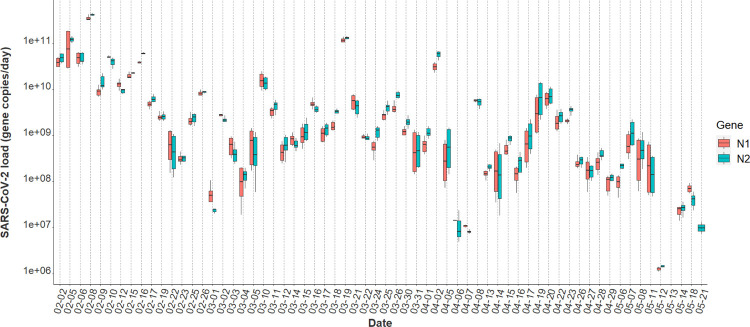
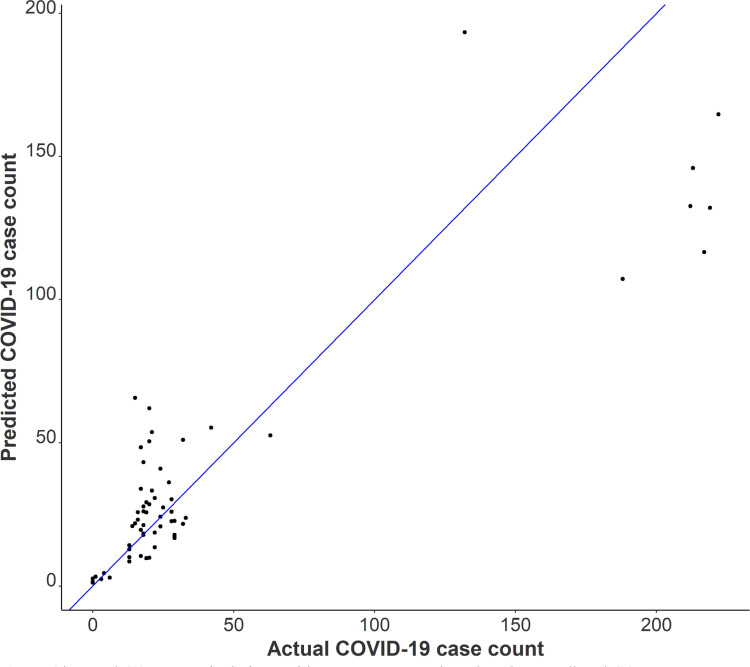
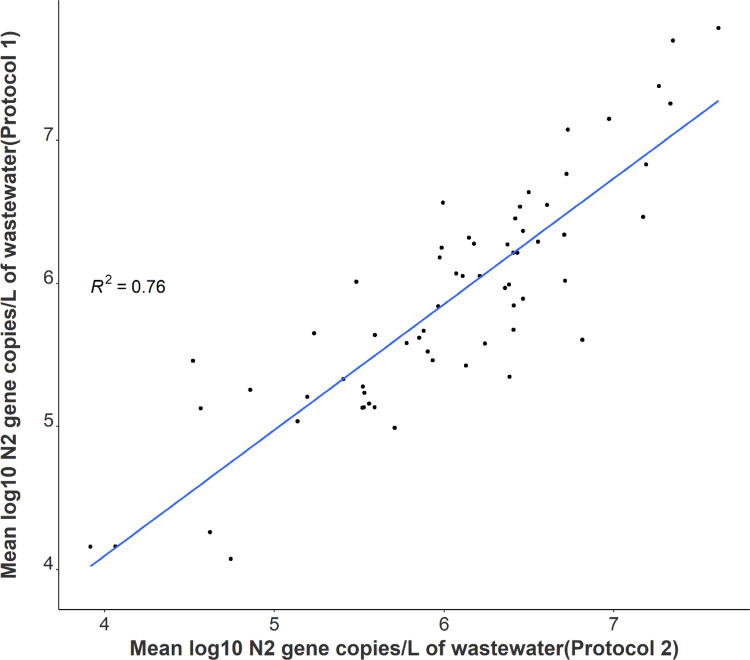
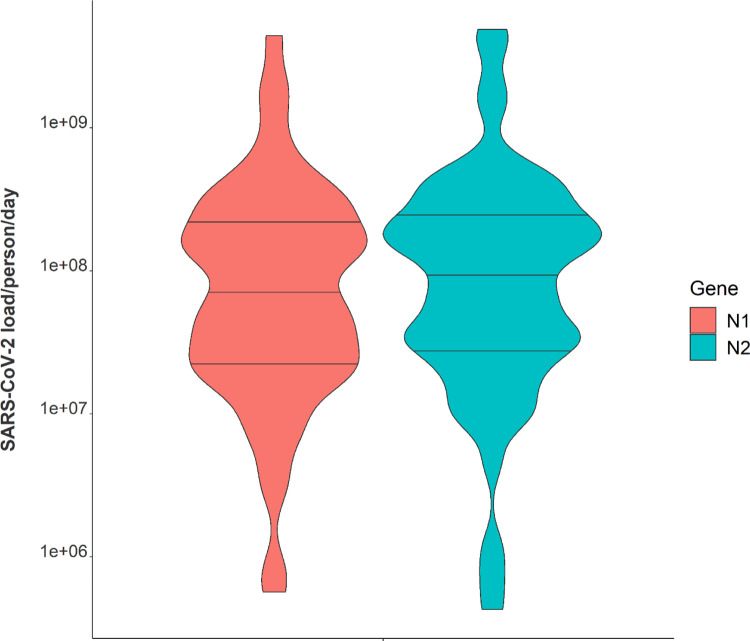
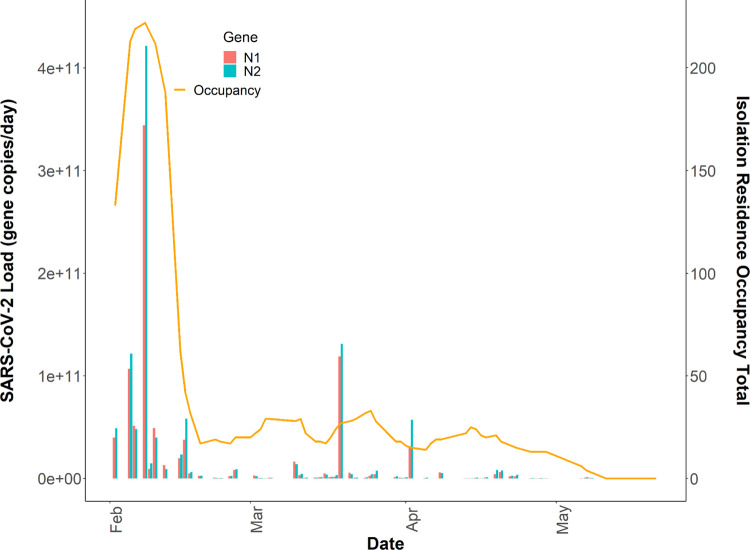
SARS-CoV-2 RNA can be detected in the excreta of individuals with COVID-19 and has demonstrated a positive correlation with various clinical parameters. Consequently, wastewater-based epidemiology (WBE) approaches have been implemented globally as a public health surveillance tool to monitor the community-level prevalence of infections. Over 270 higher education campuses monitor wastewater for SARS-CoV-2, with most gathering either composite samples via automatic samplers (autosamplers) or grab samples. However, autosamplers are expensive and challenging to manage with seasonal variability, while grab samples are particularly susceptible to temporal variation when sampling sewage directly from complex matrices outside residential buildings. Prior studies have demonstrated encouraging results utilizing passive sampling swabs. Such methods can offer affordable, practical, and scalable alternatives to traditional methods while maintaining a reproducible SARS-CoV-2 signal. In this regard, we deployed tampons as passive samplers outside of a COVID-19 isolation unit (a segregated residence hall) at a university campus from February 1, 2021 â€" May 21, 2021. Samples were collected several times weekly and remained within the sewer for a minimum of 24 hours (n = 64). SARS-CoV-2 RNA was quantified using reverse transcription-quantitative polymerase chain reaction (RT-qPCR) targeting the viral N1 and N2 gene fragments. We quantified the mean viral load captured per individual and the association between the daily viral load and total persons, adjusting for covariates using multivariable models to provide a baseline estimate of viral shedding. Samples were processed through two distinct laboratory pipelines on campus, yielding highly correlated N2 concentrations. Data obtained here highlight the success of passive sampling utilizing tampons to capture SARS-CoV-2 in wastewater coming from a COVID-19 isolation residence, indicating that this method can help inform public health responses in a range of settings.
Daily SARS-CoV-2 RNA loads in building-level wastewater were positively associated with the total number of COVID-19 positive individuals in the residenceThe variation in individual fecal shedding rates of SARS-CoV-2 extended four orders of magnitudeWastewater sample replicates were highly correlated using distinct processing pipelines in two independent laboratoriesWhile the isolation residence was occupied, SARS-CoV-2 RNA was detected in all passive samples.
在新冠肺炎患者的排泄物中可检测到严重急性呼吸综合征冠状病毒2(SARS-CoV-2)RNA,并且已证明其与各种临床参数呈正相关。因此,基于废水的流行病学(WBE)方法已在全球范围内作为一种公共卫生监测工具实施,以监测社区层面的感染流行情况。超过270个高等教育校园对废水中的SARS-CoV-2进行监测,大多数通过自动采样器采集混合样本或抓取样本。然而,自动采样器价格昂贵且难以应对季节性变化,而当直接从居民楼外的复杂基质中采集污水样本时,抓取样本特别容易受到时间变化的影响。先前的研究表明,使用被动采样拭子取得了令人鼓舞的结果。这些方法可以在保持可重复的SARS-CoV-2信号的同时,为传统方法提供经济实惠、实用且可扩展的替代方案。在这方面,我们于2021年2月1日至2021年5月21日在大学校园的一个新冠肺炎隔离单元(一个独立的宿舍楼)外将卫生棉条用作被动采样器。每周采集几次样本,样本在下水道中至少留存24小时(n = 64)。使用针对病毒N1和N2基因片段的逆转录定量聚合酶链反应(RT-qPCR)对SARS-CoV-2 RNA进行定量。我们对每个人捕获的平均病毒载量以及每日病毒载量与总人数之间的关联进行了量化,并使用多变量模型对协变量进行调整,以提供病毒排泄的基线估计。样本通过校园内两条不同的实验室流程进行处理,得出高度相关的N2浓度。此处获得的数据突出了使用卫生棉条作为被动采样器在来自新冠肺炎隔离住所的废水中捕获SARS-CoV-2的成功,表明该方法有助于为一系列环境中的公共卫生应对提供信息。
建筑物层面废水中每日的SARS-CoV-2 RNA载量与住所中新冠肺炎阳性个体的总数呈正相关
SARS-CoV-2个体粪便排泄率的变化范围达四个数量级
在两个独立实验室中使用不同的处理流程,废水样本复制品高度相关
在隔离住所有人居住期间,在所有被动样本中均检测到SARS-CoV-2 RNA