Shah Rohan M, Jadhav Snehal R, Phan Laura, Tremellen Kelton, Tran Cuong D, Beale David J
Land and Water, Commonwealth Scientific and Industrial Research Organization, Ecosciences Precinct, Dutton Park, QLD 4102, Australia.
Department of Chemistry and Biotechnology, School of Science, Swinburne University of Technology, Melbourne, VIC 3122, Australia.
Metabolites. 2022 Mar 29;12(4):302. doi: 10.3390/metabo12040302.
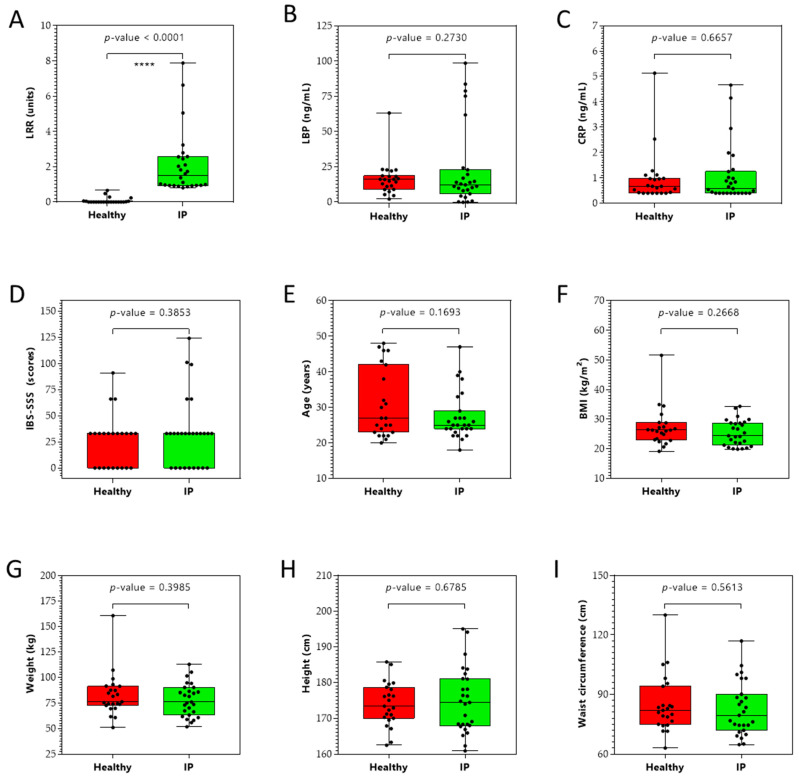
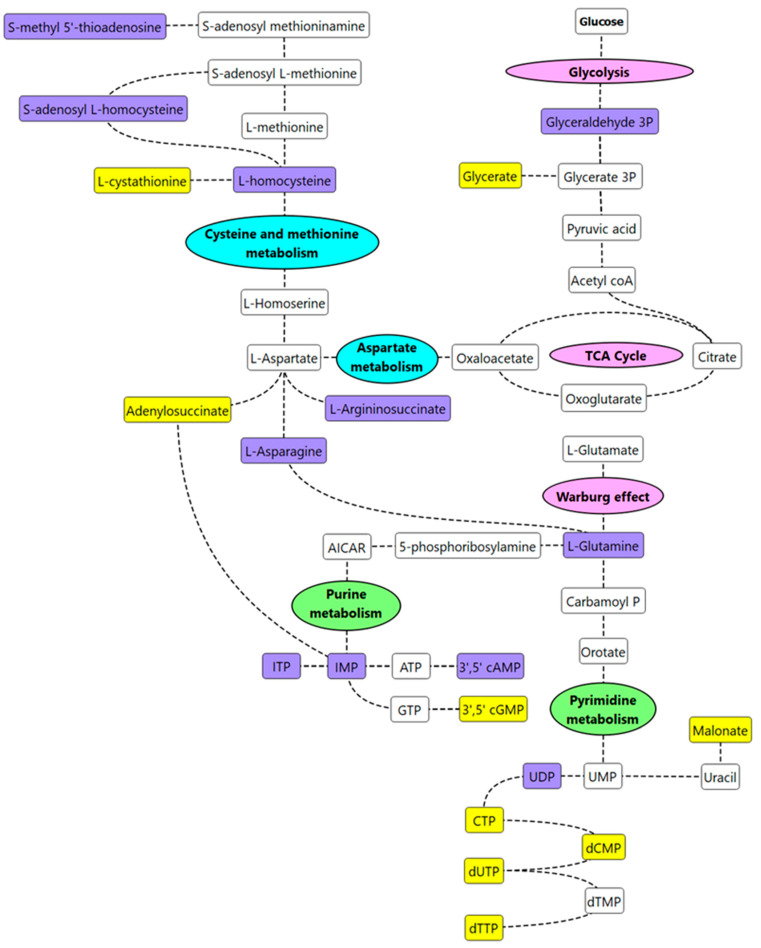
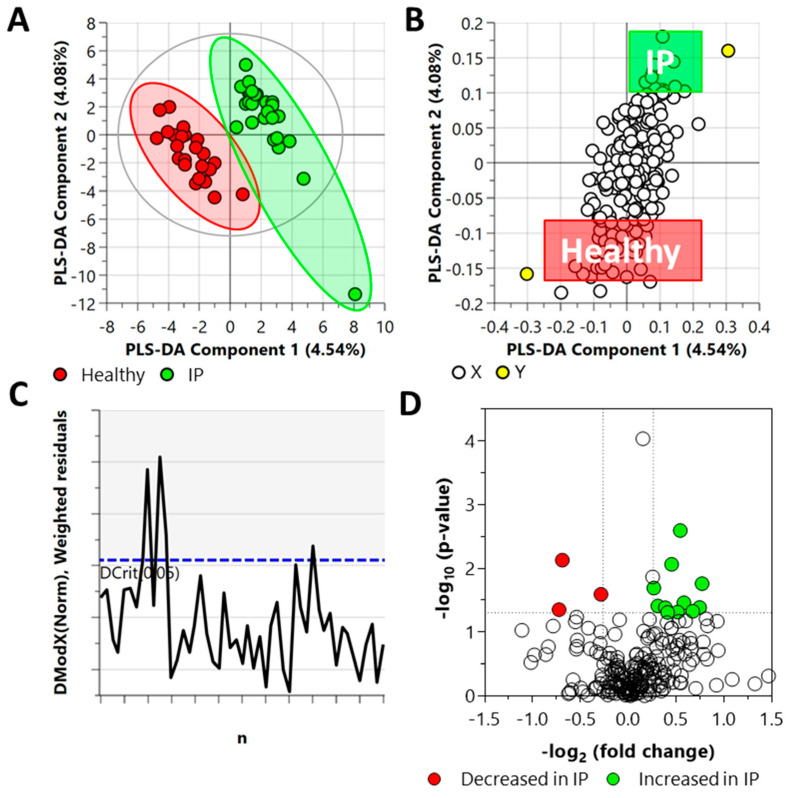
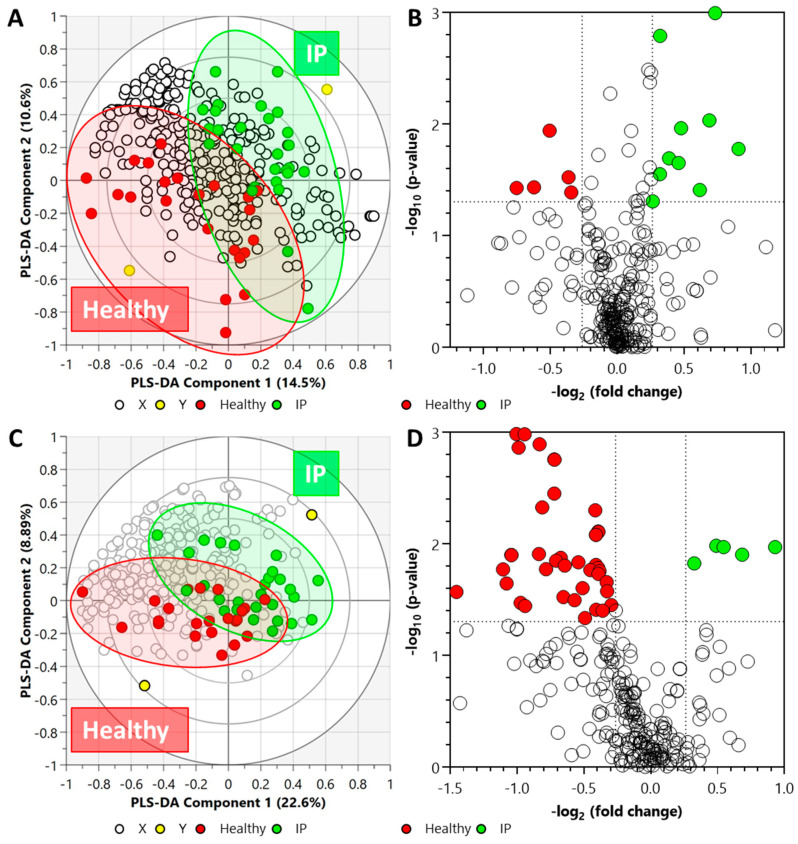
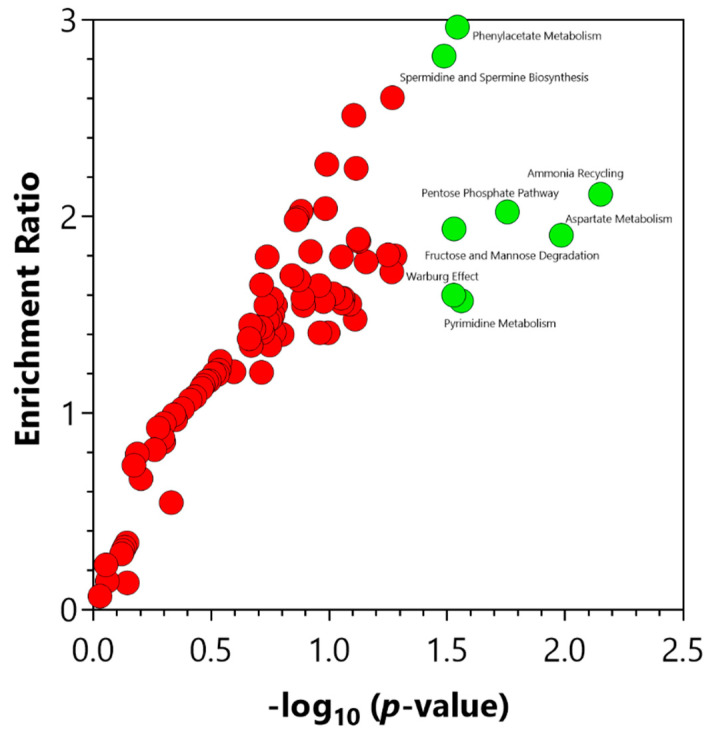
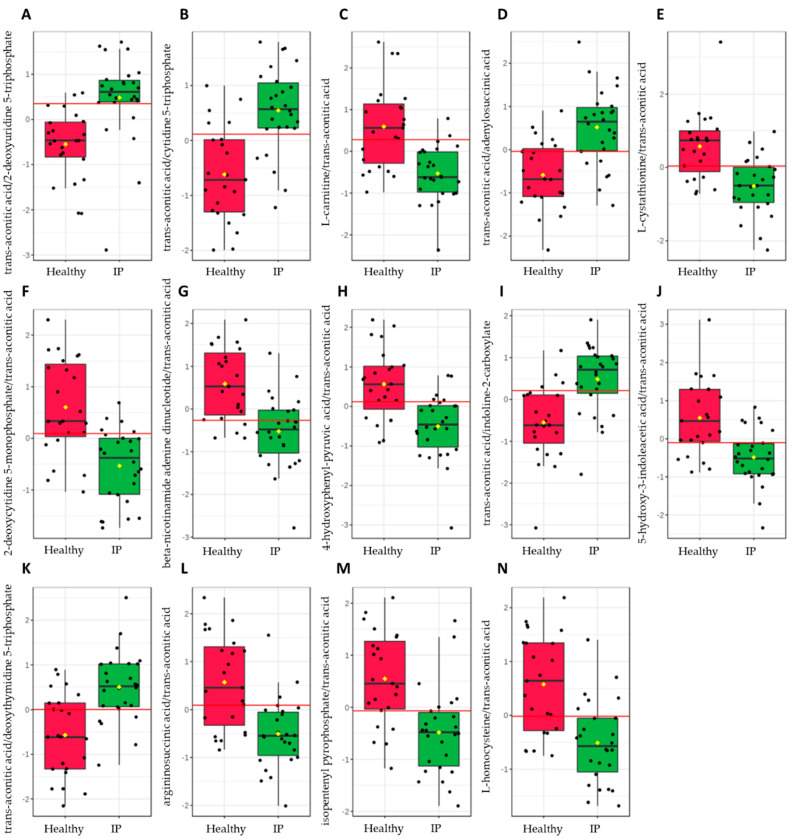
The dual-sugar intestinal permeability test is a commonly used test to assess changes in gut barrier function. However, it does not identify functional changes and the exact mechanism of damage caused by the increased intestinal permeability. This study aims to explore the application of untargeted metabolomics and lipidomics to identify markers of increased intestinal permeability. Fifty fasting male participants (18-50 years) attended a single visit to conduct the following procedures: assessment of anthropometric measures, assessment of gastrointestinal symptoms, intestinal permeability test, and assessment of blood samples 90 min post-administration of the intestinal permeability test. Rhamnose and lactulose were analysed using gas chromatography-mass spectrometry (GC-MS). Untargeted polar metabolites and lipidomics were assessed by liquid chromatography quadrupole time-of-flight mass spectrometry (LC-QToF MS). There was an elevated lactulose/rhamnose ratio in 27 subjects, indicating increased permeability compared to the remaining 23 control subjects. There were no significant differences between groups in characteristics such as age, body mass index (BMI), weight, height, and waist conference. Fourteen metabolites from the targeted metabolomics data were identified as statistically significant in the plasma samples from intestinal permeability subjects. The untargeted metabolomics and lipidomics analyses yielded fifteen and fifty-one statistically significant features, respectively. Individuals with slightly elevated intestinal permeability had altered energy, nucleotide, and amino acid metabolism, in addition to increased glutamine levels. Whether these biomarkers may be used to predict the early onset of leaky gut warrants further investigation.
双糖肠道通透性试验是一种常用的评估肠道屏障功能变化的试验。然而,它无法识别功能变化以及肠道通透性增加所导致的损伤的确切机制。本研究旨在探索非靶向代谢组学和脂质组学在识别肠道通透性增加标志物方面的应用。五十名空腹男性参与者(18 - 50岁)参加了一次就诊,进行以下程序:人体测量评估、胃肠道症状评估、肠道通透性试验以及在肠道通透性试验给药后90分钟采集血样进行评估。使用气相色谱 - 质谱联用仪(GC - MS)分析鼠李糖和乳果糖。通过液相色谱四极杆飞行时间质谱仪(LC - QToF MS)评估非靶向极性代谢物和脂质组学。27名受试者的乳果糖/鼠李糖比值升高,表明与其余23名对照受试者相比通透性增加。在年龄、体重指数(BMI)、体重、身高和腰围等特征方面,两组之间没有显著差异。在肠道通透性受试者的血浆样本中,从靶向代谢组学数据中鉴定出14种代谢物具有统计学意义。非靶向代谢组学和脂质组学分析分别产生了15个和51个具有统计学意义的特征。肠道通透性略有升高的个体除了谷氨酰胺水平升高外,能量、核苷酸和氨基酸代谢也发生了改变。这些生物标志物是否可用于预测肠道渗漏的早期发作值得进一步研究。