van der Walt Karin, Burritt David J, Nadarajan Jayanthi
Ōtari Native Botanic Garden, Wellington City Council, 150 Wilton Road, Wellington 6012, New Zealand.
School of Agriculture and Environment, Massey University, Palmerston North 4410, New Zealand.
Plants (Basel). 2022 Apr 13;11(8):1056. doi: 10.3390/plants11081056.
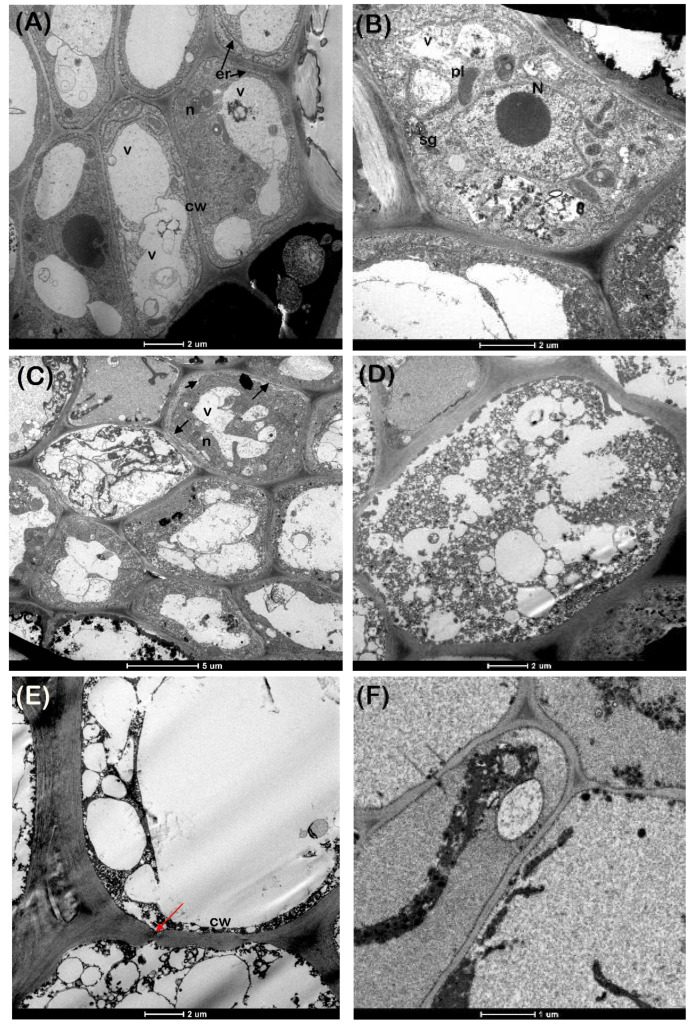
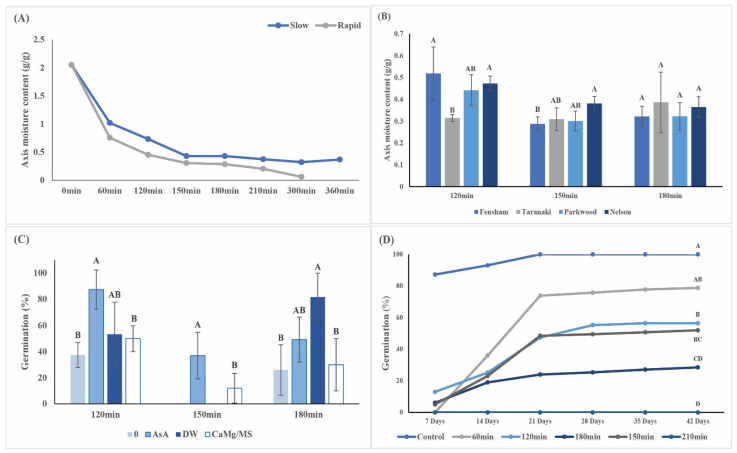
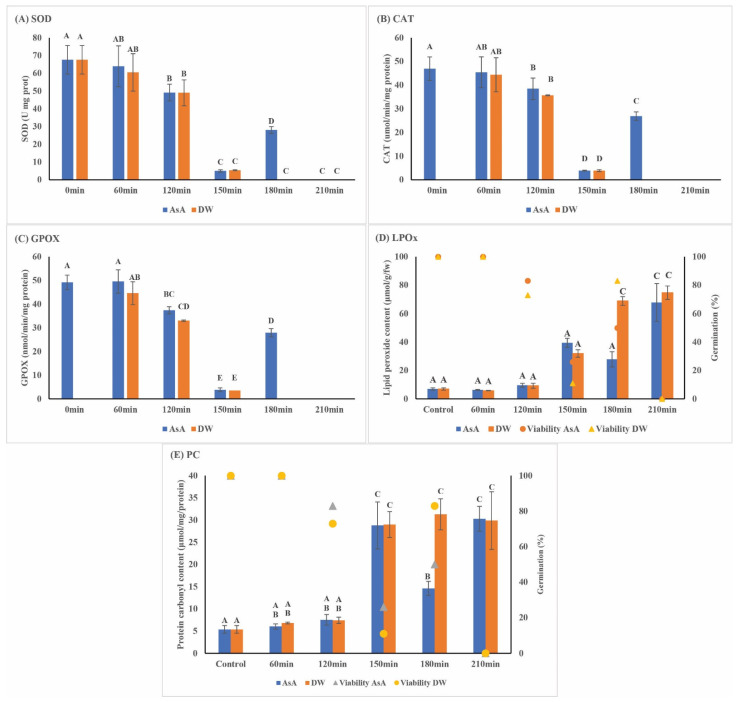
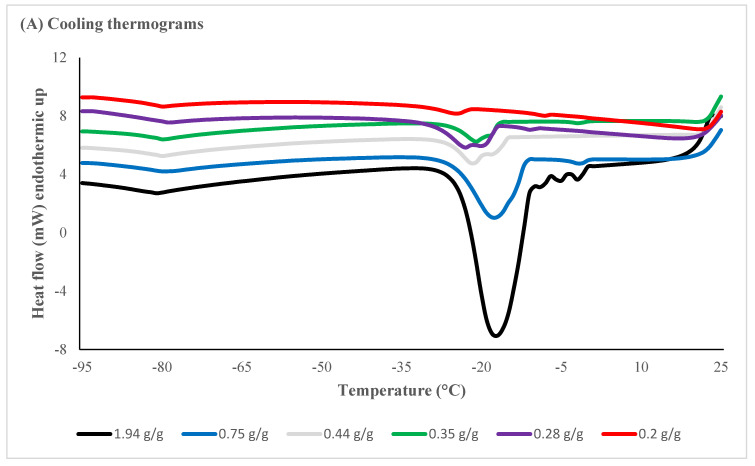
Syzygium maire is a highly threatened Myrtaceae tree species endemic to New Zealand. Due to its recalcitrant seed storage behaviour, cryopreservation is the only viable long-term ex situ conservation option for this species. This study investigated viability, oxidative stress, thermal properties, and ultrastructure of zygotic embryo axes (EAs) desiccated to various moisture contents (MC). Fresh EAs had a MC of c. 1.9 g/g with 100% viability but rapid desiccation to MC < 0.3 g/g significantly reduced viability and decreased the activities of the enzymatic antioxidants superoxide dismutase, catalase and glutathione peroxidase, with a sevenfold increase in the production of protein carbonyls and lipid peroxides. Differential Scanning Calorimetry analysis showed no thermal events in EAs desiccated to a MC of <0.2 g/g, indicating that all freezable water had been removed, but this was lethal to both EAs and enzymatic antioxidants. The ultrastructure of desiccated EAs showed signs of plasmolysis, while fully hydrated EAs exposed to cryogenic temperature had ultrastructural disintegration and membrane damage. The decline in enzymatic antioxidant activities and the increase in lipid peroxidation suggest that S. maire EA viability loss is due to oxidative stress rather than structural impacts.
马氏蒲桃是新西兰特有的一种受严重威胁的桃金娘科树种。由于其种子具有顽拗性的储存特性,超低温保存是该物种唯一可行的长期迁地保护选择。本研究调查了脱水至不同含水量(MC)的合子胚轴(EA)的活力、氧化应激、热性质和超微结构。新鲜胚轴的含水量约为1.9 g/g,活力为100%,但快速脱水至含水量<0.3 g/g会显著降低活力,并降低超氧化物歧化酶、过氧化氢酶和谷胱甘肽过氧化物酶等酶促抗氧化剂的活性,同时蛋白质羰基和脂质过氧化物的生成量增加了七倍。差示扫描量热法分析表明,脱水至含水量<0.2 g/g的胚轴未发生热事件,这表明所有可冻结水均已去除,但这对胚轴和酶促抗氧化剂均具有致死性。脱水胚轴的超微结构显示出质壁分离的迹象,而暴露于低温的完全水合胚轴则发生了超微结构解体和膜损伤。酶促抗氧化剂活性的下降和脂质过氧化作用的增加表明,马氏蒲桃胚轴活力丧失是由于氧化应激而非结构影响。