Stuby Loric, Suppan Laurent, Jampen Laurent, Thurre David
Genève TEAM Ambulances, Emergency Medical Services, CH-1201 Geneva, Switzerland.
Division of Emergency Medicine, Department of Anaesthesiology, Clinical Pharmacology, Intensive Care and Emergency Medicine, Geneva University Hospitals, Faculty of Medicine, University of Geneva, CH-1211 Geneva, Switzerland.
Healthcare (Basel). 2022 Apr 13;10(4):718. doi: 10.3390/healthcare10040718.
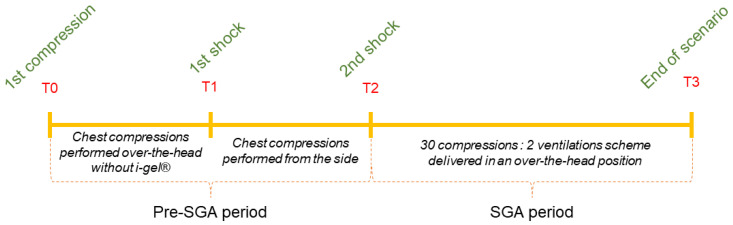
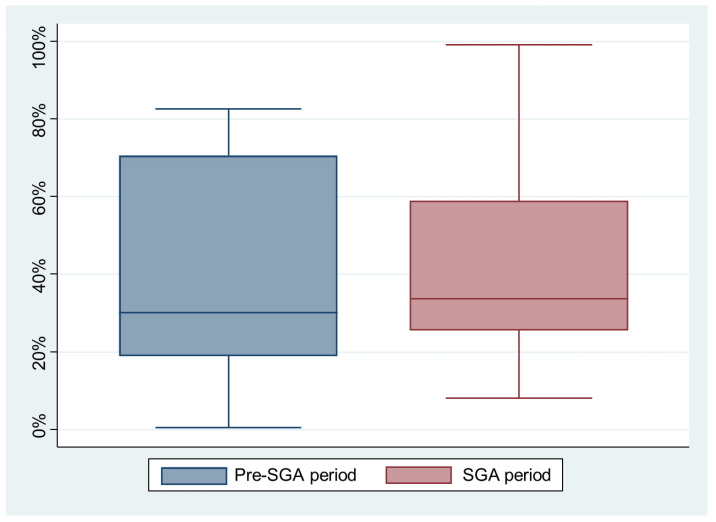
There is considerable controversy regarding the optimal airway management strategy in the case of out-of-hospital cardiac arrest. Registry-based studies yield contradicting results and the actual impact of using supraglottic devices on survival and neurological outcomes remains unknown. In a recent simulation study, the use of an i-gel device was associated with significantly shallower chest compressions. It was hypothesized that these shallower compressions could be linked to the provision of chest compressions in an over-the-head position, to the cumbersome airway management apparatus, and to a shallower i-gel insertion depth in the manikin. To test this hypothesis, we carried out a post hoc analysis, which is described in this report. Briefly, no association was found between the over-the-head position and compression depth.
对于院外心脏骤停时的最佳气道管理策略存在相当大的争议。基于登记处的研究得出了相互矛盾的结果,使用声门上装置对生存和神经学预后的实际影响仍然未知。在最近的一项模拟研究中,使用i-gel装置与明显较浅的胸外按压有关。据推测,这些较浅的按压可能与在头部上方位置进行胸外按压、笨重的气道管理设备以及在人体模型中较浅的i-gel插入深度有关。为了验证这一假设,我们进行了一项事后分析,本报告对此进行了描述。简而言之,未发现头部上方位置与按压深度之间存在关联。