• 文献检索
  • 文档翻译
  • 深度研究
  • 学术资讯
  • Suppr Zotero 插件Zotero 插件
  • 邀请有礼
  • 套餐&价格
  • 历史记录
应用&插件
Suppr Zotero 插件Zotero 插件浏览器插件Mac 客户端Windows 客户端微信小程序
定价
高级版会员购买积分包购买API积分包
服务
文献检索文档翻译深度研究API 文档MCP 服务
关于我们
关于 Suppr公司介绍联系我们用户协议隐私条款
关注我们

Suppr 超能文献

核心技术专利:CN118964589B侵权必究
粤ICP备2023148730 号-1Suppr @ 2026

文献检索

告别复杂PubMed语法,用中文像聊天一样搜索,搜遍4000万医学文献。AI智能推荐,让科研检索更轻松。

立即免费搜索

文件翻译

保留排版,准确专业,支持PDF/Word/PPT等文件格式,支持 12+语言互译。

免费翻译文档

深度研究

AI帮你快速写综述,25分钟生成高质量综述,智能提取关键信息,辅助科研写作。

立即免费体验

聚乳酸/聚 3-羟基丁酸酯生物复合材料与不同处理的纤维素纤维。

Poly(lactic acid)/Poly(3-hydroxybutyrate) Biocomposites with Differently Treated Cellulose Fibers.

机构信息

National Institute for Research & Development in Chemistry and Petrochemistry-ICECHIM, 202 Splaiul Independentei, 060021 Bucharest, Romania.

出版信息

Molecules. 2022 Apr 7;27(8):2390. doi: 10.3390/molecules27082390.

DOI:10.3390/molecules27082390
PMID:35458593
原文链接:https://pmc.ncbi.nlm.nih.gov/articles/PMC9032581/
Abstract

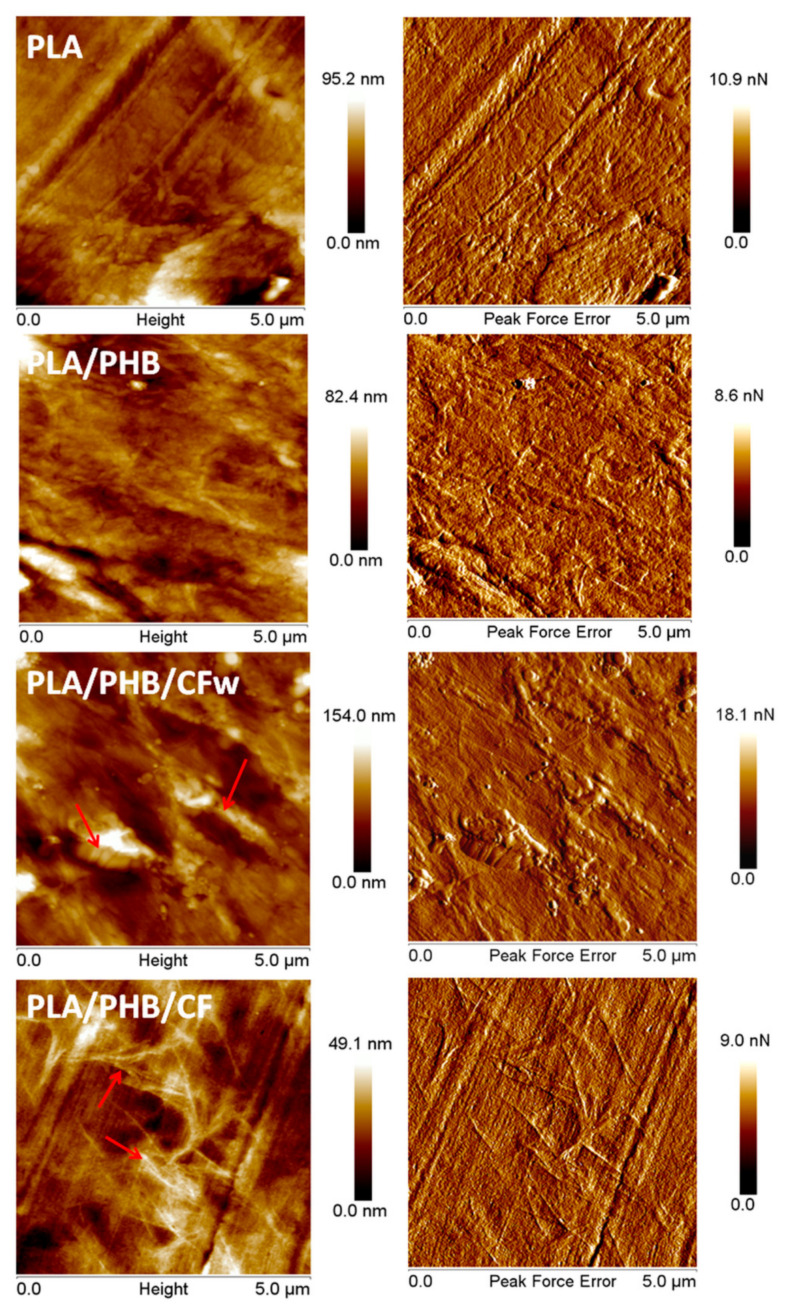
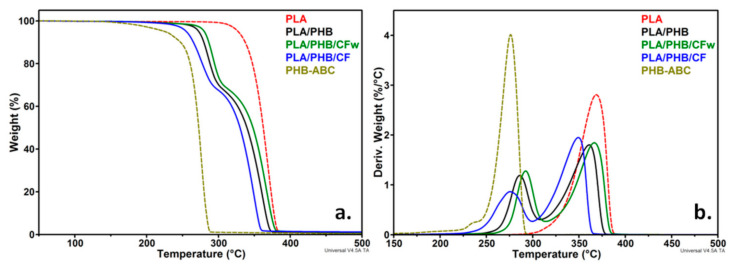
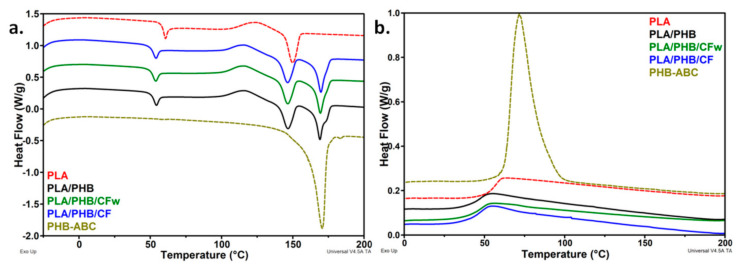
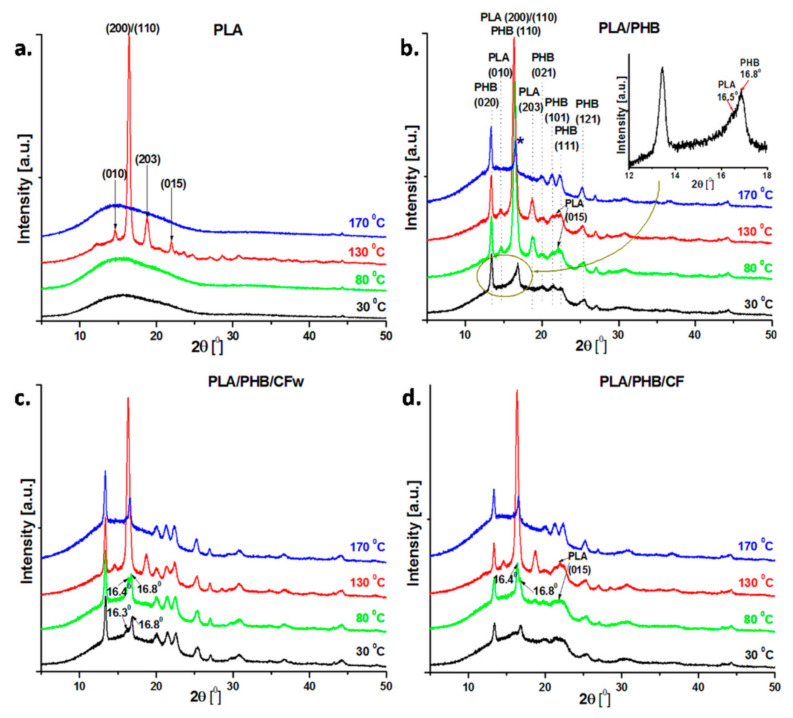
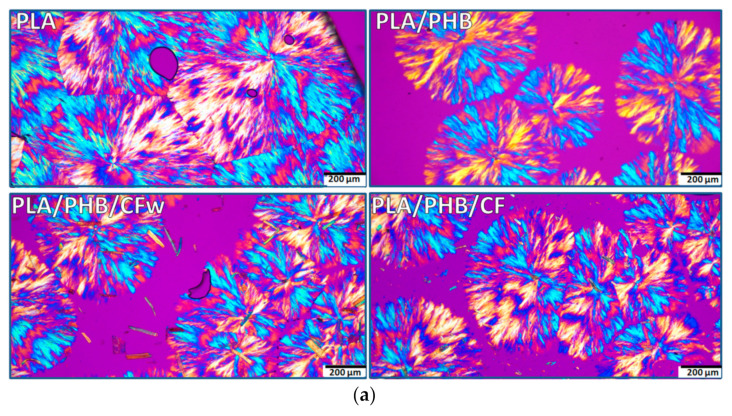
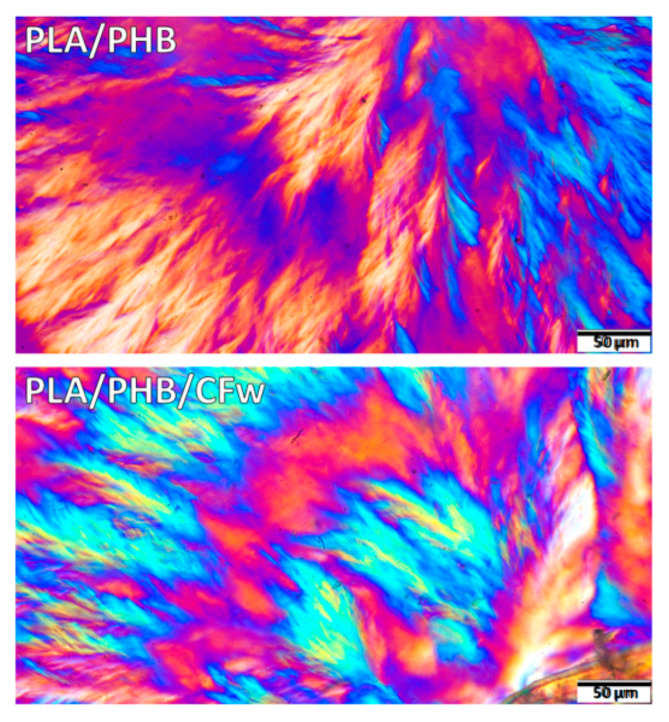
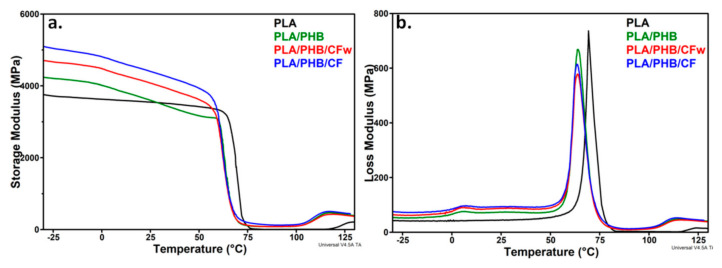
The growing concern about environmental pollution has generated an increased demand for biobased and biodegradable materials intended particularly for the packaging sector. Thus, this study focuses on the effect of two different cellulosic reinforcements and plasticized poly(3-hydroxybutyrate) (PHB) on the properties of poly(lactic acid) (PLA). The cellulose fibers containing lignin (CFw) were isolated from wood waste by mechanical treatment, while the ones without lignin (CF) were obtained from pure cellulose by acid hydrolysis. The biocomposites were prepared by means of a melt compounding-masterbatch technique for the better dispersion of additives. The effect of the presence or absence of lignin and of the size of the cellulosic fibers on the properties of PLA and PLA/PHB was emphasized by using in situ X-ray diffraction, polarized optical microscopy, atomic force microscopy, and mechanical and thermal analyses. An improvement of the mechanical properties of PLA and PLA/PHB was achieved in the presence of CF fibers due to their smaller size, while CFw fibers promoted an increased thermal stability of PLA/PHB, owing to the presence of lignin. The overall thermal and mechanical results show the great potential of using cheap cellulose fibers from wood waste to obtain PLA/PHB-based materials for packaging applications as an alternative to using fossil based materials. In addition, in situ X-ray diffraction analysis over a large temperature range has proven to be a useful technique to better understand changes in the crystal structure of complex biomaterials.

摘要

对环境污染的日益关注导致人们对生物基和可生物降解材料的需求增加,这些材料特别用于包装行业。因此,本研究专注于两种不同的纤维素增强剂和增塑聚(3-羟基丁酸酯)(PHB)对聚乳酸(PLA)性能的影响。含木质素的纤维素纤维(CFw)通过机械处理从木材废料中分离出来,而不含木质素的纤维素纤维(CF)则通过酸水解从纯纤维素中获得。通过熔融共混-母粒技术制备生物复合材料,以更好地分散添加剂。通过使用原位 X 射线衍射、偏光显微镜、原子力显微镜以及机械和热分析,强调了木质素的存在与否以及纤维素纤维的尺寸对 PLA 和 PLA/PHB 性能的影响。由于 CF 纤维的尺寸较小,在添加 CF 纤维的情况下,PLA 和 PLA/PHB 的力学性能得到了提高,而 CFw 纤维由于存在木质素,促进了 PLA/PHB 的热稳定性的提高。总体热学和力学结果表明,使用来自木材废料的廉价纤维素纤维来获得 PLA/PHB 基材料用于包装应用具有很大的潜力,可以替代使用化石基材料。此外,在较大温度范围内进行的原位 X 射线衍射分析已被证明是一种有用的技术,可以更好地理解复杂生物材料晶体结构的变化。

https://cdn.ncbi.nlm.nih.gov/pmc/blobs/d5ea/9032581/697cc5378171/molecules-27-02390-g008.jpg
https://cdn.ncbi.nlm.nih.gov/pmc/blobs/d5ea/9032581/8c8611f66927/molecules-27-02390-g001.jpg
https://cdn.ncbi.nlm.nih.gov/pmc/blobs/d5ea/9032581/6870dbf09397/molecules-27-02390-g002.jpg
https://cdn.ncbi.nlm.nih.gov/pmc/blobs/d5ea/9032581/af15b6c30d7f/molecules-27-02390-g003.jpg
https://cdn.ncbi.nlm.nih.gov/pmc/blobs/d5ea/9032581/552a3400ca2d/molecules-27-02390-g004.jpg
https://cdn.ncbi.nlm.nih.gov/pmc/blobs/d5ea/9032581/c95e9d331346/molecules-27-02390-g005a.jpg
https://cdn.ncbi.nlm.nih.gov/pmc/blobs/d5ea/9032581/3855484ec552/molecules-27-02390-g006.jpg
https://cdn.ncbi.nlm.nih.gov/pmc/blobs/d5ea/9032581/3bfd67870e41/molecules-27-02390-g007.jpg
https://cdn.ncbi.nlm.nih.gov/pmc/blobs/d5ea/9032581/697cc5378171/molecules-27-02390-g008.jpg
https://cdn.ncbi.nlm.nih.gov/pmc/blobs/d5ea/9032581/8c8611f66927/molecules-27-02390-g001.jpg
https://cdn.ncbi.nlm.nih.gov/pmc/blobs/d5ea/9032581/6870dbf09397/molecules-27-02390-g002.jpg
https://cdn.ncbi.nlm.nih.gov/pmc/blobs/d5ea/9032581/af15b6c30d7f/molecules-27-02390-g003.jpg
https://cdn.ncbi.nlm.nih.gov/pmc/blobs/d5ea/9032581/552a3400ca2d/molecules-27-02390-g004.jpg
https://cdn.ncbi.nlm.nih.gov/pmc/blobs/d5ea/9032581/c95e9d331346/molecules-27-02390-g005a.jpg
https://cdn.ncbi.nlm.nih.gov/pmc/blobs/d5ea/9032581/3855484ec552/molecules-27-02390-g006.jpg
https://cdn.ncbi.nlm.nih.gov/pmc/blobs/d5ea/9032581/3bfd67870e41/molecules-27-02390-g007.jpg
https://cdn.ncbi.nlm.nih.gov/pmc/blobs/d5ea/9032581/697cc5378171/molecules-27-02390-g008.jpg

相似文献

1
Poly(lactic acid)/Poly(3-hydroxybutyrate) Biocomposites with Differently Treated Cellulose Fibers.聚乳酸/聚 3-羟基丁酸酯生物复合材料与不同处理的纤维素纤维。
Molecules. 2022 Apr 7;27(8):2390. doi: 10.3390/molecules27082390.
2
Bionanocomposite films based on plasticized PLA-PHB/cellulose nanocrystal blends.基于增塑 PLA-PHB/纤维素纳米晶共混物的生物纳米复合薄膜。
Carbohydr Polym. 2015 May 5;121:265-75. doi: 10.1016/j.carbpol.2014.12.056. Epub 2015 Jan 2.
3
Multifunctional PLA-PHB/cellulose nanocrystal films: processing, structural and thermal properties.多功能 PLA-PHB/纤维素纳米晶薄膜:加工、结构和热性能。
Carbohydr Polym. 2014 Jul 17;107:16-24. doi: 10.1016/j.carbpol.2014.02.044. Epub 2014 Feb 22.
4
Production and functionalization strategies for superior polyhydroxybutyrate blend performance.用于改善聚羟基丁酸酯共混物性能的制备及功能化策略。
Int J Biol Macromol. 2024 Oct;278(Pt 3):134907. doi: 10.1016/j.ijbiomac.2024.134907. Epub 2024 Aug 20.
5
Plasticized poly(lactic acid)-poly(hydroxybutyrate) (PLA-PHB) blends incorporated with catechin intended for active food-packaging applications.用于活性食品包装应用的、含有儿茶素的增塑聚乳酸-聚羟基丁酸酯(PLA-PHB)共混物。
J Agric Food Chem. 2014 Oct 15;62(41):10170-80. doi: 10.1021/jf5029812. Epub 2014 Oct 3.
6
Properties and Degradation of Novel Fully Biodegradable PLA/PHB Blends Filled with Keratin.新型全生物降解 PLA/PHB 共混物填充角蛋白的性能及降解。
Int J Mol Sci. 2020 Dec 18;21(24):9678. doi: 10.3390/ijms21249678.
7
Easy alignment and effective nucleation activity of ramie fibers in injection-molded poly(lactic acid) biocomposites.麻纤维在注塑成型聚乳酸生物复合材料中的易于对齐和有效成核活性。
Biopolymers. 2012 Oct;97(10):825-39. doi: 10.1002/bip.22079.
8
Combined effect of cellulose nanocrystals, carvacrol and oligomeric lactic acid in PLA_PHB polymeric films.纤维素纳米晶体、香芹酚和低聚乳酸在 PLA_PHB 聚合物薄膜中的协同作用。
Carbohydr Polym. 2019 Nov 1;223:115131. doi: 10.1016/j.carbpol.2019.115131. Epub 2019 Jul 27.
9
Effects of Rice Straw Powder (RSP) Size and Pretreatment on Properties of FDM 3D-Printed RSP/Poly(Lactic Acid) Biocomposites.稻秸秆粉(RSP)粒径和预处理对 RSP/聚乳酸(PLA)纤维增材制造(FDM)生物复合材料性能的影响。
Molecules. 2021 May 27;26(11):3234. doi: 10.3390/molecules26113234.
10
Effect of composition ratio on the thermal and physical properties of semicrystalline PLA/PHB-HHx composites.组成比对半结晶 PLA/PHB-HHx 复合材料热物理性能的影响。
Mater Sci Eng C Mater Biol Appl. 2013 May 1;33(4):2131-7. doi: 10.1016/j.msec.2013.01.030. Epub 2013 Jan 20.

引用本文的文献

1
SH-SSQ as a modifier for superior mechanical properties and improved plasticity of 3D printed PLA.SH-SSQ作为一种用于3D打印聚乳酸(PLA)以获得优异机械性能和改善可塑性的改性剂。
Sci Rep. 2025 Mar 5;15(1):7779. doi: 10.1038/s41598-025-86365-5.
2
Biological and Oxidative Degradation of Ultrathin-Fibrous Nonwovens Based on Poly(lactic Acid)/Poly(3-Hydroxybutyrate) Blends.基于聚乳酸/聚 3-羟基丁酸酯共混物的超薄纤维非织造布的生物和氧化降解。
Int J Mol Sci. 2023 Apr 28;24(9):7979. doi: 10.3390/ijms24097979.
3
Optimal Design of Wood/Rice Husk-Waste-Filled PLA Biocomposites Using Integrated CRITIC-MABAC-Based Decision-Making Algorithm.

本文引用的文献

1
A multitechnique approach to assess the effect of ball milling on cellulose.一种评估球磨对纤维素影响的多技术方法。
Carbohydr Polym. 2012 Jan 4;87(1):265-273. doi: 10.1016/j.carbpol.2011.07.047. Epub 2011 Aug 3.
2
Properties and Degradation Performances of Biodegradable Poly(lactic acid)/Poly(3-hydroxybutyrate) Blends and Keratin Composites.可生物降解聚乳酸/聚3-羟基丁酸酯共混物与角蛋白复合材料的性能及降解性能
Polymers (Basel). 2021 Aug 12;13(16):2693. doi: 10.3390/polym13162693.
3
Poly(lactic acid)-based composite film reinforced with acetylated cellulose nanocrystals and ZnO nanoparticles for active food packaging.
基于集成CRITIC-MABAC决策算法的木材/稻壳填充聚乳酸生物复合材料的优化设计
Polymers (Basel). 2022 Jun 27;14(13):2603. doi: 10.3390/polym14132603.
4
Poly(3-hydroxybutyrate) Nanocomposites with Cellulose Nanocrystals.含纤维素纳米晶体的聚(3-羟基丁酸酯)纳米复合材料
Polymers (Basel). 2022 May 12;14(10):1974. doi: 10.3390/polym14101974.
用于活性食品包装的、由乙酰化纤维素纳米晶体和氧化锌纳米颗粒增强的聚乳酸基复合薄膜。
Int J Biol Macromol. 2021 Sep 1;186:770-779. doi: 10.1016/j.ijbiomac.2021.07.097. Epub 2021 Jul 17.
4
Assessing the efficiency of essential oil and active compounds/poly (lactic acid) microcapsules against common foodborne pathogens.评估精油及活性化合物/聚乳酸微胶囊对常见食源性病原体的抗菌效果。
Int J Biol Macromol. 2021 Sep 1;186:702-713. doi: 10.1016/j.ijbiomac.2021.07.071. Epub 2021 Jul 14.
5
Cellulose nanocrystals: Pretreatments, preparation strategies, and surface functionalization.纤维素纳米晶:预处理、制备策略及表面功能化。
Int J Biol Macromol. 2021 Jul 1;182:1554-1581. doi: 10.1016/j.ijbiomac.2021.05.119. Epub 2021 May 23.
6
Biopolymer blends of polyhydroxybutyrate and polylactic acid reinforced with cellulose nanofibrils.聚羟基丁酸酯和聚乳酸的生物聚合物共混物,用纤维素纳米纤维增强。
Carbohydr Polym. 2020 Dec 15;250:116867. doi: 10.1016/j.carbpol.2020.116867. Epub 2020 Aug 7.
7
Explosive Fibonacci-sequence growth into unusual sector-face morphology in poly(L-lactic acid) crystallized with polymeric diluents.高分子稀释剂诱导聚 L-乳酸结晶呈现独特扇形形貌的菲波纳契数列式生长。
Sci Rep. 2020 Jul 2;10(1):10811. doi: 10.1038/s41598-020-67567-5.
8
Polymerization of glycidyl methacrylate from the surface of cellulose nanocrystals for the elaboration of PLA-based nanocomposites.通过纤维素纳米晶体表面的甲基丙烯酸缩水甘油酯聚合来制备 PLA 基纳米复合材料。
Carbohydr Polym. 2020 Apr 15;234:115899. doi: 10.1016/j.carbpol.2020.115899. Epub 2020 Jan 26.
9
Morpho-Structural, Thermal and Mechanical Properties of PLA/PHB/Cellulose Biodegradable Nanocomposites Obtained by Compression Molding, Extrusion, and 3D Printing.通过压缩模塑、挤出和3D打印制备的聚乳酸/聚羟基丁酸酯/纤维素可生物降解纳米复合材料的形态结构、热性能和力学性能
Nanomaterials (Basel). 2019 Dec 24;10(1):51. doi: 10.3390/nano10010051.
10
Influence of Epoxidized Canola Oil (eCO) and Cellulose Nanocrystals (CNCs) on the Mechanical and Thermal Properties of Polyhydroxybutyrate (PHB)-Poly(lactic acid) (PLA) Blends.环氧化菜籽油(eCO)和纤维素纳米晶体(CNCs)对聚羟基丁酸酯(PHB)-聚乳酸(PLA)共混物力学性能和热性能的影响
Polymers (Basel). 2019 May 29;11(6):933. doi: 10.3390/polym11060933.