Meigh Neil J, Keogh Justin W L, Schram Ben, Hing Wayne, Rathbone Evelyne N
Institute of Health & Sport, Faculty of Health Sciences and Medicine, Bond University, Gold Coast, Robina, QLD, 4226, Australia.
Sports Performance Research Centre New Zealand, AUT University, Auckland, New Zealand.
BMC Geriatr. 2022 Apr 22;22(1):354. doi: 10.1186/s12877-022-02958-z.
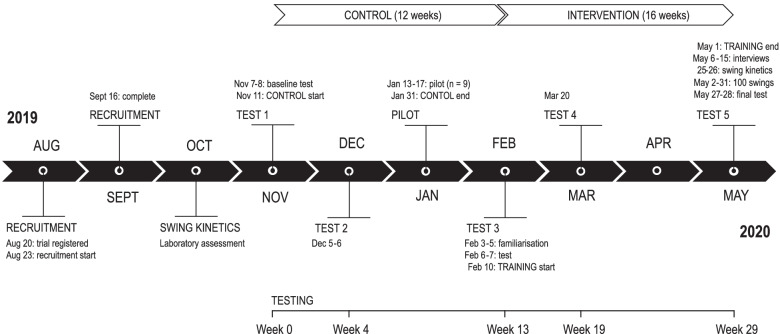
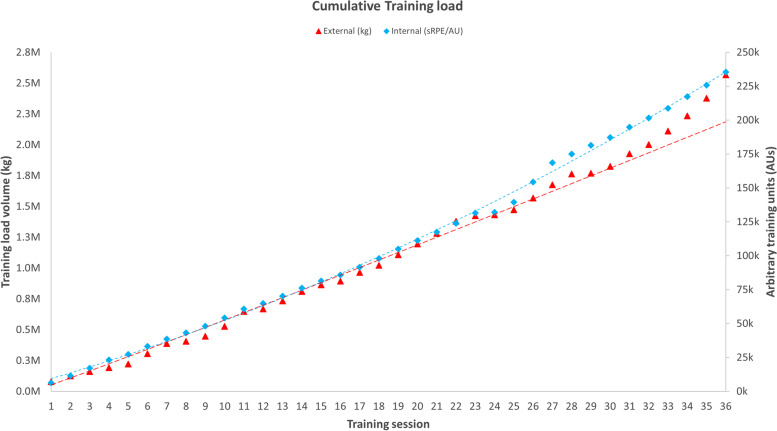
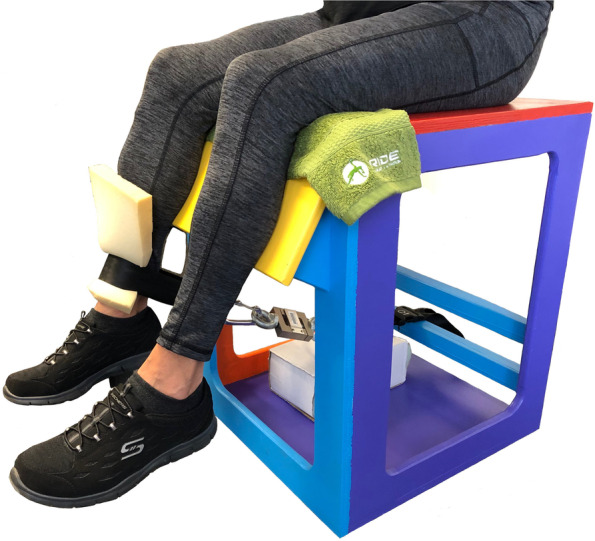
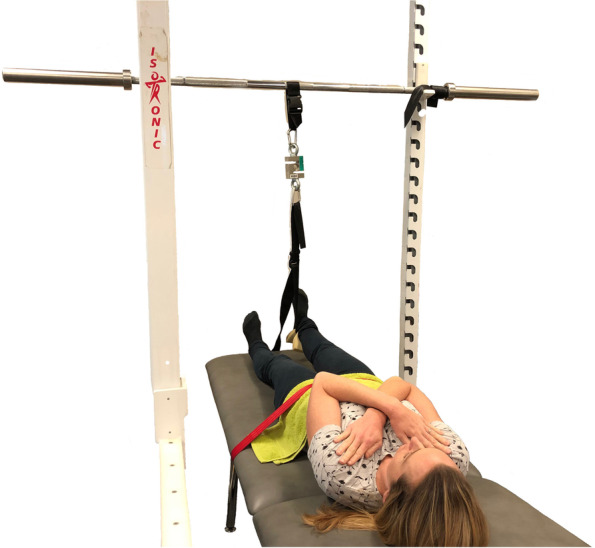
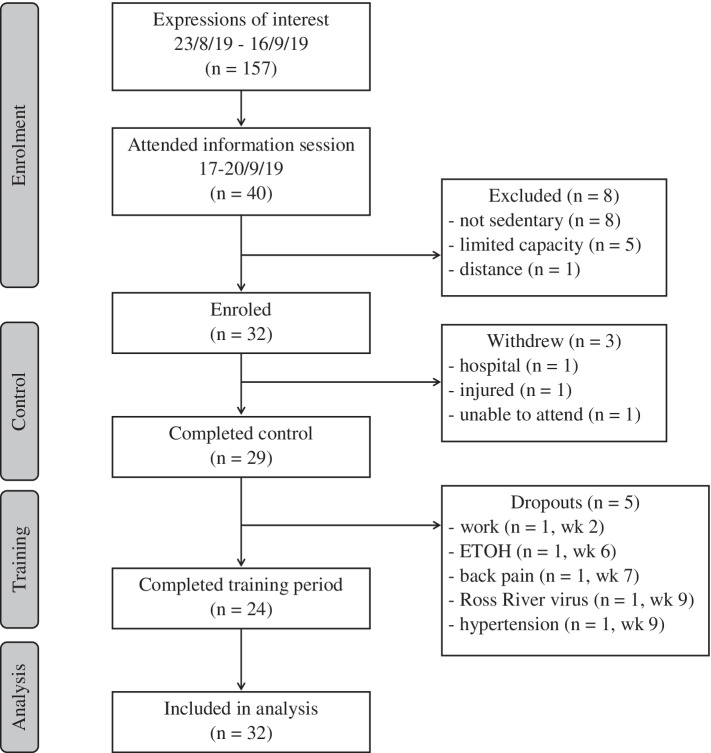
The Ballistic Exercise of the Lower Limb (BELL) trial examined the efficacy and safety of a pragmatic hardstyle kettlebell training program in older adults. Insufficiently active men and women aged 59-79 years, were recruited to a 6-month repeated measures study, involving 3-months usual activity and 3-months progressive hardstyle kettlebell training. Health-related physical fitness outcomes included: grip strength [GS], 6-min walk distance [6MWD], resting heart rate [HR], stair-climb [SC], leg extensor strength [LES], hip extensor strength [HES], Sit-To-Stand [STS], vertical jump [CMVJ], five-times floor transfer [5xFT], 1RM deadlift, body composition (DXA), attendance, and adverse events. Sixteen males (68.8 ± 4.6 yrs, 176.2 ± 7.8 cm, 90.7 ± 11.0 kg, 29.2 ± 2.6 kg/m) and sixteen females (68.6 ± 4.7 yrs, 163.9 ± 5.4 cm, 70.4 ± 12.7 kg, 26.3 ± 4.9 kg/m) were recruited. Compliance with the supervised exercise program was very high (91.5%). Kettlebell training increased GS (R: MD = 7.1 kg 95% CI [4.9, 9.3], L: MD = 6.3 kg 95% CI [4.1, 8.4]), 6MWD (41.7 m, 95% CI [17.9, 65.5]), 1RM (16.2 kg, 95% CI [2.4, 30.0]), 30 s STS (3.3 reps, 95% CI [0.9, 5.7]), LES (R: MD = 61.6 N, 95% CI [4.4, 118.8]), HES (L: MD = 21.0 N,95% CI [4.2,37.8]), appendicular skeletal lean mass (MD = 0.65 kg, 95% CI [0.08, 1.22]), self-reported health change (17.1%, 95% CI [4.4, 29.8]) and decreased SC time (2.7 s, 95% CI [0.2, 5.2]), 5xFT time (6.0 s, 95% CI [2.2, 9.8]) and resting HR (7.4 bpm, 95% CI [0.7, 14.1]). There were four non-serious adverse events. Mean individual training load for group training sessions during the trial was 100,977 ± 9,050 kg. High-intensity hardstyle kettlebell training was well tolerated and improved grip strength and measures of health-related physical fitness in insufficiently active older adults.Trial registration: Prospectively registered: 20/08/2019, Australian New Zealand Clinical Trials Registry (ACTRN12619001177145).
下肢弹道运动(BELL)试验研究了一种实用的硬式壶铃训练计划对老年人的有效性和安全性。招募了年龄在59 - 79岁、活动不足的男性和女性,进行一项为期6个月的重复测量研究,包括3个月的日常活动和3个月的渐进式硬式壶铃训练。与健康相关的体能指标包括:握力[GS]、6分钟步行距离[6MWD]、静息心率[HR]、爬楼梯[SC]、腿部伸肌力量[LES]、髋部伸肌力量[HES]、从坐到站[STS]、垂直跳[CMVJ]、五次从地板转移[5xFT]、1RM硬拉、身体成分(双能X线吸收法)、出勤率和不良事件。招募了16名男性(68.8±4.6岁,176.2±7.8厘米,90.7±11.0千克,29.2±2.6千克/米²)和16名女性(68.6±4.7岁,163.9±5.4厘米,70.4±12.7千克,26.3±4.9千克/米²)。对监督运动计划的依从性非常高(91.5%)。壶铃训练增加了握力(右侧:平均差[MD]=7.1千克,95%置信区间[4.9, 9.3];左侧:MD=6.3千克,95%置信区间[4.1, 8.4])、6MWD(41.7米,95%置信区间[17.9, 65.5])、1RM(16.2千克,95%置信区间[2.4, 30.0])、30秒STS(3.3次重复,95%置信区间[0.9, 5.7])、LES(右侧:MD=61.6牛,95%置信区间[4.4, 118.8])、HES(左侧:MD=21.0牛,95%置信区间[4.2, 37.8])、四肢骨骼瘦体重(MD=0.65千克,95%置信区间[0.08, 1.22])、自我报告的健康变化(17.1%,95%置信区间[4.4, 29.8]),并减少了SC时间(2.7秒,95%置信区间[0.2, 5.2])、5xFT时间(6.0秒,95%置信区间[2.2, 9.8])和静息心率(7.4次/分钟,95%置信区间[0.7, 14.1])。有4起非严重不良事件。试验期间小组训练课程的平均个人训练负荷为100,977±9,050千克。高强度硬式壶铃训练耐受性良好,并改善了活动不足的老年人的握力和与健康相关的体能指标。试验注册:前瞻性注册:2019年8月20日,澳大利亚新西兰临床试验注册中心(ACTRN12619001177145)。