Ma Xuran, Wang Dunfang, Feng Xue, Liu Yaqing, Li Jia, Yang Weipeng
Institute of Chinese Materia Medica, China Academy of Chinese Medical Sciences, Beijing, China.
School hospital, Tsinghua University, Beijing, China.
Front Pharmacol. 2022 Apr 6;13:837217. doi: 10.3389/fphar.2022.837217. eCollection 2022.
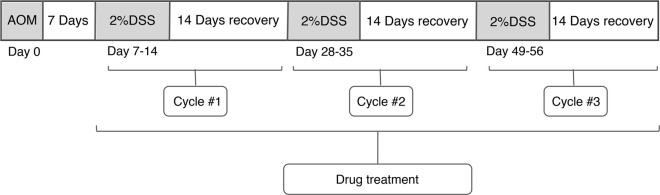
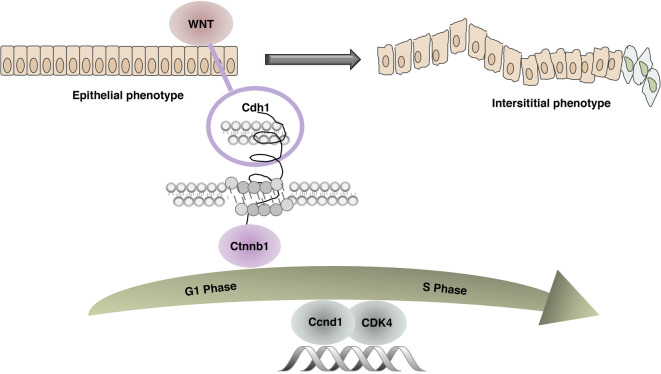
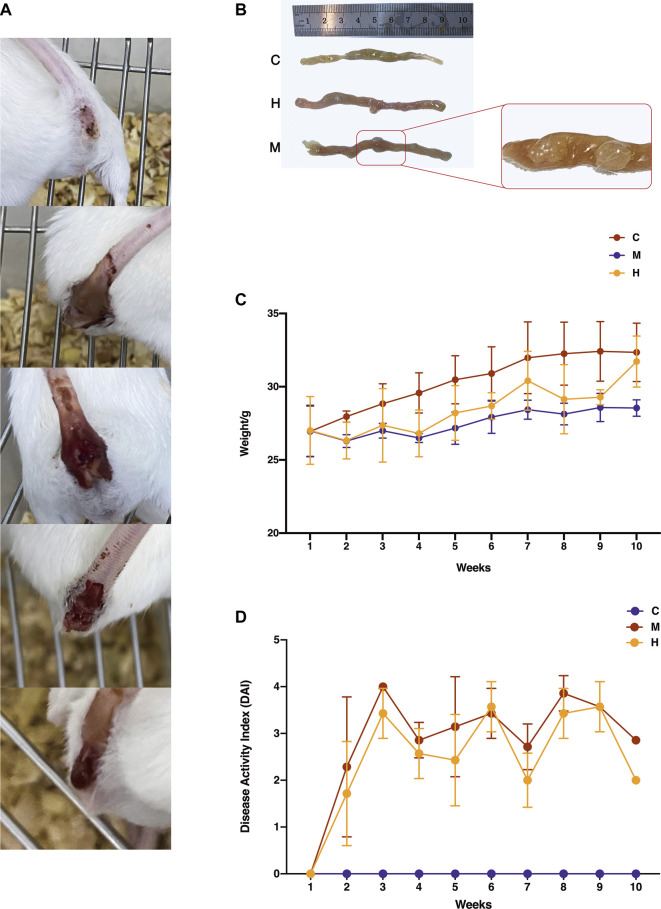
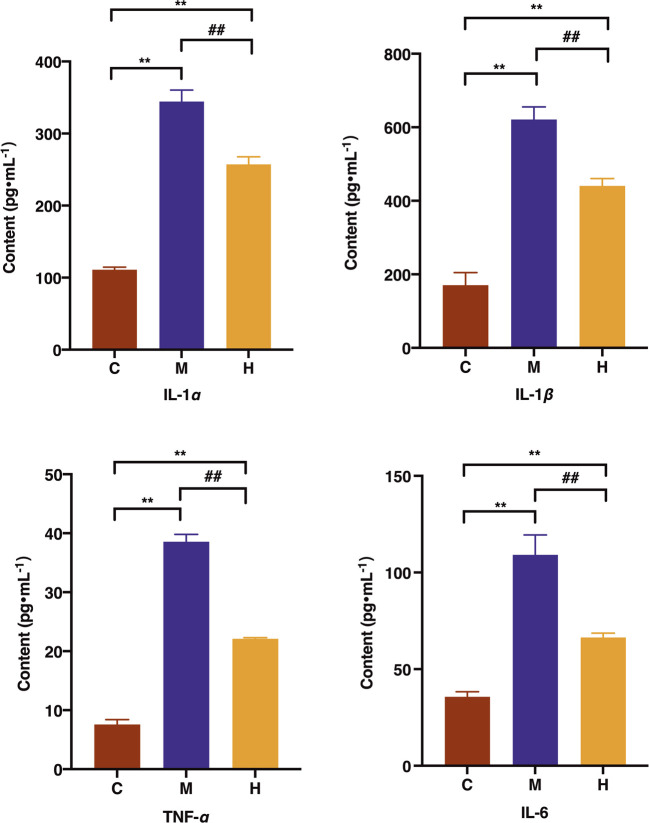
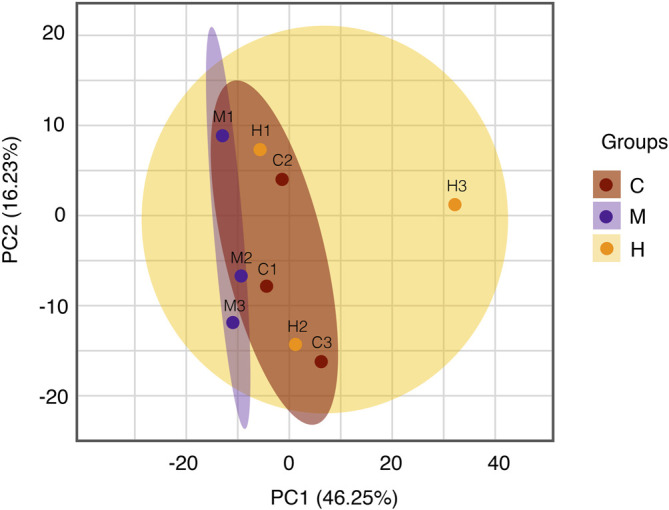
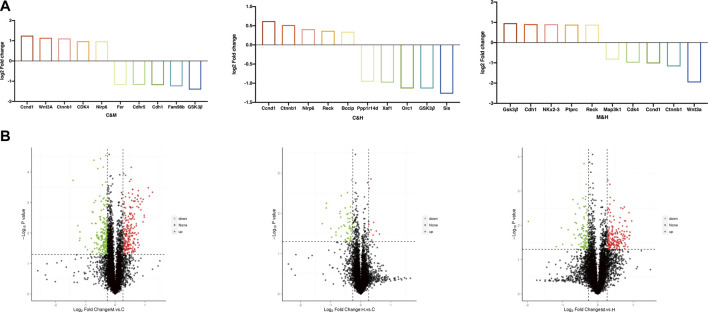
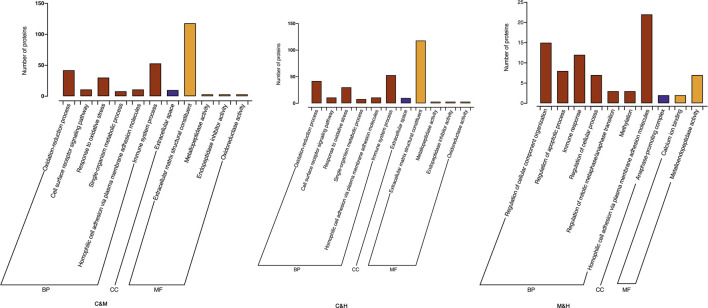
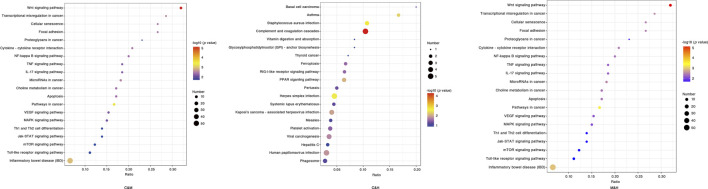
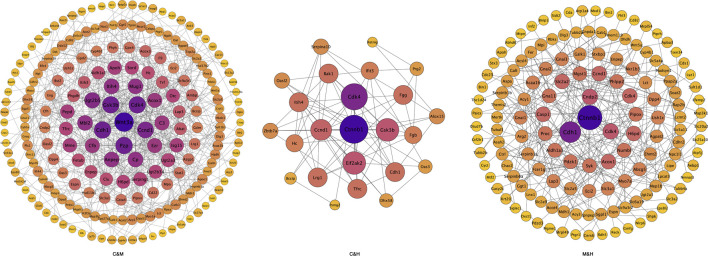
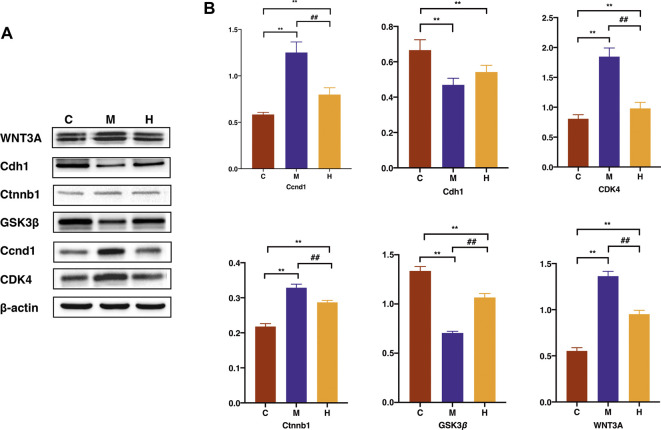
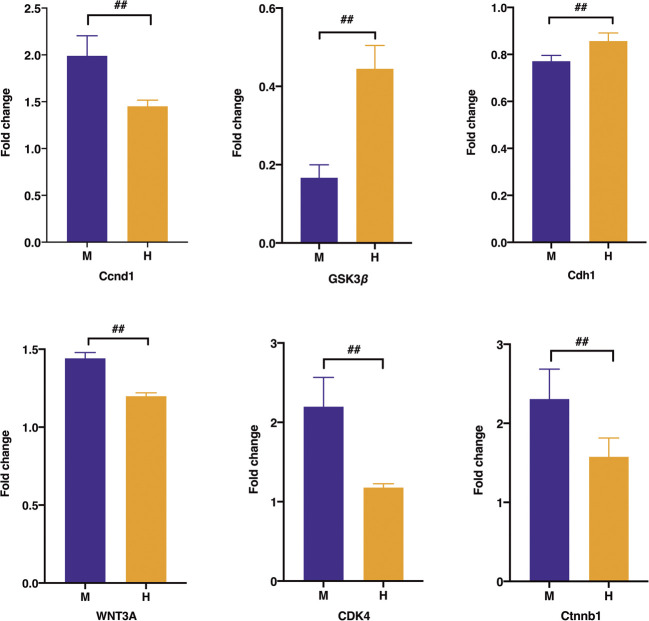
Although the exact molecular mechanisms of colitis-associated colorectal cancer are not fully understood, the chronic inflammation was positively correlated with tumorigenesis. The traditional Chinese medicine botanical formulation Huangqin Tang has significant anti-inflammatory effects. We investigated whether HQT can ameliorate the progression of inflammation to cancer through its anti-inflammatory effects by using relevant predictions and experiments. We used the azoxymethane/dextran sodium sulfate method to induce the mice colitis-associated colorectal cancer model. After preventive administration of Huangqin Tang to the mice model, colonic tissues were taken for quantitative proteomic analysis of tandem mass tags, and the proteomic results were then experimentally validated using the molecular biology approach. Proteomic screening revealed that the effect of the mechanism of Huangqin-Tang on the colitis-associated colorectal cancer mice model may be related to infinite replication which demonstrated abnormal G1/S checkpoint and epithelial mesenchymal transition acceleration. The levels of inflammatory factors such as interleukin-1, interleukin-1, interleukin-6, and tumor necrosis factor- were significantly reduced in colitis-associated colorectal cancer mice treated with Huangqin Tang; the aberrant expression of G1/S checkpoint-associated sites of cell cycle protein-dependent kinase 4, D1-type cyclins, and dysregulation of related sites of the WNT pathway which are most related to the acceleration of the epithelial mesenchymal transition process including WNT3A, -catenin, E-cadherin, and glycogen synthase kinase 3 has been improved. Reducing inflammation and thus inhibiting the progression of colitis-associated colorectal cancer by using Huangqin-Tang is effective, and the mechanism of action may be related to the inhibition of uncontrolled proliferation during tumorigenesis. In the follow-up, we will conduct a more in-depth study on the relevant mechanism of action.
尽管结肠炎相关结直肠癌的确切分子机制尚未完全明确,但慢性炎症与肿瘤发生呈正相关。中药方剂黄芩汤具有显著的抗炎作用。我们通过相关预测和实验研究了黄芩汤是否能通过其抗炎作用改善炎症向癌症的进展。我们采用氧化偶氮甲烷/葡聚糖硫酸钠法诱导小鼠结肠炎相关结直肠癌模型。对小鼠模型预防性给予黄芩汤后,取结肠组织进行串联质谱标签定量蛋白质组学分析,然后用分子生物学方法对蛋白质组学结果进行实验验证。蛋白质组学筛选显示,黄芩汤作用于结肠炎相关结直肠癌小鼠模型的机制可能与无限增殖有关,表现为G1/S检查点异常和上皮间质转化加速。黄芩汤治疗的结肠炎相关结直肠癌小鼠中,白细胞介素-1、白细胞介素-1、白细胞介素-6和肿瘤坏死因子等炎症因子水平显著降低;细胞周期蛋白依赖性激酶4、D1型细胞周期蛋白的G1/S检查点相关位点的异常表达以及与上皮间质转化过程加速最相关的WNT通路相关位点的失调,包括WNT3A、β-连环蛋白、E-钙黏蛋白和糖原合酶激酶3均得到改善。使用黄芩汤减轻炎症从而抑制结肠炎相关结直肠癌的进展是有效的,其作用机制可能与抑制肿瘤发生过程中的失控增殖有关。后续我们将对相关作用机制进行更深入的研究。