Schönenberger Katja A, Cossu Luca, Prendin Francesco, Cappon Giacomo, Wu Jing, Fuchs Klaus L, Mayer Simon, Herzig David, Facchinetti Andrea, Bally Lia
Department of Diabetes, Endocrinology, Nutritional Medicine and Metabolism, Inselspital, Bern University Hospital, University of Bern, Bern, Switzerland.
Division of Clinical Pharmacy and Epidemiology, Department of Pharmaceutical Sciences, University of Basel, Basel, Switzerland.
Front Nutr. 2022 Apr 7;9:855223. doi: 10.3389/fnut.2022.855223. eCollection 2022.
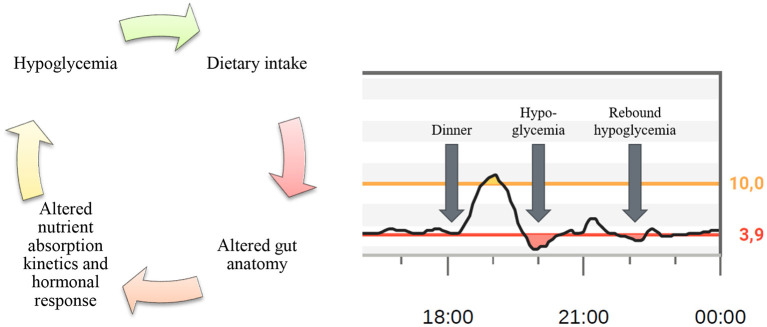
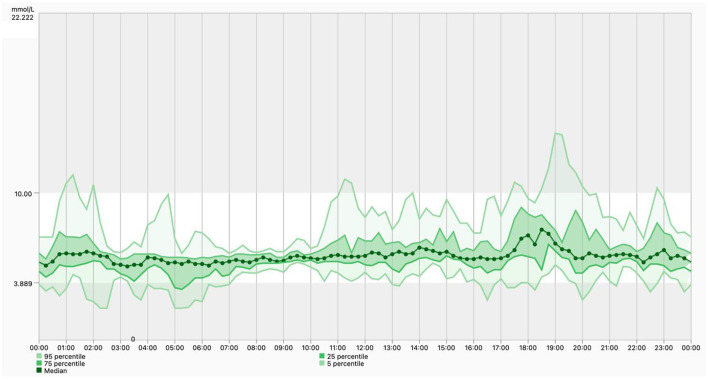
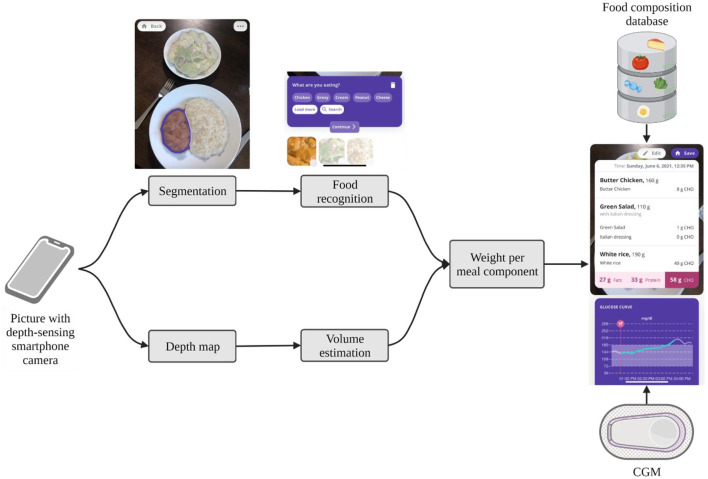
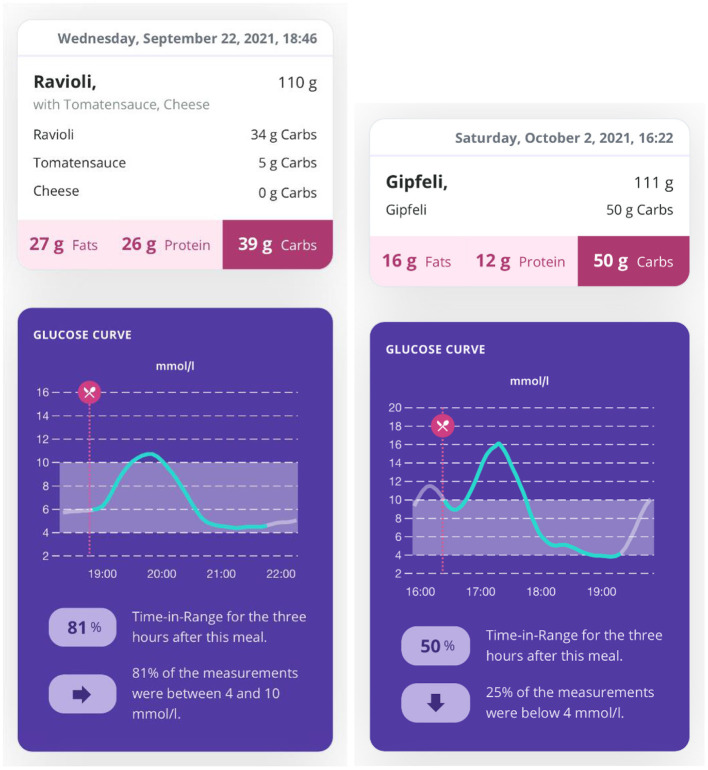
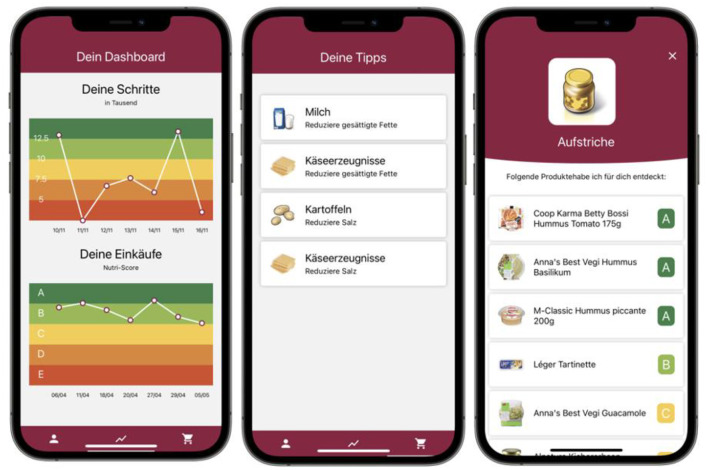
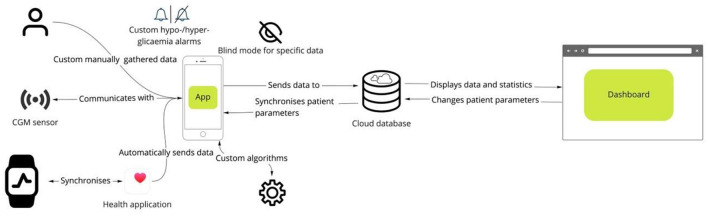
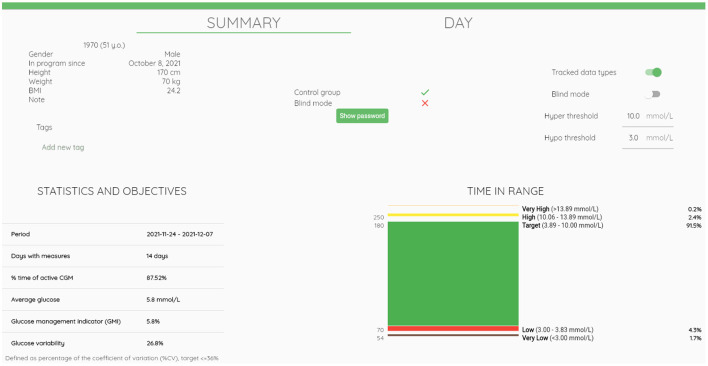
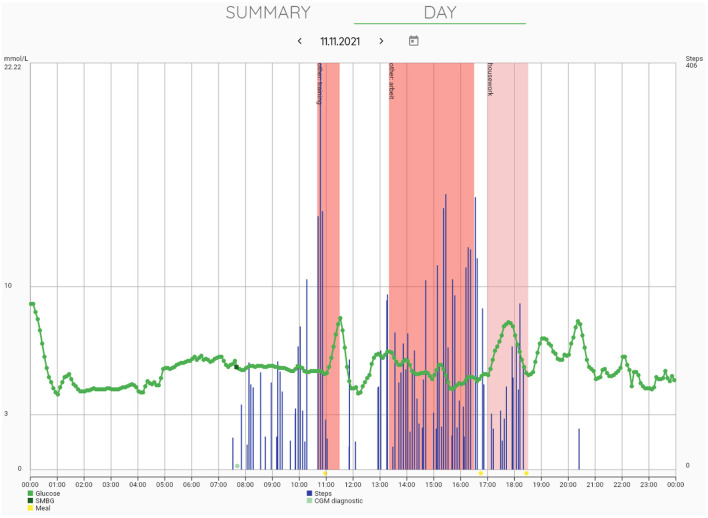
Postbariatric hypoglycemia (PBH) is an increasingly recognized late metabolic complication of bariatric surgery, characterized by low blood glucose levels 1-3 h after a meal, particularly if the meal contains rapid-acting carbohydrates. PBH can often be effectively managed through appropriate nutritional measures, which remain the cornerstone treatment today. However, their implementation in daily life continues to challenge both patients and health care providers. Emerging digital technologies may allow for more informed and improved decision-making through better access to relevant data to manage glucose levels in PBH. Examples include applications for automated food analysis from meal images, digital receipts of purchased food items or integrated platforms allowing the connection of continuously measured glucose with food and other health-related data. The resulting multi-dimensional data can be processed with artificial intelligence systems to develop prediction algorithms and decision support systems with the aim of improving glucose control, safety, and quality of life of PBH patients. Digital innovations, however, face trade-offs between user burden vs. amount and quality of data. Further challenges to their development are regulatory non-compliance regarding data ownership of the platforms acquiring the required data, as well as user privacy concerns and compliance with regulatory requirements. Through navigating these trade-offs, digital solutions could significantly contribute to improving the management of PBH.
减重术后低血糖(PBH)是一种越来越被认识到的减重手术晚期代谢并发症,其特征是餐后1 - 3小时血糖水平降低,尤其是当膳食中含有速效碳水化合物时。PBH通常可通过适当的营养措施得到有效管理,这些措施至今仍是基础治疗方法。然而,在日常生活中实施这些措施仍然给患者和医疗服务提供者带来挑战。新兴的数字技术可能通过更好地获取相关数据来管理PBH患者的血糖水平,从而实现更明智和更好的决策。示例包括用于从膳食图像进行自动食物分析的应用程序、购买食品的数字收据或允许将连续测量的血糖与食物及其他健康相关数据相连接的集成平台。由此产生的多维数据可由人工智能系统进行处理,以开发预测算法和决策支持系统,旨在改善PBH患者的血糖控制、安全性和生活质量。然而,数字创新面临着用户负担与数据量和质量之间的权衡。其发展的进一步挑战包括获取所需数据的平台在数据所有权方面不符合监管要求,以及用户隐私问题和对监管要求的遵守情况。通过权衡这些利弊,数字解决方案可以显著有助于改善PBH的管理。