Department of Biomedical Engineering, McGill University, Montreal, Canada.
Department of Biomedical Engineering, Johns Hopkins University, Baltimore, United States.
Elife. 2022 Apr 25;11:e75018. doi: 10.7554/eLife.75018.
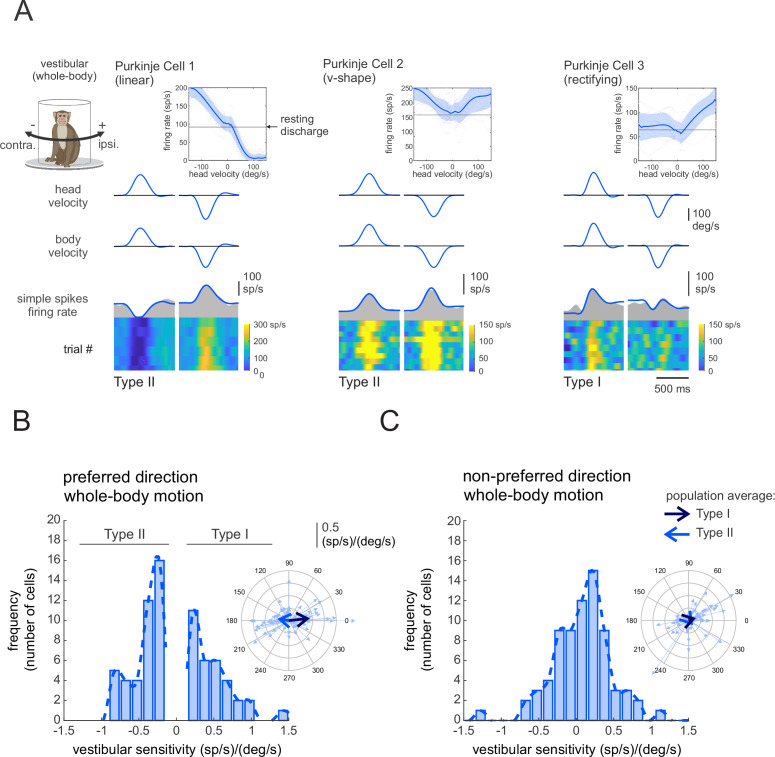
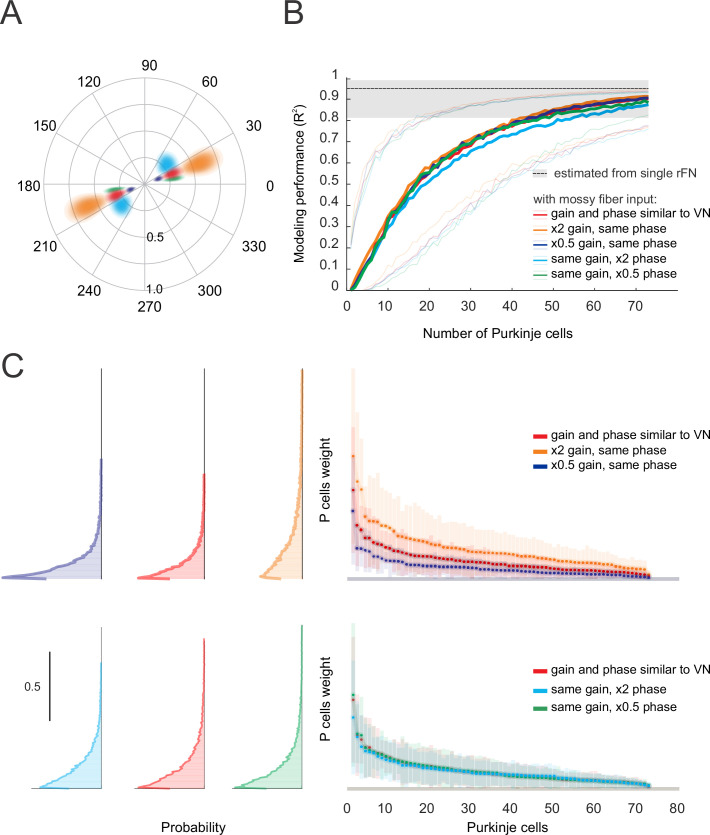
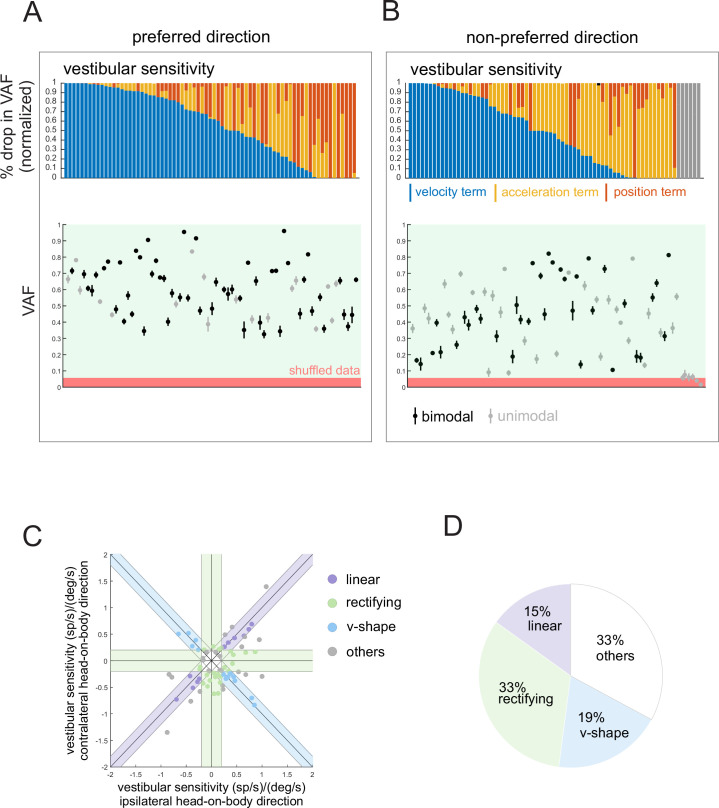
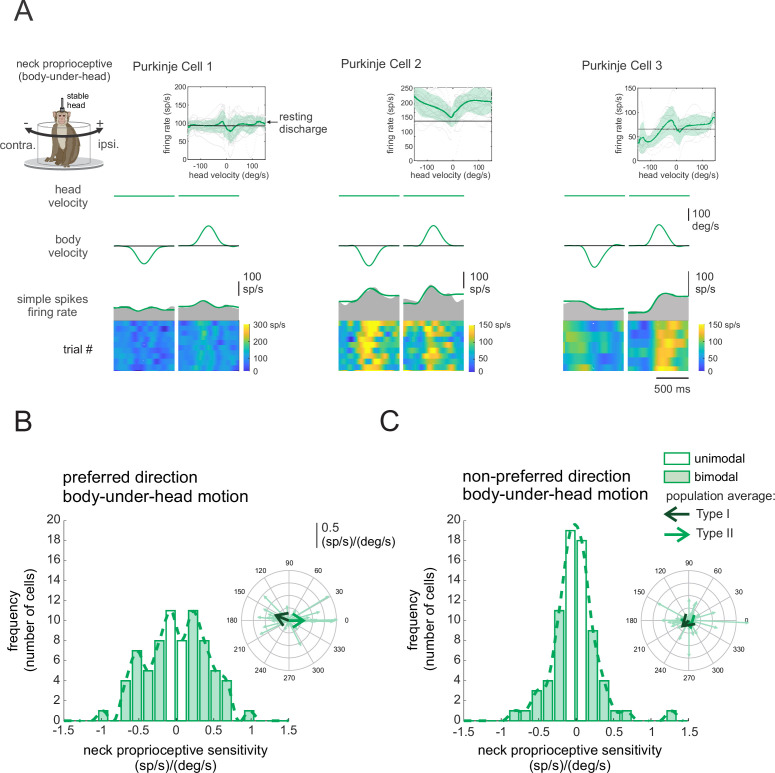
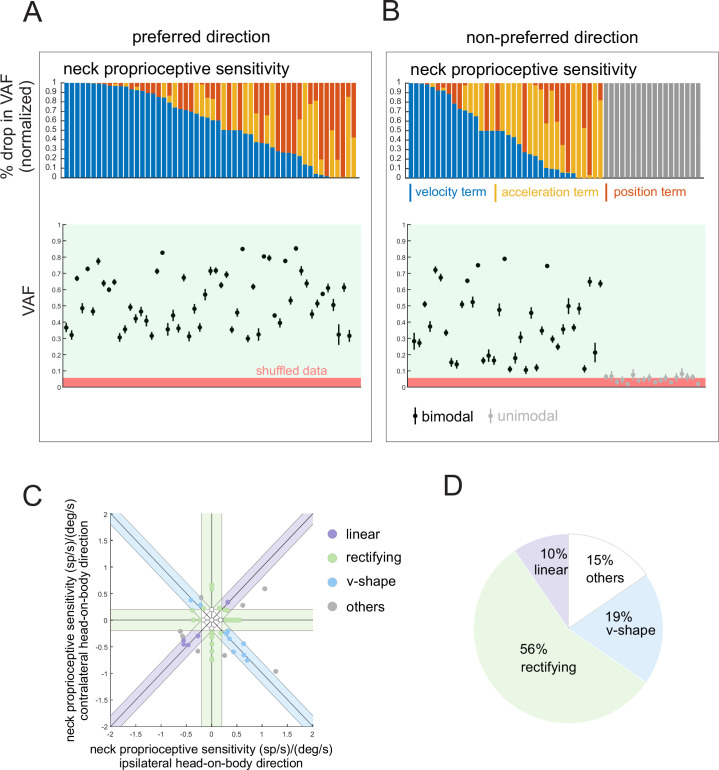
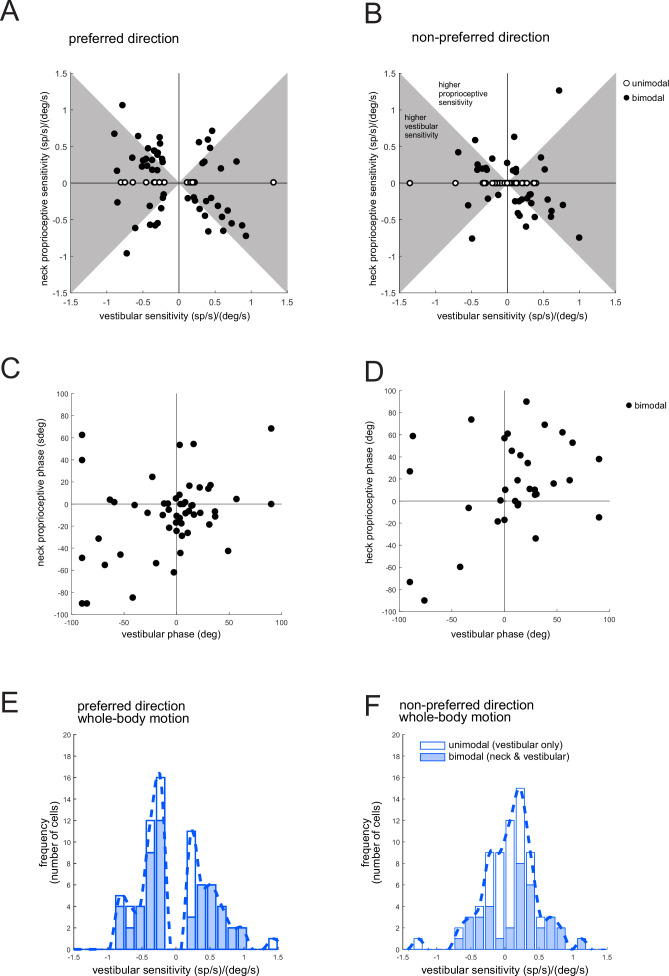
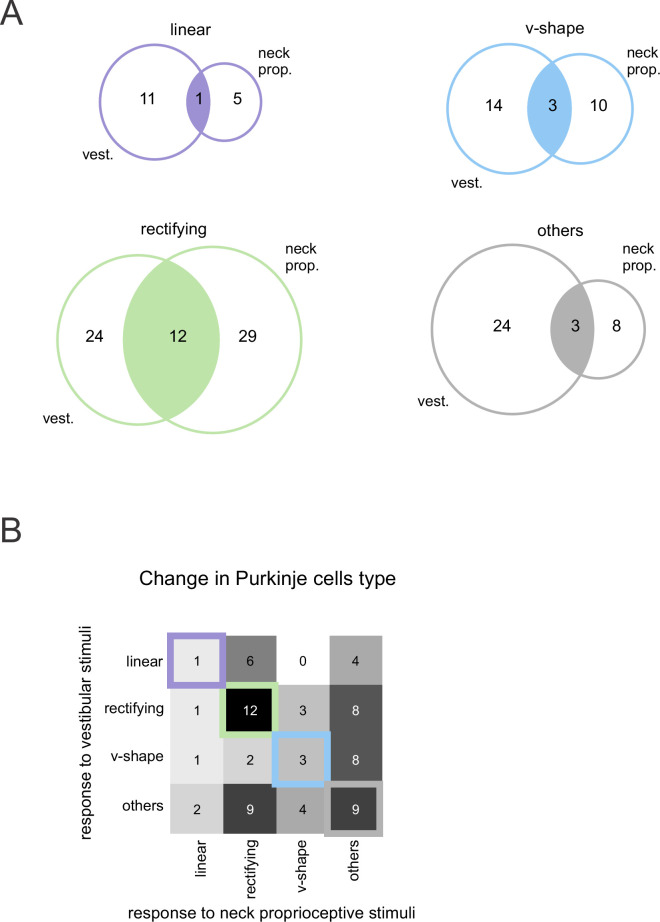
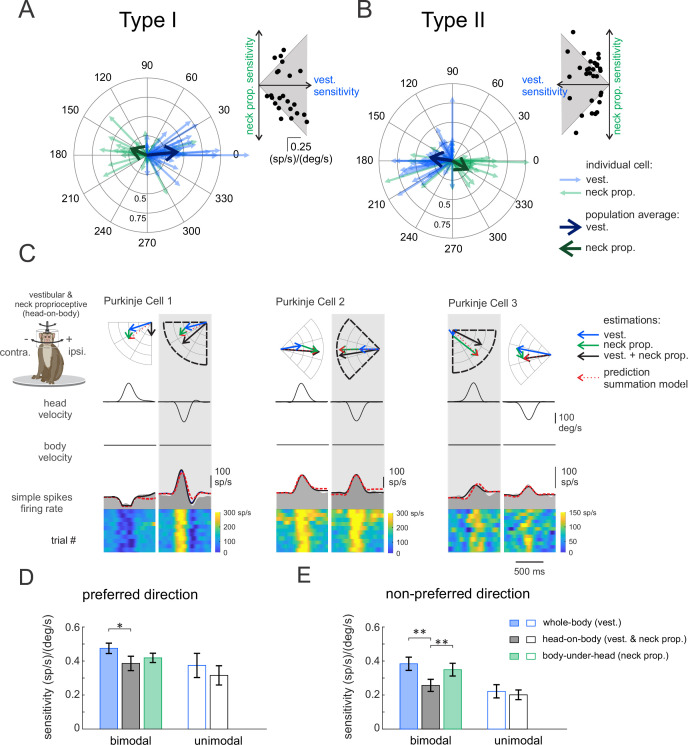
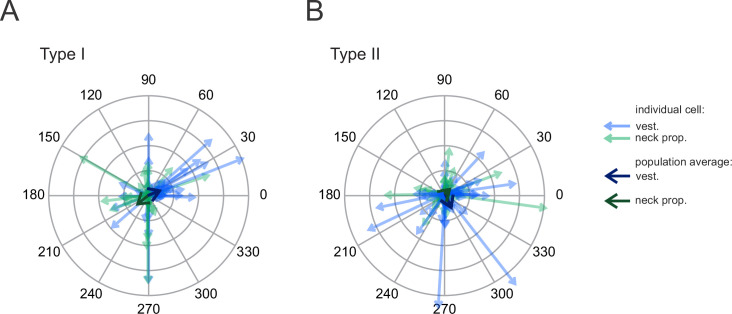
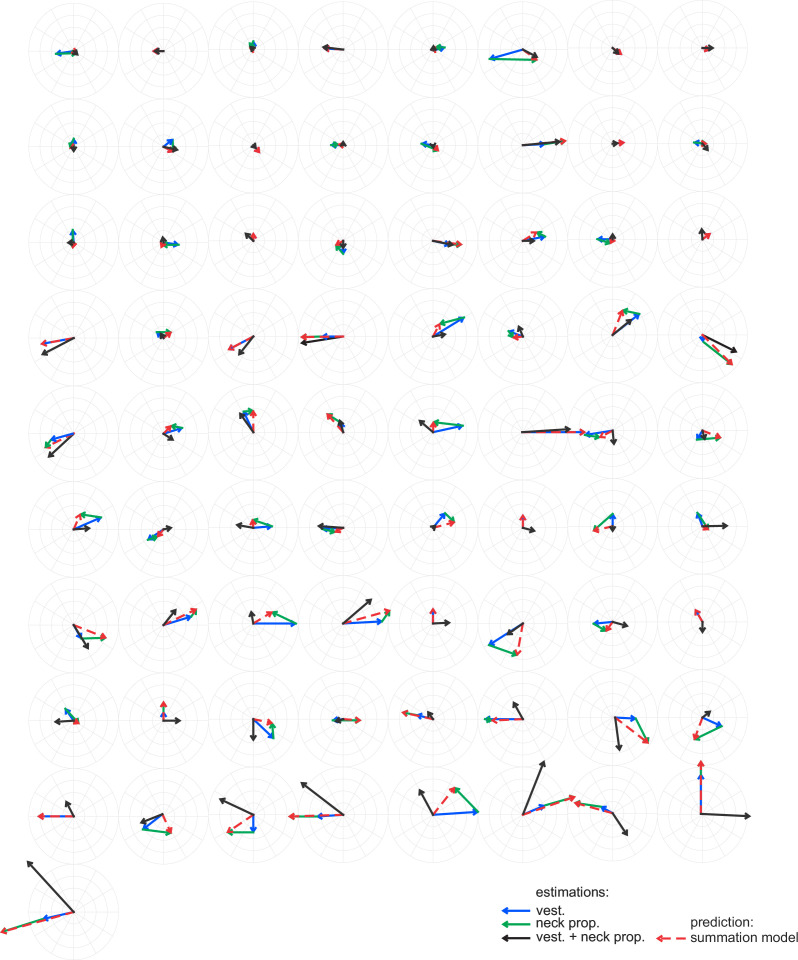
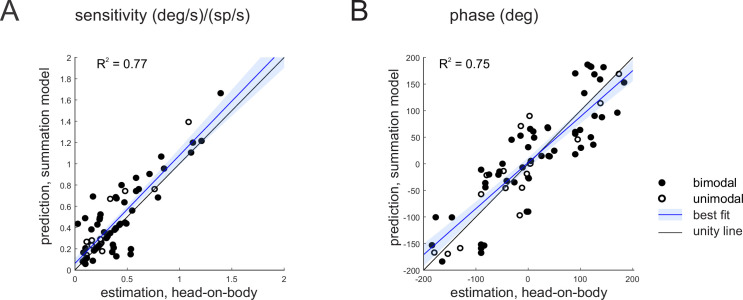
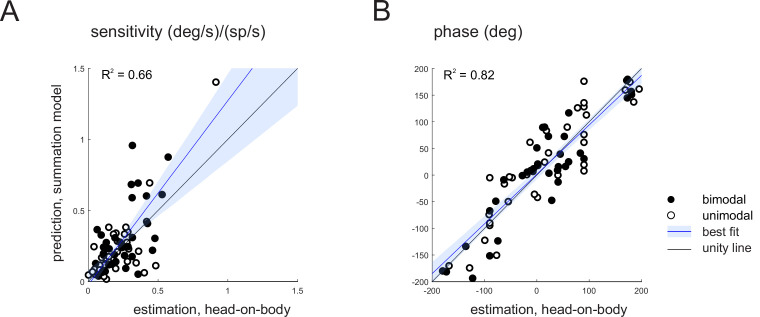
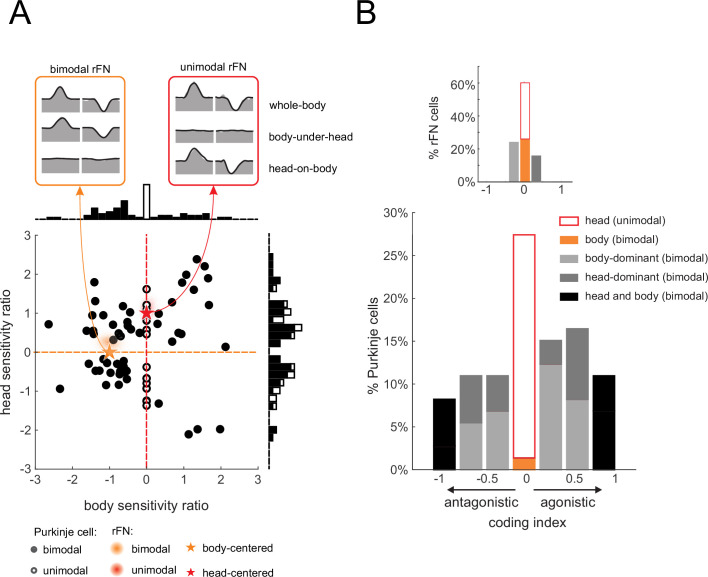
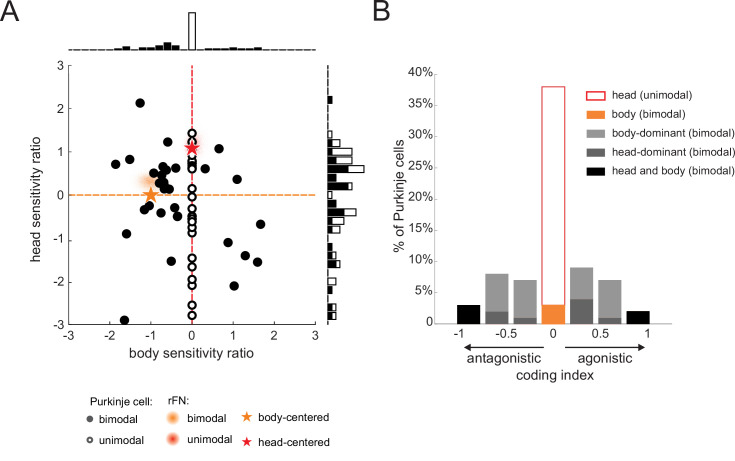
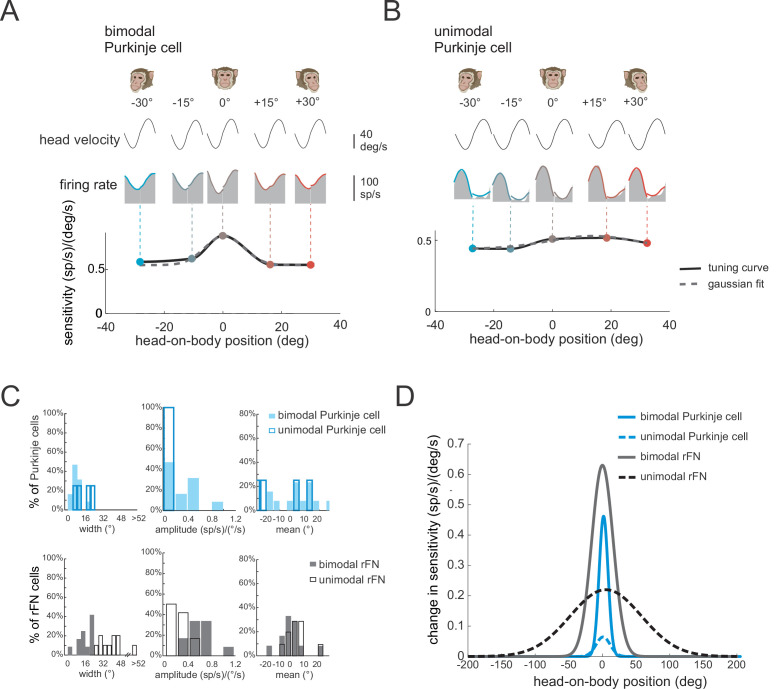
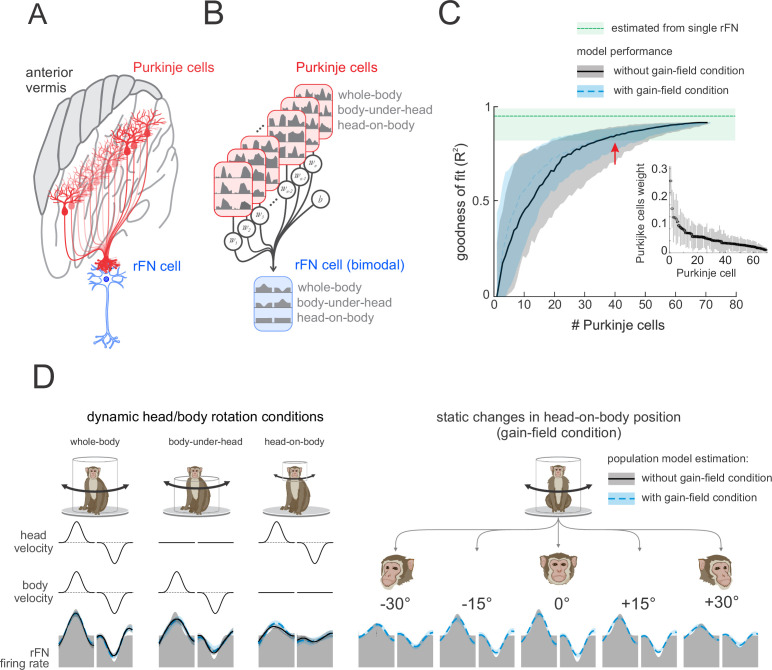
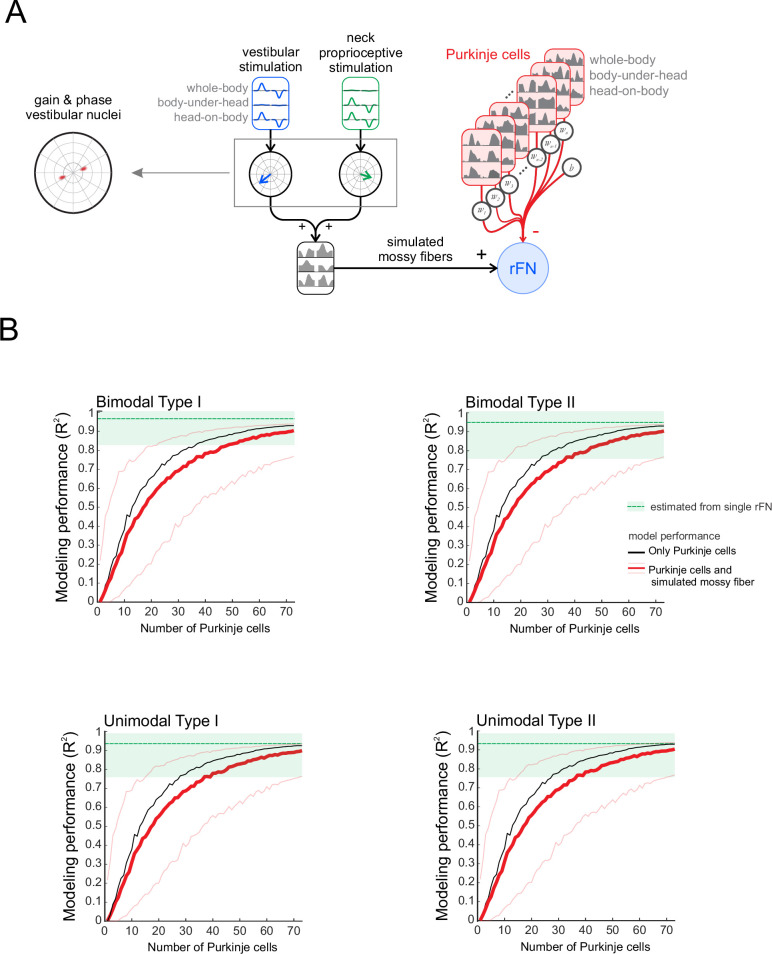
The ability to accurately control our posture and perceive our spatial orientation during self-motion requires knowledge of the motion of both the head and body. However, while the vestibular sensors and nuclei directly encode head motion, no sensors directly encode body motion. Instead, the integration of vestibular and neck proprioceptive inputs is necessary to transform vestibular information into the body-centric reference frame required for postural control. The anterior vermis of the cerebellum is thought to play a key role in this transformation, yet how its Purkinje cells transform multiple streams of sensory information into an estimate of body motion remains unknown. Here, we recorded the activity of individual anterior vermis Purkinje cells in alert monkeys during passively applied whole-body, body-under-head, and head-on-body rotations. Most Purkinje cells dynamically encoded an intermediate representation of self-motion between head and body motion. Notably, Purkinje cells responded to both vestibular and neck proprioceptive stimulation with considerable heterogeneity in their response dynamics. Furthermore, their vestibular responses were tuned to head-on-body position. In contrast, targeted neurons in the deep cerebellar nuclei are known to unambiguously encode either head or body motion across conditions. Using a simple population model, we established that combining responses of~40-50 Purkinje cells could explain the responses of these deep cerebellar nuclei neurons across all self-motion conditions. We propose that the observed heterogeneity in Purkinje cell response dynamics underlies the cerebellum's capacity to compute the dynamic representation of body motion required to ensure accurate postural control and perceptual stability in our daily lives.
准确控制自身姿势和感知自身运动时的空间方位的能力,需要了解头部和身体的运动。然而,尽管前庭传感器和核直接编码头部运动,但没有传感器直接编码身体运动。相反,需要整合前庭和颈部本体感受输入,将前庭信息转换为姿势控制所需的以身体为中心的参考系。小脑前蚓部被认为在这种转换中起着关键作用,但小脑前蚓部浦肯野细胞如何将多股感觉信息转换为身体运动的估计,目前仍不清楚。在这里,我们在清醒猴子中记录了在前庭小脑前蚓部单个浦肯野细胞在被动施加全身、头下和头身旋转时的活动。大多数浦肯野细胞动态编码了头和身体运动之间的中间自我运动表示。值得注意的是,浦肯野细胞对前庭和颈部本体感觉刺激的反应具有相当大的反应动力学异质性。此外,它们的前庭反应与头身位置有关。相比之下,已知深部小脑核中的靶向神经元在所有条件下都能明确地编码头或身体运动。使用一个简单的群体模型,我们确定了~40-50 个浦肯野细胞的反应组合可以解释这些深部小脑核神经元在所有自我运动条件下的反应。我们提出,浦肯野细胞反应动力学的观察到的异质性是小脑计算身体运动动态表示的基础,这是确保日常生活中姿势控制和感知稳定性的关键。