Department of Radiology, C.J. Gorter MRI Centre, Leiden University Medical Center, Leiden, The Netherlands.
School of Physics and Engineering, ITMO University, Saint Petersburg, Russia.
MAGMA. 2022 Dec;35(6):875-894. doi: 10.1007/s10334-022-01007-5. Epub 2022 Apr 26.
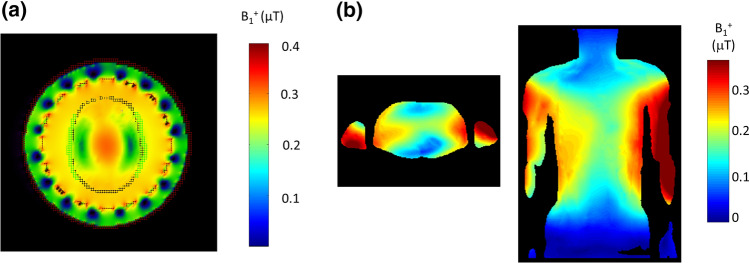
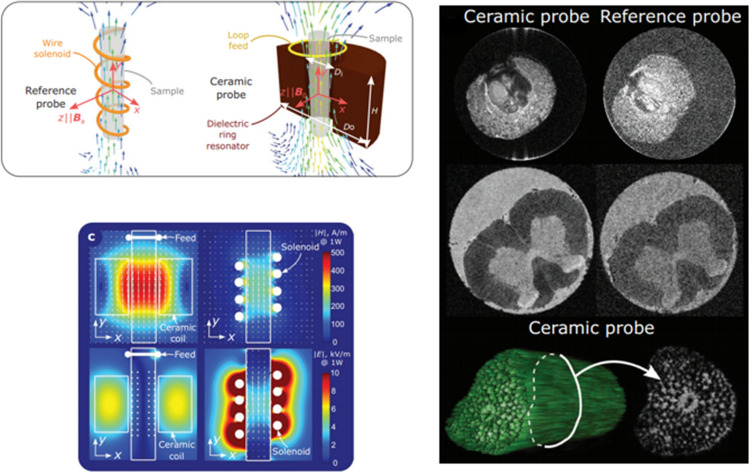
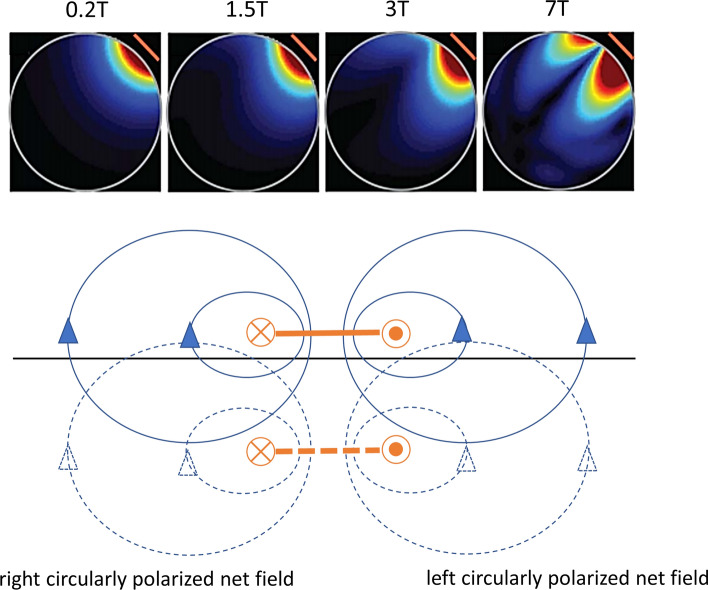
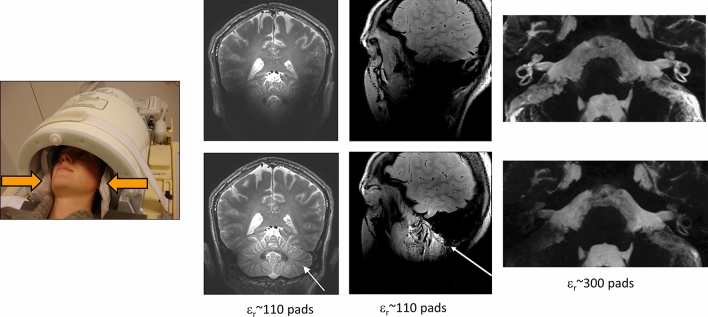
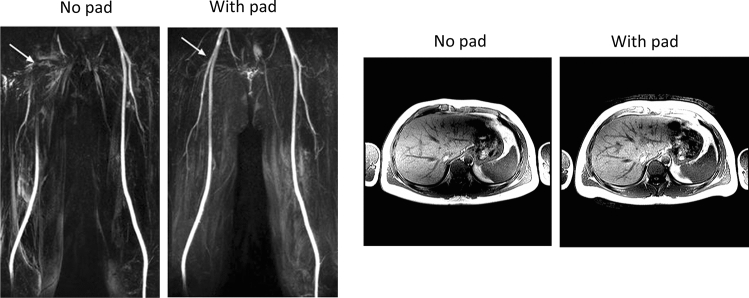
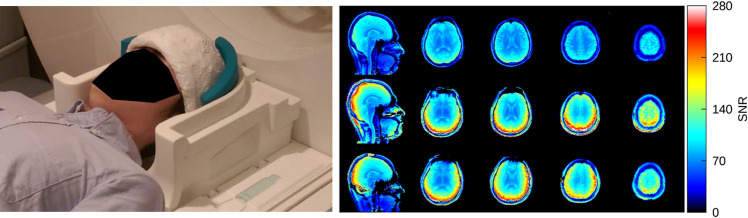
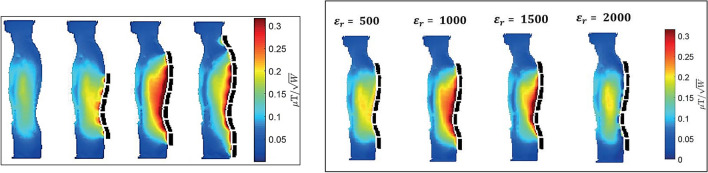
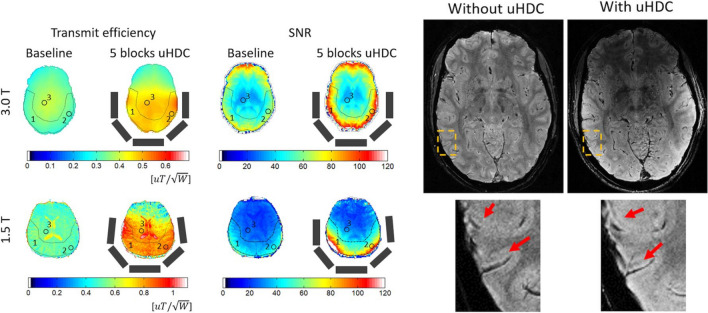
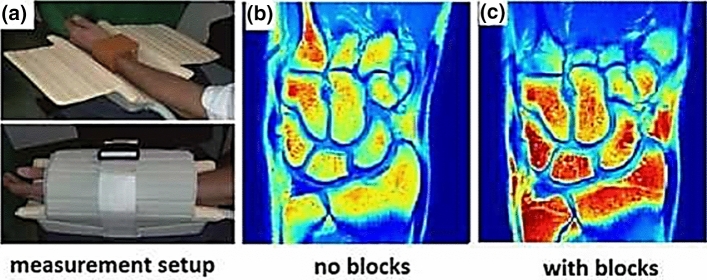
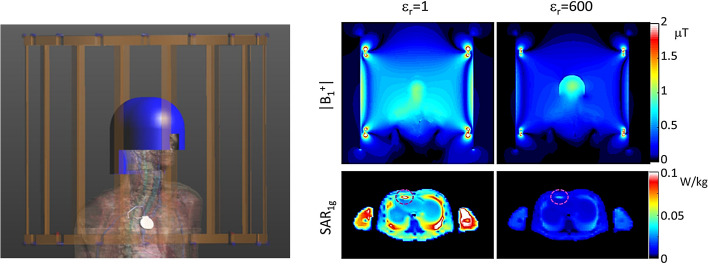
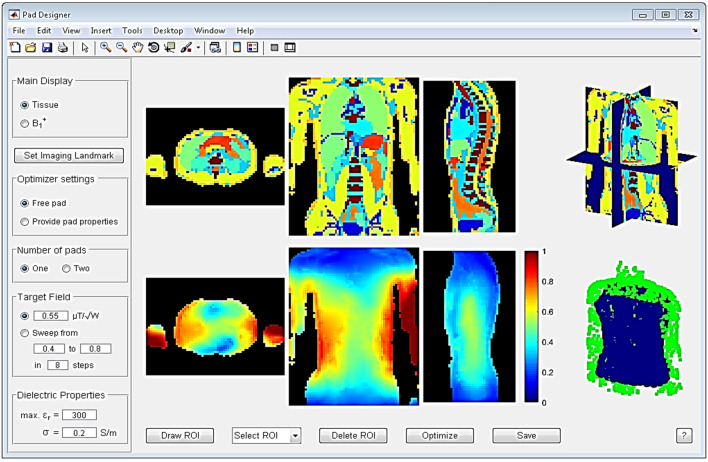
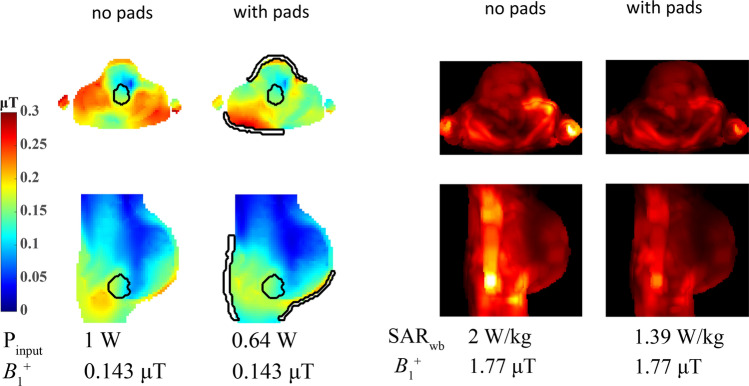
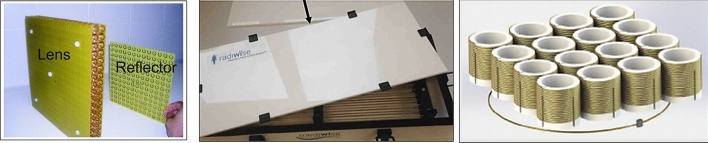
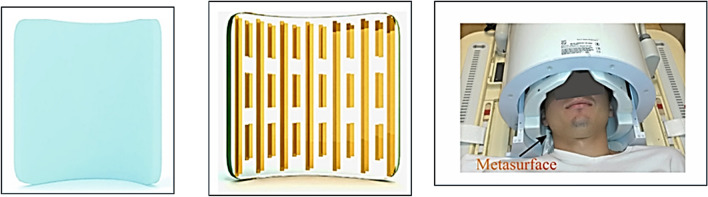
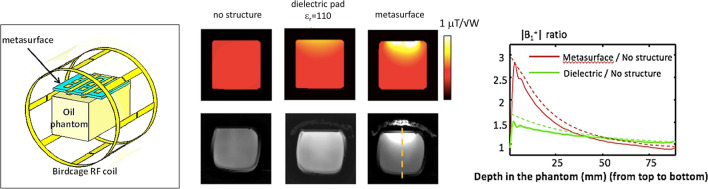
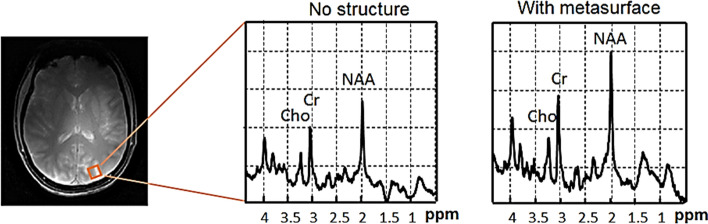
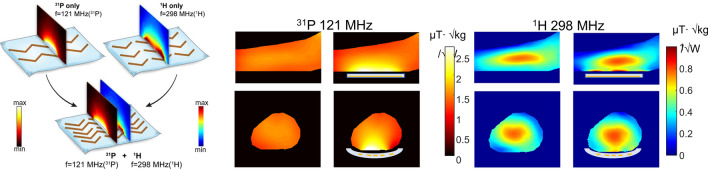
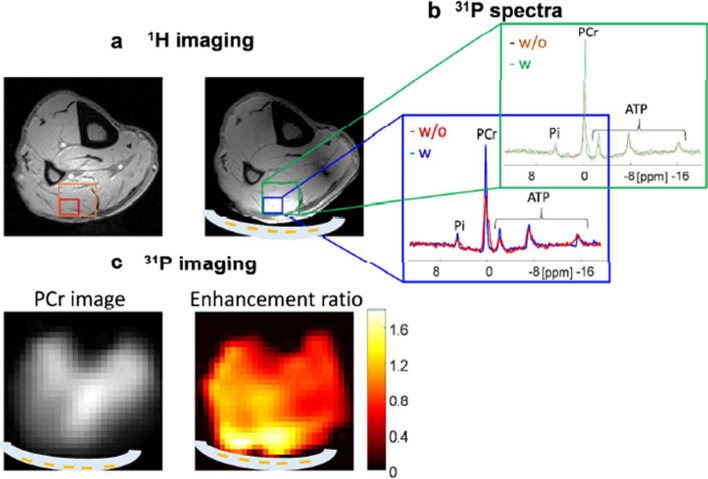
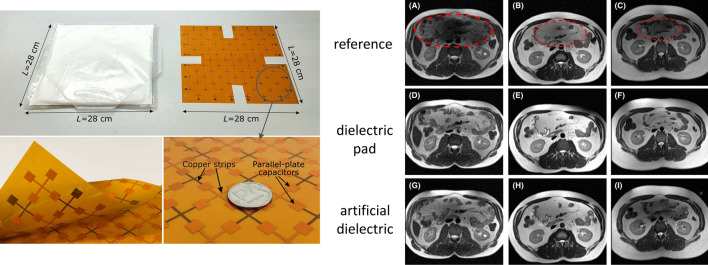
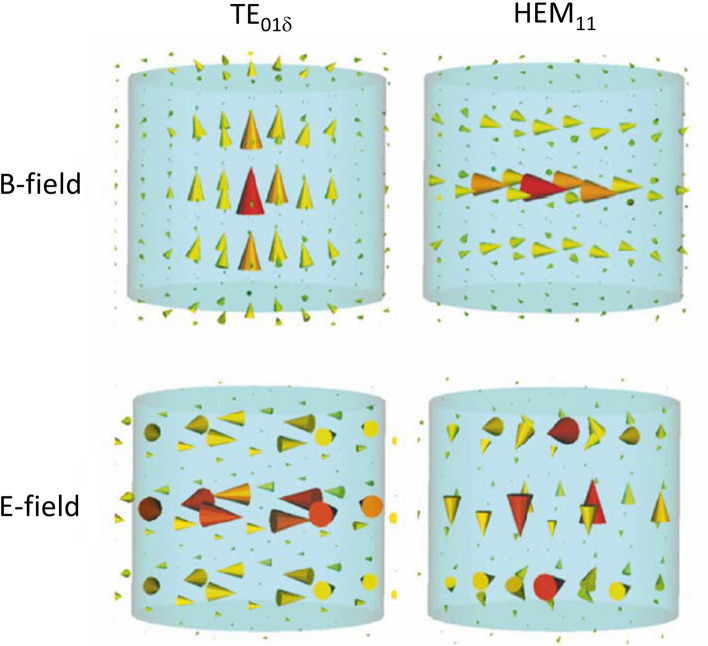
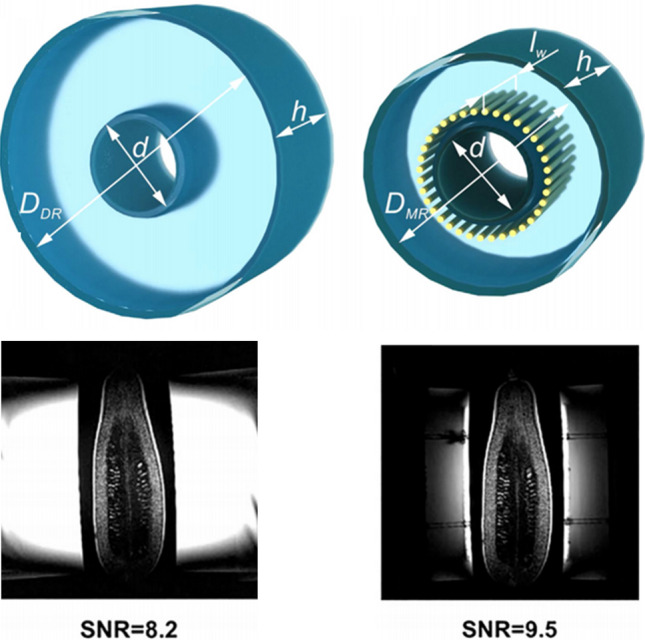
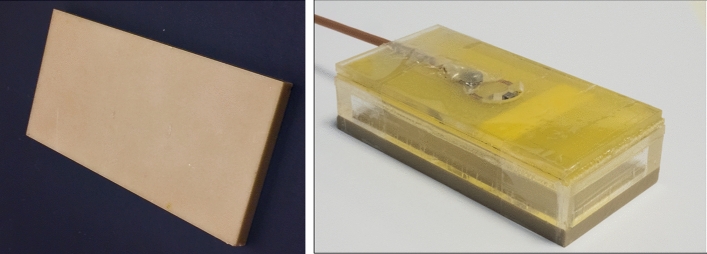
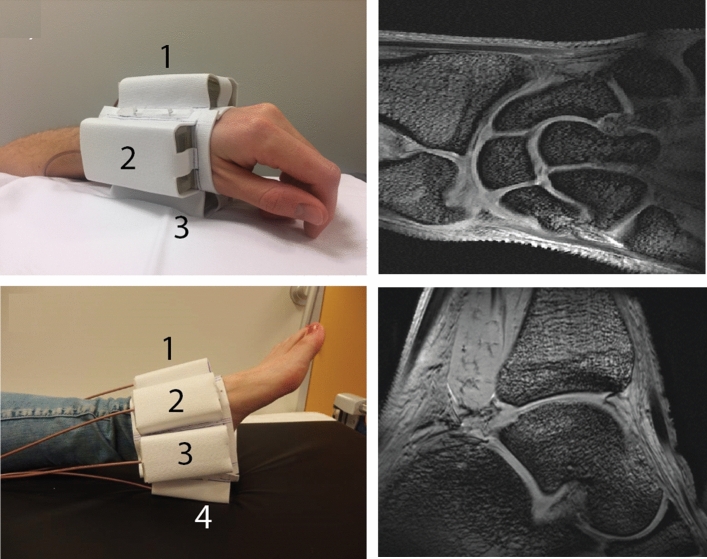
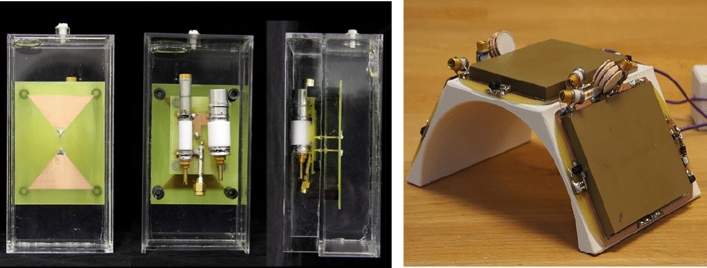
This article reviews recent developments in designing and testing new types of materials which can be: (i) placed around the body for in vivo imaging, (ii) be integrated into a conventional RF coil, or (iii) form the resonator itself. These materials can improve the quality of MRI scans for both in vivo and magnetic resonance microscopy applications. The methodological section covers the basic operation and design of two different types of materials, namely high permittivity materials constructed from ceramics and artificial dielectrics/metasurfaces formed by coupled conductive subunits, either in air or surrounded by dielectric material. Applications of high permittivity materials and metasurfaces placed next to the body to neuroimaging and extremity imaging at 7 T, body and neuroimaging at 3 T, and extremity imaging at 1.5 T are shown. Results using ceramic resonators for both high field in vivo imaging and magnetic resonance microscopy are also shown. The development of new materials to improve MR image quality remains an active area of research, but has not yet found significant use in clinical applications. This is mainly due to practical issues such as specific absorption rate modelling, accurate and reproducible placement, and acceptable size/weight of such materials. The most successful area has been simple "dielectric pads" for neuroimaging at 7 T which were initially developed somewhat as a stop-gap while parallel transmit technology was being developed, but have continued to be used at many sites. Some of these issues can potentially be overcome using much lighter metasurfaces and artificial dielectrics, which are just beginning to be assessed.
本文综述了设计和测试新型材料的最新进展,这些新型材料可以:(i)置于体内进行体内成像,(ii)集成到常规射频线圈中,或(iii)形成谐振器本身。这些材料可以提高体内和磁共振显微镜应用的 MRI 扫描质量。方法部分涵盖了两种不同类型材料的基本操作和设计,即由陶瓷制成的高介电常数材料和由耦合导电子单元形成的人工介电常数/超材料,无论是在空气中还是在介电材料周围。展示了高介电常数材料和超材料应用于神经成像和 7T 四肢成像、3T 身体和神经成像以及 1.5T 四肢成像的情况。还展示了陶瓷谐振器在高场体内成像和磁共振显微镜中的应用结果。改善磁共振图像质量的新材料的发展仍然是一个活跃的研究领域,但尚未在临床应用中得到广泛应用。这主要是由于实际问题,如比吸收率建模、准确和可重复的放置以及此类材料的可接受尺寸/重量。最成功的领域是 7T 神经成像的简单“介电垫”,最初是在并行传输技术开发的同时作为权宜之计开发的,但在许多站点仍在继续使用。使用更轻的超材料和人工介电常数可以潜在地克服其中一些问题,这些问题才刚刚开始评估。