Bruce Lefroy Centre, Murdoch Children's Research Institute, Parkville, VIC, Australia.
Department of Paediatrics, University of Melbourne, Parkville, VIC, Australia.
J Mol Med (Berl). 2022 May;100(5):797-813. doi: 10.1007/s00109-022-02188-1. Epub 2022 Apr 26.
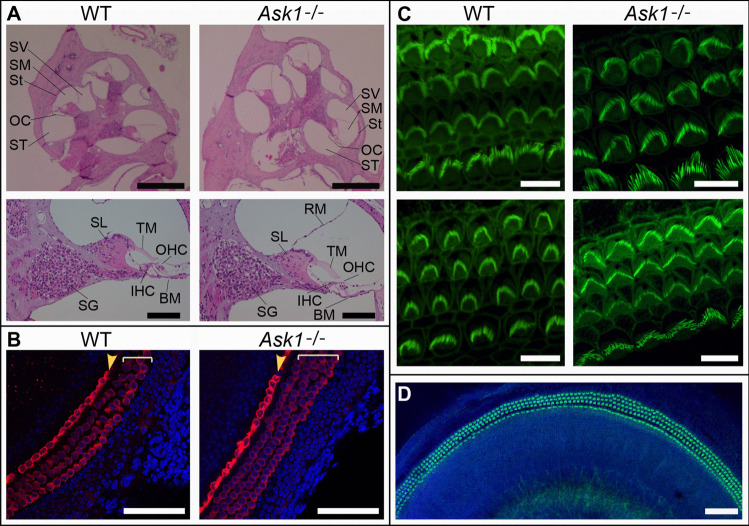
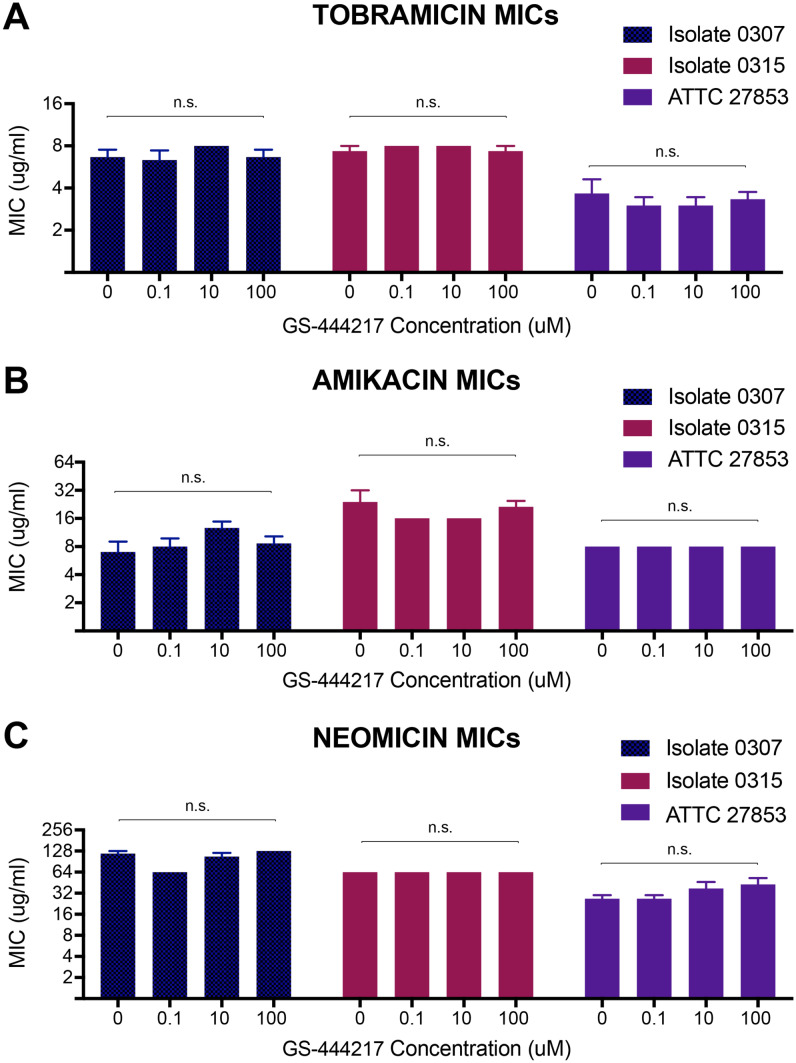
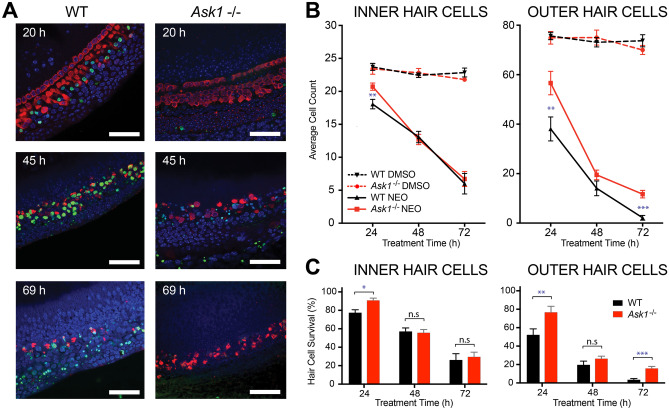
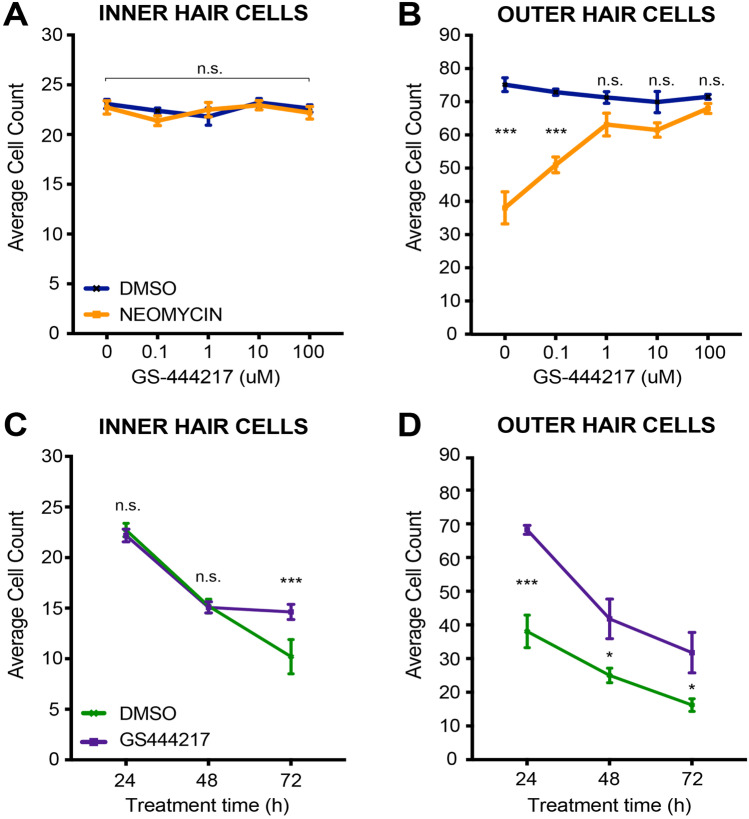
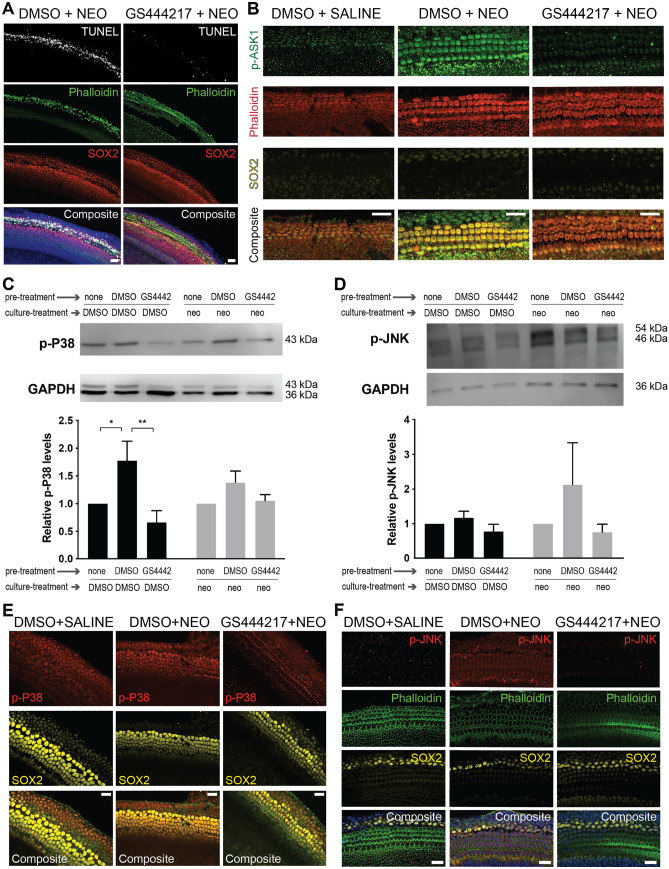
Aminoglycoside antibiotics are lifesaving medicines, crucial for the treatment of chronic or drug resistant infections. However, aminoglycosides are toxic to the sensory hair cells in the inner ear. As a result, aminoglycoside-treated individuals can develop permanent hearing loss and vestibular impairment. There is considerable evidence that reactive oxygen species (ROS) production and the subsequent phosphorylation of c-Jun N-terminal kinase (JNK) and P38 mitogen-activated protein kinase (P38) drives apoptosis in aminoglycoside-treated hair cells. However, treatment strategies that directly inhibit ROS, JNK, or P38 are limited by the importance of these molecules for normal cellular function. Alternatively, the upstream regulator apoptosis signal-regulating kinase 1 (ASK1/MAP3K5) is a key mediator of ROS-induced JNK and P38 activation under pathologic but not homeostatic conditions. We investigated ASK1 as a mediator of drug-induced hair cell death using cochlear explants from Ask1 knockout mice, demonstrating that Ask1 deficiency attenuates neomycin-induced hair cell death. We then evaluated pharmacological inhibition of ASK1 with GS-444217 as a potential otoprotective therapy. GS-444217 significantly attenuated hair cell death in neomycin-treated explants but did not impact aminoglycoside efficacy against P. aeruginosa in the broth dilution test. Overall, we provide significant pre-clinical evidence that ASK1 inhibition represents a novel strategy for preventing aminoglycoside ototoxicity. KEY MESSAGES: ASK1 is an upstream, redox-sensitive regulator of P38 and JNK, which are known mediators of hair cell death. Ask1 knockout does not affect hair cell development in vivo, but significantly reduces aminoglycoside-induced hair cell death in vitro. A small-molecule inhibitor of ASK1 attenuates neomycin-induced hair cell death, and does not impact antibiotic efficacy in vitro. ASK1 may be a novel molecular target for preventing aminoglycoside-induced hearing loss.
氨基糖苷类抗生素是救命药,对治疗慢性或耐药感染至关重要。然而,氨基糖苷类药物对内耳的感觉毛细胞有毒性。因此,接受氨基糖苷类药物治疗的个体可能会出现永久性听力损失和前庭功能障碍。有大量证据表明,活性氧(ROS)的产生以及随后 c-Jun N 末端激酶(JNK)和 P38 丝裂原活化蛋白激酶(P38)的磷酸化驱动氨基糖苷类药物处理的毛细胞凋亡。然而,直接抑制 ROS、JNK 或 P38 的治疗策略受到这些分子对正常细胞功能重要性的限制。相反,凋亡信号调节激酶 1(ASK1/MAP3K5)作为一种上游调节剂,是 ROS 诱导 JNK 和 P38 激活的关键介质,这种激活仅发生在病理条件下,而不是在稳态条件下。我们使用 Ask1 基因敲除小鼠的耳蜗外植体研究 ASK1 作为药物诱导的毛细胞死亡的介导物,证明 Ask1 缺陷可减轻新霉素诱导的毛细胞死亡。然后,我们评估了使用 GS-444217 抑制 ASK1 的药理学作用作为潜在的耳保护治疗方法。GS-444217 可显著减轻新霉素处理的外植体中的毛细胞死亡,但对肉汤稀释试验中氨基糖苷类药物对铜绿假单胞菌的疗效没有影响。总的来说,我们提供了重要的临床前证据,表明 ASK1 抑制代表了预防氨基糖苷类耳毒性的一种新策略。 关键信息:ASK1 是 P38 和 JNK 的上游、氧化还原敏感调节剂,已知是毛细胞死亡的介导物。Ask1 基因敲除不影响体内毛细胞的发育,但可显著减少体外氨基糖苷类药物诱导的毛细胞死亡。ASK1 的小分子抑制剂可减轻新霉素诱导的毛细胞死亡,并且不影响体外抗生素的疗效。ASK1 可能是预防氨基糖苷类药物引起听力损失的新分子靶标。