Chen Aleda M H, Draime Juanita A, Berman Sarah, Gardner Julia, Krauss Zach, Martinez Joe
Cedarville University School of Pharmacy, USA.
University Health San Antonio, USA.
Explor Res Clin Soc Pharm. 2022 Mar 18;5:100129. doi: 10.1016/j.rcsop.2022.100129. eCollection 2022 Mar.
Chronic disease prevalence is increasing. Adherence to dietary guidelines is low (<50%) despite positive impacts in disease progression, clinical outcomes, and medical costs. It is important to summarize the impact of providing medically-tailored meals to patients on adherence rates, clinical outcomes, and potential economic outcomes.
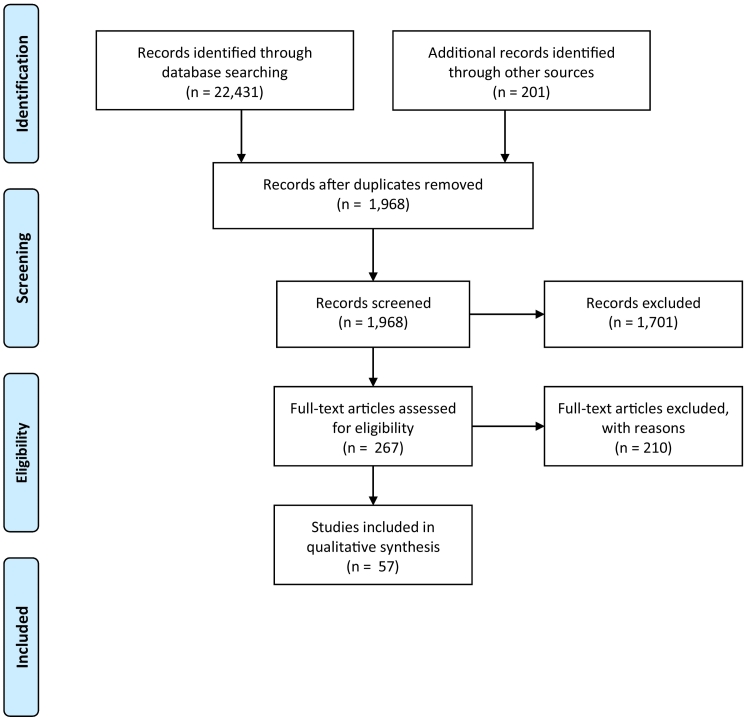
A systematic review was conducted to identify, extract, and appraise food-provision studies from January 1, 2013-May 1, 2018 for heart disease, diabetes (DM), and chronic kidney disease (CKD). The key findings related to adherence and clinical outcomes were compiled. Published literature was utilized to determine the economic impact of key clinical outcomes.
Across diseases, 100 articles ( = 43,175 patients) were included. Dietary adherence was considered "compliant" or ≥ 90% consistently. Significant ( < 0.05) clinical outcomes included 5-10% LDL reduction, 4-11 mmHg SBP reduction, 30% reduction in metabolic syndrome prevalence, 3-5% weight reduction, 56% lower CKD mortality rates, and increased dialysis-free time (2 years:50%, 5 years:25%, calculated cost savings of 80.6-94.3%). Literature review showed these outcomes would result in decreased: cardiovascular (CV) event risk (20-30% reduction: $5-11 billion annually), hospitalization costs ($1-8 billion), and dialysis rates (25-50% reduction: $14-29 billion annually). For heart failure patients, results include: 16% fewer readmissions (saving $234,096 per 100 patients) and a 38-day shorter length of stay (saving $79,425 per hospitalization).
Providing medically-tailored meals significantly increases dietary adherence above 90% and allows patients to realize significantly better chronic disease control. Through this, patients could experience fewer complications (CV events, hospital readmissions and dialysis), resulting in significant annual US healthcare cost reduction of $27-48 billion.
慢性病患病率正在上升。尽管遵循饮食指南对疾病进展、临床结局和医疗成本有积极影响,但遵循率较低(<50%)。总结为患者提供医学定制膳食对遵循率、临床结局和潜在经济结局的影响很重要。
进行了一项系统综述,以识别、提取和评估2013年1月1日至2018年5月1日期间针对心脏病、糖尿病(DM)和慢性肾脏病(CKD)的食物供应研究。汇总了与遵循情况和临床结局相关的主要发现。利用已发表的文献来确定关键临床结局的经济影响。
纳入了涉及多种疾病的100篇文章(n = 43,175例患者)。饮食遵循情况被一致认为是“合规的”或≥90%。显著(P < 0.05)的临床结局包括低密度脂蛋白降低5 - 10%、收缩压降低4 - 11 mmHg、代谢综合征患病率降低30%、体重减轻3 - 5%、慢性肾脏病死亡率降低56%以及无透析时间增加(2年:50%,5年:25%,计算得出成本节约80.6 - 94.3%)。文献综述表明,这些结局将导致以下方面的减少:心血管(CV)事件风险(降低20 - 30%:每年节省50亿至110亿美元)、住院费用(10亿至80亿美元)以及透析率(降低25 - 50%:每年节省140亿至290亿美元)。对于心力衰竭患者,结果包括:再入院率降低16%(每100例患者节省234,096美元)以及住院时间缩短38天(每次住院节省79,425美元)。
提供医学定制膳食可使饮食遵循率显著提高至90%以上,并使患者能够实现更好的慢性病控制。通过这一点,患者可能会经历更少的并发症(心血管事件、再次住院和透析),从而使美国每年的医疗保健成本显著降低270亿至480亿美元。