Nejedlá Zuzana, Poustka David, Herma Regina, Liegertová Michaela, Štofik Marcel, Smejkal Jiří, Šícha Václav, Kaule Pavel, Malý Jan
Department of Biology, Faculty of Science, Jan Evangelista Purkinje University České mládeže 8 400 96 Usti nad Labem Czech Republic
RSC Adv. 2021 May 4;11(27):16252-16267. doi: 10.1039/d1ra00305d. eCollection 2021 Apr 30.
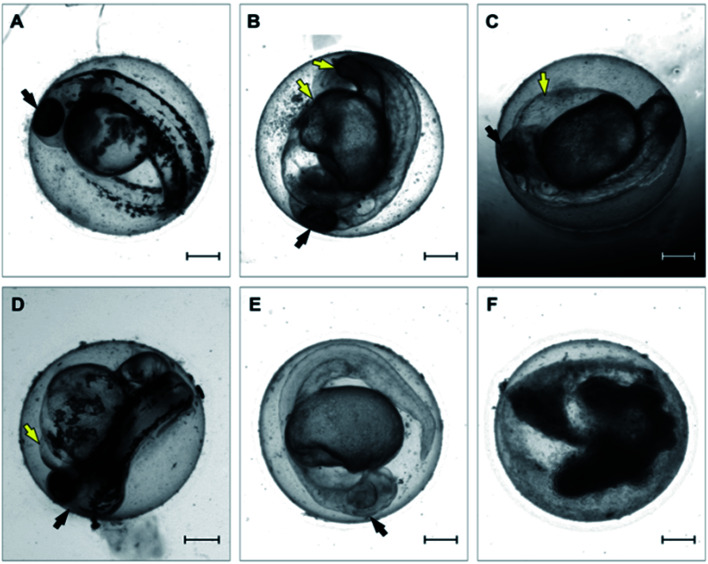
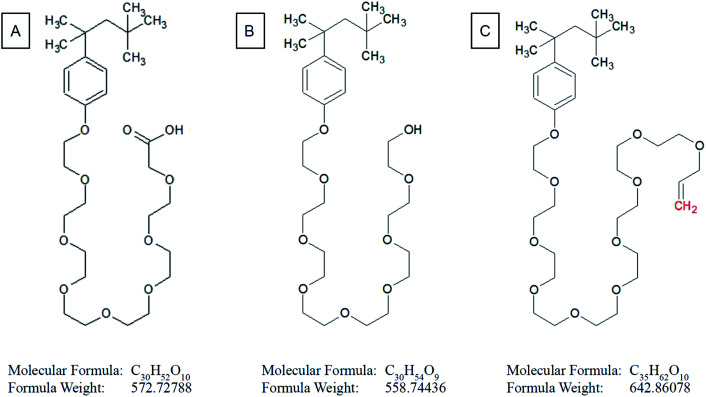
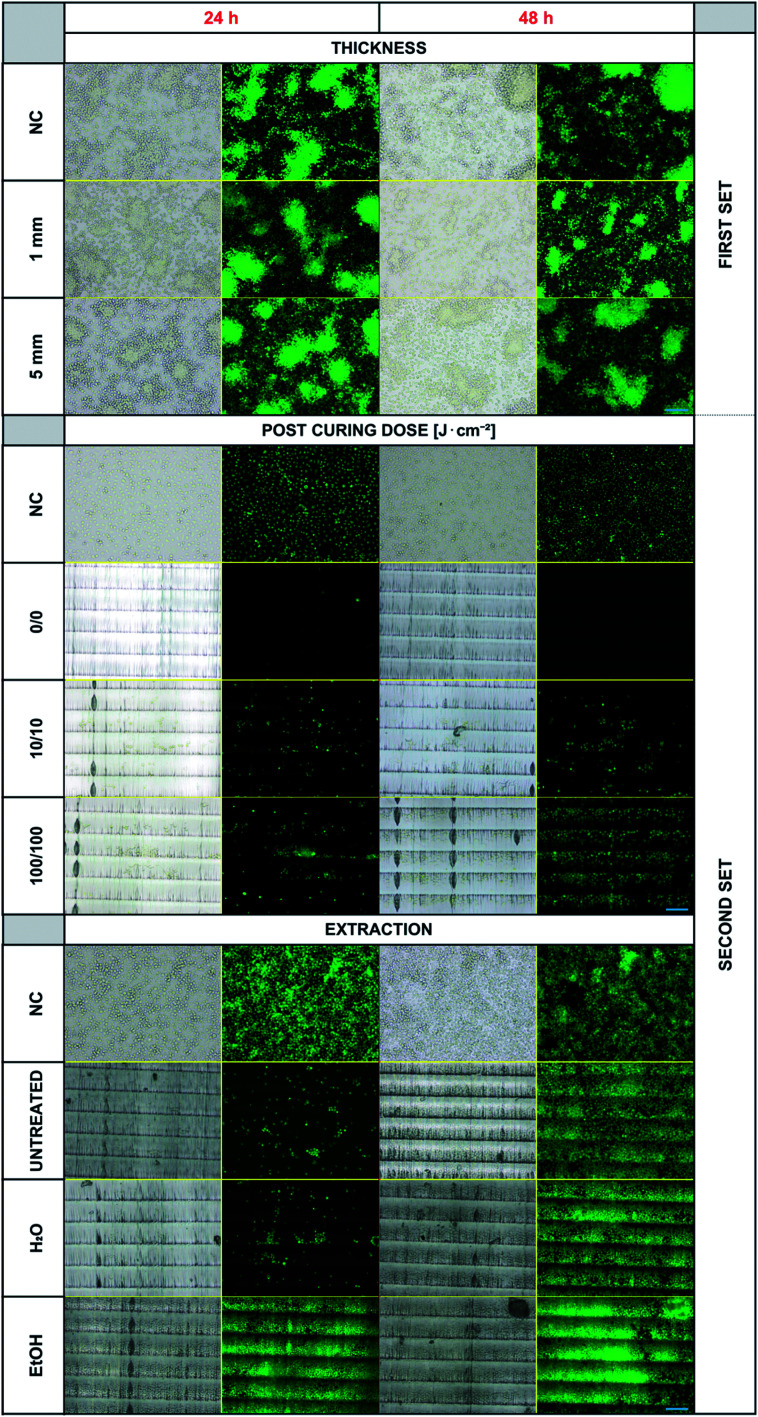
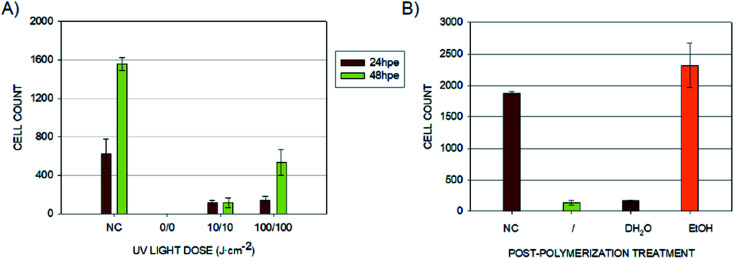
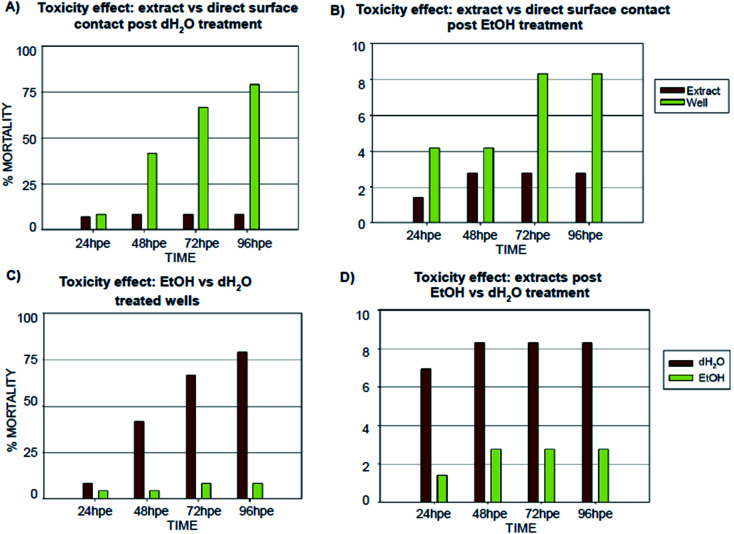
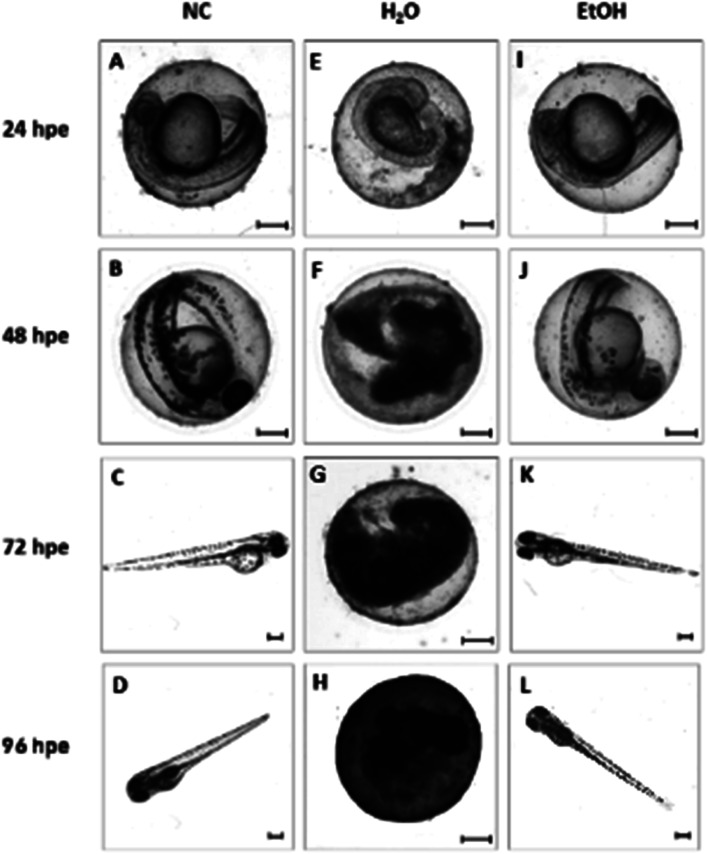
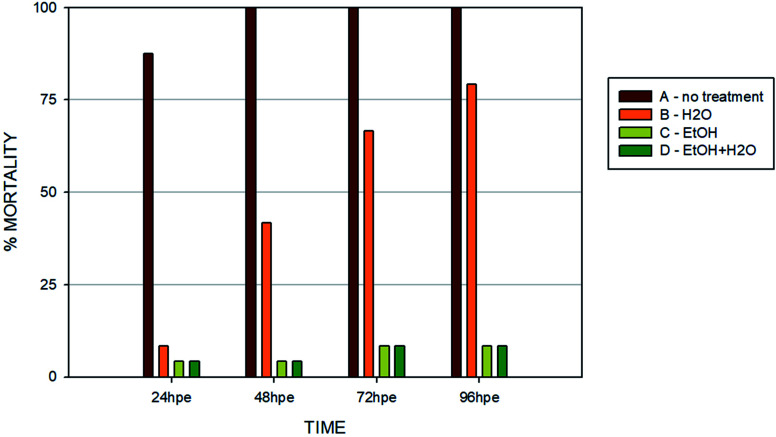
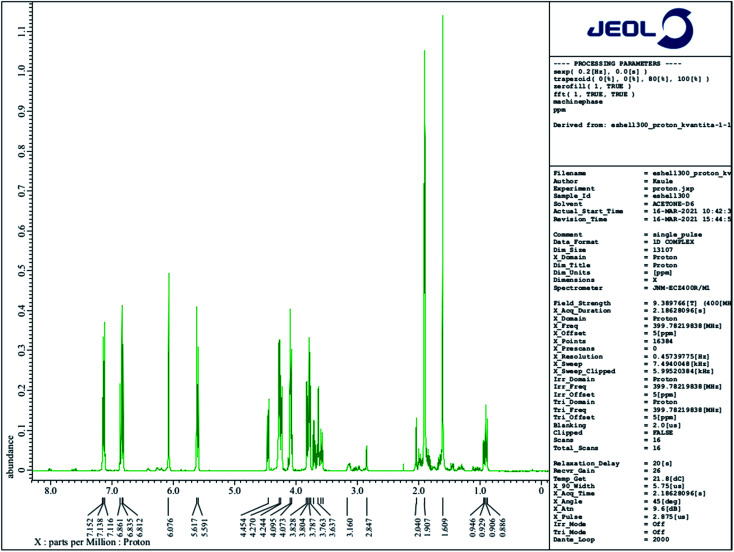
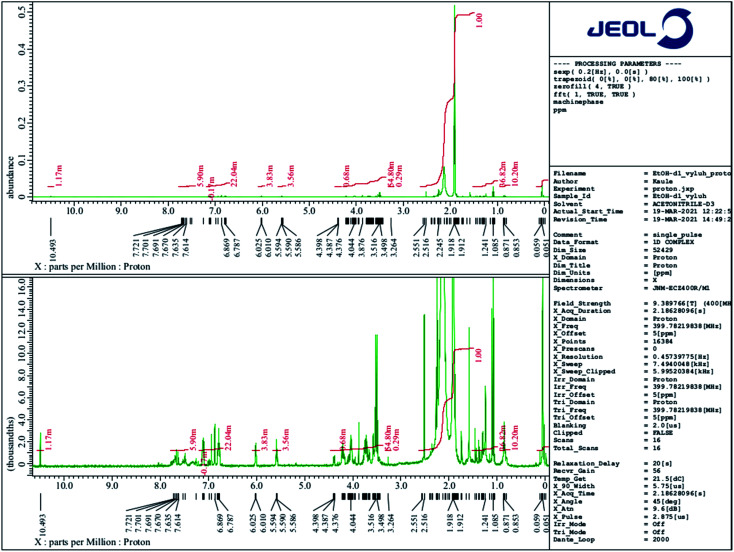
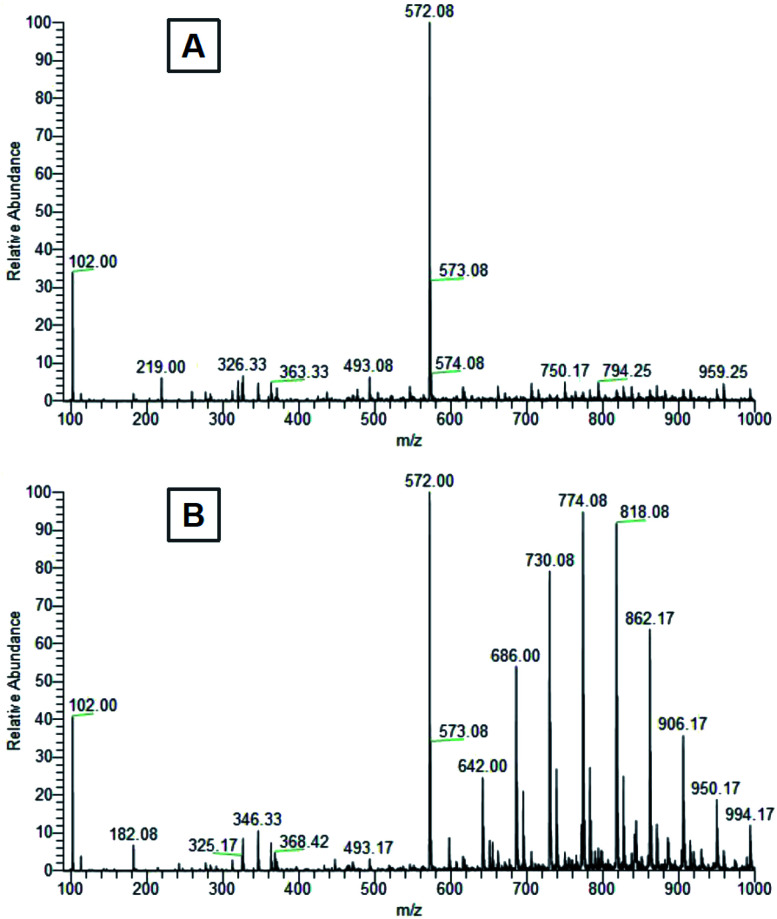
Additive manufacturing is a new technology that represents a highly promising, cheap, and efficient solution for the production of various tools in the biomedicine field. In our study, the toxicity of the commercially available E-Shell 300 series photopolymer, which is used in the manufacture of hearing aids and other implants and which could be potentially exploited in microfluidic device fabrication, was tested using and biological models. We examined B14 cell proliferation in direct contact with the three-dimensional (3D)-printed material as well as in water extracts to evaluate cytotoxicity. Similarly, tests were performed using an OECD-standardized fish embryo acute toxicity (FET) test on embryos in direct contact with the material and in extracts as well. Despite E-Shell 300 3D-printed material being declared as class-IIa biocompatible, in the case of direct contact with both biological models, the results demonstrated a considerable negative impact on cell proliferation and severe developmental toxicity. In this study, up to 84% reduced cell proliferation and 79% mortality of models were observed. In contrast, a negligible toxic influence of E-Shell 300 water extracts was present. Four different post-processing treatments to reduce the toxicity were also tested. We observed that post-printing treatment of 3D-printed material in 96% ethanol can reduce embryonic mortality in the FET test by 71% and also completely eliminate negative effects on cell proliferation. We analyzed leachates from the polymeric structures by mass spectrometry (MS) and nuclear magnetic resonance (NMR) spectroscopy, and we discovered the presence of surfactant residues. In summary, our results indicate the importance of biocompatibility testing of the 3D printing photopolymer material in direct contact with the given biological model. On the other hand, the possibility of eliminating toxic effects by an appropriate post-processing strategy opens the door for broader applications of E-Shell 300 photopolymers in the development of complex microfluidic devices for various biological applications.
增材制造是一项新技术,它为生物医学领域各种工具的生产提供了一种极具前景、成本低廉且高效的解决方案。在我们的研究中,使用了 和 生物模型测试了市售的E-Shell 300系列光聚合物的毒性,该光聚合物用于制造助听器和其他植入物,并且有可能用于微流控设备制造。我们检查了与三维(3D)打印材料直接接触以及在水提取物中的B14细胞增殖情况,以评估 细胞毒性。同样,使用经经济合作与发展组织(OECD)标准化的鱼类胚胎急性毒性(FET)试验,对与材料直接接触以及在提取物中的 胚胎进行了测试。尽管E-Shell 300 3D打印材料被宣称具有IIa类生物相容性,但在与两种生物模型直接接触的情况下,结果表明对细胞增殖有相当大的负面影响以及严重的发育毒性。在这项研究中,观察到细胞增殖减少了高达84%, 模型的死亡率达到79%。相比之下,E-Shell 300水提取物的毒性影响可忽略不计。还测试了四种不同的后处理方法以降低毒性。我们观察到,在96%乙醇中对3D打印材料进行后打印处理可使FET试验中的胚胎死亡率降低71%,并且还能完全消除对细胞增殖的负面影响。我们通过质谱(MS)和核磁共振(NMR)光谱分析了聚合物结构的浸出液,发现了表面活性剂残留物的存在。总之,我们的结果表明了对与给定生物模型直接接触的3D打印光聚合物材料进行生物相容性测试的重要性。另一方面,通过适当的后处理策略消除毒性影响的可能性为E-Shell 300光聚合物在开发用于各种生物应用的复杂微流控设备中的更广泛应用打开了大门。