Medical Research Council (MRC), University of Cambridge, Cambridge, UK.
Trends Biochem Sci. 2022 Aug;47(8):660-672. doi: 10.1016/j.tibs.2022.03.020. Epub 2022 Apr 26.
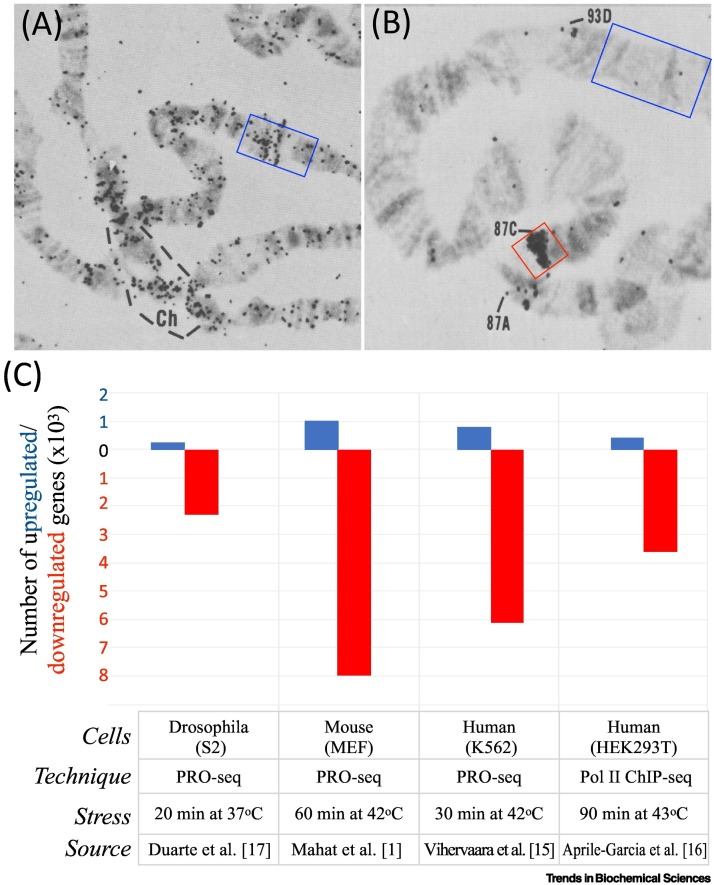
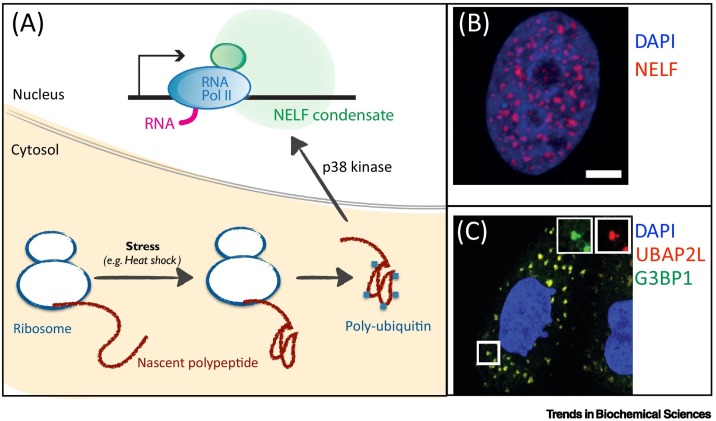
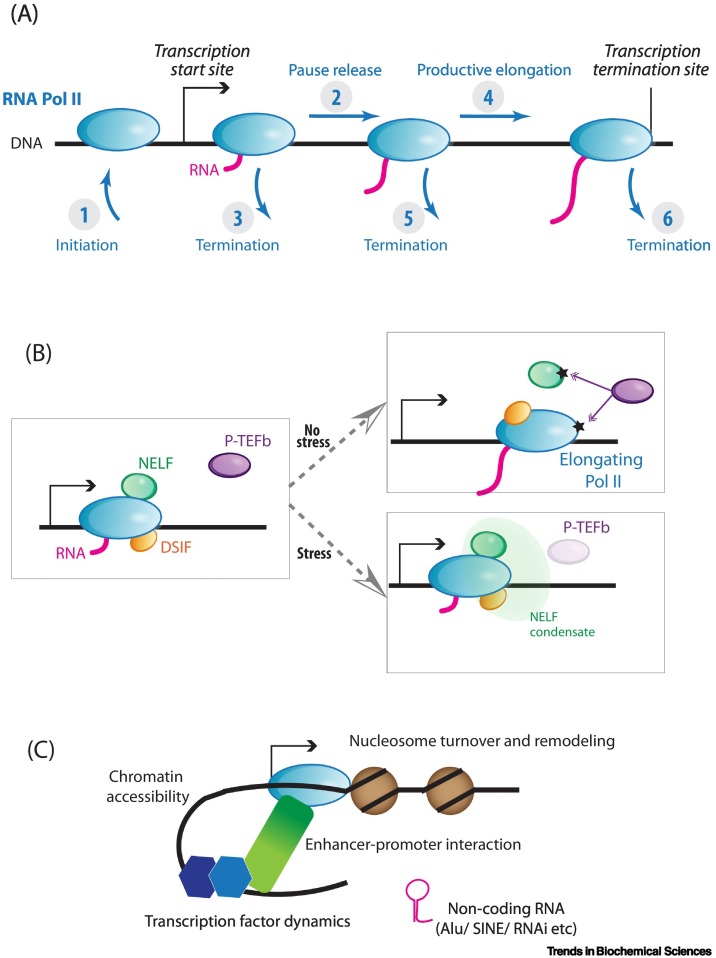
Cells experiencing proteotoxic stress downregulate the expression of thousands of active genes and upregulate a few stress-response genes. The strategy of downregulating gene expression has conceptual parallels with general lockdown in the global response to the coronavirus disease 2019 (COVID-19) pandemic. The mechanistic details of global transcriptional downregulation of genes, termed stress-induced transcriptional attenuation (SITA), are only beginning to emerge. The reduction in RNA and protein production during stress may spare proteostasis capacity, allowing cells to divert resources to control stress-induced damage. Given the relevance of translational downregulation in a broad variety of diseases, the role of SITA in diseases caused by proteotoxicity should be investigated in future, paving the way for potential novel therapeutics.
细胞在受到蛋白毒性应激时,会下调数千个活性基因的表达,而上调少数几个应激反应基因。这种下调基因表达的策略与全球对 2019 年冠状病毒病(COVID-19)大流行的整体封锁有概念上的相似之处。基因的全局转录下调的机制细节,即应激诱导的转录衰减(SITA),才刚刚开始显现。在应激过程中减少 RNA 和蛋白质的产生可能会节省蛋白稳态的能力,使细胞能够将资源转移到控制应激诱导的损伤上。鉴于翻译下调在广泛的疾病中的相关性,SITA 在蛋白毒性引起的疾病中的作用应该在未来进行研究,为潜在的新型治疗方法铺平道路。