Bahadur Ali, Iqbal Shahid, Alsaab Hashem O, Awwad Nasser S, Ibrahium Hala A
Department of Transdisciplinary Studies, Graduate School of Convergence Science and Technology, Seoul National University Seoul 08826 South Korea.
Department of Chemistry, School of Natural Sciences (SNS), National University of Science and Technology (NUST) H-12 Islamabad 46000 Pakistan
RSC Adv. 2021 Nov 12;11(58):36518-36527. doi: 10.1039/d0ra09390d. eCollection 2021 Nov 10.
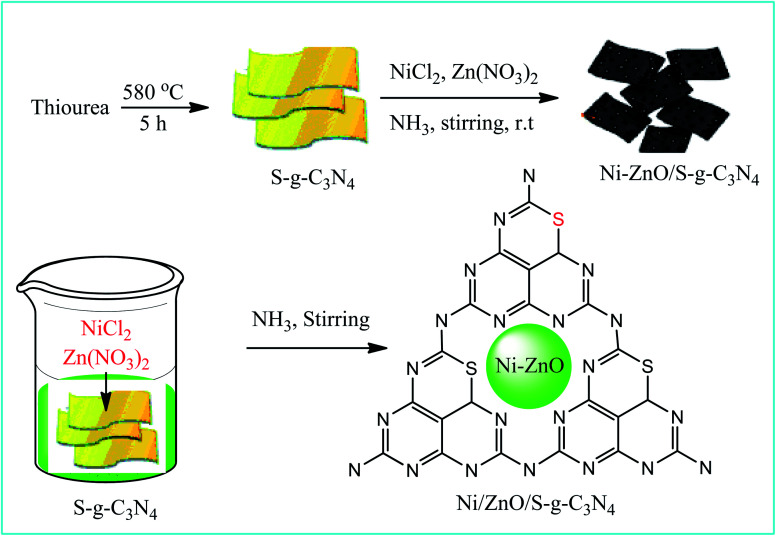
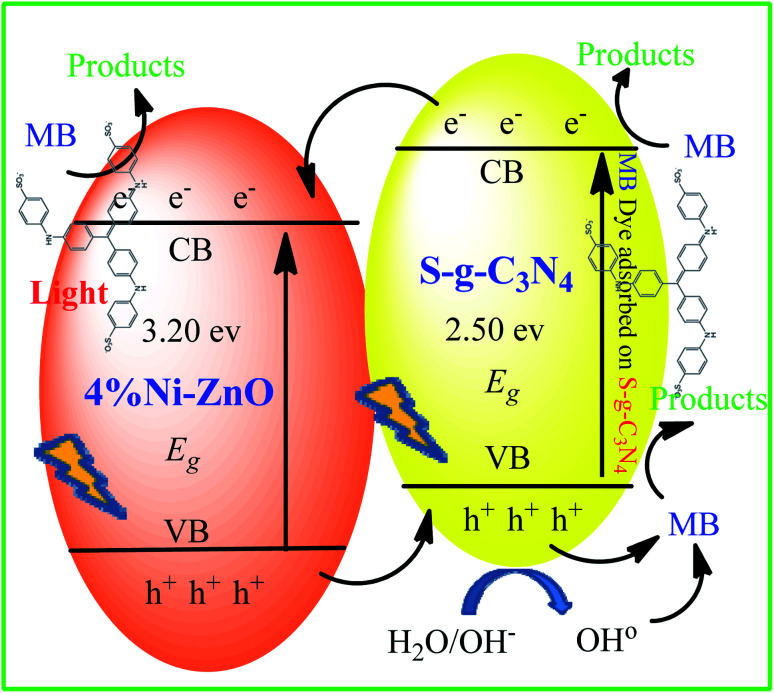
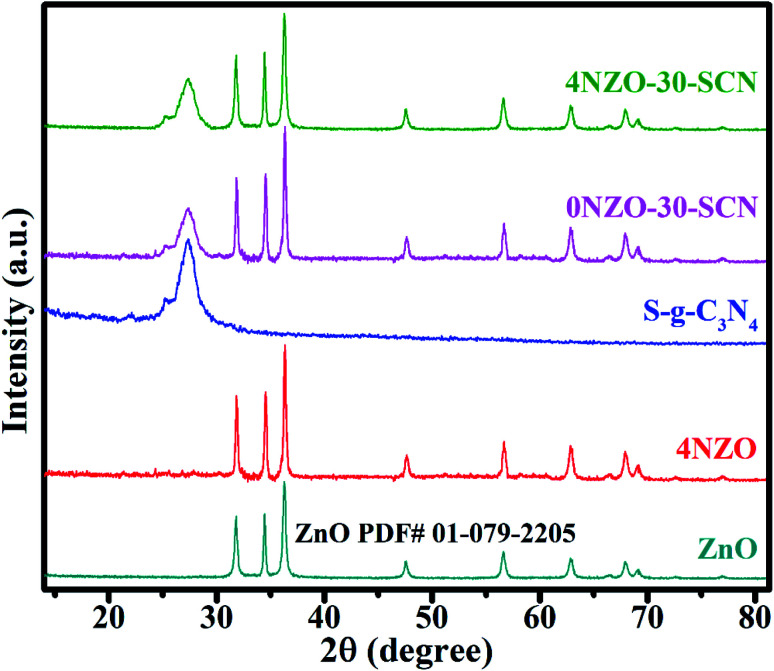
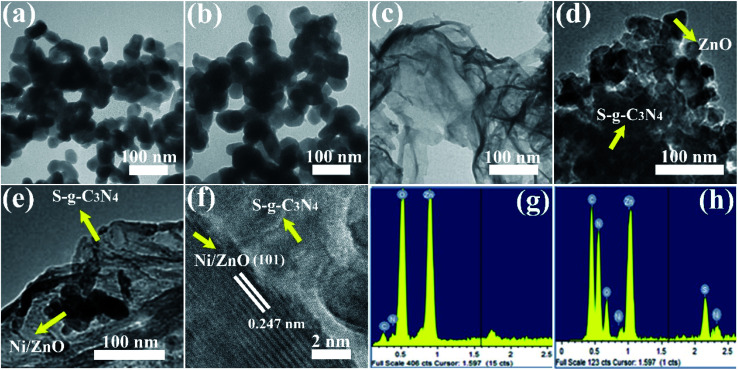
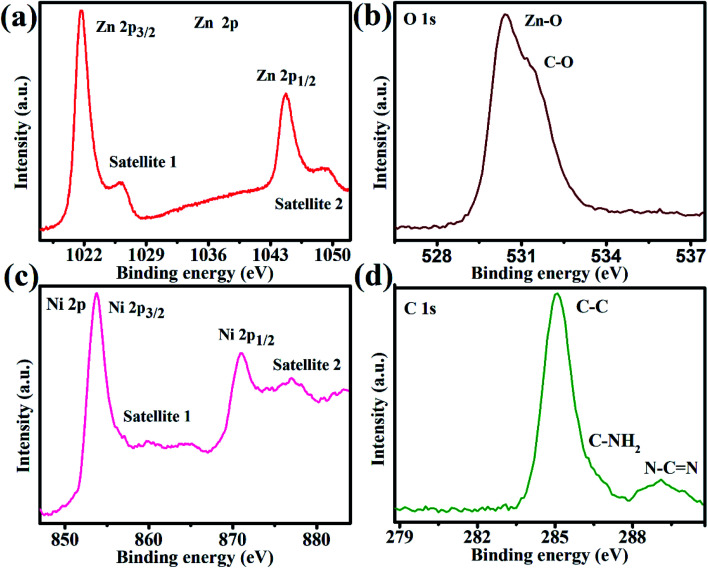
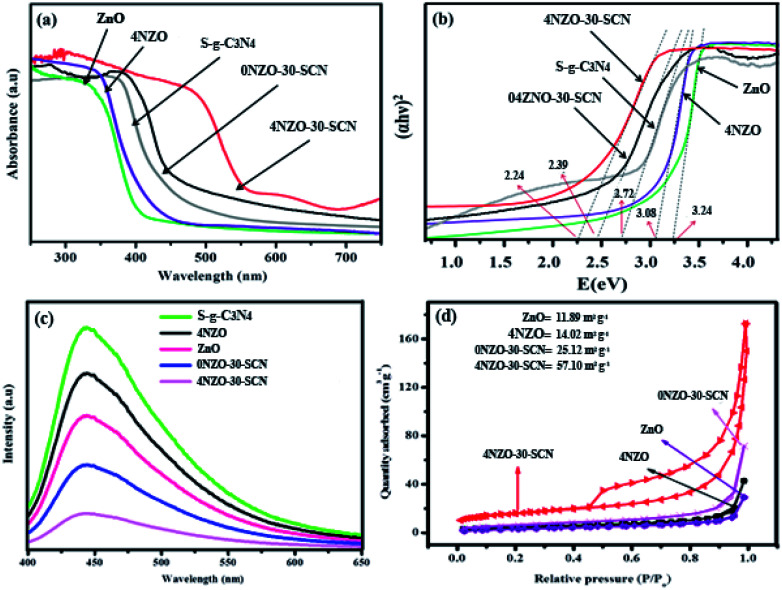
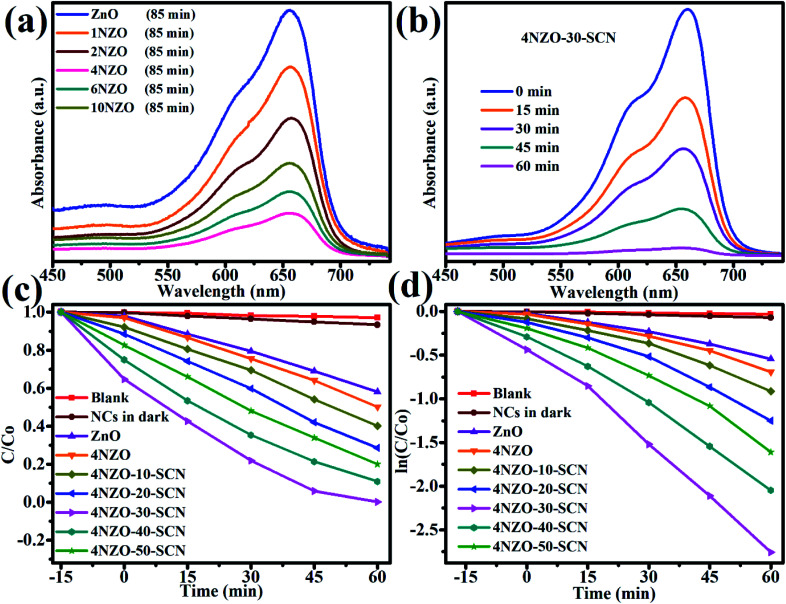
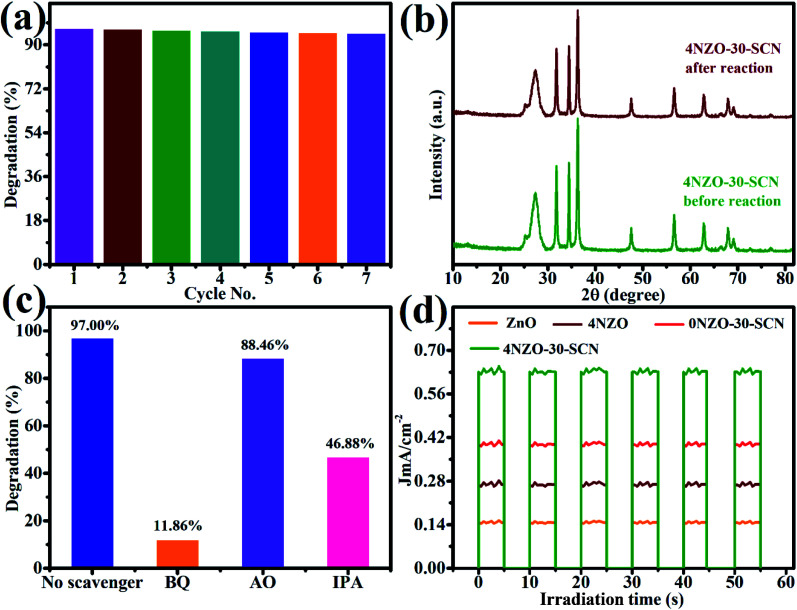
In this study, photocorrosion of ZnO is inhibited by doping Ni in the ZnO nanostructure and electron-hole recombination was solved by forming a heterostructure with S-g-CN. Ni is doped into ZnO NPs from 0 to 10% (w/w). Among the Ni-decorated ZnO NPs, 4% Ni-doped ZnO NPs (4NZO) showed the best performance. So, 4% Ni-ZnO was used to form heterostructure NCs with S-g-CN. NZO NPs were formed by the wet co-precipitation route by varying the weight percentage of Ni (0-10% w/w). Methylene blue (MB) was used as a model dye for photocatalytic studies. For the preparation of the 4NZO--SCN nanocomposite, 4NZO NPs were formed in the presence of various concentrations of S-g-CN (10-50% (w/w)) by using the coprecipitation route. The electron spin resonance (ESR) and radical scavenger studies showed that O and OH free radicals were the main reactive species that were responsible for MB photodegradation.
在本研究中,通过在ZnO纳米结构中掺杂Ni抑制了ZnO的光腐蚀,并通过与S-g-CN形成异质结构解决了电子-空穴复合问题。Ni以0至10%(w/w)的比例掺杂到ZnO纳米颗粒中。在Ni修饰的ZnO纳米颗粒中,4%Ni掺杂的ZnO纳米颗粒(4NZO)表现出最佳性能。因此,使用4%的Ni-ZnO与S-g-CN形成异质结构纳米复合材料。通过改变Ni的重量百分比(0-10%w/w),采用湿共沉淀法制备了NZO纳米颗粒。亚甲基蓝(MB)用作光催化研究的模型染料。为了制备4NZO-SCN纳米复合材料,通过共沉淀法在各种浓度的S-g-CN(10-50%(w/w))存在下制备了4NZO纳米颗粒。电子自旋共振(ESR)和自由基清除剂研究表明,O和OH自由基是导致MB光降解的主要活性物种。