Jeevanandham Gayathri, Jerome R, Murugan N, Preethika M, Vediappan Kumaran, Sundramoorthy Ashok K
Department of Chemistry, SRM Institute of Science and Technology Kattankulathur-603 203 Tamil Nadu India
RSC Adv. 2020 Jan 2;10(2):643-654. doi: 10.1039/c9ra09318d.
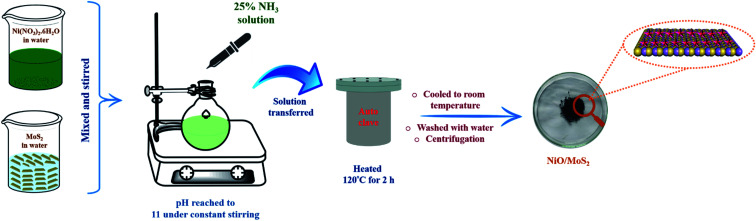
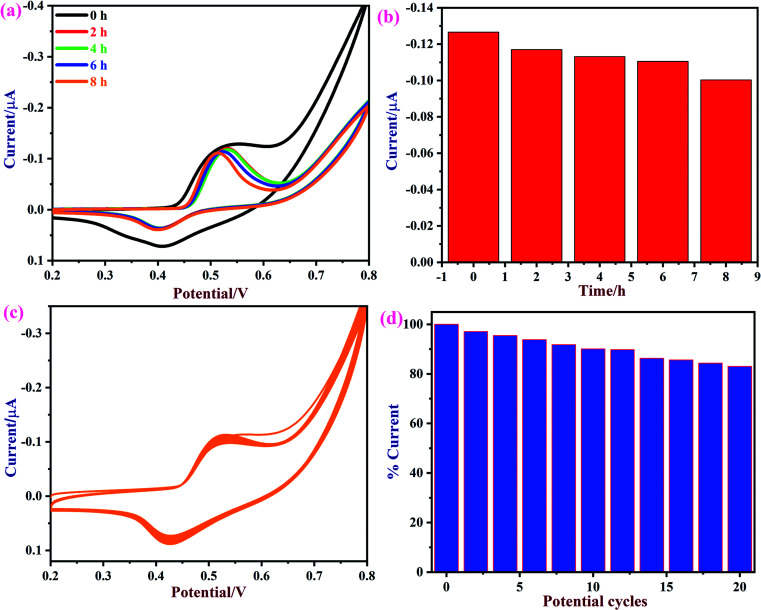
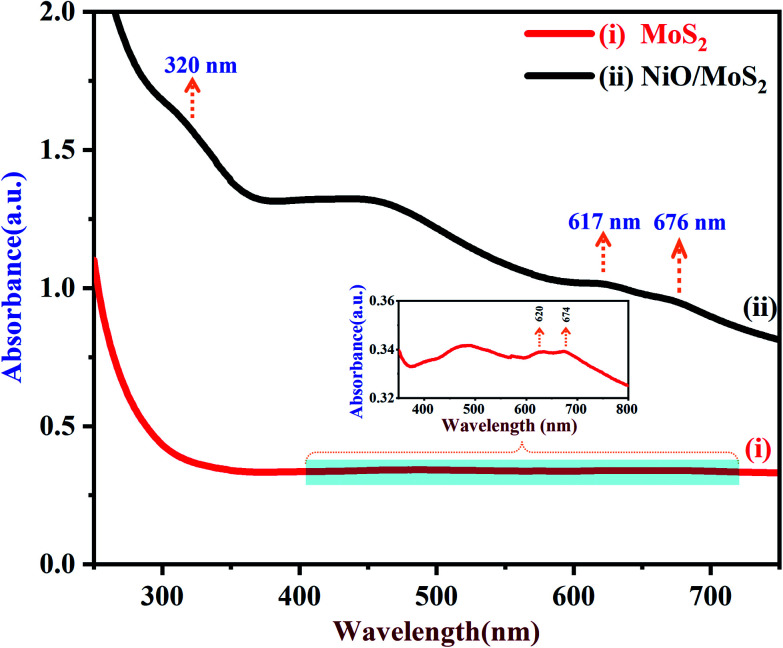
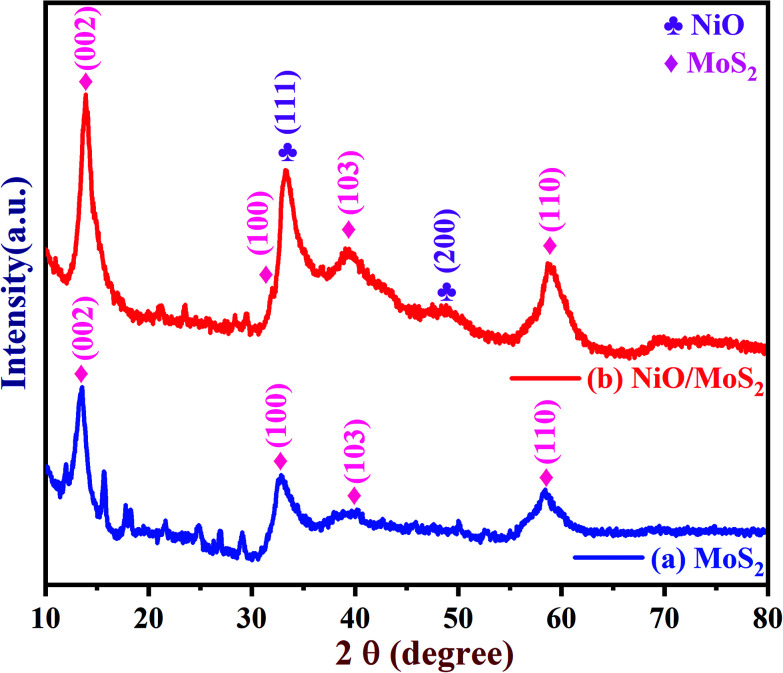
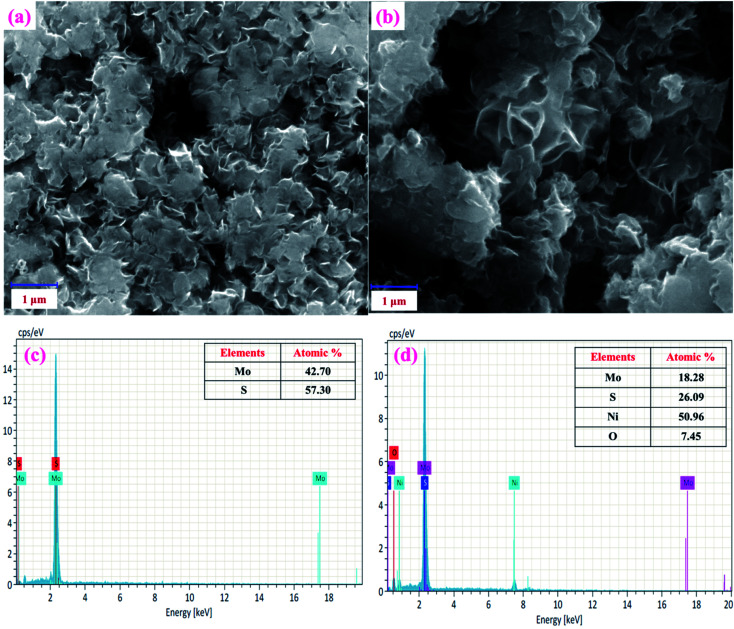
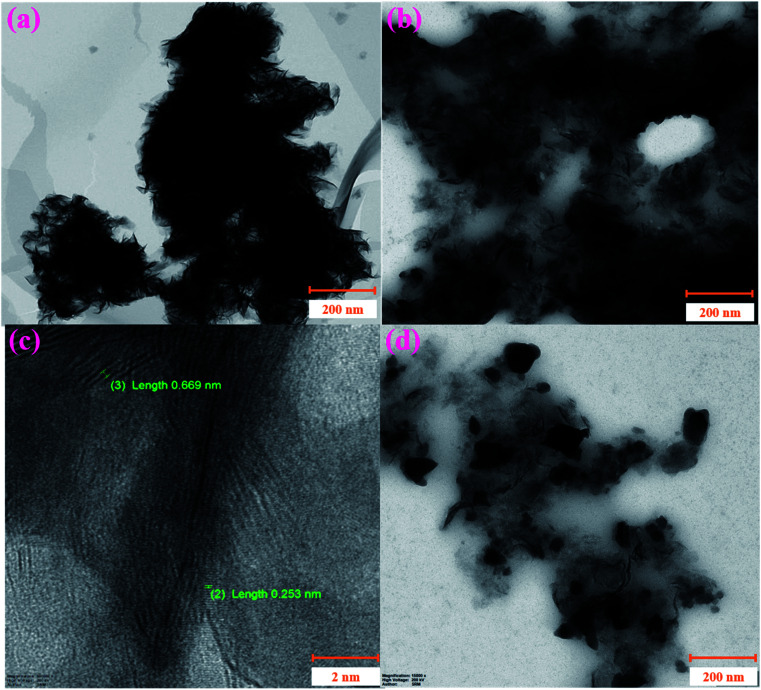
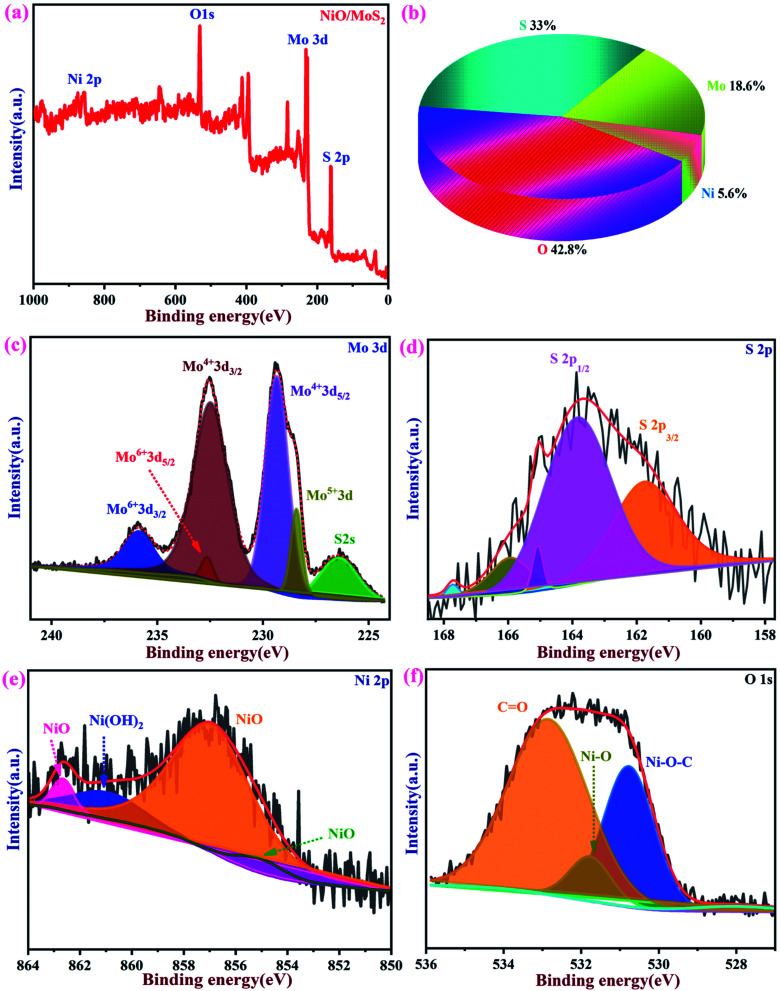
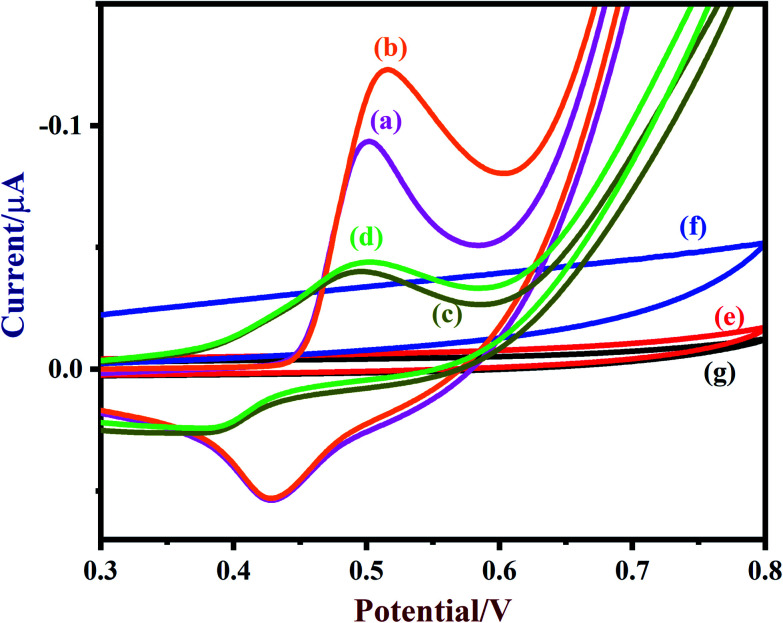
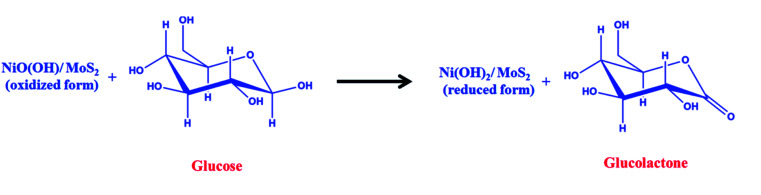
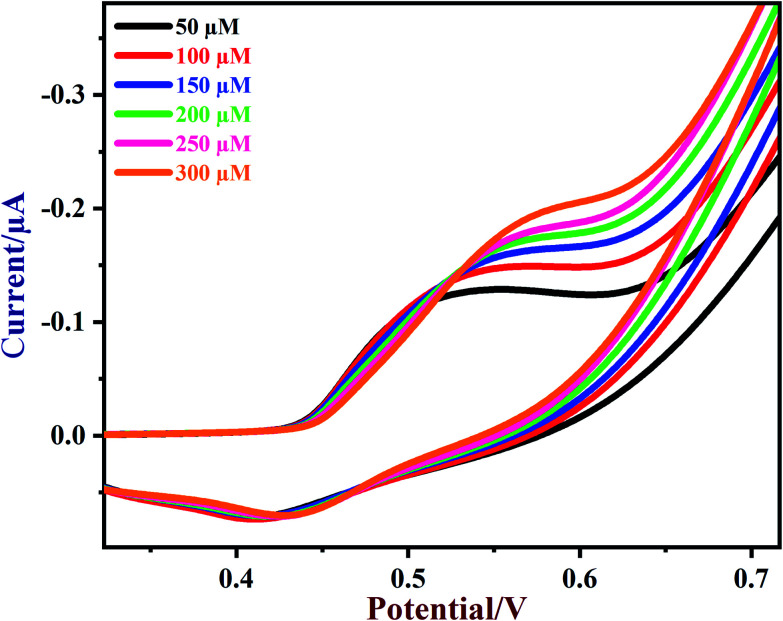
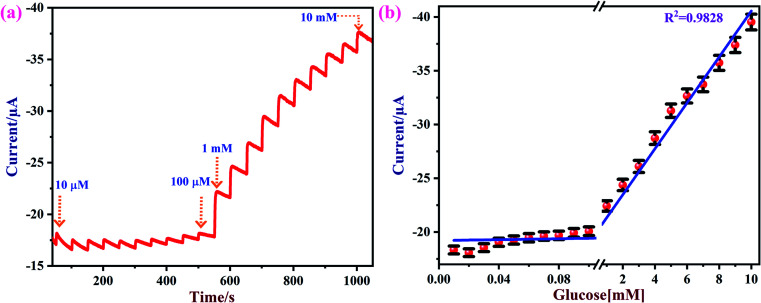
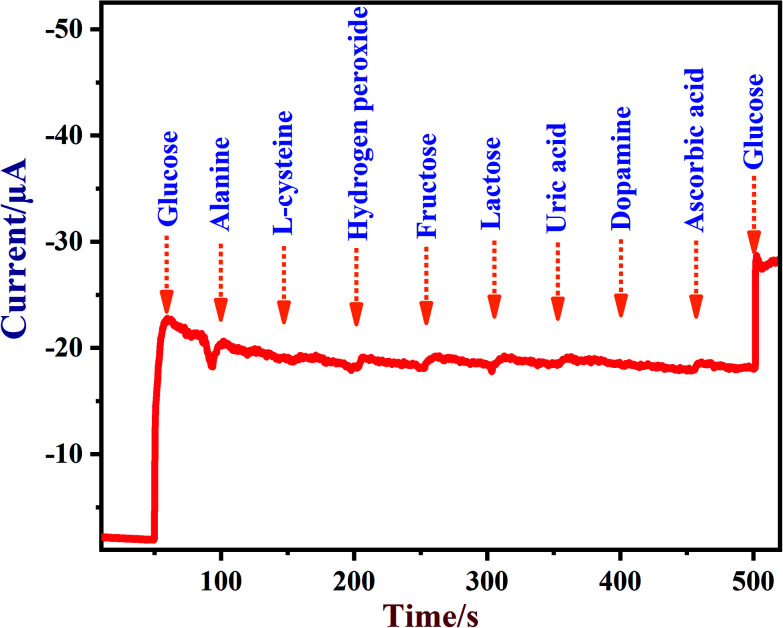
Understanding blood glucose levels in our body can be a key part in identifying and diagnosing prediabetes. Herein, nickel oxide (NiO) decorated molybdenum disulfide (MoS) nanosheets have been synthesized a hydrothermal process to develop a non-enzymatic sensor for the detection of glucose. The surface morphology of the NiO/MoS nanocomposite was comprehensively investigated by field-emission scanning electron microscopy (FE-SEM), high-resolution transmission electron microscopy (HR-TEM), powder X-ray diffraction (PXRD), X-ray photoelectron spectroscopy (XPS) and Brunauer-Emmett-Teller (BET) analysis. The electro-catalytic activity of the as-prepared NiO/MoS nanocomposite towards glucose oxidation was investigated by cyclic voltammetry, electrochemical impedance spectroscopy (EIS) and amperometry in 0.1 M NaOH. The NiO/MoS nanocomposite-based sensor showed outstanding electrocatalytic activity for the direct electro-oxidation of glucose due to it having more catalytic active sites, good conductivity, excellent electron transport and high specific surface area. Meanwhile, the NiO/MoS modified glassy carbon electrode (GCE) showed a linear range of glucose detection from 0.01 to 10 mM by amperometry at 0.55 V. The effect of other common interferent molecules on the electrode response was also tested using alanine, l-cysteine, fructose, hydrogen peroxide, lactose, uric acid, dopamine and ascorbic acid. These molecules did not interfere in the detection of glucose. Moreover, this NiO/MoS/GCE sensor offered rapid response (2 s) and a wide linear range with a detection limit of 1.62 μM for glucose. The reproducibility, repeatability and stability of the sensor were also evaluated. The real application of the sensor was tested in a blood serum sample in the absence and presence of spiked glucose and its recovery values (96.1 to 99.8%) indicated that this method can be successfully applied to detect glucose in real samples.
了解我们体内的血糖水平可能是识别和诊断糖尿病前期的关键部分。在此,通过水热法合成了氧化镍(NiO)修饰的二硫化钼(MoS)纳米片,以开发一种用于检测葡萄糖的非酶传感器。通过场发射扫描电子显微镜(FE-SEM)、高分辨率透射电子显微镜(HR-TEM)、粉末X射线衍射(PXRD)、X射线光电子能谱(XPS)和布鲁诺尔-埃米特-泰勒(BET)分析对NiO/MoS纳米复合材料的表面形貌进行了全面研究。在0.1 M NaOH中,通过循环伏安法、电化学阻抗谱(EIS)和安培法研究了所制备的NiO/MoS纳米复合材料对葡萄糖氧化的电催化活性。基于NiO/MoS纳米复合材料的传感器对葡萄糖的直接电氧化表现出出色的电催化活性,这是由于它具有更多的催化活性位点、良好的导电性、优异的电子传输和高比表面积。同时,NiO/MoS修饰的玻碳电极(GCE)在0.55 V下通过安培法显示葡萄糖检测的线性范围为0.01至10 mM。还使用丙氨酸、L-半胱氨酸、果糖、过氧化氢、乳糖、尿酸、多巴胺和抗坏血酸测试了其他常见干扰分子对电极响应的影响。这些分子不干扰葡萄糖的检测。此外,这种NiO/MoS/GCE传感器提供快速响应(2秒)和宽线性范围,葡萄糖检测限为1.62 μM。还评估了传感器的重现性、重复性和稳定性。在添加和未添加加标葡萄糖的血清样品中测试了传感器的实际应用,其回收率值(96.1%至99.8%)表明该方法可成功应用于实际样品中葡萄糖的检测。