Samadder Rajib, Akter Nahida, Roy Abinash Chandra, Uddin Md Mosfeq, Hossen Md Jahangir, Azam Md Shafiul
Department of Chemistry, Bangladesh University of Engineering and Technology (BUET) Dhaka 1000 Bangladesh
RSC Adv. 2020 Mar 24;10(20):11945-11956. doi: 10.1039/d0ra00604a. eCollection 2020 Mar 19.
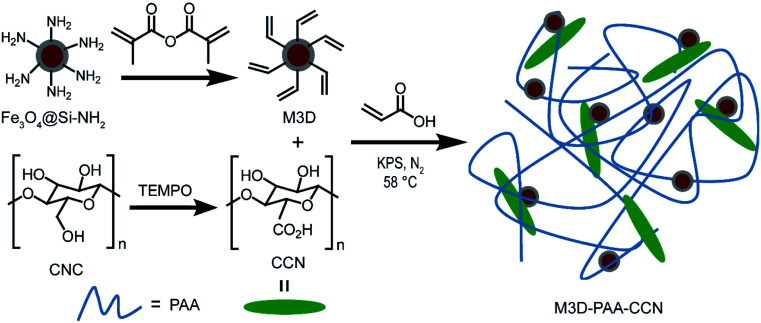
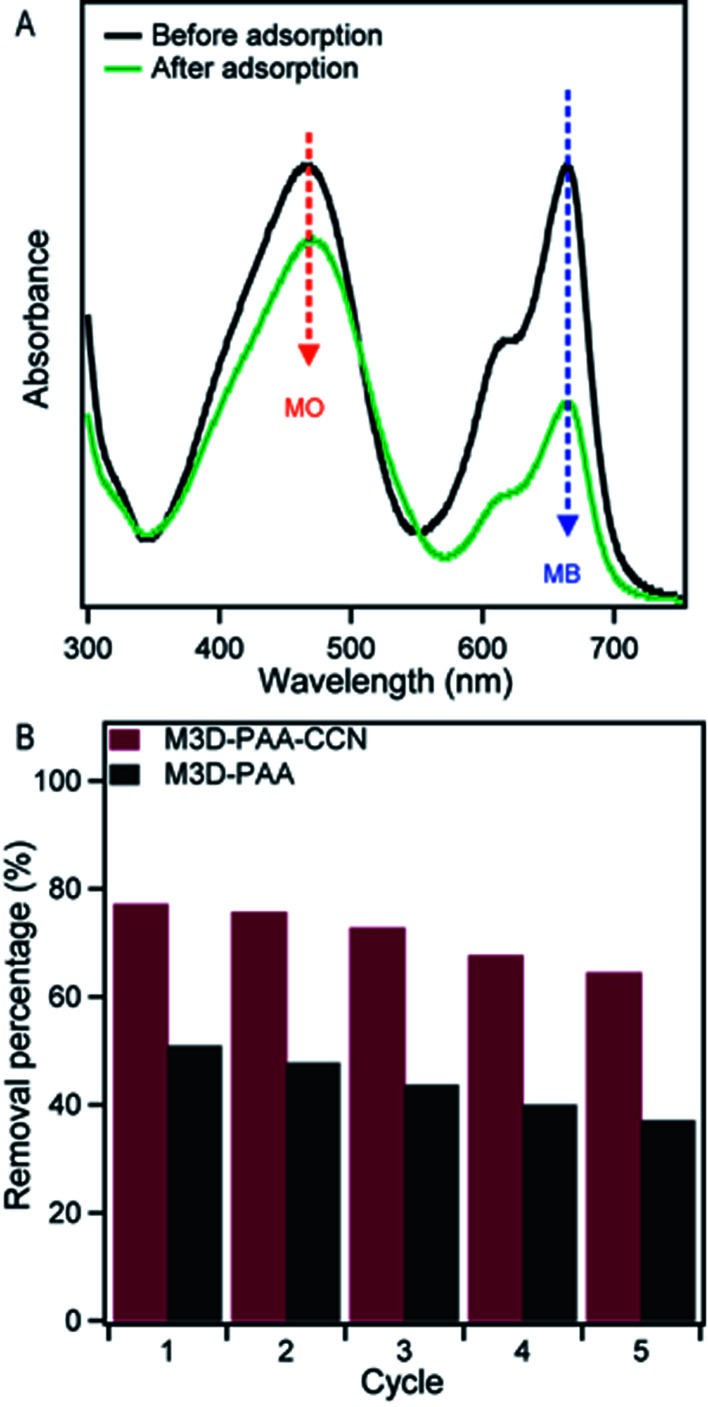
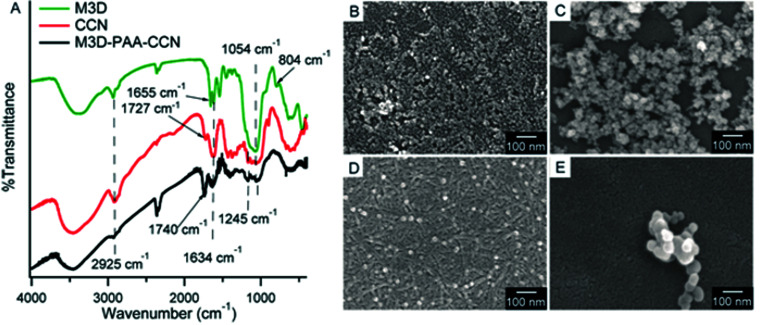
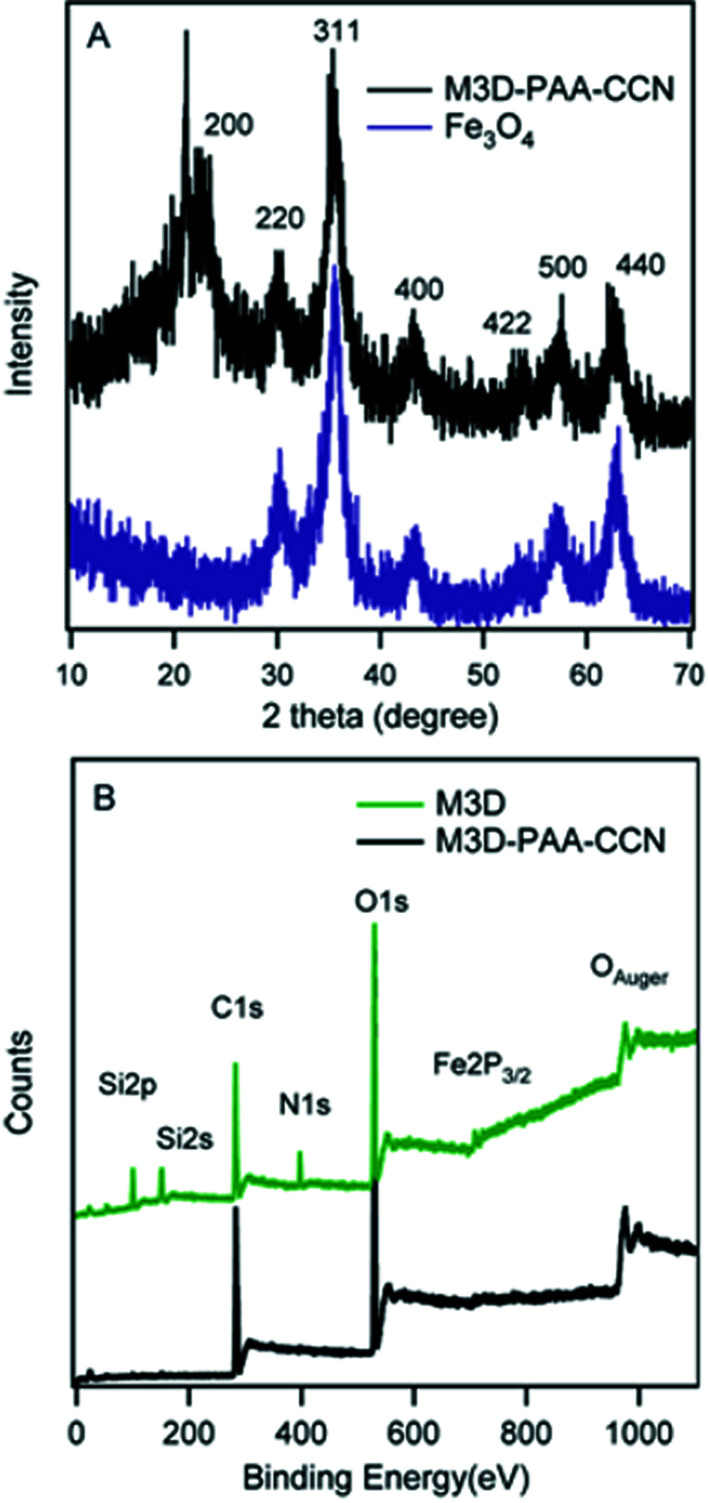
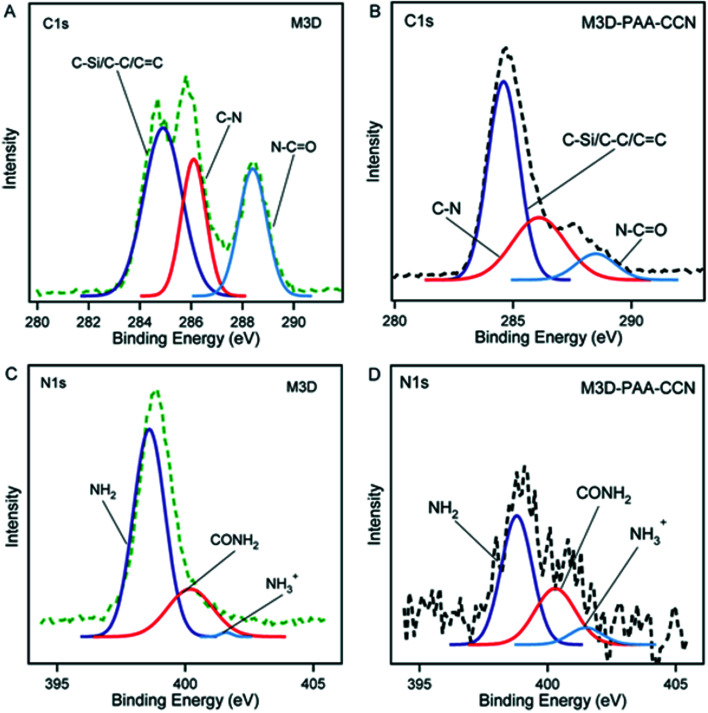
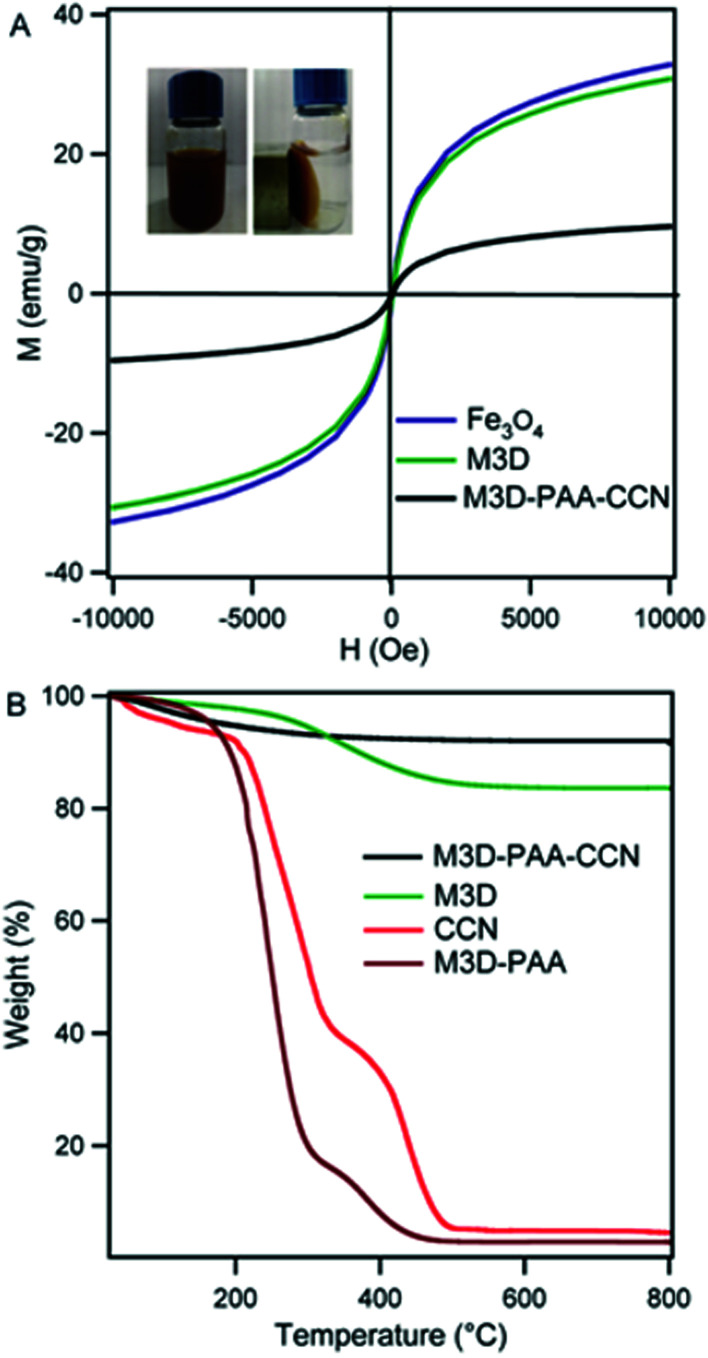
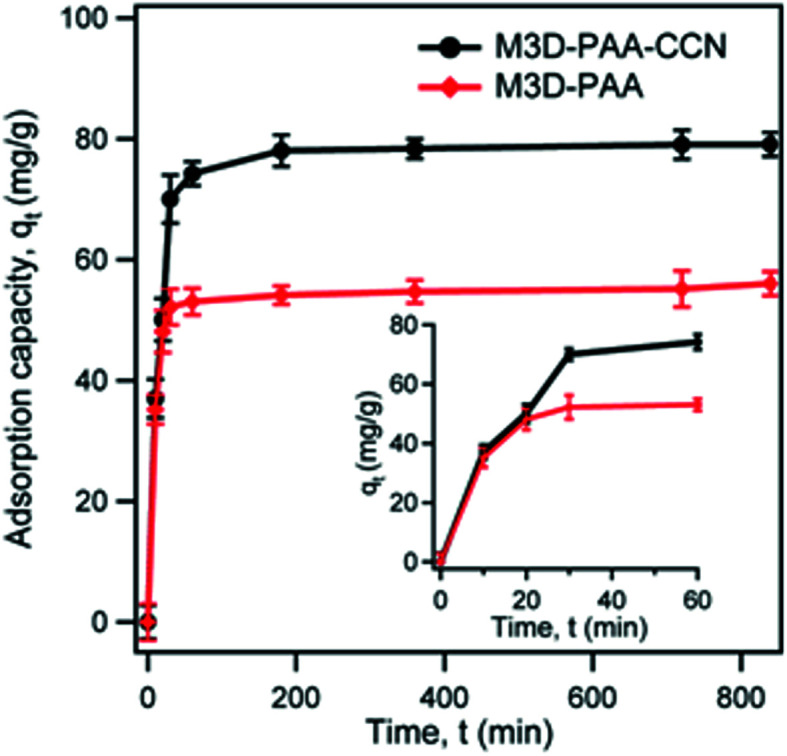
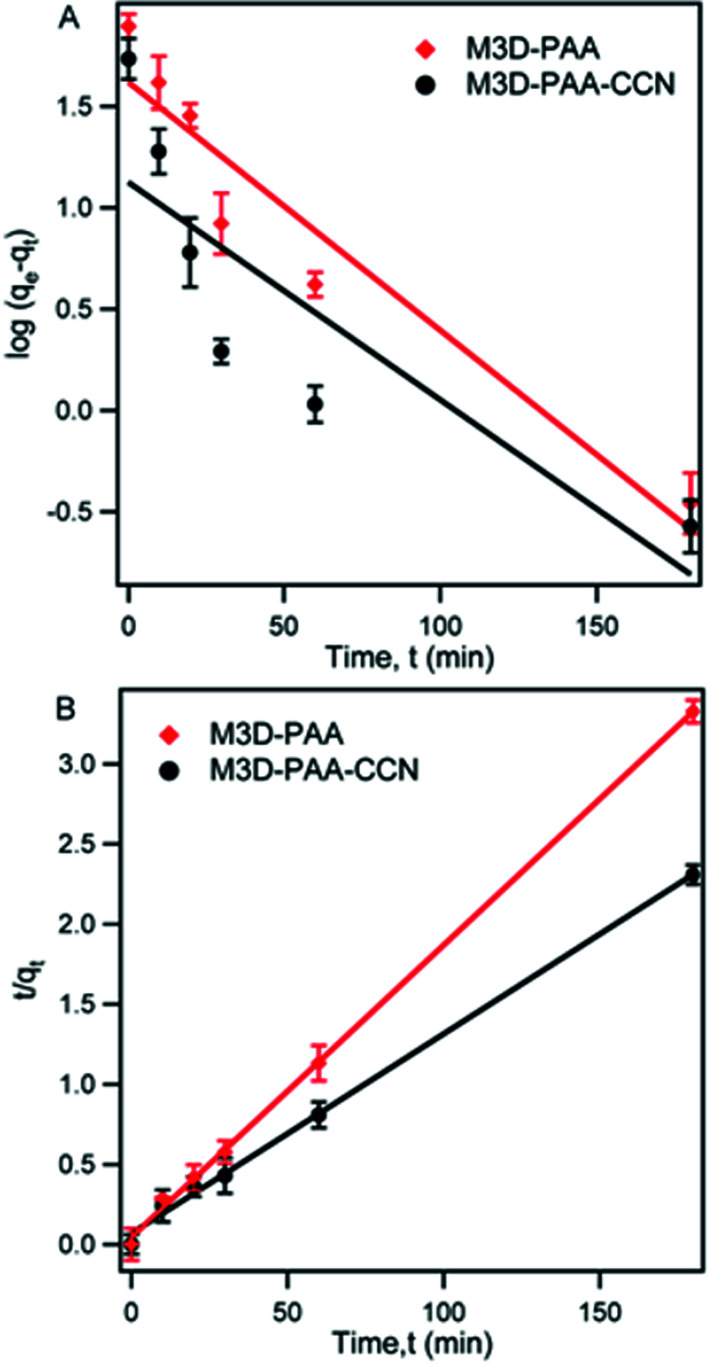
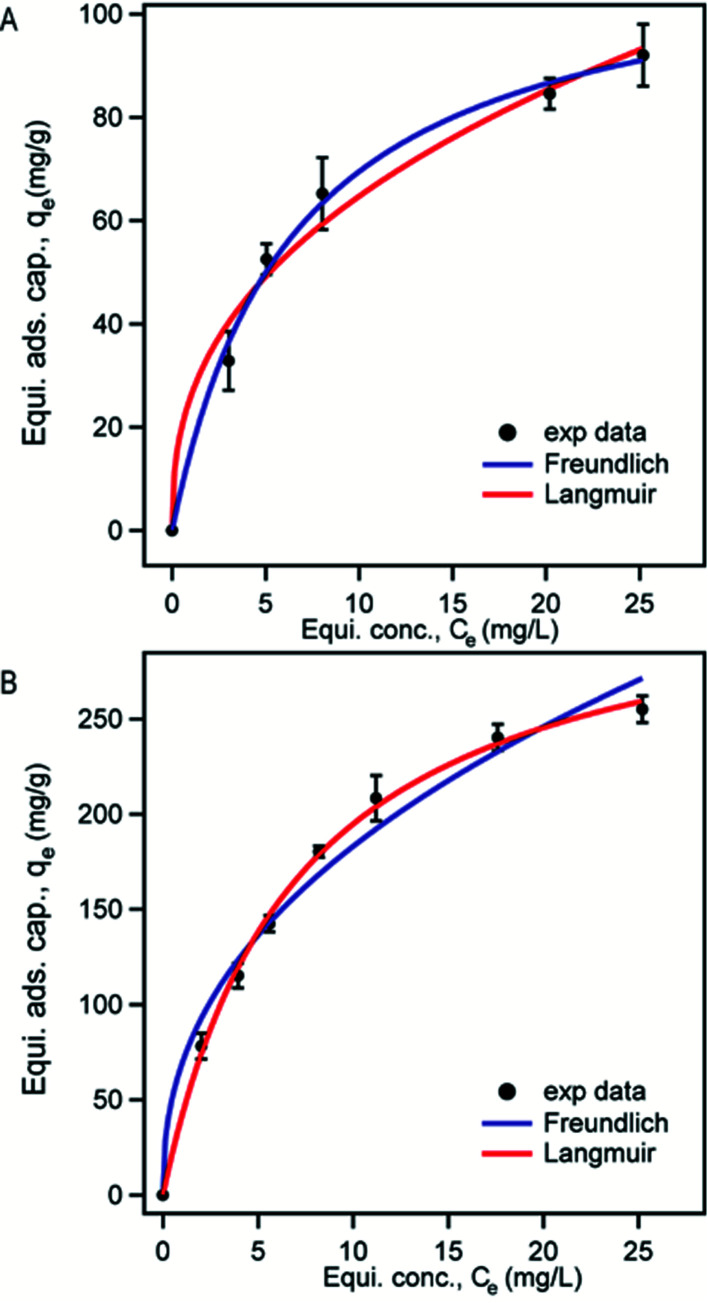
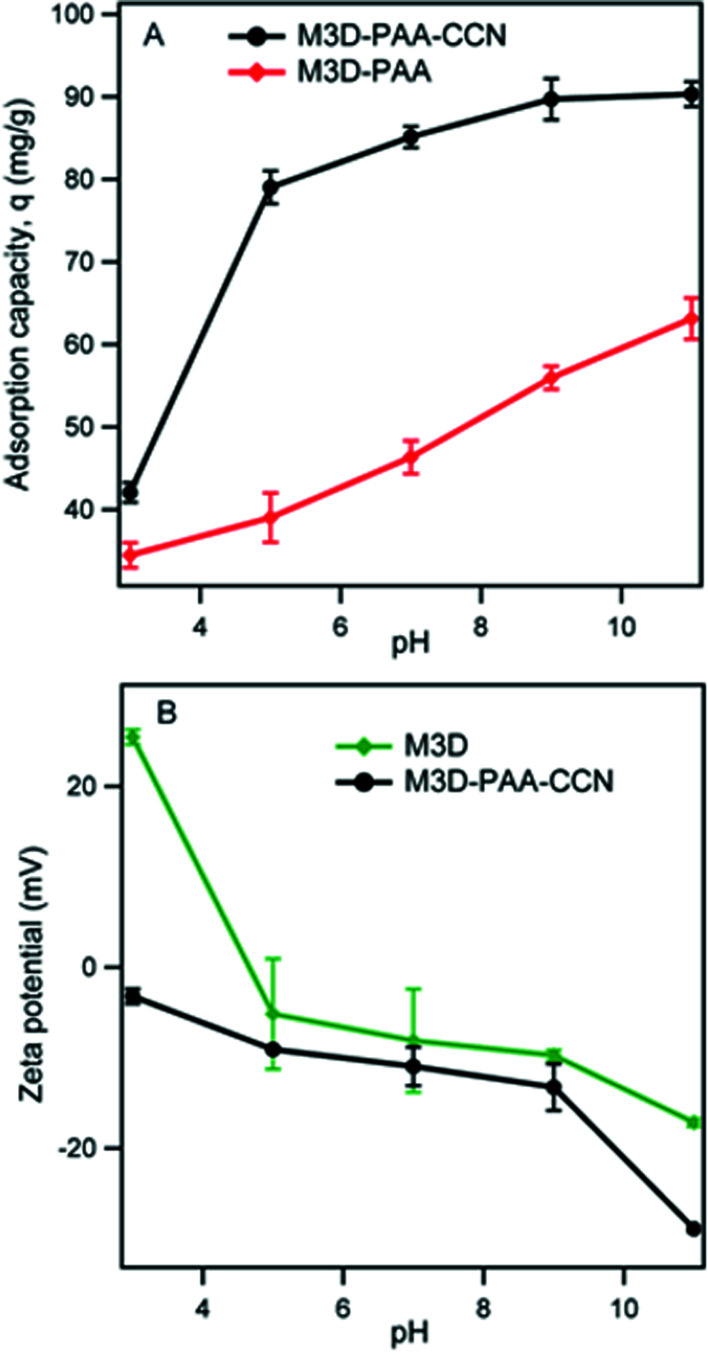
The development of safe and cost-effective methods for the treatment of dye polluted wastewater has been a great concern among researchers. Herein, we developed a nanocomposite (M3D-PAA-CCN) based on polyacrylic acid (PAA) crosslinked with magnetic 3D crosslinkers (M3D) and carboxylated cellulose nanocrystals (CCN), for the removal of cationic dyes from aqueous solutions. Acrylic-functionalized FeO nanoparticles were covalently linked to the polymer chains the form of the 3D crosslinker to introduce magnetic properties into the as-synthesized nanocomposite. The addition of highly dispersive CCN reduced the gel-like properties of the nanocomposite and instead incorporated a diffusive nature, which was more desirable for adsorbents. The surface morphology of the nanocomposite was analyzed by FESEM and the size of the nanocomposite particles was found to be in the range of 60-90 nm. The chemical functionalities and compositions were determined by XPS, FTIR, and EDX analyses whereas TGA confirmed the thermal stability of M3D-PAA-CCN. The maximum adsorption capacity of the M3D-PAA-CCN (332 mg g) was measured higher than that of M3D-PAA (114 mg g) to a cationic methylene blue (MB) dye indicating the significant contribution of CCN. The adsorption capacity of the as-synthesized M3D-PAA-CCN was found to be highly pH-dependent and the adsorption capacity increased with the increase of pH owing to the greater negative charge as indicated by the higher zeta potential. The adsorption kinetics of MB on the composites was found to follow the pseudo-second-order model. The adsorption capacity was also investigated as a function of concentration to figure out the adsorption mechanism using Langmuir and Freundlich isotherm models. The Langmuir model fitted the adsorption process better as suggested by the relatively smaller nonlinear chi-square value obtained from the fitting parameters.
开发安全且经济高效的染料污染废水处理方法一直是研究人员极为关注的问题。在此,我们基于与磁性三维交联剂(M3D)和羧化纤维素纳米晶体(CCN)交联的聚丙烯酸(PAA)开发了一种纳米复合材料(M3D-PAA-CCN),用于从水溶液中去除阳离子染料。丙烯酸官能化的FeO纳米颗粒以三维交联剂的形式共价连接到聚合物链上,从而将磁性引入合成的纳米复合材料中。添加高度分散的CCN降低了纳米复合材料的凝胶状特性,取而代之的是引入了扩散性质,这对于吸附剂来说更具优势。通过场发射扫描电子显微镜(FESEM)分析了纳米复合材料的表面形态,发现纳米复合材料颗粒的尺寸在60 - 90纳米范围内。通过X射线光电子能谱(XPS)、傅里叶变换红外光谱(FTIR)和能量散射X射线光谱(EDX)分析确定了化学官能团和组成,而热重分析(TGA)证实了M3D-PAA-CCN的热稳定性。M3D-PAA-CCN对阳离子亚甲基蓝(MB)染料的最大吸附容量(332 mg/g)高于M3D-PAA(114 mg/g),表明CCN有显著贡献。发现合成的M3D-PAA-CCN的吸附容量高度依赖于pH值,并且由于更高的zeta电位表明的更大负电荷,吸附容量随pH值的增加而增加。发现MB在复合材料上的吸附动力学遵循准二级模型。还研究了吸附容量随浓度的变化,以使用朗缪尔和弗伦德里希等温线模型确定吸附机制。从拟合参数获得的相对较小的非线性卡方值表明,朗缪尔模型更适合吸附过程。