Genome Editing and Sequencing Lab, National Centre for Bioinformatics, Quaid-i-Azam University Islamabad, Pakistan.
National Institute for Genomic and Advanced Biotechnology, National Agricultural Research Centre, Park Road, Islamabad Pakistan.
J Adv Res. 2021 Jul 14;37:33-41. doi: 10.1016/j.jare.2021.07.006. eCollection 2022 Mar.
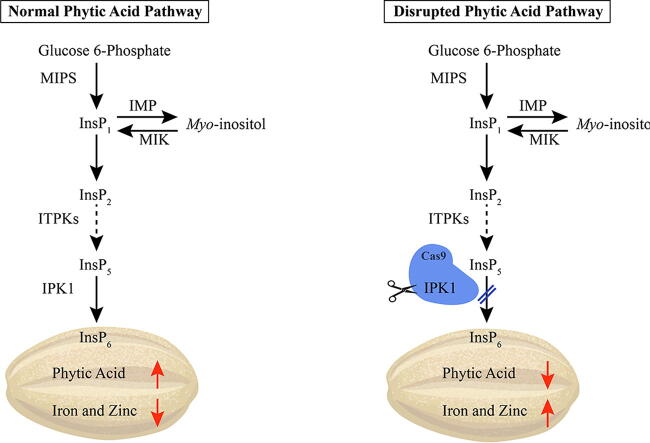
Phytic acid (PA) is an important antinutrient agent present in cereal grains which reduces the bioavailability of iron and zinc in human body, causing malnutrition. () gene has been reported to be an important gene for PA biosynthesis.
A recent genome editing tool CRISPR/Cas9 has been successfully applied to develop biofortified rice by disrupting gene, however, it remained a challenge in wheat. The aim of this study was to biofortify wheat using CRISPR/Cas9.
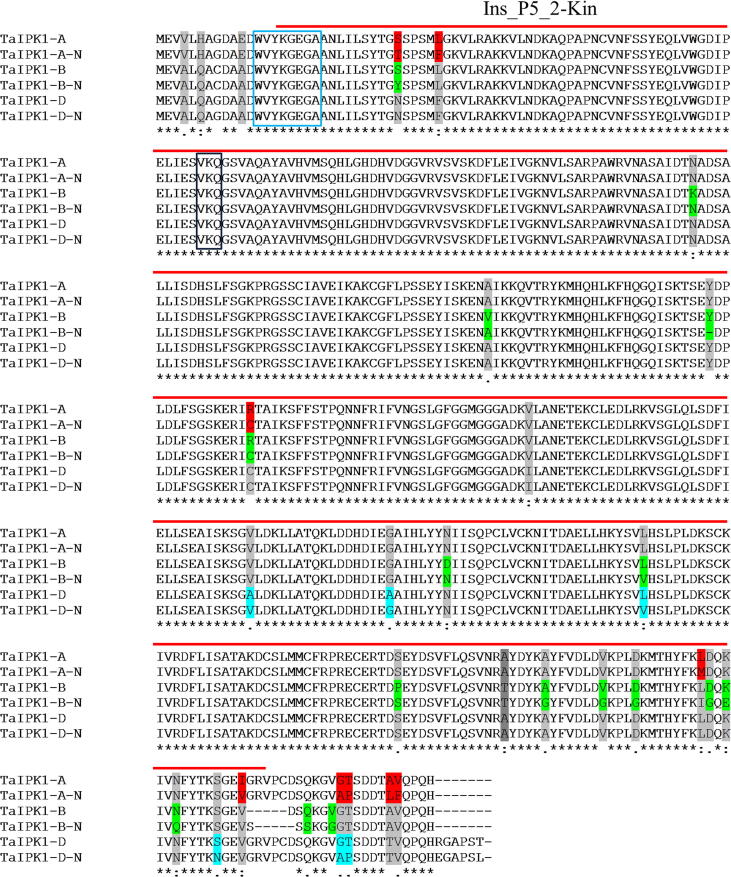
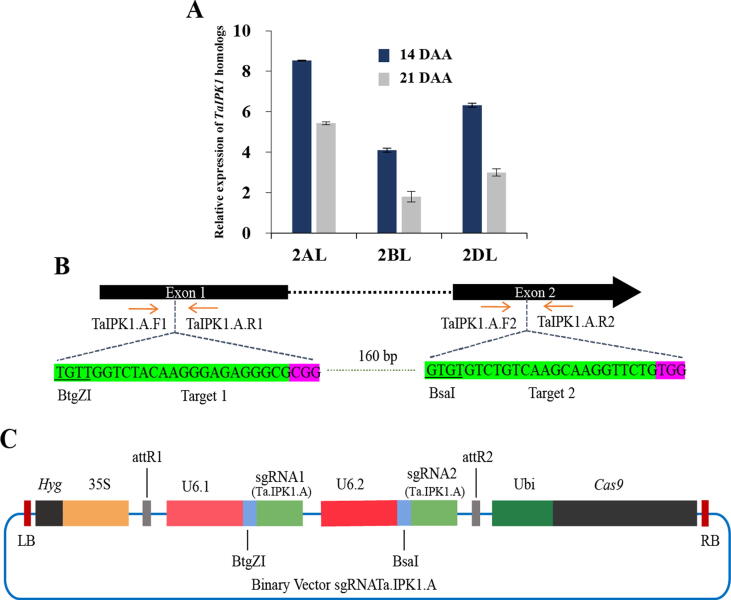
In this study, we isolated 3 homeologs in wheat designated as , and and found that the expression abundance of was stronger in early stages of grain filling. Using CRISPR/Cas9, we have disrupted gene in cv. Borlaug-2016 with two guide RNAs targeting the 1st and 2nd exons.
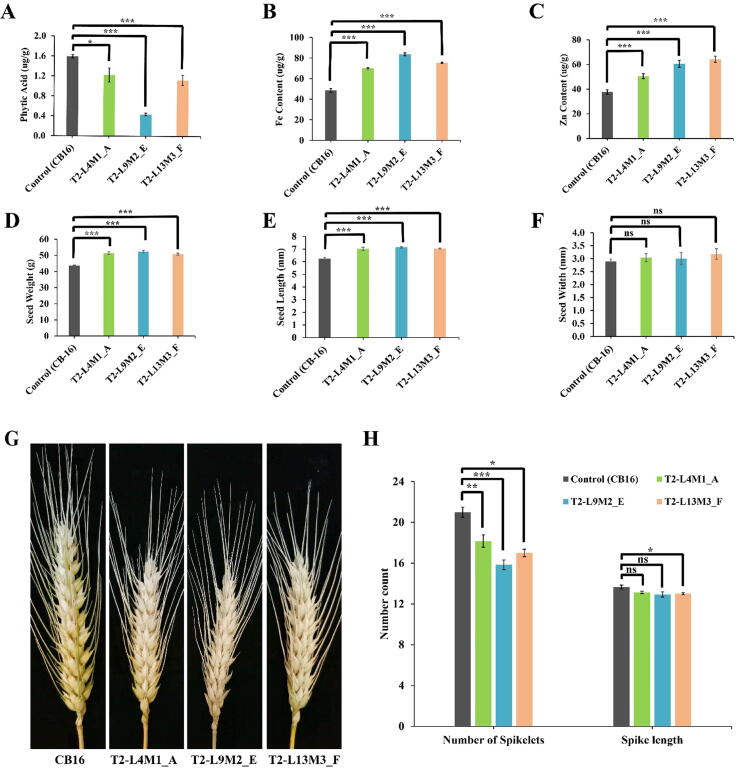
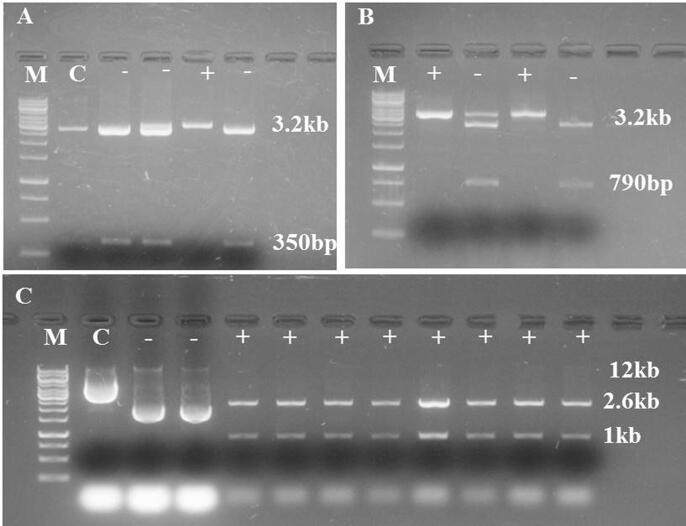
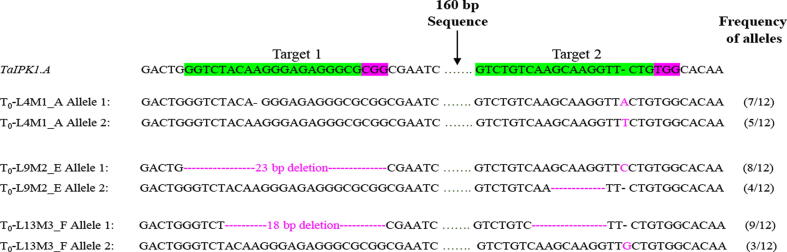
We got several genome-edited lines in the T generation at frequencies of 12.7% and 10.8%. Sequencing analysis revealed deletion of 1-23 nucleotides and even an addition of 1 nucleotide in various lines. Analysis of the genome-edited lines revealed a significant decrease in the PA content and an increase in iron and zinc accumulation in grains compared with control plants.
Our study demonstrates the potential application of CRISPR/Cas9 technique for the rapid generation of biofortified wheat cultivars.
植酸(PA)是谷物中一种重要的抗营养因子,它降低了人体中铁和锌的生物利用率,导致营养不良。()基因已被报道为 PA 生物合成的重要基因。
最近的基因组编辑工具 CRISPR/Cas9 已成功应用于通过破坏()基因来开发营养强化水稻,但在小麦中仍然具有挑战性。本研究旨在利用 CRISPR/Cas9 来生物强化小麦。
在这项研究中,我们分离了小麦中的 3 个同源基因,分别命名为()、()和(),并发现()在灌浆早期的表达丰度更强。我们使用 CRISPR/Cas9,针对第 1 和第 2 外显子设计了 2 个向导 RNA,在 cv. Borlaug-2016 中破坏了()基因。
我们在 T 代中以 12.7%和 10.8%的频率获得了几个基因组编辑系。测序分析显示,在不同的系中,存在 1-23 个核苷酸的缺失,甚至有一个核苷酸的添加。对基因组编辑系的分析表明,与对照植株相比,PA 含量显著降低,而铁和锌在籽粒中的积累增加。
我们的研究表明,CRISPR/Cas9 技术有可能用于快速生成生物强化小麦品种。