Department of Genetics, Yale University School of Medicine, 333 Cedar Street, New Haven, CT, 06520, USA.
Department of Nephrology, Mongolian National University of Medical Sciences, Ulaanbaatar, Mongolia.
Sci Rep. 2022 May 4;12(1):7214. doi: 10.1038/s41598-022-10706-x.
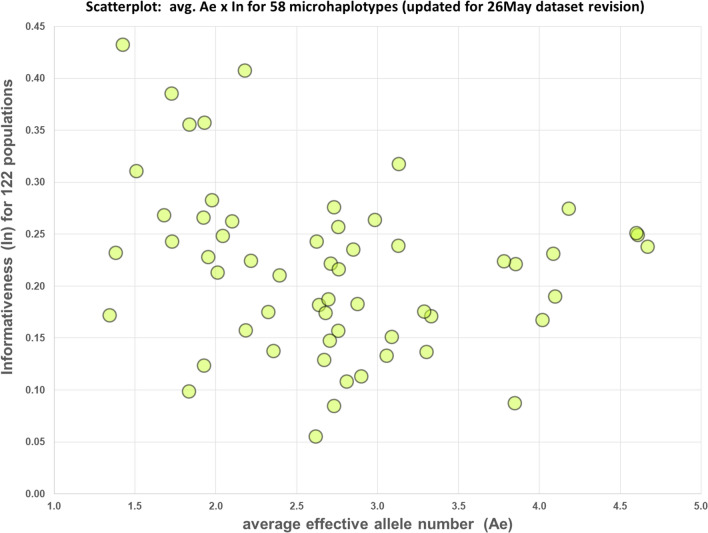
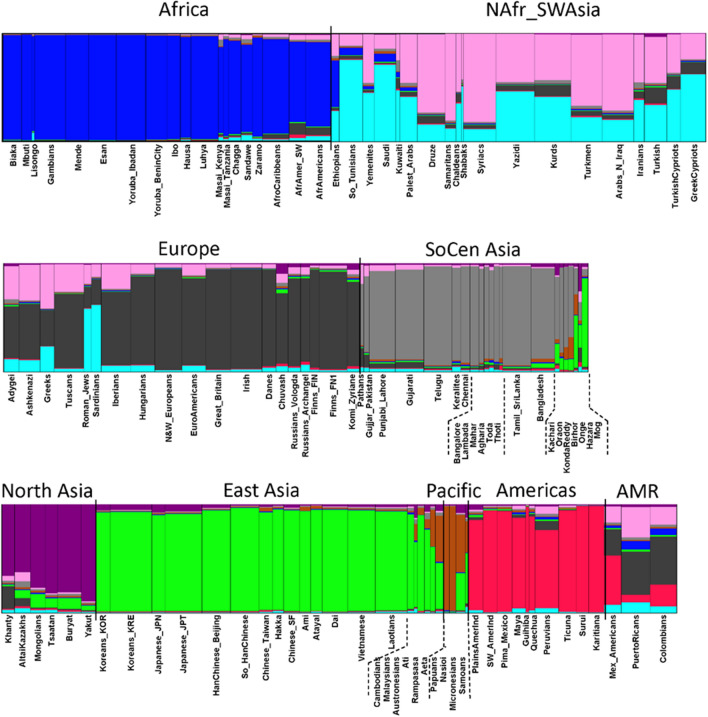
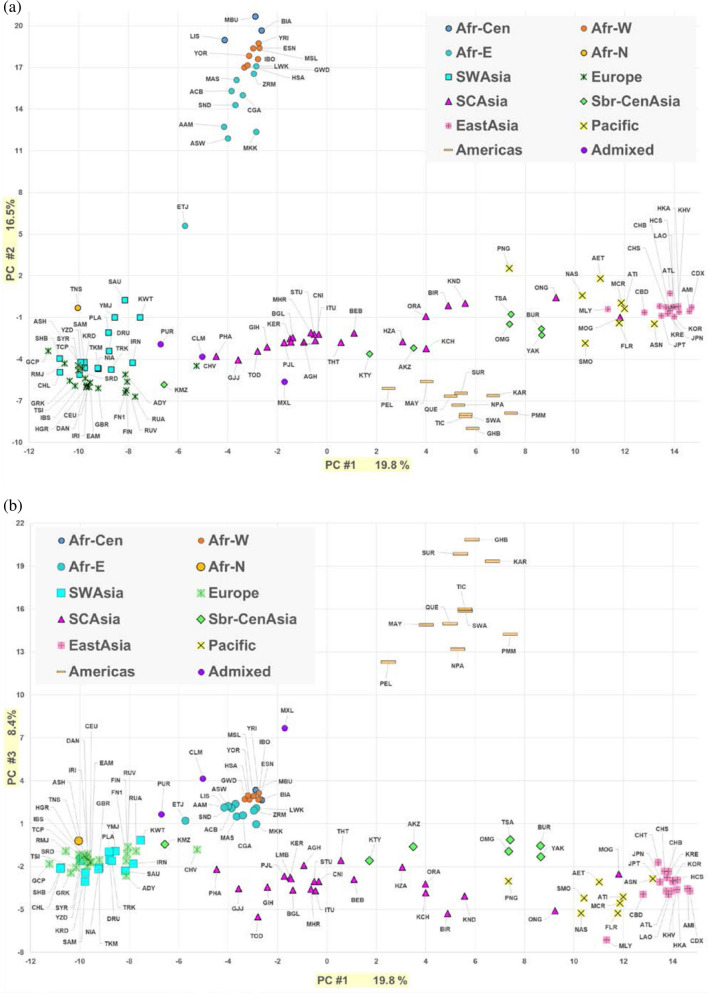
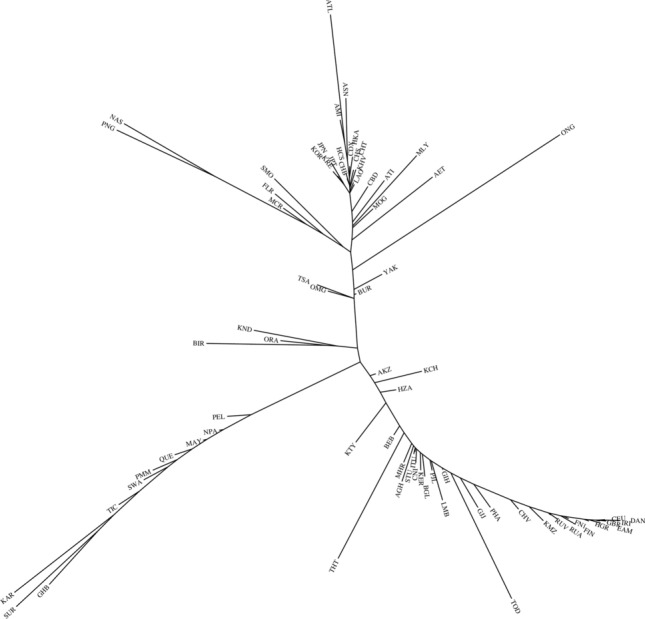
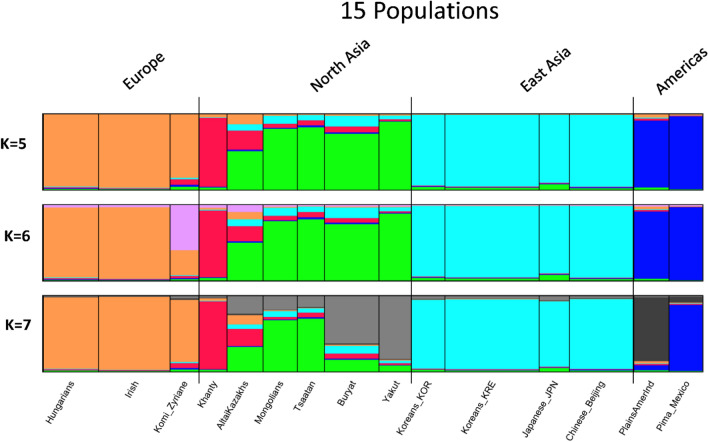
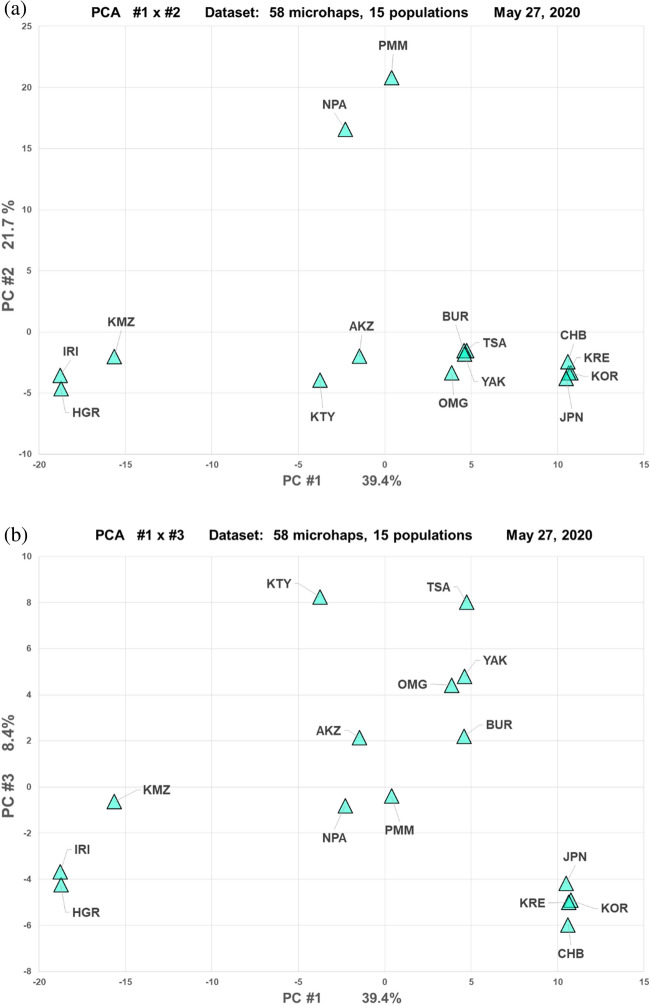
Population genetic studies of North Asian ethnic groups have focused on genetic variation of sex chromosomes and mitochondria. Studies of the extensive variation available from autosomal variation have appeared infrequently. We focus on relationships among population samples using new North Asia microhaplotype data. We combined genotypes from our laboratory on 58 microhaplotypes, distributed across 18 autosomes, on 3945 individuals from 75 populations with corresponding data extracted for 26 populations from the Thousand Genomes consortium and for 22 populations from the GenomeAsia 100 K project. A total of 7107 individuals in 122 total populations are analyzed using STRUCTURE, Principal Component Analysis, and phylogenetic tree analyses. North Asia populations sampled in Mongolia include: Buryats, Mongolians, Altai Kazakhs, and Tsaatans. Available Siberians include samples of Yakut, Khanty, and Komi Zyriane. Analyses of all 122 populations confirm many known relationships and show that most populations from North Asia form a cluster distinct from all other groups. Refinement of analyses on smaller subsets of populations reinforces the distinctiveness of North Asia and shows that the North Asia cluster identifies a region that is ancestral to Native Americans.
对北亚族群的群体遗传学研究主要集中在性染色体和线粒体的遗传变异上。很少有研究关注常染色体广泛变异的情况。我们利用新的北亚微单倍型数据来关注人群样本之间的关系。我们将分布在 18 条常染色体上的 58 个微单倍型的基因型组合起来,这些基因型来自我们实验室的 3945 个人,这些人来自 75 个群体,其中包括来自千基因组联盟的 26 个群体和基因组亚洲 100K 项目的 22 个群体的数据。总共分析了 122 个群体中的 7107 个人,使用 STRUCTURE、主成分分析和系统发育树分析。在蒙古采样的北亚族群包括:布里亚特人、蒙古人、阿尔泰哈萨克人和察坦人。西伯利亚人包括雅库特人、汉特人和科米·日阿尼恩的样本。对所有 122 个群体的分析证实了许多已知的关系,并表明来自北亚的大多数群体形成了一个与其他群体明显不同的集群。对较小的人群子集的分析的细化进一步加强了北亚的独特性,并表明北亚集群确定了一个是美洲原住民祖先的区域。