Micha Georgia, Hyphantis Thomas, Staikou Chryssoula, Valsamidis Dimitrios, Arnaoutoglou Eleni, Tzimas Petros, Vlahos Nikolaos, Daponte Alexandros, Grypiotis Ioannis, Pappa Polyxeni, Evangelaki Erofili, Apostolidou Sofia, Paschos Vasileios, Varvarousi Giolanda, Bareka Metaxia, Izountouemoi Gloria E, Tsonis Orestis, Koullourou Iouliani, Kalopita Konstantina, Kotsis Konstantinos
Department of Anesthesiology, "Helena Venizelou" General and Maternity Hospital of Athens, Athens, Greece.
Department of Psychiatry, Faculty of Medicine, School of Health Sciences, University of Ioannina, Ioannina, Greece.
Eur J Midwifery. 2022 Apr 13;6:23. doi: 10.18332/ejm/146233. eCollection 2022.
A significant proportion of pregnant women and women in the early postpartum period suffer from mental health problems. The COVID-19 pandemic represents a unique stressor during this period and many studies across the world have shown elevated rates of postpartum depression (PPD).
In this multicenter two-phase observational prospective cohort study, we aim to assess the prevalence of anxiety prior to labor (Generalized Anxiety Disorder-7), as well as PPD at 6-8 weeks postpartum using the Edinburgh Postnatal Depression Scale (EPDS).
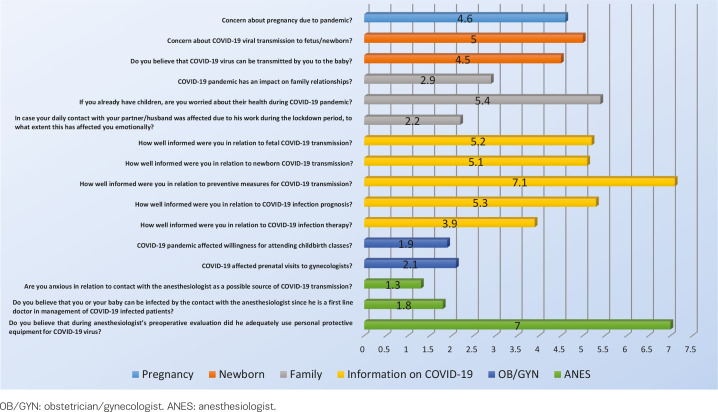
Of the 330 women analyzed, 13.2% reported symptoms of depression using EPDS cut-off score ≥13. High antenatal levels of anxiety (24.8% scored ≥10 in GAD-7) were documented. A significant proportion of postpartum women reported a decrease in willingness to attend antenatal education courses (36%) and fewer antenatal visits to their obstetrician (34%) due to pandemic. Higher antenatal anxiety increased the odds of being depressed at 6-8 weeks postpartum (EPDS ≥13).
Compared to reported prevalence of PPD from previous studies before the COVID-19 era in Greece, we did not find elevated rates during the first wave of the pandemic. High anxiety levels were observed indicating that there is a need for close monitoring in pregnancy during the pandemic and anxiety screening to identify women who need support in the pandemic era. A well-planned maternity program should be employed by all the associated care providers to maintain the proper antenatal care adjusted to the pandemic strains as well as a follow-up after labor.
相当一部分孕妇和产后早期的女性患有心理健康问题。新冠疫情在此期间构成了一种独特的压力源,全球许多研究表明产后抑郁症(PPD)的发病率有所上升。
在这项多中心两阶段观察性前瞻性队列研究中,我们旨在使用爱丁堡产后抑郁量表(EPDS)评估临产前焦虑症(广泛性焦虑障碍 -7)的患病率以及产后6 - 8周时PPD的患病率。
在分析的330名女性中,13.2%的人使用EPDS临界值≥13时报告有抑郁症状。记录到产前焦虑水平较高(24.8%的人在GAD -7中得分≥10)。相当一部分产后女性报告称,由于疫情,她们参加产前教育课程的意愿下降(36%),看产科医生的产前检查次数减少(34%)。产前焦虑程度较高会增加产后6 - 8周抑郁(EPDS≥13)的几率。
与希腊新冠疫情时代之前先前研究报告的PPD患病率相比,我们在疫情第一波期间未发现发病率升高。观察到焦虑水平较高,这表明在疫情期间孕期需要密切监测并进行焦虑筛查,以识别在疫情时代需要支持的女性。所有相关护理人员都应采用精心规划的孕产项目,以维持适应疫情压力的适当产前护理以及产后随访。