Children's Research Institute and Department of Pediatrics, University of Texas Southwestern Medical Center, Dallas, TX, USA.
Robert J. Tomsich Pathology & Laboratory Medicine Institute, Cleveland Clinic, Cleveland, OH, USA.
Nat Cell Biol. 2022 May;24(5):697-707. doi: 10.1038/s41556-022-00909-9. Epub 2022 May 5.
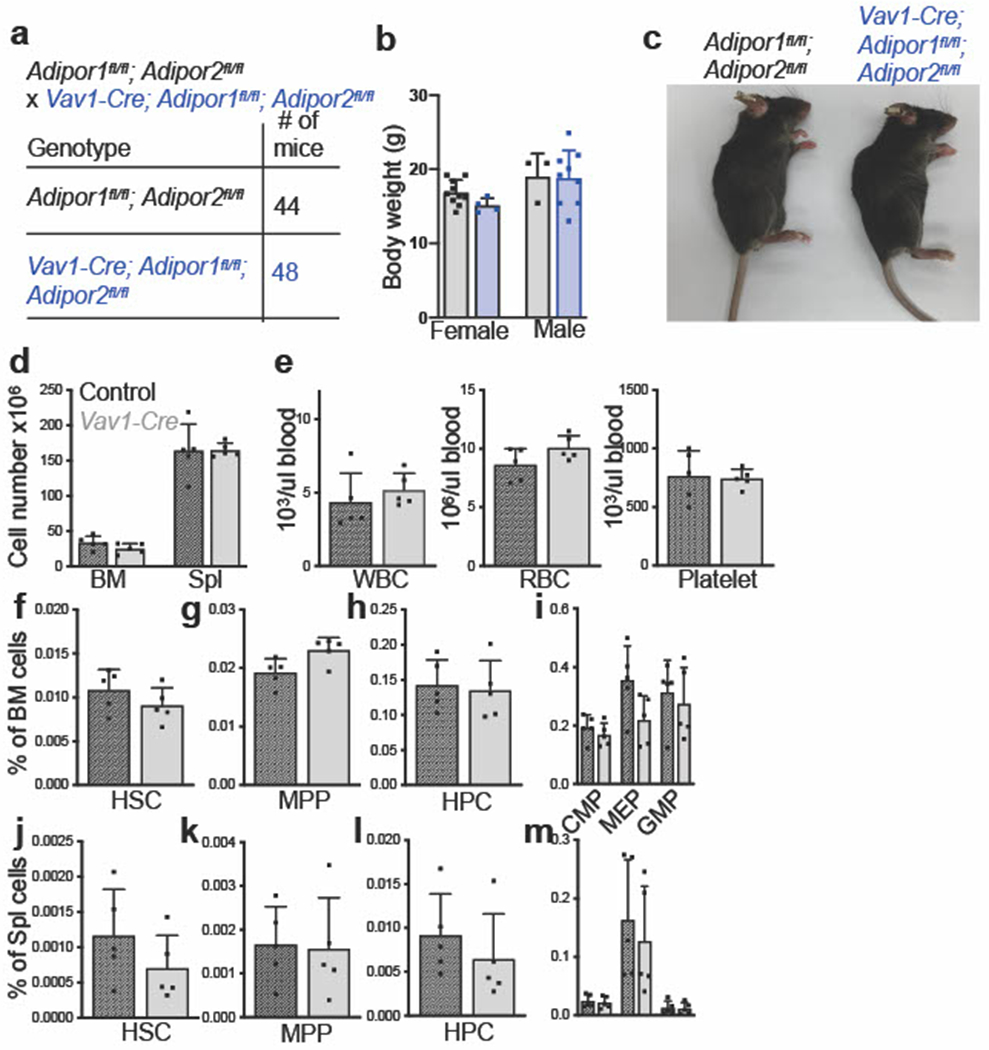
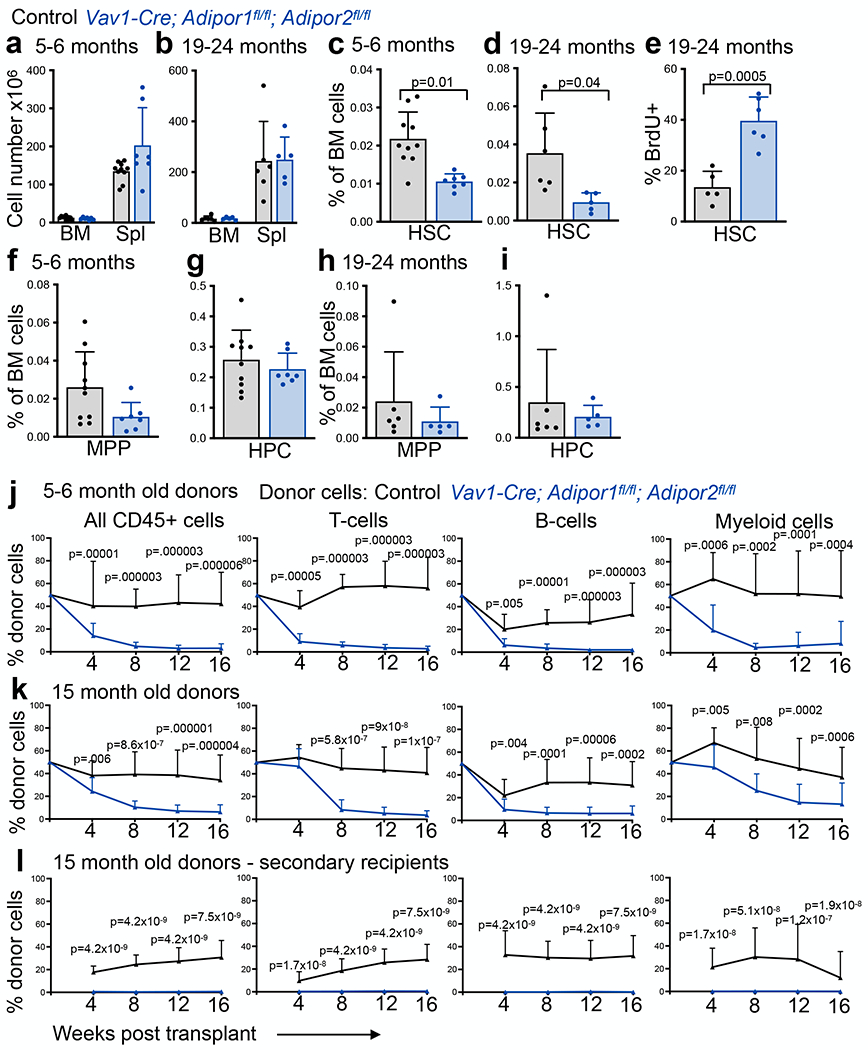
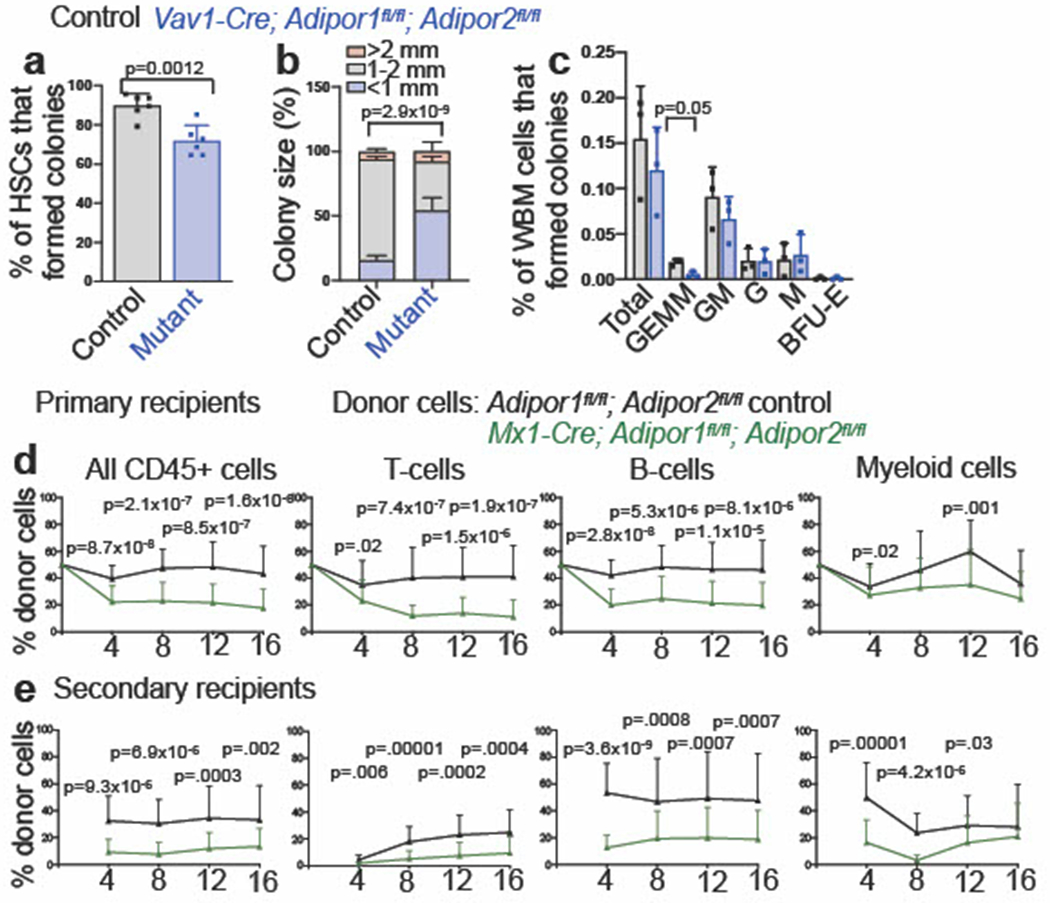
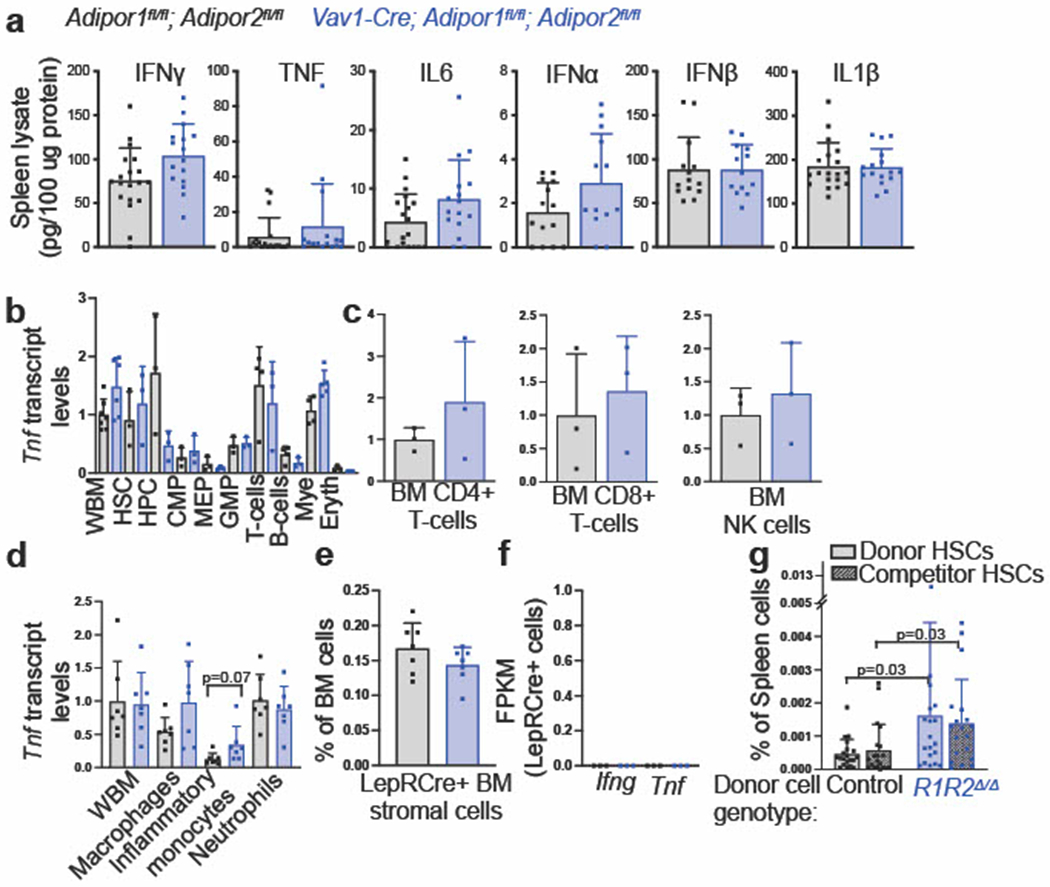
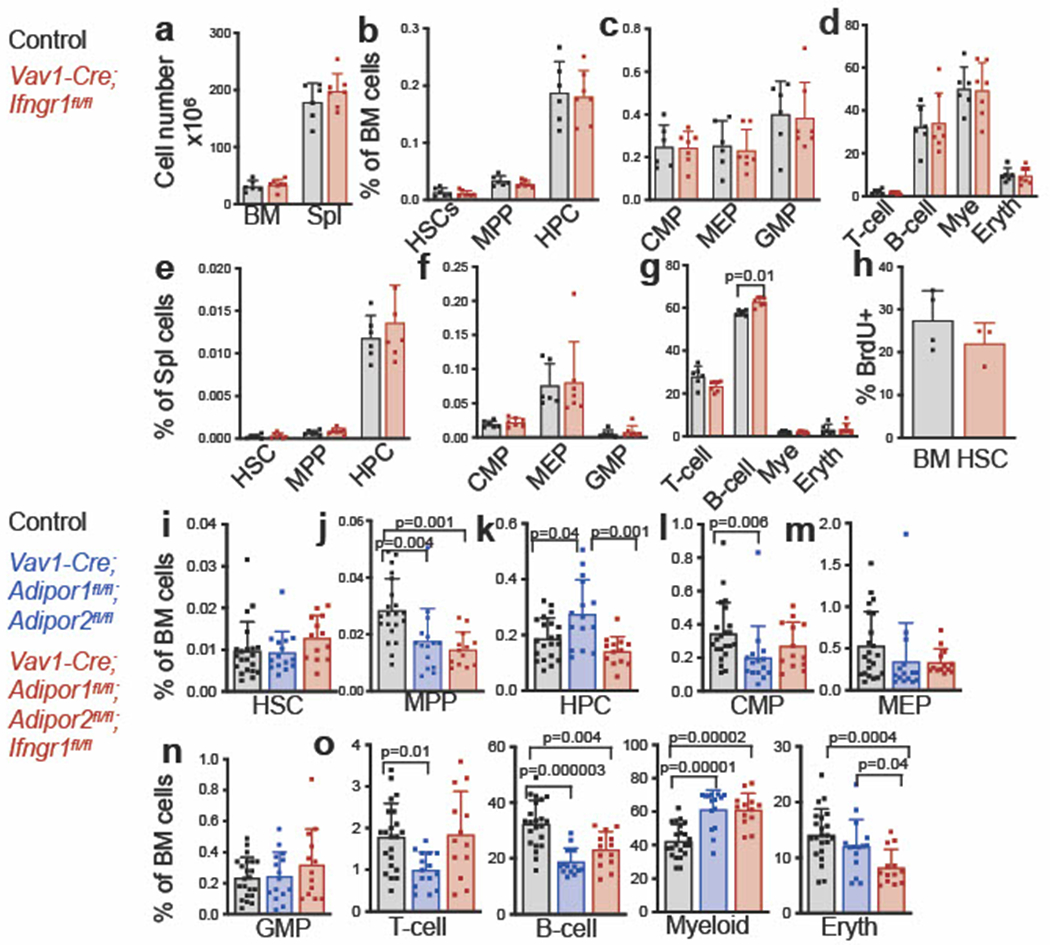
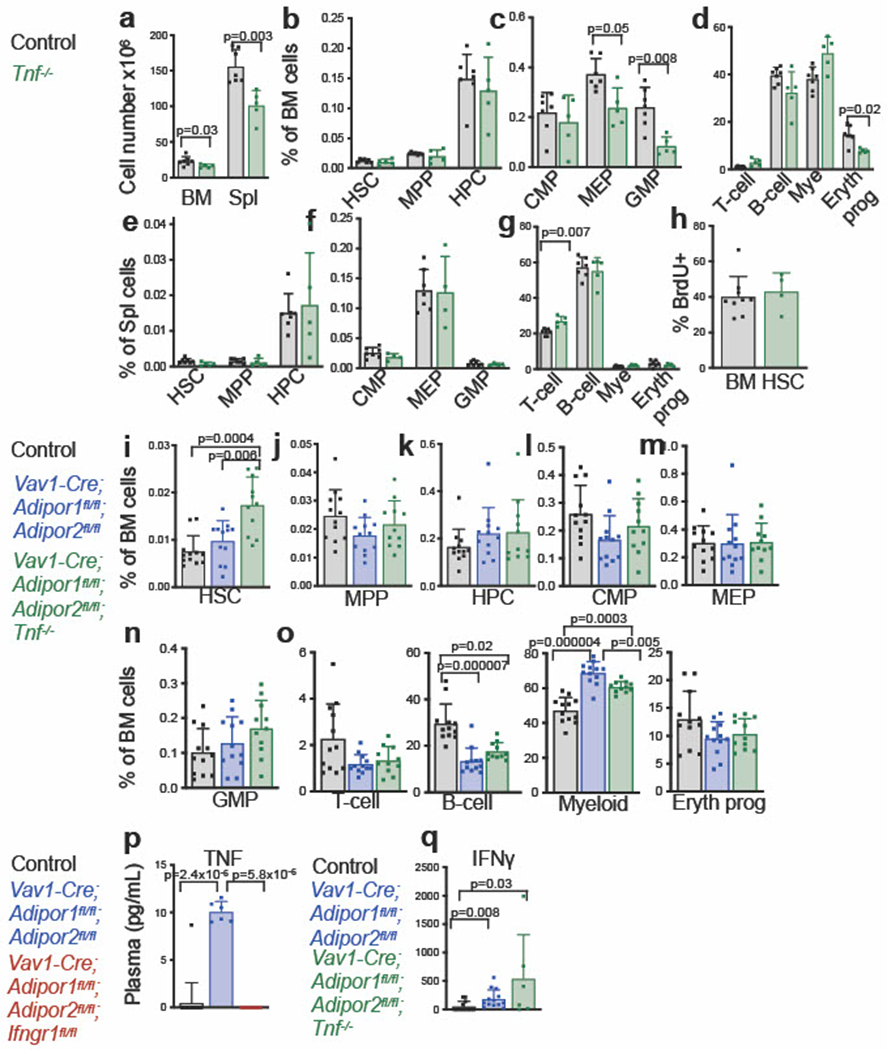
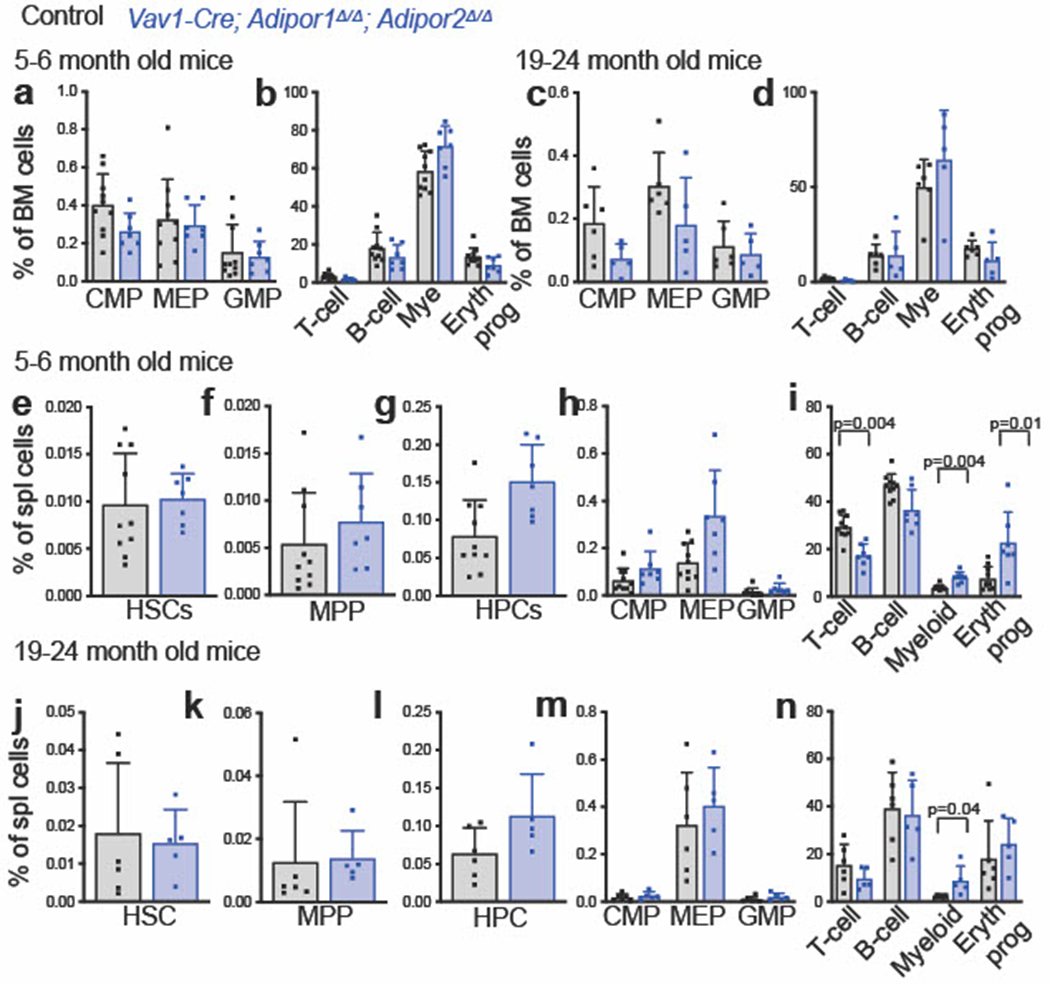
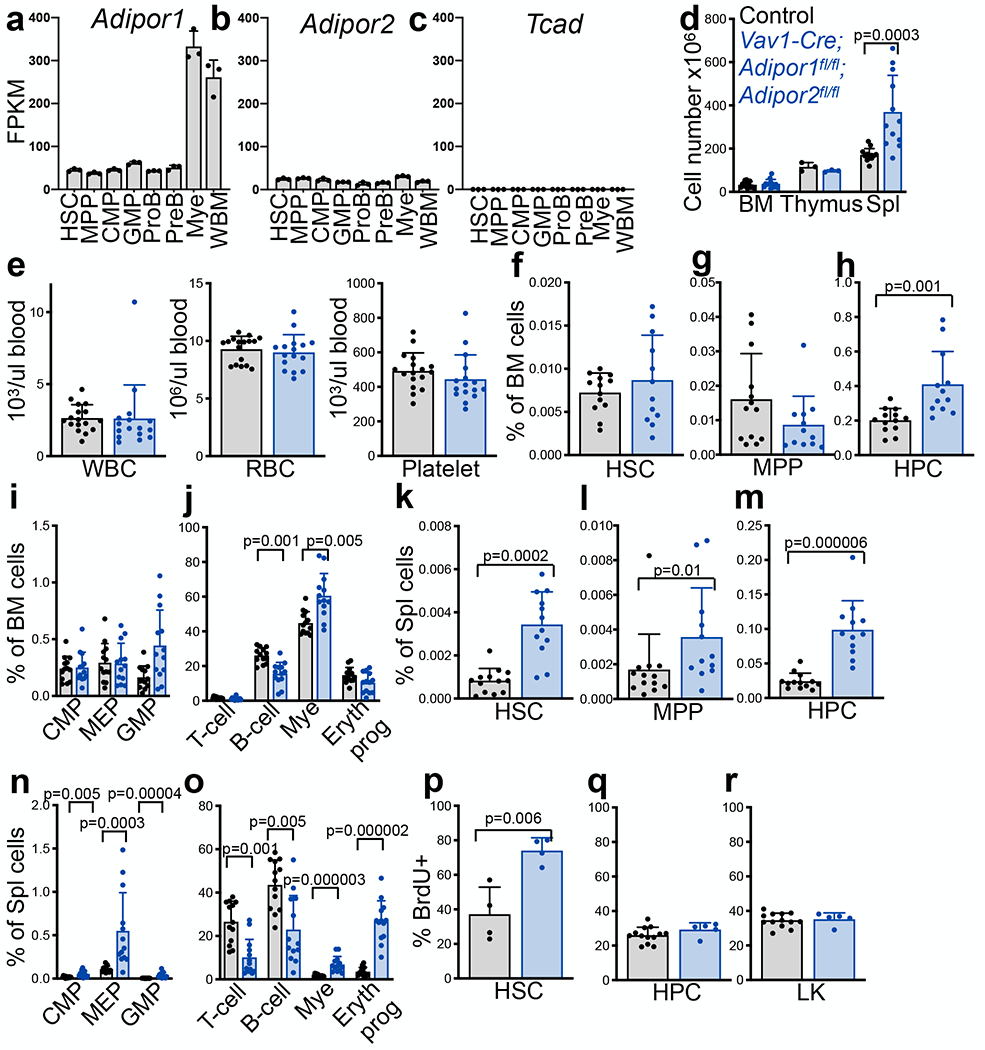
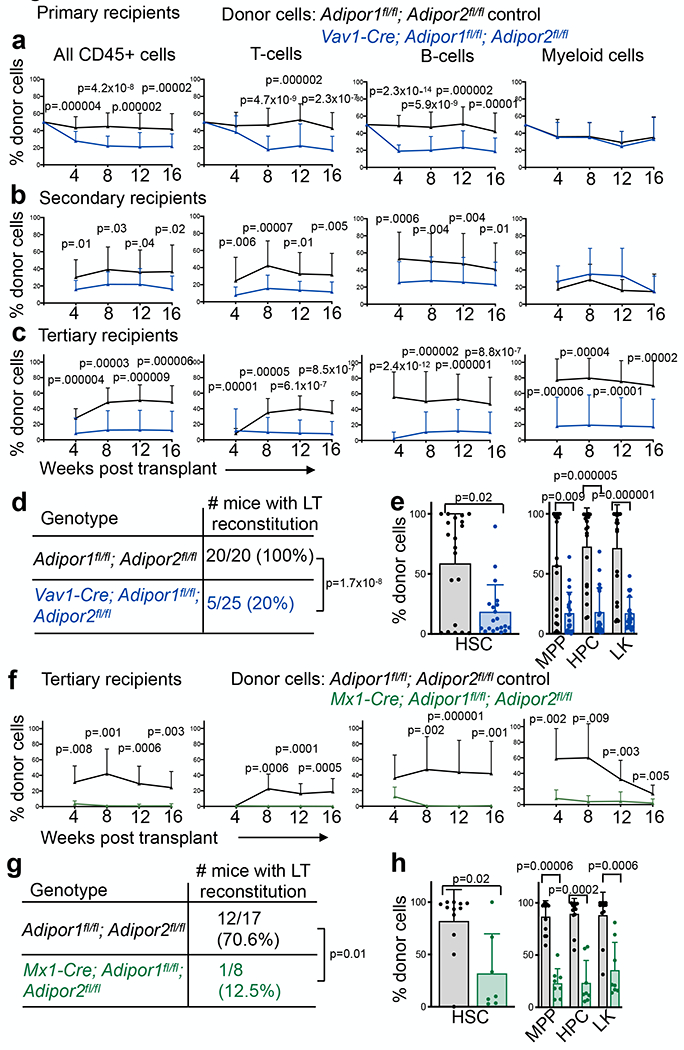
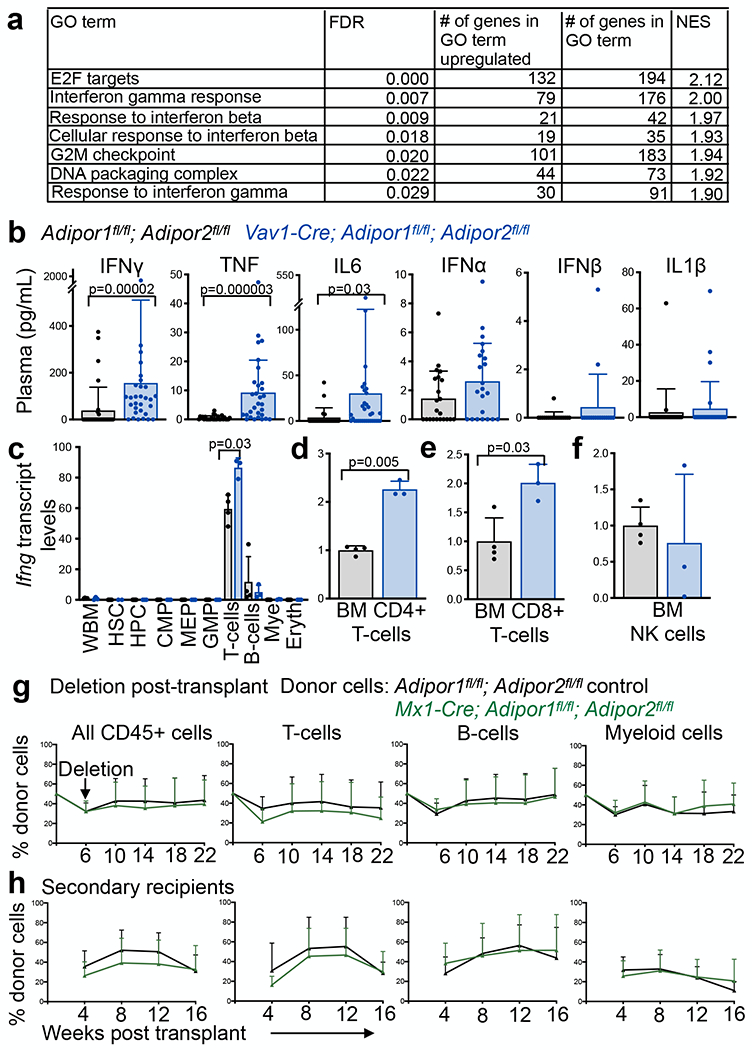
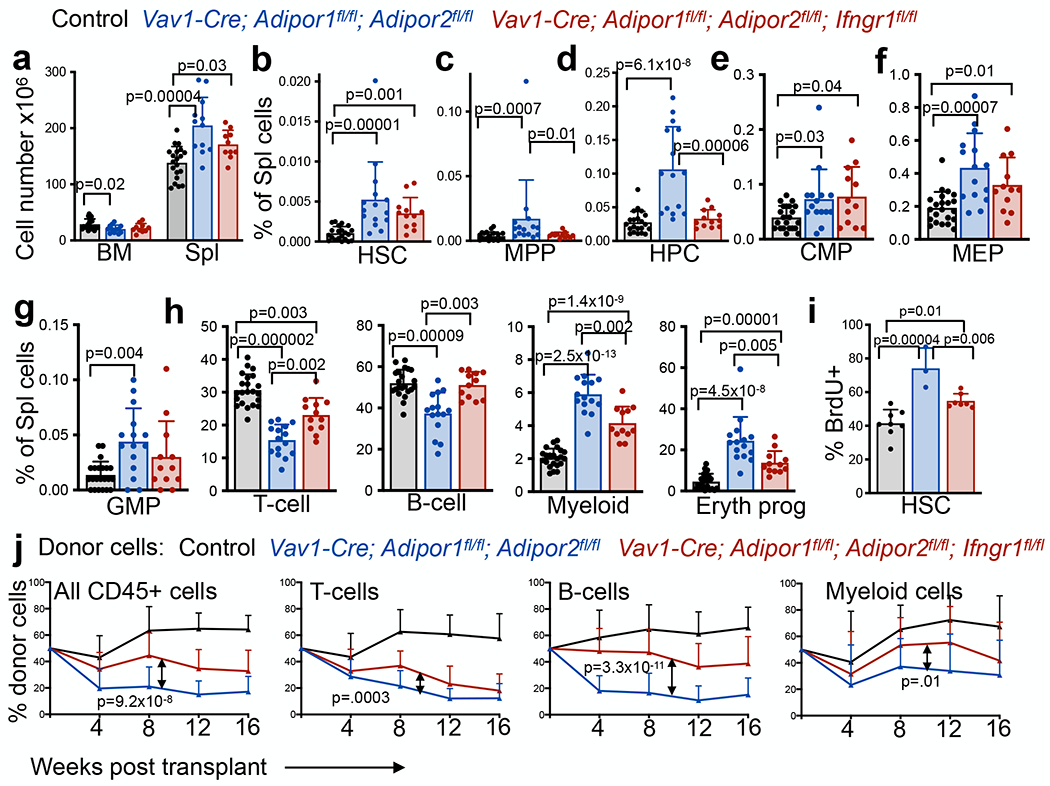
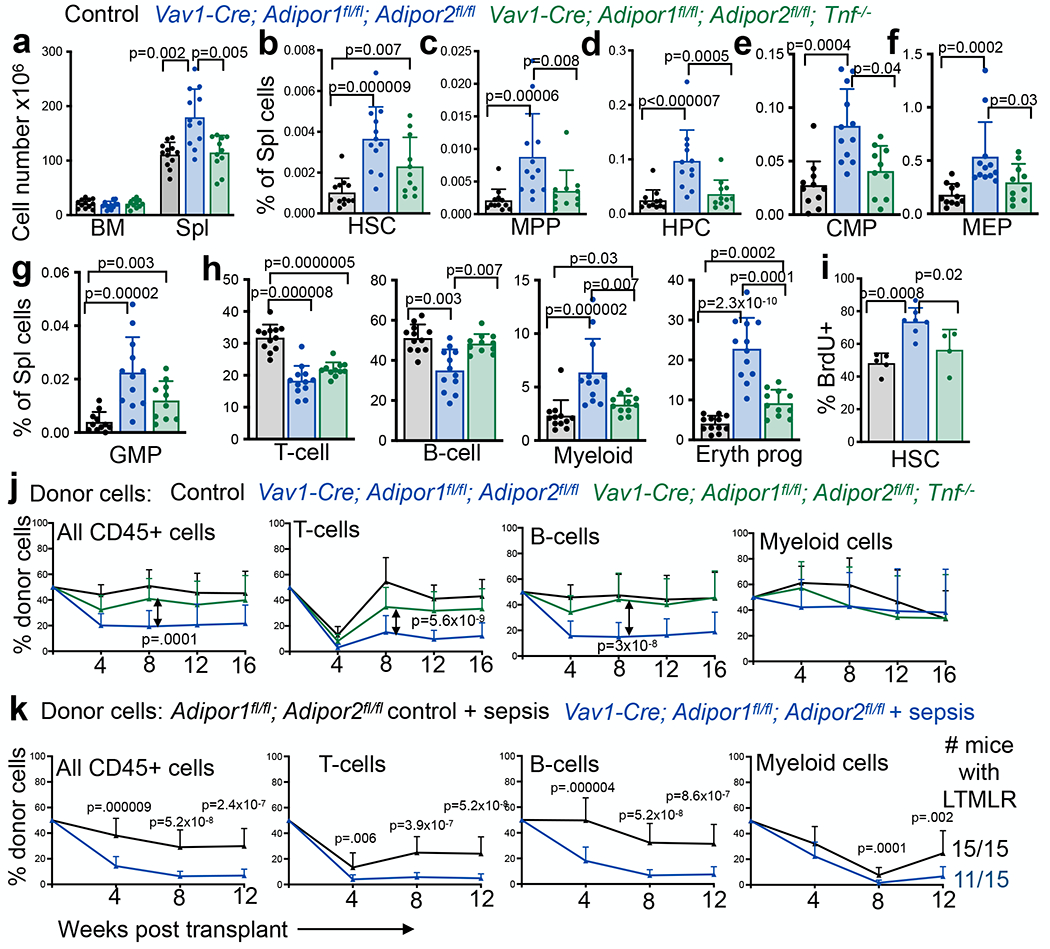
How are haematopoietic stem cells (HSCs) protected from inflammation, which increases with age and can deplete HSCs? Adiponectin, an anti-inflammatory factor that is not required for HSC function or haematopoiesis, promotes stem/progenitor cell proliferation after bacterial infection and myeloablation. Adiponectin binds two receptors, AdipoR1 and AdipoR2, which have ceramidase activity that increases upon adiponectin binding. Here we found that adiponectin receptors are non-cell-autonomously required in haematopoietic cells to promote HSC quiescence and self-renewal. Adiponectin receptor signalling suppresses inflammatory cytokine expression by myeloid cells and T cells, including interferon-γ and tumour necrosis factor. Without adiponectin receptors, the levels of these factors increase, chronically activating HSCs, reducing their self-renewal potential and depleting them during ageing. Pathogen infection accelerates this loss of HSC self-renewal potential. Blocking interferon-γ or tumour necrosis factor signalling partially rescues these effects. Adiponectin receptors are thus required in immune cells to sustain HSC quiescence and to prevent premature HSC depletion by reducing inflammation.
造血干细胞(HSCs)如何免受炎症的影响,炎症随着年龄的增长而增加,并可能耗尽 HSCs?脂联素是一种抗炎因子,它不是 HSC 功能或造血所必需的,它能在细菌感染和骨髓清除后促进干细胞/祖细胞的增殖。脂联素结合两种受体,AdipoR1 和 AdipoR2,它们具有在脂联素结合后增加的神经酰胺酶活性。在这里,我们发现脂联素受体在造血细胞中非细胞自主地需要促进 HSC 静止和自我更新。脂联素受体信号通过髓样细胞和 T 细胞抑制炎性细胞因子的表达,包括干扰素-γ和肿瘤坏死因子。没有脂联素受体,这些因子的水平会增加,慢性激活 HSCs,降低其自我更新能力,并在衰老过程中耗尽它们。病原体感染加速了 HSC 自我更新能力的丧失。阻断干扰素-γ或肿瘤坏死因子信号部分挽救了这些效果。因此,脂联素受体在免疫细胞中被需要以维持 HSC 的静止状态,并通过减少炎症来防止 HSC 的过早耗竭。