MLL Munich Leukemia Laboratory, Munich, Germany.
Department of Pathology, St. Jude Children's Research Hospital, Memphis, TN, USA.
Nat Genet. 2022 May;54(5):637-648. doi: 10.1038/s41588-022-01059-2. Epub 2022 May 5.
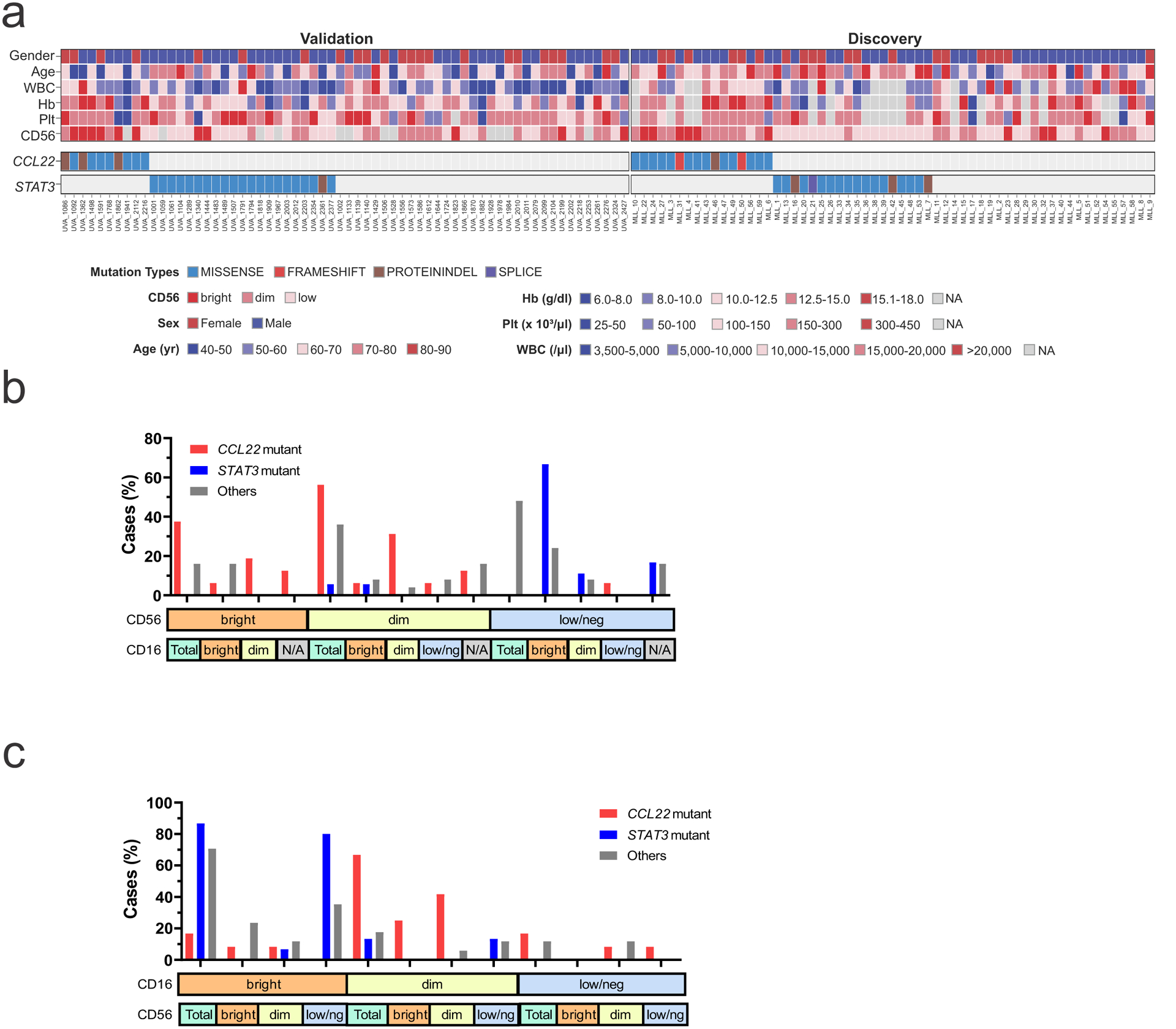
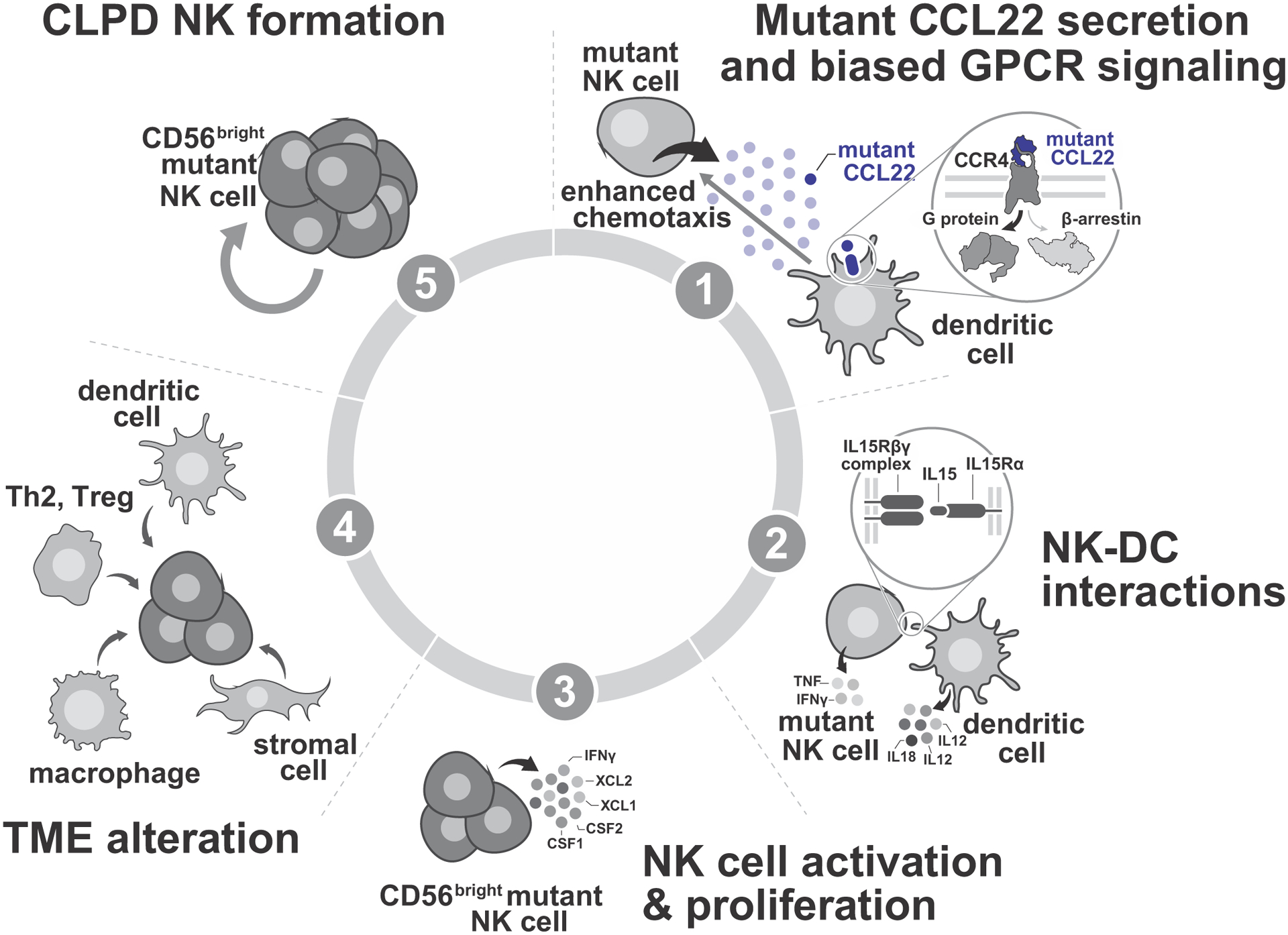
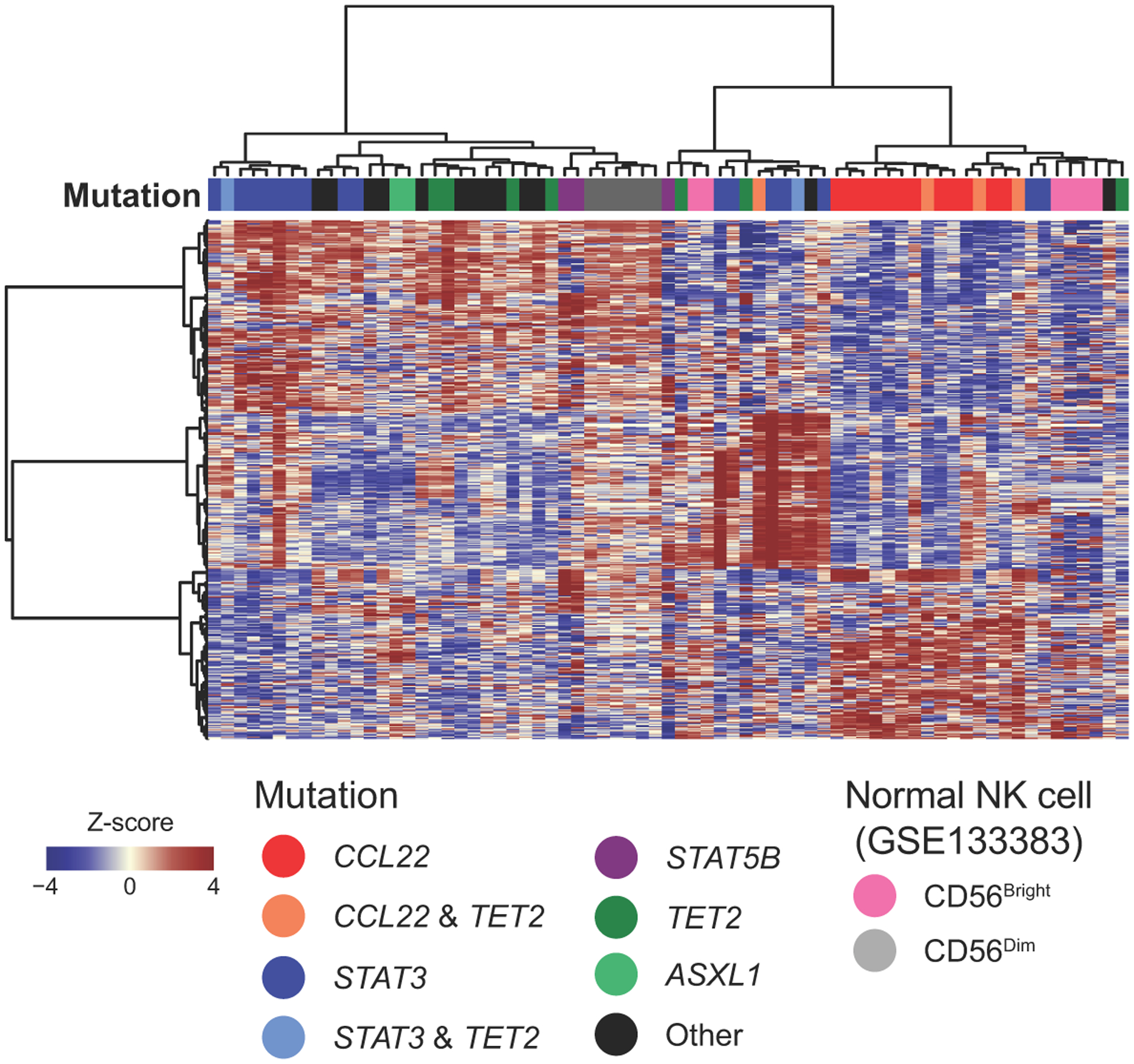
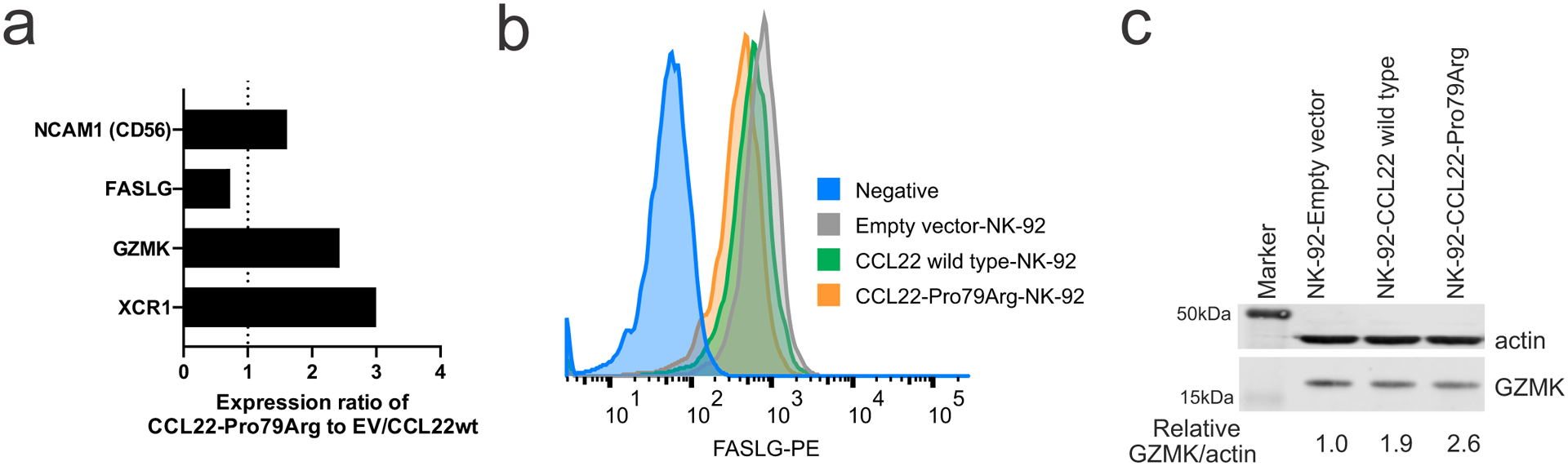
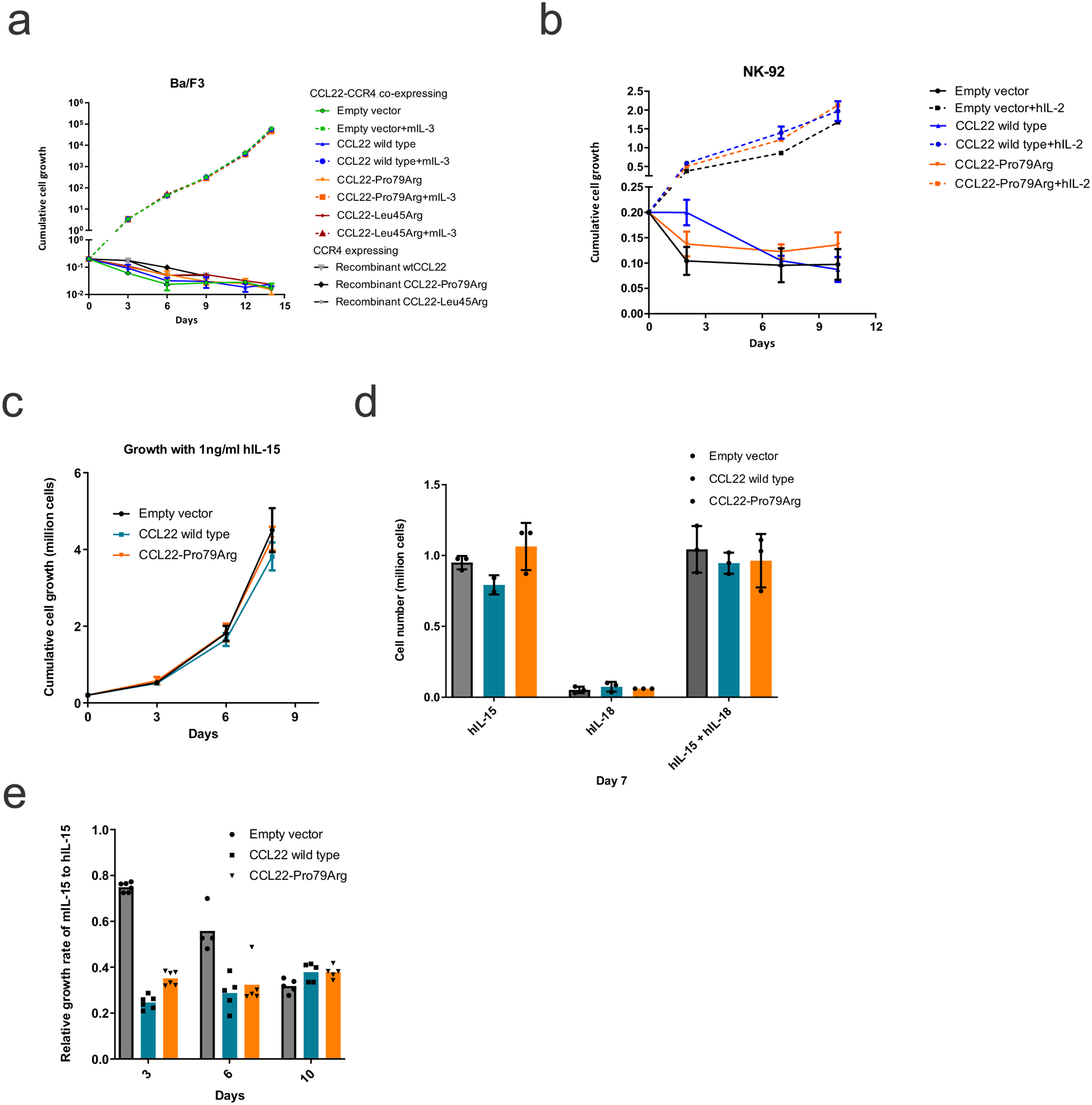
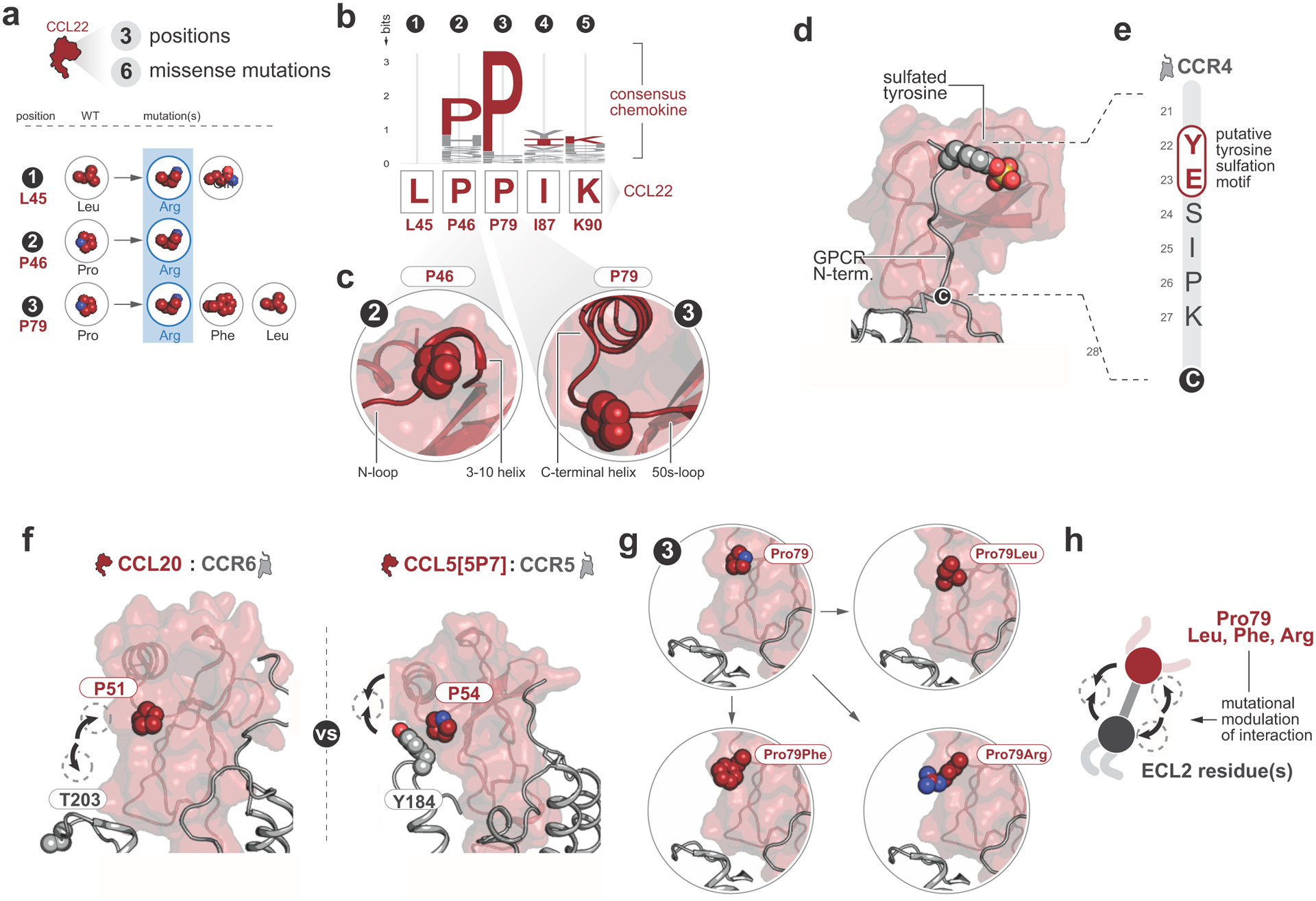
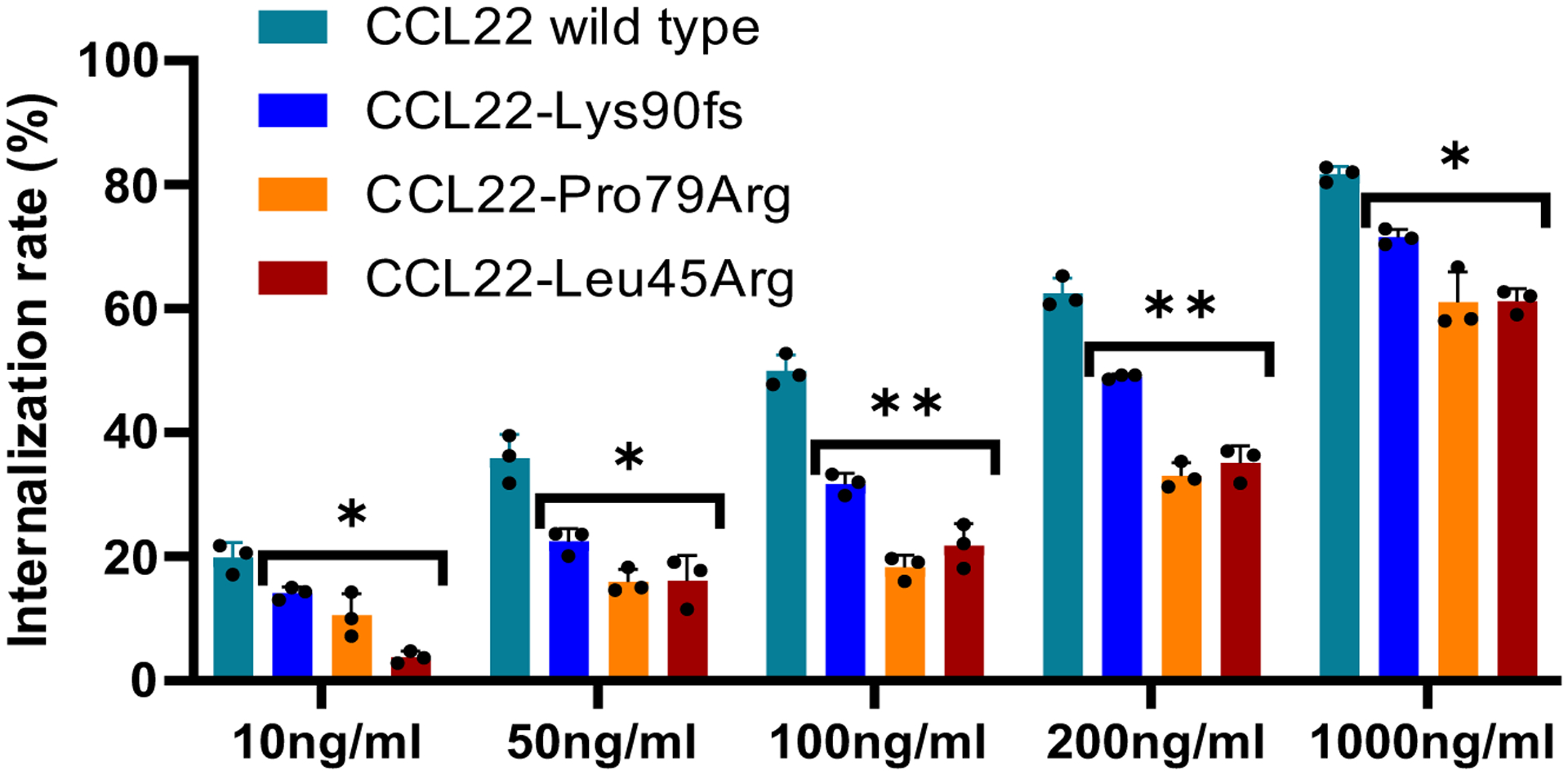
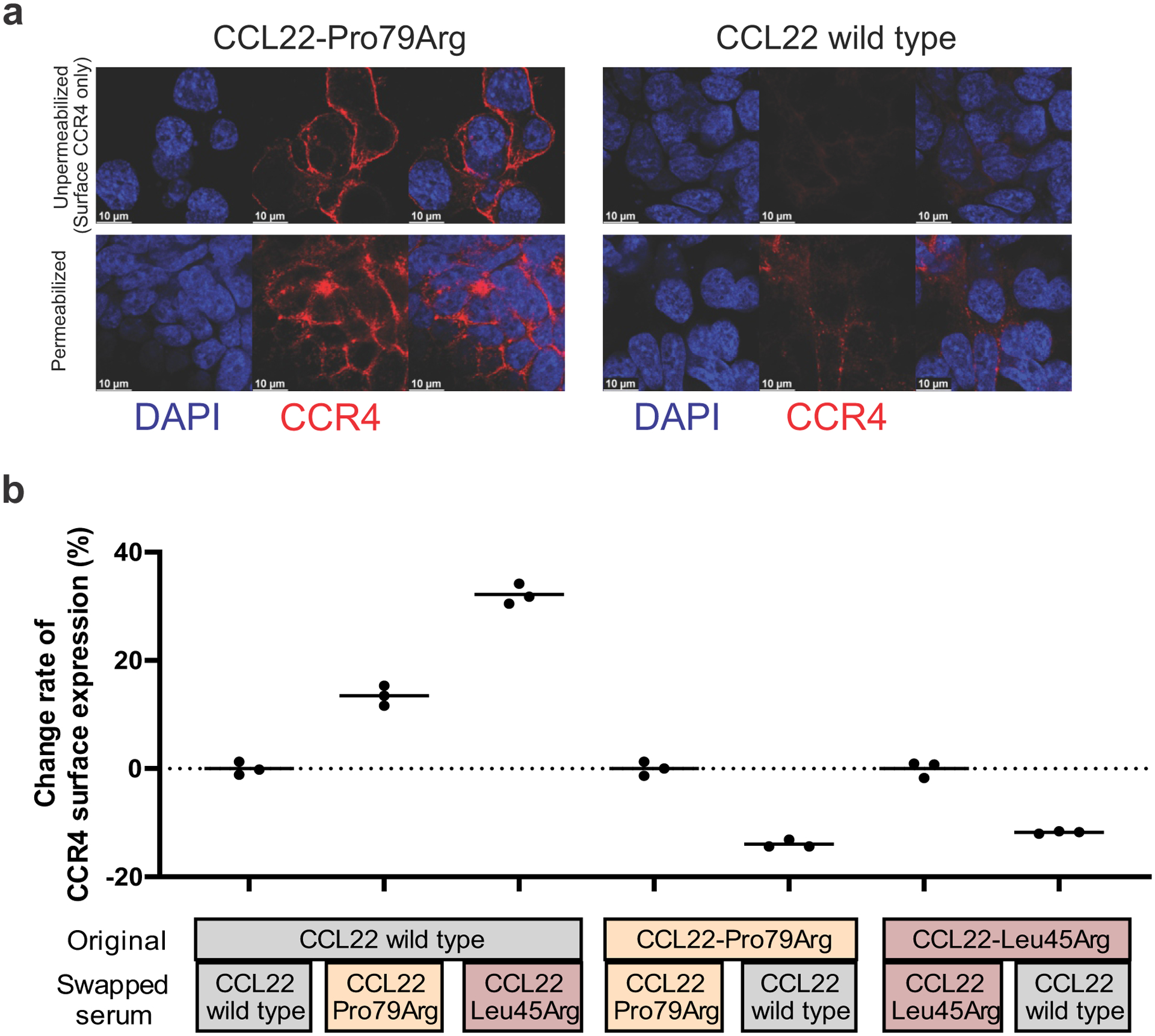
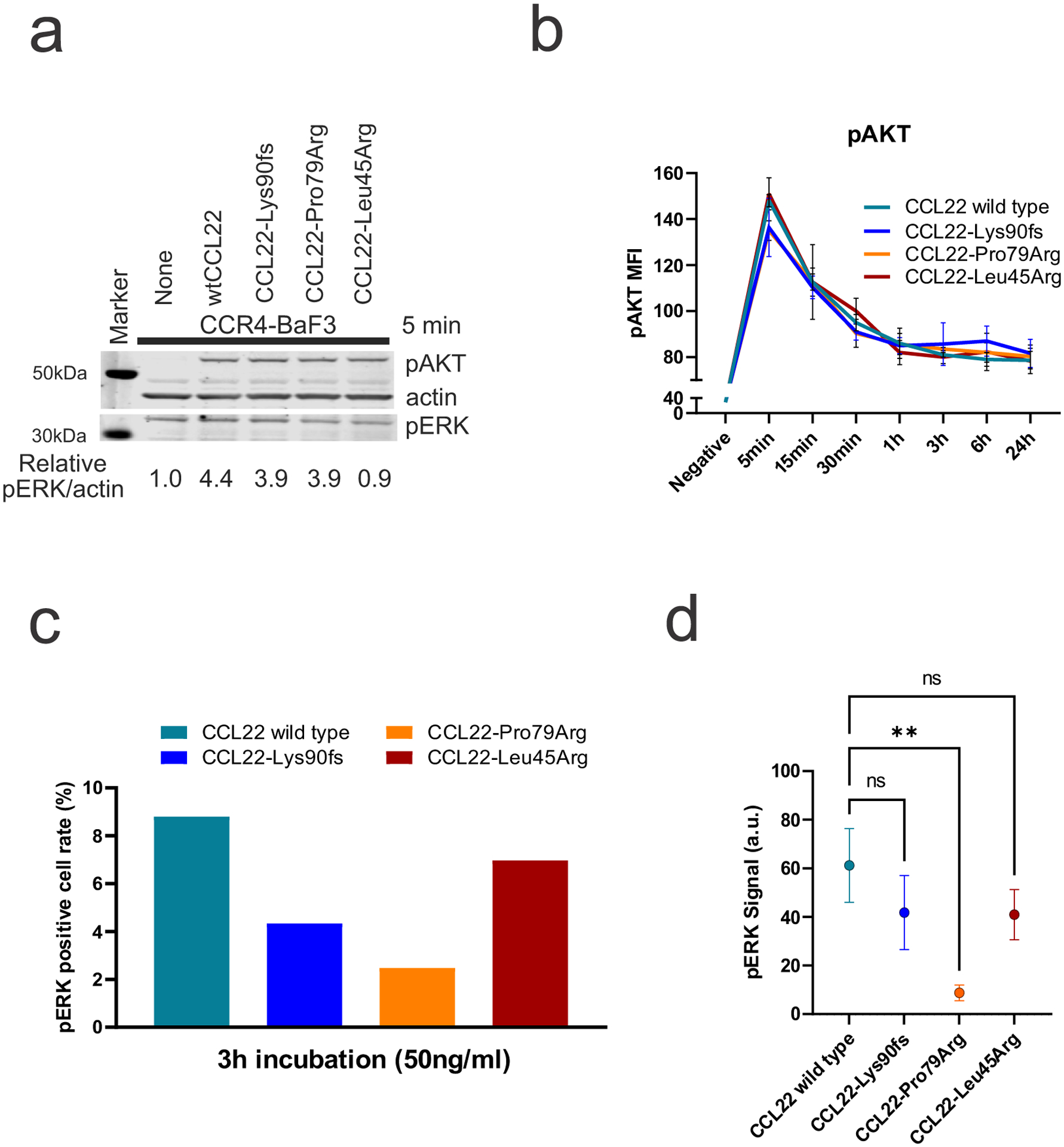
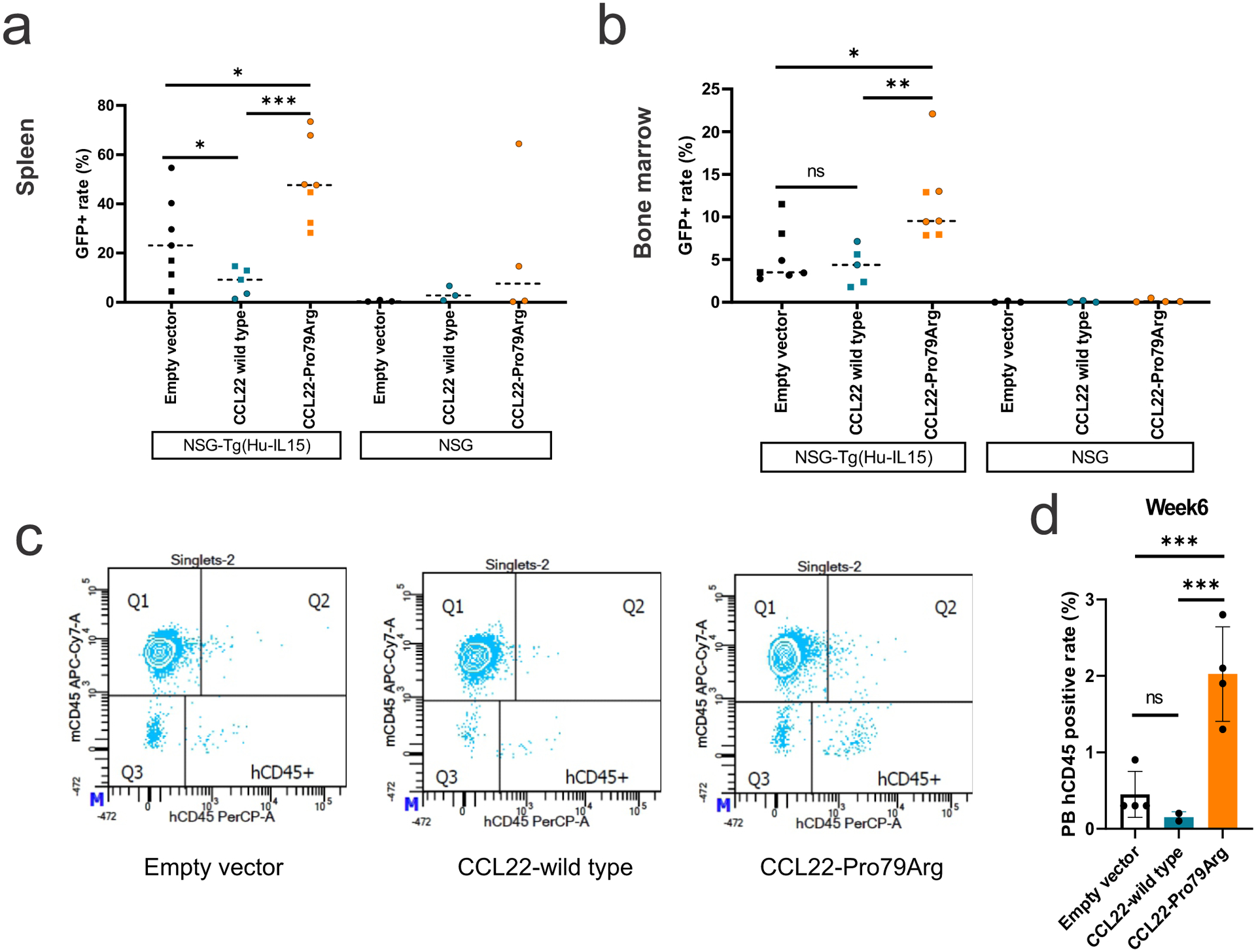
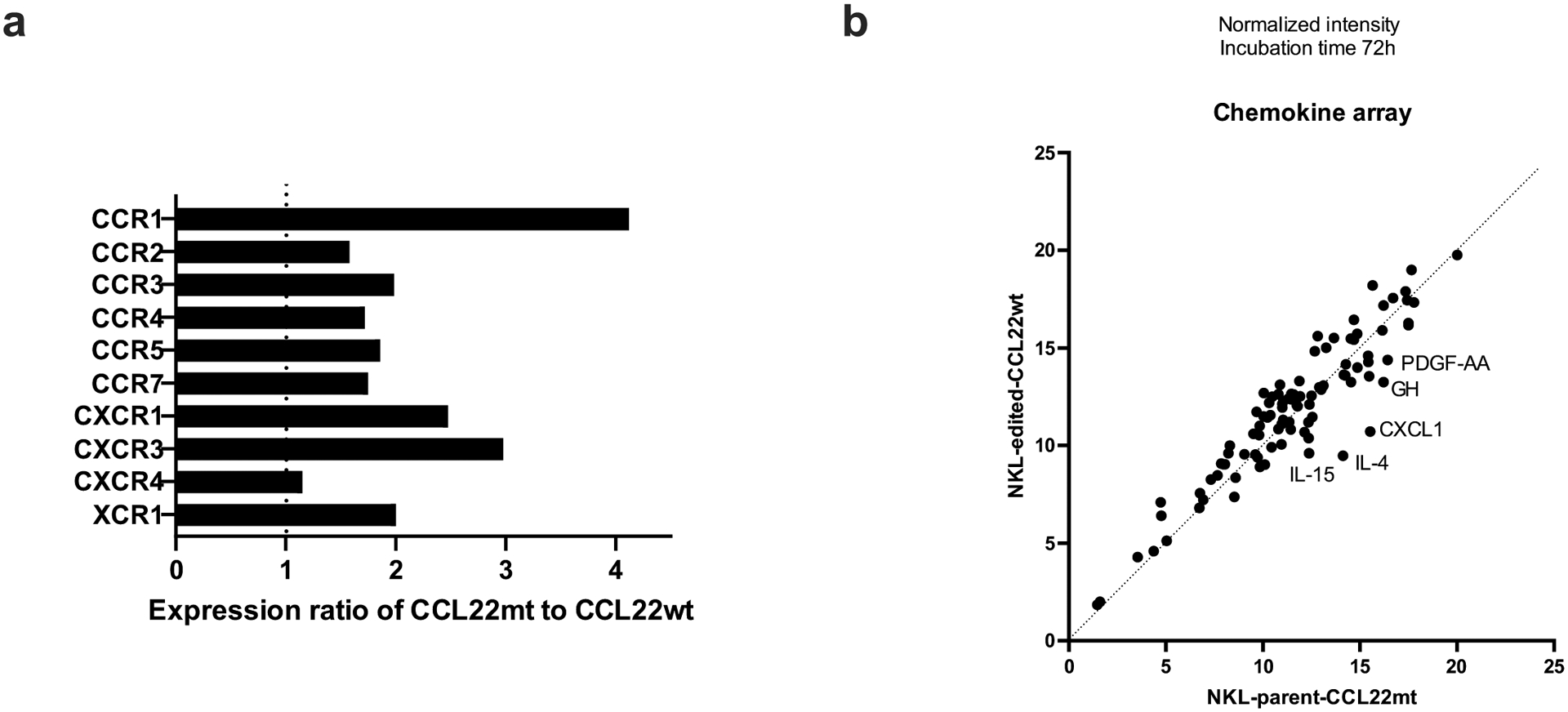
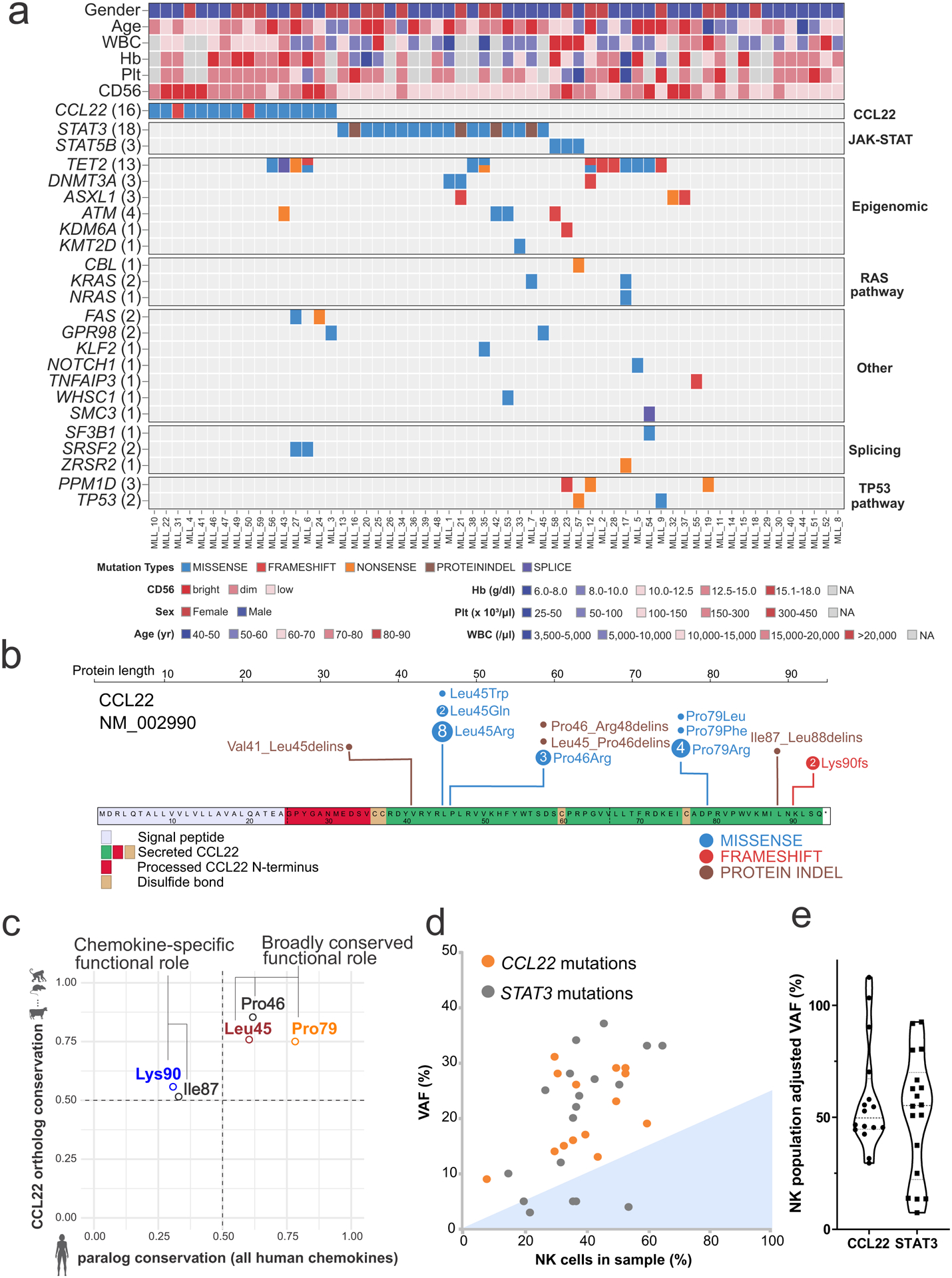
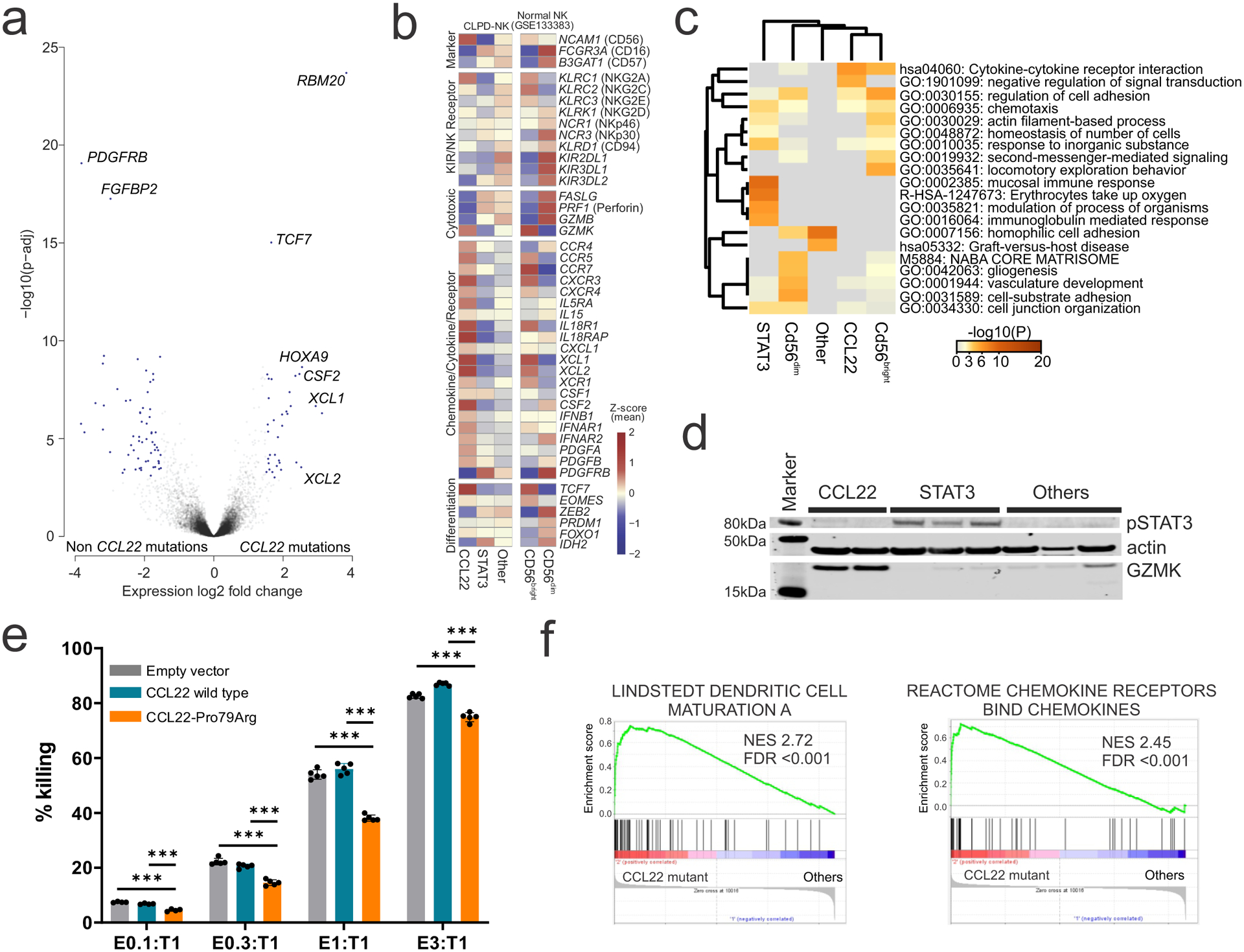
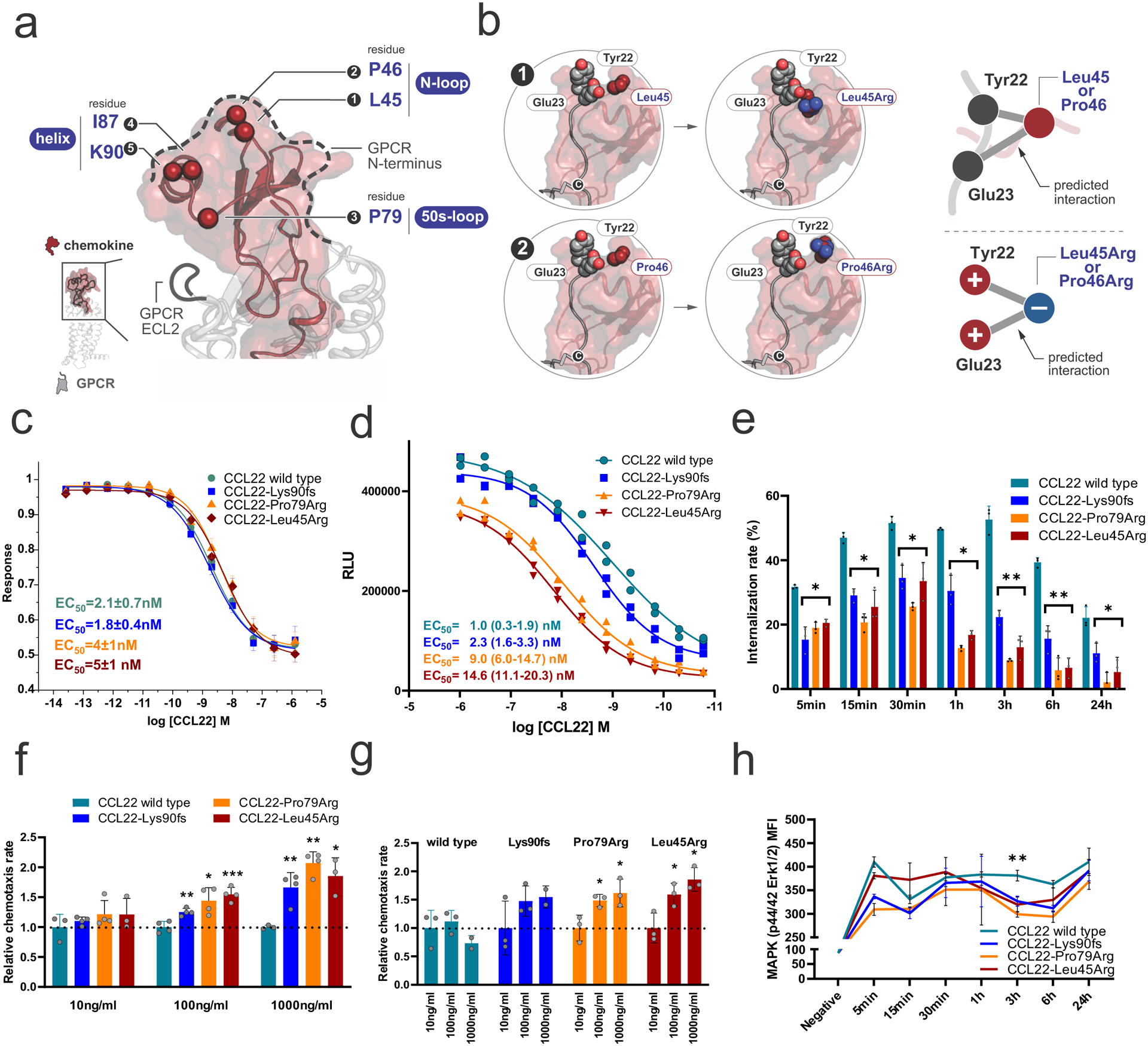
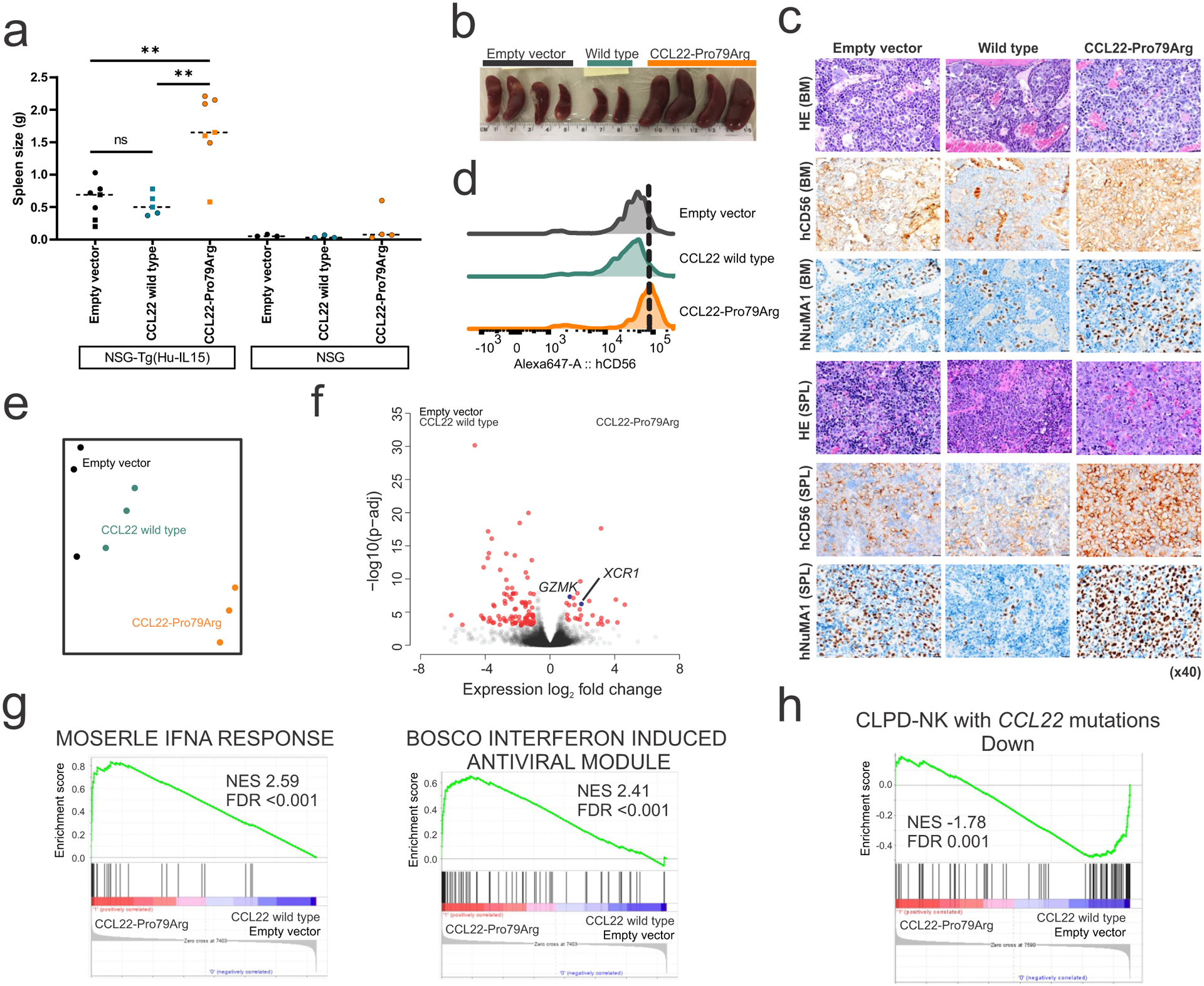
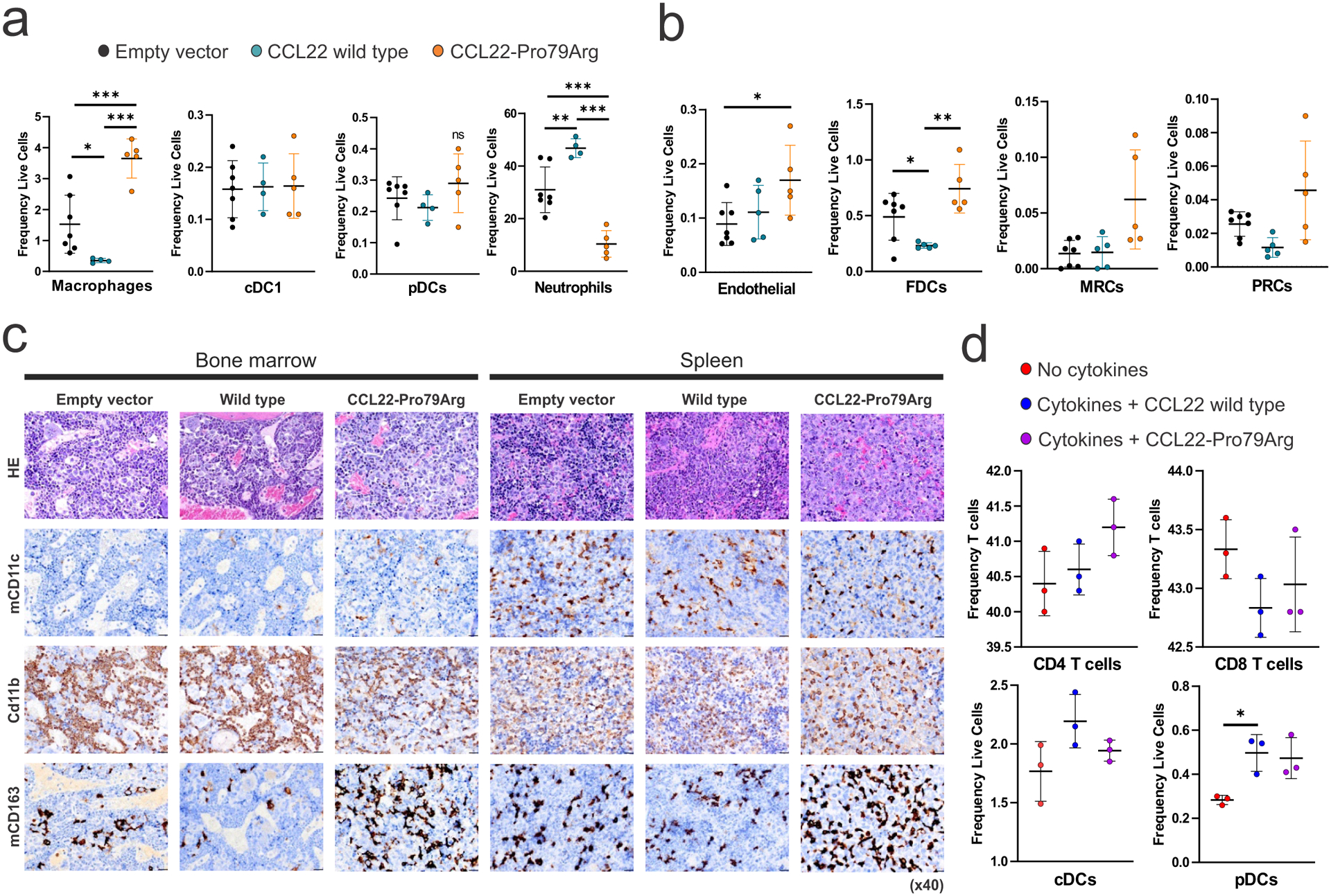
Chronic lymphoproliferative disorder of natural killer cells (CLPD-NK) is characterized by clonal expansion of natural killer (NK) cells where the underlying genetic mechanisms are incompletely understood. In the present study, we report somatic mutations in the chemokine gene CCL22 as the hallmark of a distinct subset of CLPD-NK. CCL22 mutations were enriched at highly conserved residues, mutually exclusive of STAT3 mutations and associated with gene expression programs that resembled normal CD16/CD56 NK cells. Mechanistically, the mutations resulted in ligand-biased chemokine receptor signaling, with decreased internalization of the G-protein-coupled receptor (GPCR) for CCL22, CCR4, via impaired β-arrestin recruitment. This resulted in increased cell chemotaxis in vitro, bidirectional crosstalk with the hematopoietic microenvironment and enhanced NK cell proliferation in vivo in transgenic human IL-15 mice. Somatic CCL22 mutations illustrate a unique mechanism of tumor formation in which gain-of-function chemokine mutations promote tumorigenesis by biased GPCR signaling and dysregulation of microenvironmental crosstalk.
自然杀伤(NK)细胞慢性淋巴增殖性疾病(CLPD-NK)的特征是 NK 细胞的克隆性扩张,其潜在的遗传机制尚不完全清楚。在本研究中,我们报告了趋化因子基因 CCL22 的体细胞突变,这是一个独特的 CLPD-NK 子集的标志。CCL22 突变富集于高度保守的残基上,与 STAT3 突变相互排斥,并与类似正常 CD16/CD56 NK 细胞的基因表达程序相关。从机制上讲,这些突变导致配体偏向的趋化因子受体信号转导,通过减少 G 蛋白偶联受体(GPCR)CCR4 对 CCL22 的内化,从而降低 GPCR 的募集。这导致体外细胞趋化性增加、与造血微环境的双向串扰以及体内转基因人 IL-15 小鼠中 NK 细胞增殖增强。体细胞 CCL22 突变说明了一种独特的肿瘤形成机制,其中功能获得性趋化因子突变通过偏向的 GPCR 信号转导和微环境串扰的失调促进肿瘤发生。