Centre for Personalized Medicine, Linköping University, Linköping, Sweden.
Department of Otorhinolaryngology, Yonsei University Wonju College of Medicine, Wonju, Korea.
Genome Med. 2022 May 6;14(1):48. doi: 10.1186/s13073-022-01048-4.
Medical digital twins are computational disease models for drug discovery and treatment. Unresolved problems include how to organize and prioritize between disease-associated changes in digital twins, on cellulome- and genome-wide scales. We present a dynamic framework that can be used to model such changes and thereby prioritize upstream regulators (URs) for biomarker- and drug discovery.
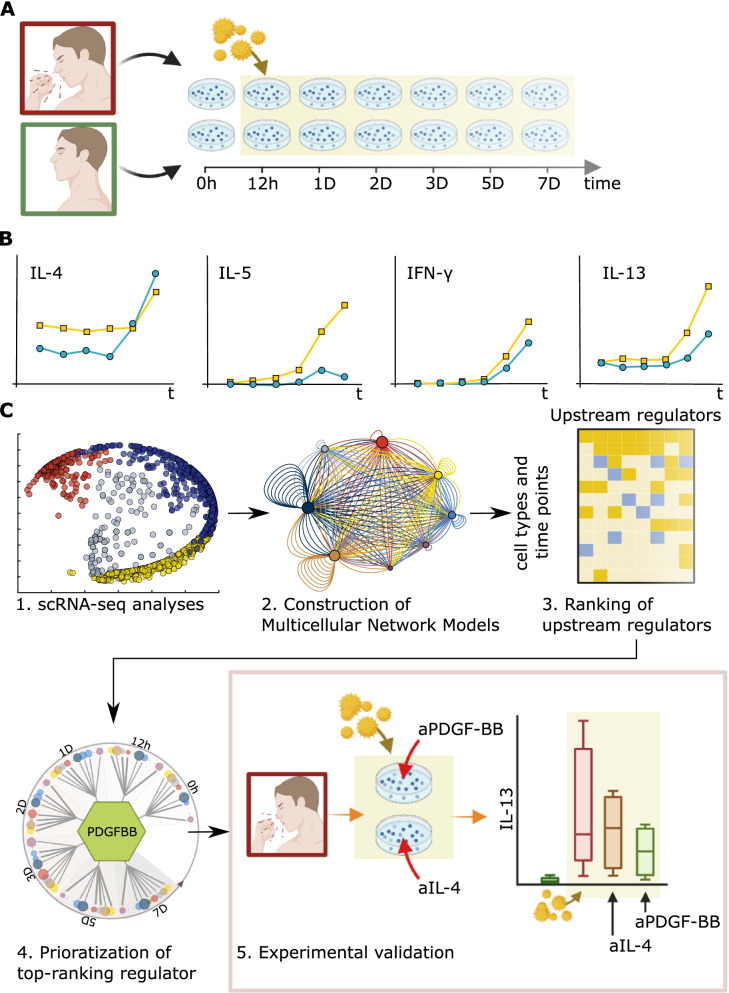
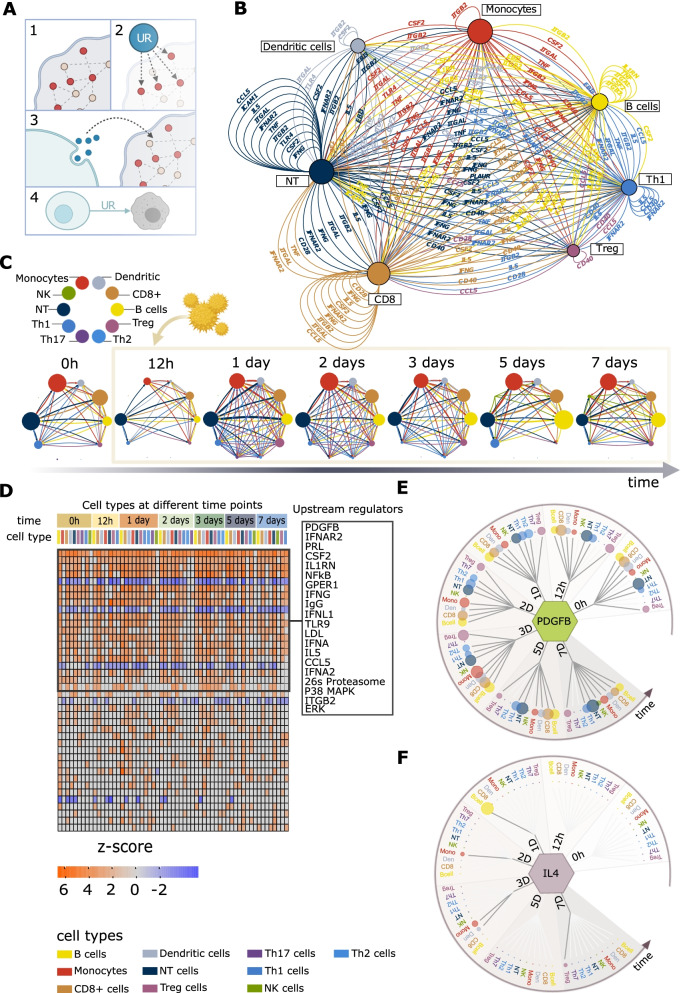
We started with seasonal allergic rhinitis (SAR) as a disease model, by analyses of in vitro allergen-stimulated peripheral blood mononuclear cells (PBMC) from SAR patients. Time-series a single-cell RNA-sequencing (scRNA-seq) data of these cells were used to construct multicellular network models (MNMs) at each time point of molecular interactions between cell types. We hypothesized that predicted molecular interactions between cell types in the MNMs could be traced to find an UR gene, at an early time point. We performed bioinformatic and functional studies of the MNMs to develop a scalable framework to prioritize UR genes. This framework was tested on a single-cell and bulk-profiling data from SAR and other inflammatory diseases.
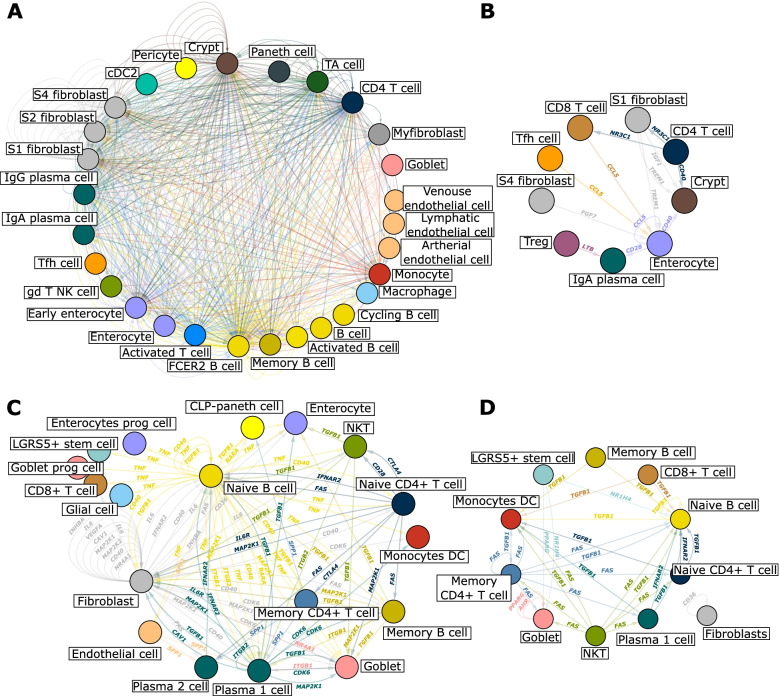
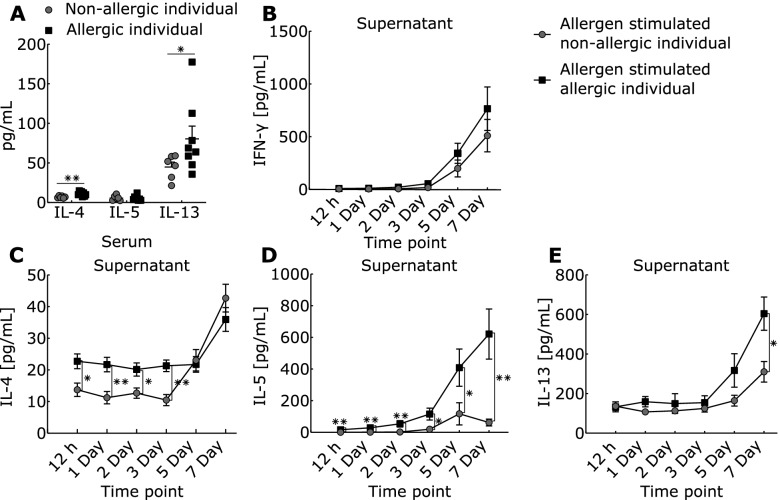
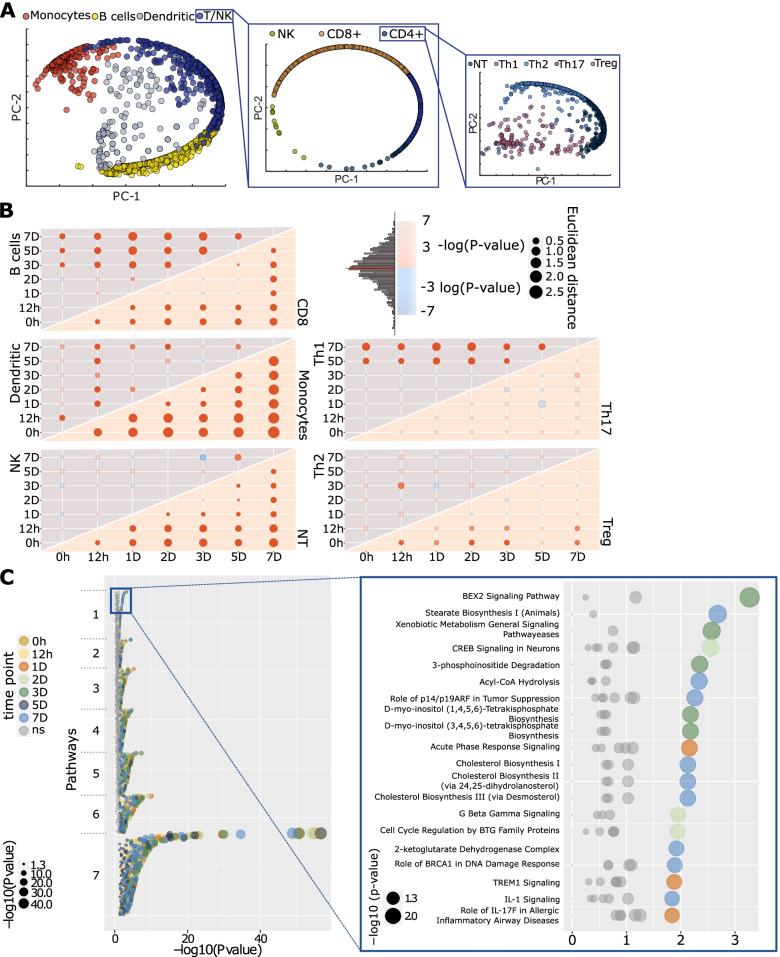
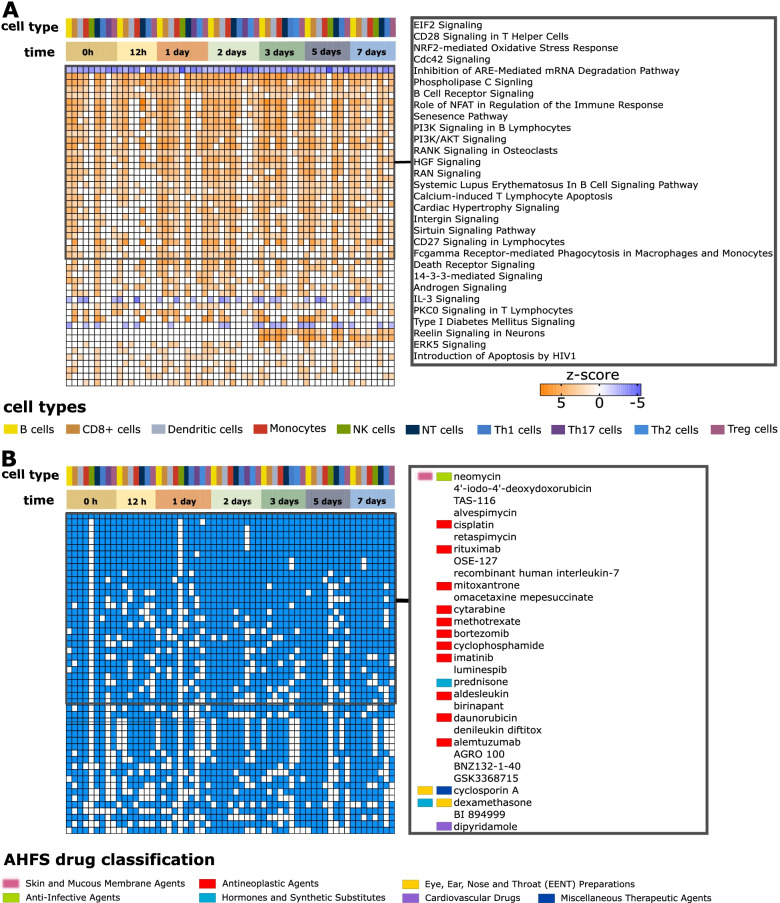
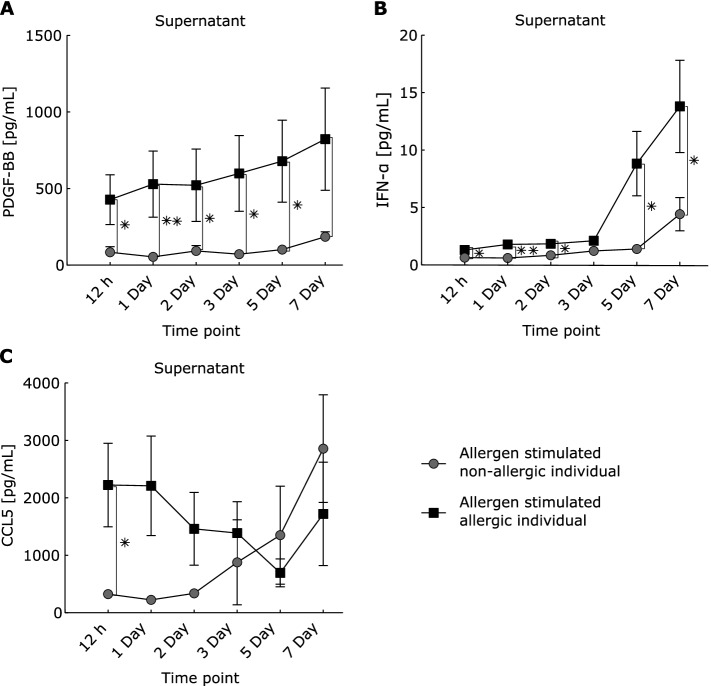
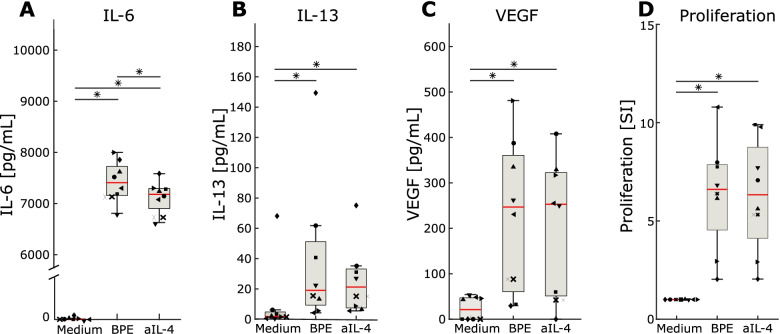
Our scRNA-seq-based time-series MNMs of SAR showed thousands of differentially expressed genes (DEGs) across multiple cell types, which varied between time points. Instead of a single-UR gene in each MNM, we found multiple URs dispersed across the cell types. Thus, at each time point, the MNMs formed multi-directional networks. The absence of linear hierarchies and time-dependent variations in MNMs complicated the prioritization of URs. For example, the expression and functions of Th2 cytokines, which are approved drug targets in allergies, varied across cell types, and time points. Our analyses of bulk- and single-cell data from other inflammatory diseases also revealed multi-directional networks that showed stage-dependent variations. We therefore developed a quantitative approach to prioritize URs: we ranked the URs based on their predicted effects on downstream target cells. Experimental and bioinformatic analyses supported that this kind of ranking is a tractable approach for prioritizing URs.
We present a scalable framework for modeling dynamic changes in digital twins, on cellulome- and genome-wide scales, to prioritize UR genes for biomarker and drug discovery.
医学数字孪生是用于药物发现和治疗的计算疾病模型。尚未解决的问题包括如何在细胞外组学和基因组范围内组织和优先考虑数字孪生中与疾病相关的变化。我们提出了一个动态框架,可以用于模拟这种变化,从而为生物标志物和药物发现确定上游调节剂 (UR) 的优先级。
我们以季节性过敏性鼻炎 (SAR) 作为疾病模型,通过分析 SAR 患者体外过敏原刺激的外周血单核细胞 (PBMC)。使用这些细胞的单细胞 RNA 测序 (scRNA-seq) 时间序列数据,在每个时间点构建细胞类型之间分子相互作用的多细胞网络模型 (MNM)。我们假设可以在早期时间点追踪 MNM 中预测的细胞类型之间的分子相互作用,以找到 UR 基因。我们对 MNM 进行了生物信息学和功能研究,以开发一种可扩展的框架来确定 UR 基因的优先级。该框架在 SAR 和其他炎症性疾病的单细胞和批量分析数据上进行了测试。
我们基于 scRNA-seq 的 SAR 时间序列 MNM 显示了多个细胞类型中数千个差异表达基因 (DEG),这些基因在不同时间点发生变化。在每个 MNM 中不是一个单一的 UR 基因,而是发现多个 UR 基因分散在多个细胞类型中。因此,在每个时间点,MNM 形成了多向网络。MNM 中不存在线性层次结构和时间依赖性变化使得 UR 的优先级变得复杂。例如,Th2 细胞因子的表达和功能,它们是过敏症的批准药物靶点,在细胞类型和时间点之间发生变化。我们对其他炎症性疾病的批量和单细胞数据的分析也揭示了显示阶段依赖性变化的多向网络。因此,我们开发了一种定量方法来确定 UR 的优先级:我们根据它们对下游靶细胞的预测影响对 UR 进行排名。实验和生物信息学分析支持这种排序是一种可行的 UR 优先级确定方法。
我们提出了一种在细胞外组学和基因组范围内对数字孪生进行建模动态变化的可扩展框架,以优先确定 UR 基因,用于生物标志物和药物发现。