Paul Devina Rattan, Sharma Rishabh, Nehra S P, Sharma Anshu
Center of Excellence for Energy and Environmental Studies, Deenbandhu Chhotu Ram University of Science and Technology Murthal 131039 India
Center for Polymers and Organic Solids, Department of Chemistry and Biochemistry, University of California at Santa Barbara Santa Barbara California 93106 USA.
RSC Adv. 2019 May 16;9(27):15381-15391. doi: 10.1039/c9ra02201e. eCollection 2019 May 14.
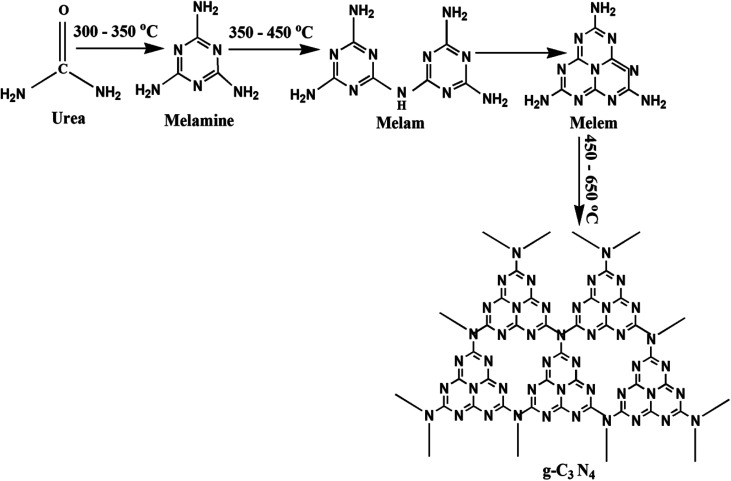
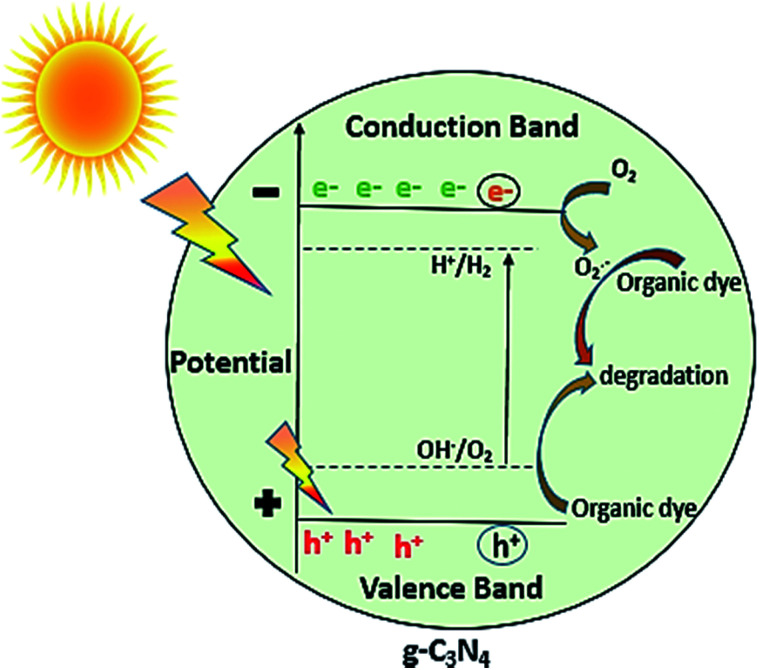
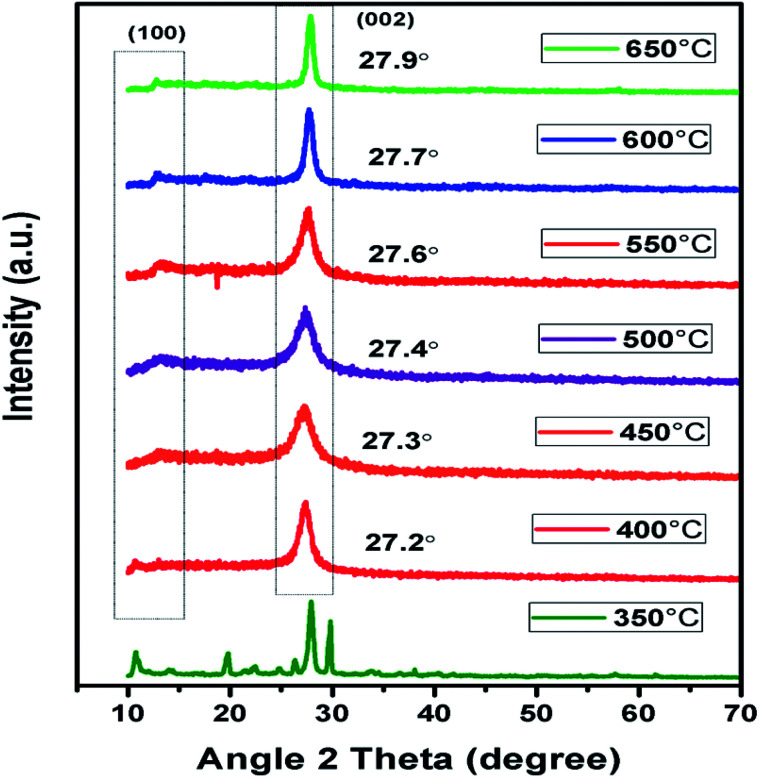
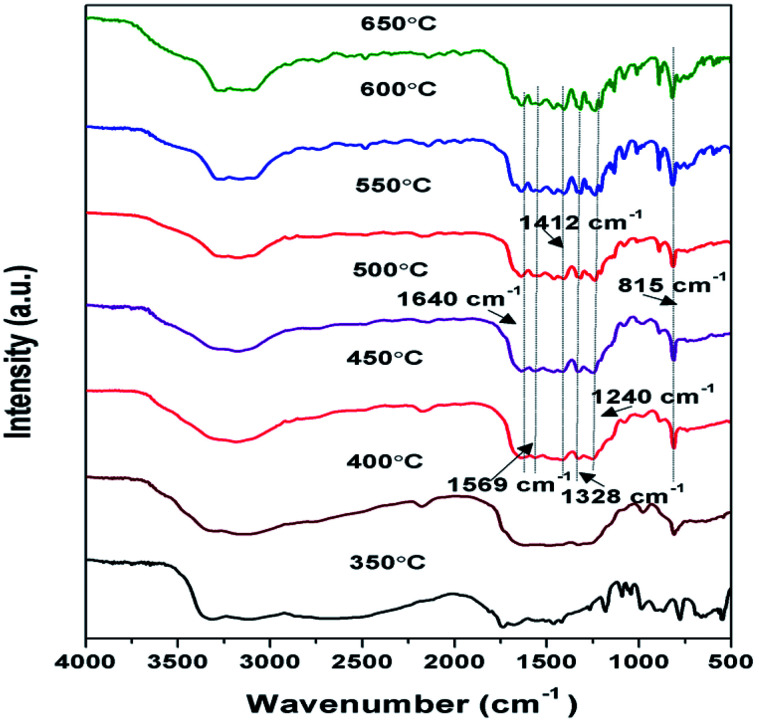
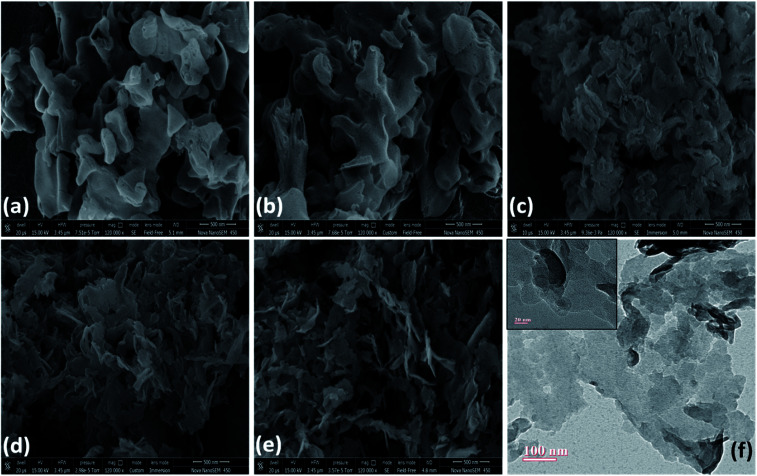
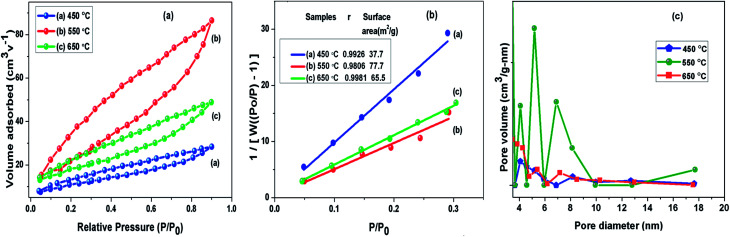
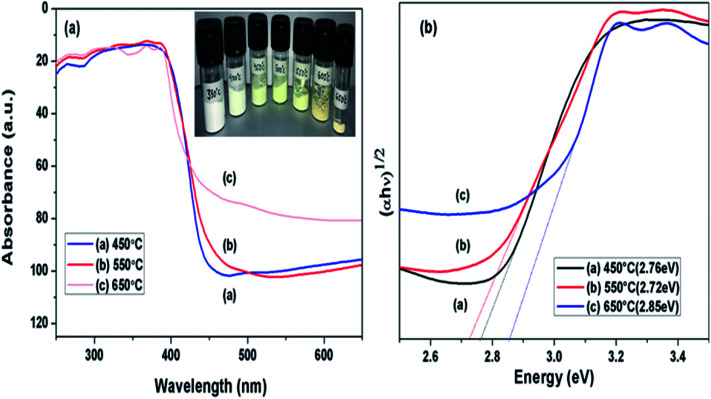
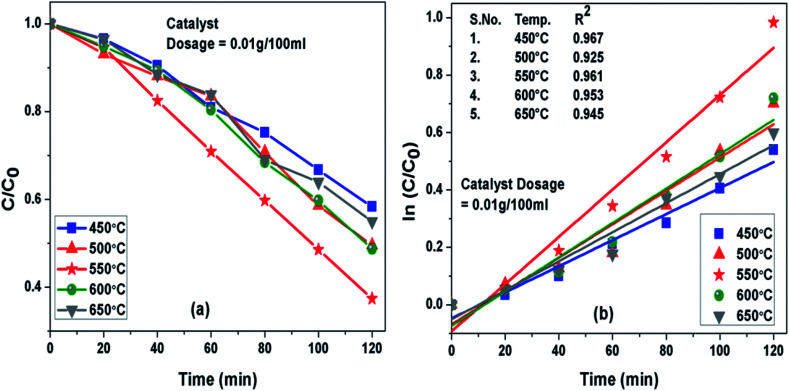
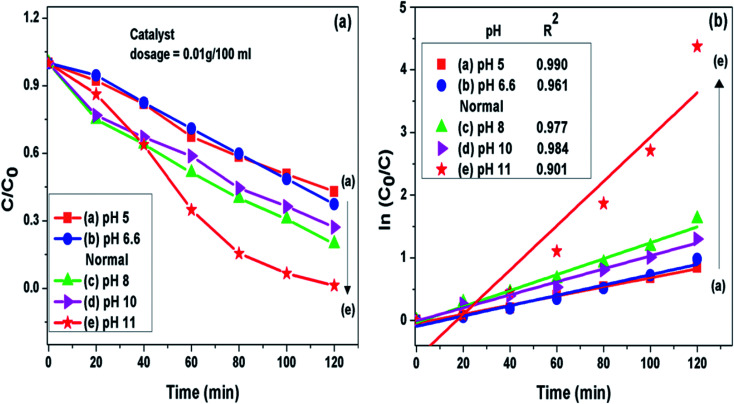
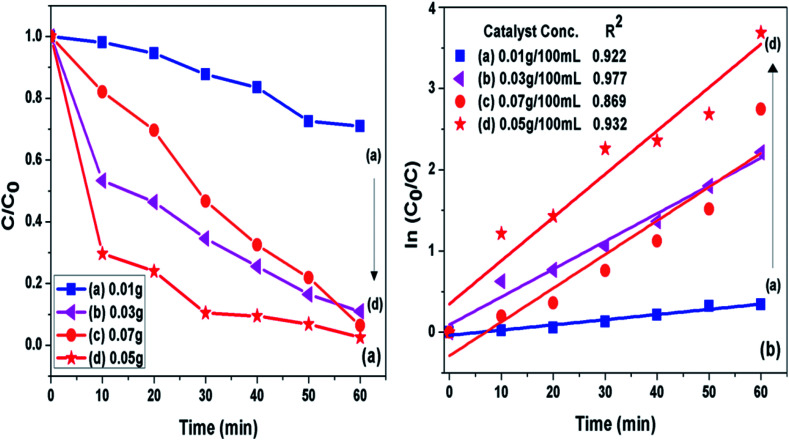
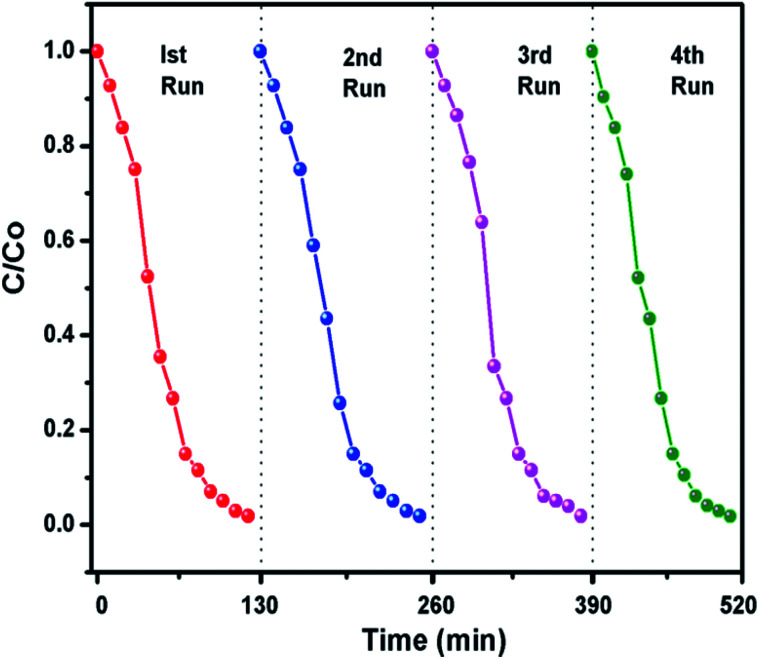
In this study, the photodegradation of methylene blue (MB) dye was performed using urea based graphitic carbon nitride (g-CN). Interestingly, it has been observed that the calcination temperature for the synthesis of g-CN along with factors (pH and catalyst loading) influencing the photodegradation process, can make an impactful improvement in its photodegradation activity towards MB dye solution. The concept behind the comparatively improved photoactivity of g-CN prepared at 550 °C was explored using various characterisation techniques like XRD, FTIR, SEM, BET and DRS. The FTIR and XRD patterns demonstrated that synthesis of g-CN took place properly only when the calcination temperature was above 450 °C. The evolution of morphological and optical properties based on calcination temperature led to dramatically increased BET surface area and a decreased optical band gap value of g-CN prepared at 550 °C. The effects of pH conditions and catalyst concentration on the MB dye degradation rate using optimally synthesised g-CN are discussed. The value of the apparent rate constant was found to be 12 times more in the case of photodegradation of the MB dye using g-CN prepared at 550 °C at optimum pH and catalyst loading conditions when compared with g-CN prepared at 450 °C showing the lowest photoactivity potential. Further, high stability of the photocatalyst was observed for four cyclic runs of the photocatalytic reaction. Hence, g-CN can be considered as a potential candidate for methylene blue photodegradation.
在本研究中,使用基于尿素的石墨相氮化碳(g-CN)对亚甲基蓝(MB)染料进行了光降解。有趣的是,已观察到合成g-CN的煅烧温度以及影响光降解过程的因素(pH值和催化剂负载量),可显著提高其对MB染料溶液的光降解活性。利用XRD、FTIR、SEM、BET和DRS等各种表征技术,探索了在550℃制备的g-CN光活性相对提高背后的概念。FTIR和XRD图谱表明,只有当煅烧温度高于450℃时,g-CN的合成才能顺利进行。基于煅烧温度的形态和光学性质的演变导致在550℃制备的g-CN的BET表面积显著增加,光学带隙值降低。讨论了使用最佳合成的g-CN时,pH条件和催化剂浓度对MB染料降解速率的影响。发现在最佳pH值和催化剂负载条件下,使用在550℃制备的g-CN对MB染料进行光降解时,表观速率常数的值是使用在450℃制备的显示出最低光活性潜力的g-CN时的12倍。此外,在光催化反应的四个循环运行中观察到光催化剂具有高稳定性。因此,g-CN可被视为亚甲基蓝光降解的潜在候选物。