Dai Lu, Lu Yong-Chen, Chen Jungang, Plaisance-Bonstaff Karlie, Mu Shengyu, Forrest J Craig, Whitby Denise, Post Steven R, Qin Zhiqiang
Department of Pathology, Winthrop P. Rockefeller Cancer Institute, University of Arkansas for Medical Sciences, Little Rock, AR, United States.
Department of Medicine, Louisiana State University Health Sciences Center, Louisiana Cancer Research Center, New Orleans, LA, United States.
Front Microbiol. 2022 Apr 19;13:882520. doi: 10.3389/fmicb.2022.882520. eCollection 2022.
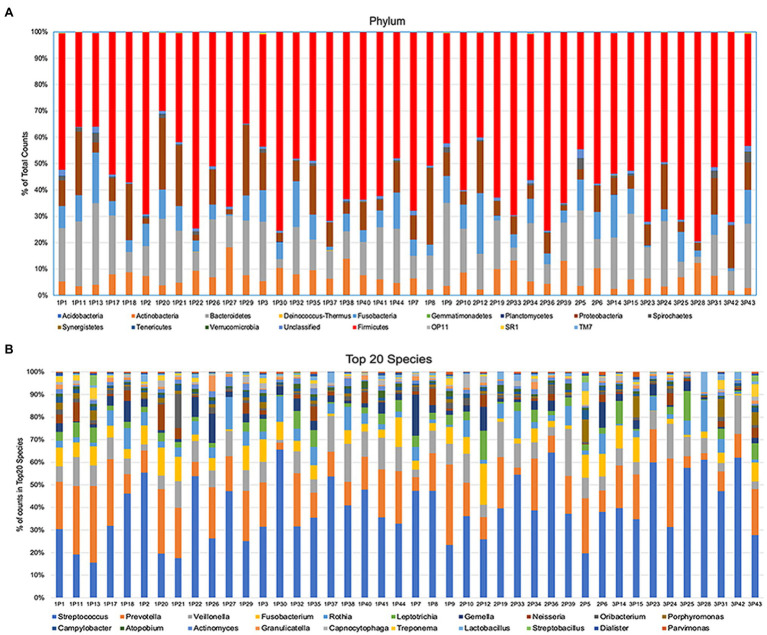
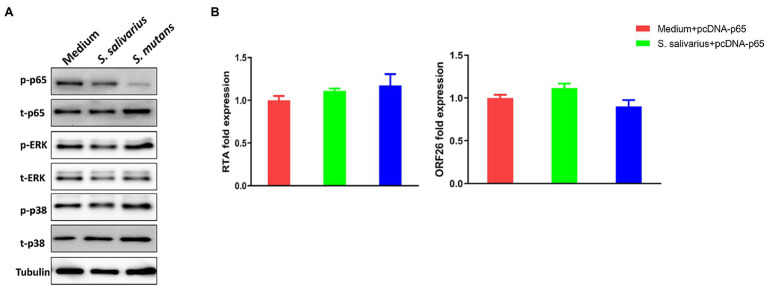
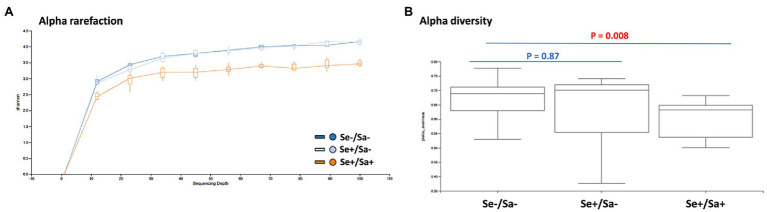
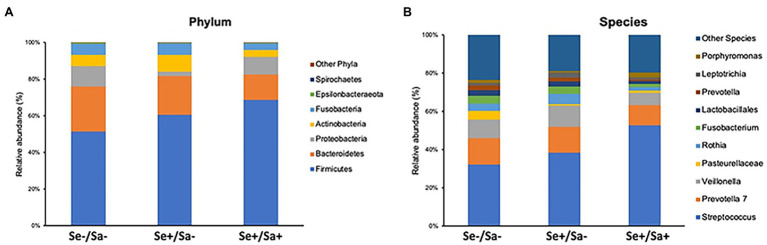
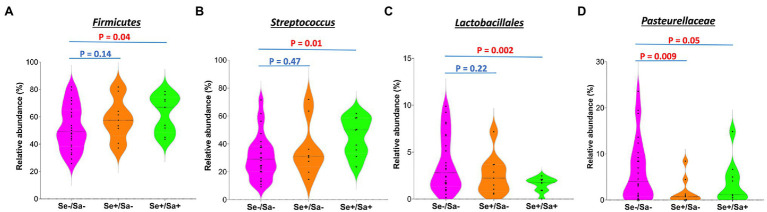
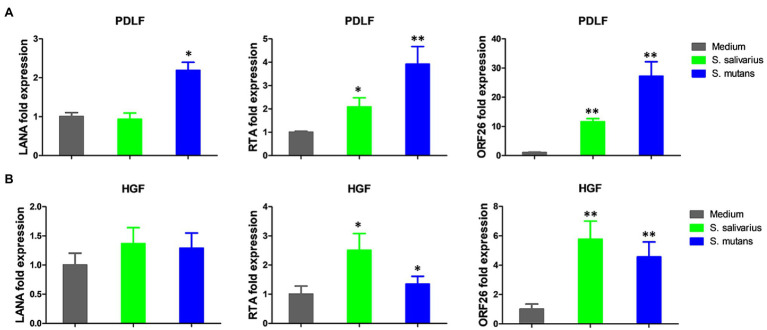
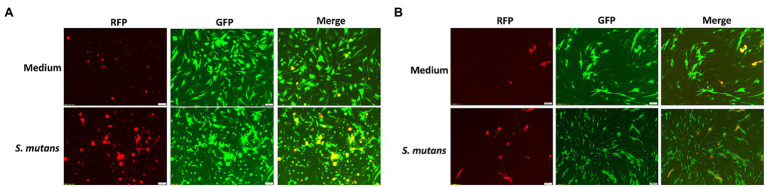
Kaposi's Sarcoma (KS) caused by Kaposi's sarcoma-associated herpesvirus (KSHV) continues to be the most common AIDS-associated tumor. Involvement of the oral cavity represents one of the most common clinical manifestations of this tumor. Numerous types of cancer are associated with the alterations of in components of the microbiome. However, little is known about how KSHV coinfection affects the oral microbiome in HIV+ patients, especially in a "pre-cancer" niche. Using 16S rRNA pyrosequencing, we found that oral shedding of KSHV correlated with altered oral microbiome signatures in HIV+ patients, including a reduction in the microbiota diversity, changing the relative composition of specific phyla and species, and regulating microbial functions. Furthermore, we found that sp., one of the most increased species in the oral cavity of HIV+/KSHV+ patients, induced KSHV lytic reactivation in primary oral cells. Together, these data indicate that oral shedding of KSHV may manipulate the oral microbiome to promote viral pathogenesis and tumorigenesis especially in immunocompromised patients.
由卡波西肉瘤相关疱疹病毒(KSHV)引起的卡波西肉瘤(KS)仍然是最常见的艾滋病相关肿瘤。口腔受累是该肿瘤最常见的临床表现之一。许多类型的癌症都与微生物群组成成分的改变有关。然而,关于KSHV合并感染如何影响HIV阳性患者的口腔微生物群,尤其是在“癌前”生态位,人们知之甚少。通过16S rRNA焦磷酸测序,我们发现HIV阳性患者中KSHV的口腔脱落与口腔微生物群特征的改变相关,包括微生物群多样性降低、特定门和物种的相对组成发生变化以及微生物功能受到调节。此外,我们发现,作为HIV阳性/KSHV阳性患者口腔中增加最多的物种之一,在原代口腔细胞中诱导了KSHV的裂解再激活。总之,这些数据表明,KSHV的口腔脱落可能会操纵口腔微生物群,以促进病毒发病机制和肿瘤发生,尤其是在免疫功能低下的患者中。