Guo Jiajia, Li Xuesong, Wang Donghong, Guo Yuekun, Cao Ting
The Second Department of Gastroenterology, The Third Affiliated Hospital of Qiqihar Medical University, Hospitalization Building 9/F Taishun Street No. 27, Tiefeng District Qiqihar 161000 Heilongjiang Province People's Republic of China
RSC Adv. 2019 Apr 17;9(21):12162-12173. doi: 10.1039/c9ra02186h. eCollection 2019 Apr 12.
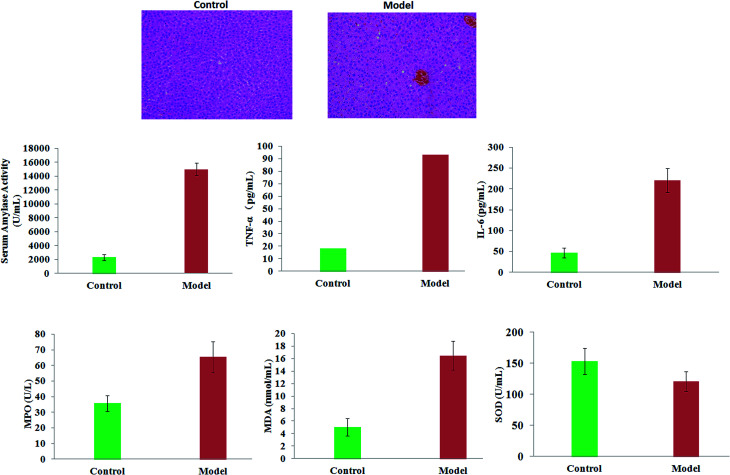
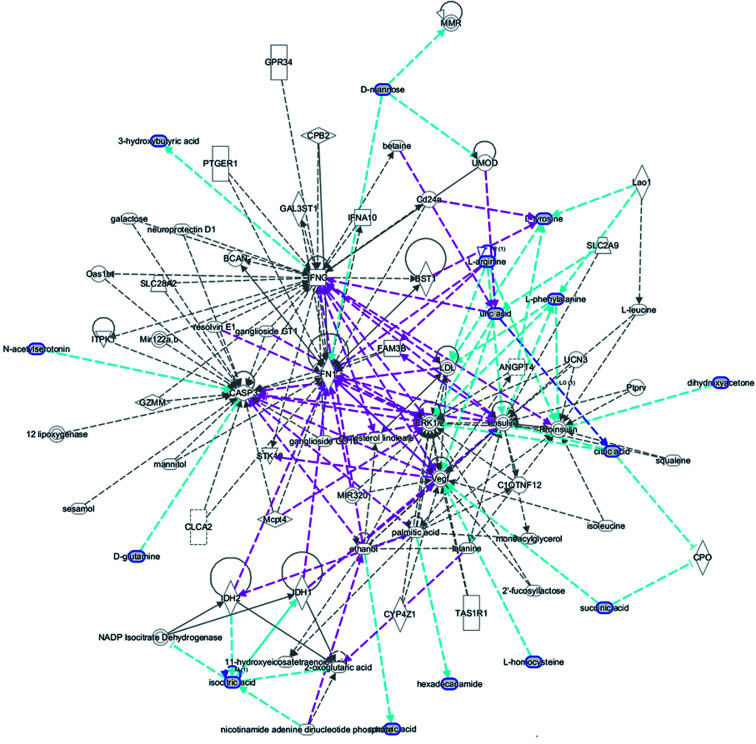
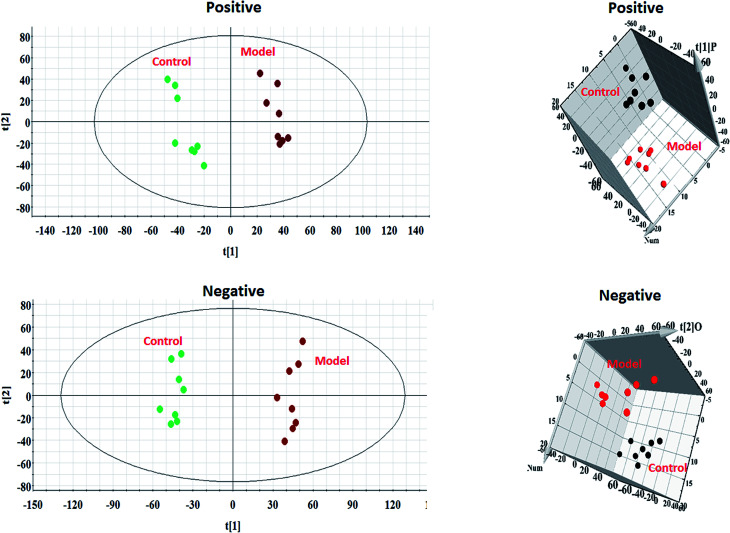
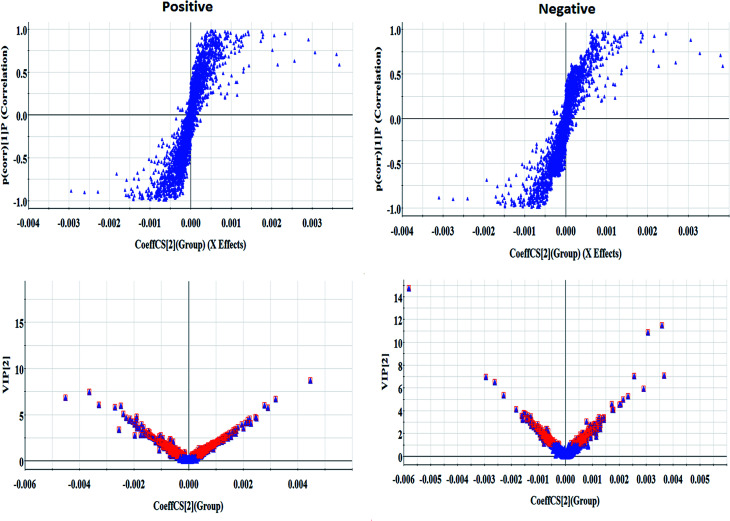
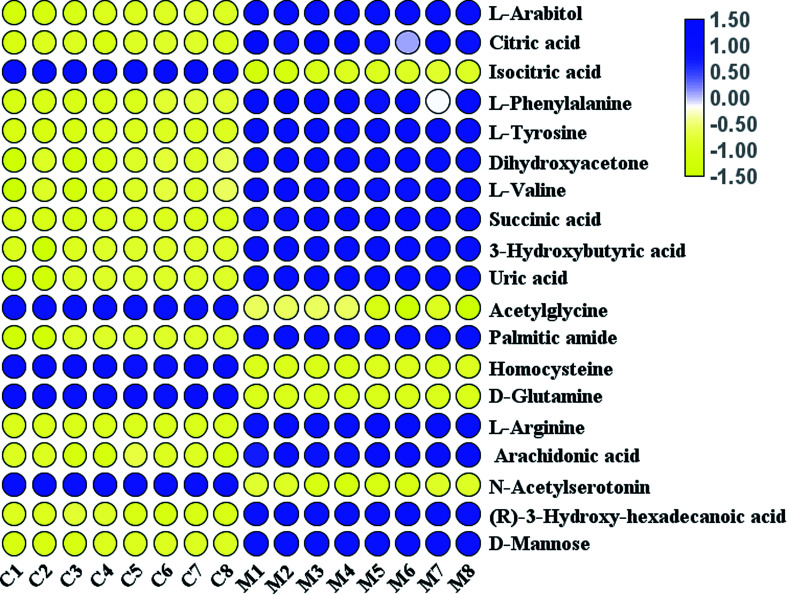
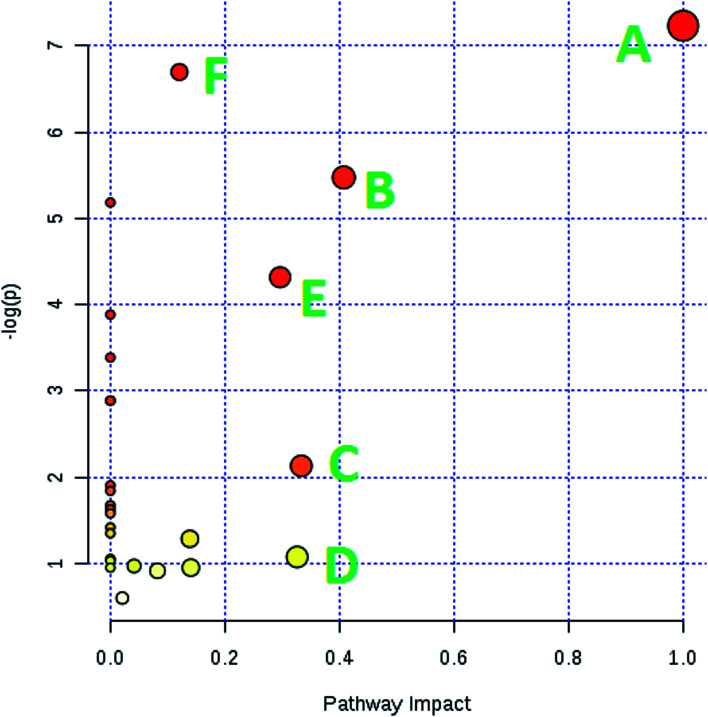
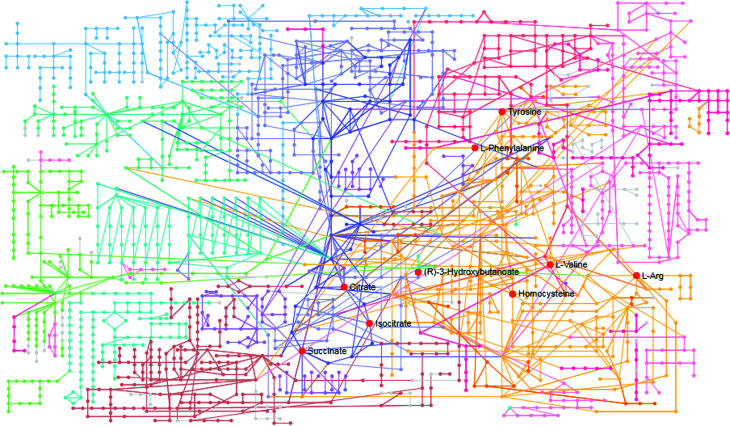
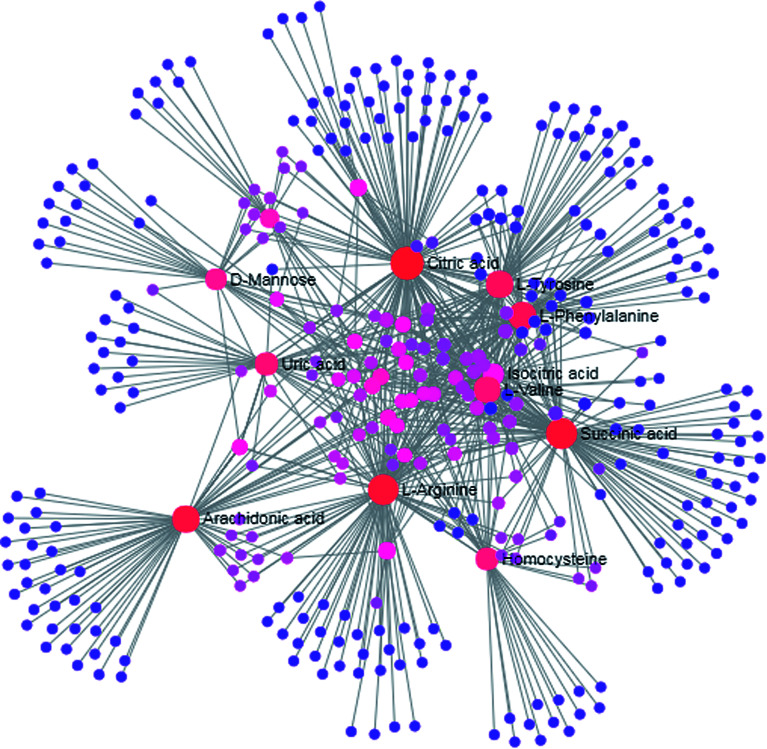
Acute pancreatitis (AP), as a common kind of pancreas-based inflammatory disease, is accompanied by a serious and abnormal metabolism. However, the specific metabolic process of AP is still unclear. Novel and effective drugs against acute pancreatitis are urgently required. To explore the metabolic biomarkers and regulation pathways of acute pancreatitis, ultra-performance liquid chromatography (UPLC) combined with a mass spectrometry (MS)-based metabolomics strategy was used. Sixteen male adult Sprague-Dawley rats were divided into two groups: a sham operation group (SO) and an AP model group. The AP animal model was induced the retrograde ductal infusion of 3.5% sodium taurocholate, and rats in the SO group were infused with 0.9% saline. After serum sample collection and sacrifice, a metabolomics strategy based on UPLC-MS was used to detect serum metabolites and metabolic pathways by comparing the SO and AP model groups through full-scan analysis. A total of 19 metabolites were detected in the serum for highlighting the differences between the two groups: l-arabitol, citric acid, isocitric acid, l-phenylalanine, l-tyrosine, dihydroxyacetone, l-valine, succinic acid, 3-hydroxybutyric acid, uric acid, acetylglycine, palmitic amide, homocysteine, d-glutamine, l-arginine, arachidonic acid, -acetylserotonin, ()-3-hydroxy-hexadecanoic acid, and d-mannose. Six crucial metabolic pathways, phenylalanine, tyrosine and tryptophan biosynthesis, arachidonic acid metabolism, glyoxylate and dicarboxylate metabolism and the citrate cycle, were involved; these have potential to become novel targets for the treatment of AP. The ingenuity pathway analysis (IPA) platform is used to gain insights into the metabolic targets in the system, referring to development disorders, cell-to-cell signaling and interactions, cellular assembly and organization, cell compromise, cell growth and proliferation, carbohydrate metabolism and others. It is suggested that UPLC-MS-based metabolomics is capable of accurately depicting the pathological mechanisms of acute pancreatitis, which can drive new drug development.
急性胰腺炎(AP)作为一种常见的胰腺炎症性疾病,伴有严重且异常的代谢。然而,AP的具体代谢过程仍不清楚。迫切需要新型有效的抗急性胰腺炎药物。为了探索急性胰腺炎的代谢生物标志物和调控途径,采用了超高效液相色谱(UPLC)结合基于质谱(MS)的代谢组学策略。将16只成年雄性Sprague-Dawley大鼠分为两组:假手术组(SO)和AP模型组。通过逆行导管注射3.5%牛磺胆酸钠诱导AP动物模型,SO组大鼠注射0.9%生理盐水。在采集血清样本并处死后,采用基于UPLC-MS的代谢组学策略,通过全扫描分析比较SO组和AP模型组,检测血清代谢物和代谢途径。在血清中总共检测到19种代谢物以突出两组之间的差异:l-阿拉伯糖醇、柠檬酸、异柠檬酸、l-苯丙氨酸、l-酪氨酸、二羟基丙酮、l-缬氨酸、琥珀酸、3-羟基丁酸、尿酸、乙酰甘氨酸、棕榈酰胺、同型半胱氨酸、d-谷氨酰胺、l-精氨酸、花生四烯酸、N-乙酰血清素、(±)-3-羟基十六烷酸和d-甘露糖。涉及六个关键代谢途径,即苯丙氨酸、酪氨酸和色氨酸生物合成、花生四烯酸代谢、乙醛酸和二羧酸代谢以及柠檬酸循环;这些有潜力成为治疗AP的新靶点。利用 Ingenuity 通路分析(IPA)平台深入了解系统中的代谢靶点,涉及发育障碍、细胞间信号传导和相互作用、细胞组装和组织、细胞损伤、细胞生长和增殖、碳水化合物代谢等。结果表明,基于UPLC-MS的代谢组学能够准确描述急性胰腺炎的病理机制,从而推动新药研发。