Si Zhenxing, Zhou Shifeng, Shen Zilong, Luan Feiyu
Emergency Surgery, First Affiliated Hospital of Harbin Medical University, Harbin, China.
Orthopedic Department, Second Affiliated Hospital of Harbin Medical University, Harbin, China.
Front Pharmacol. 2020 May 20;11:741. doi: 10.3389/fphar.2020.00741. eCollection 2020.
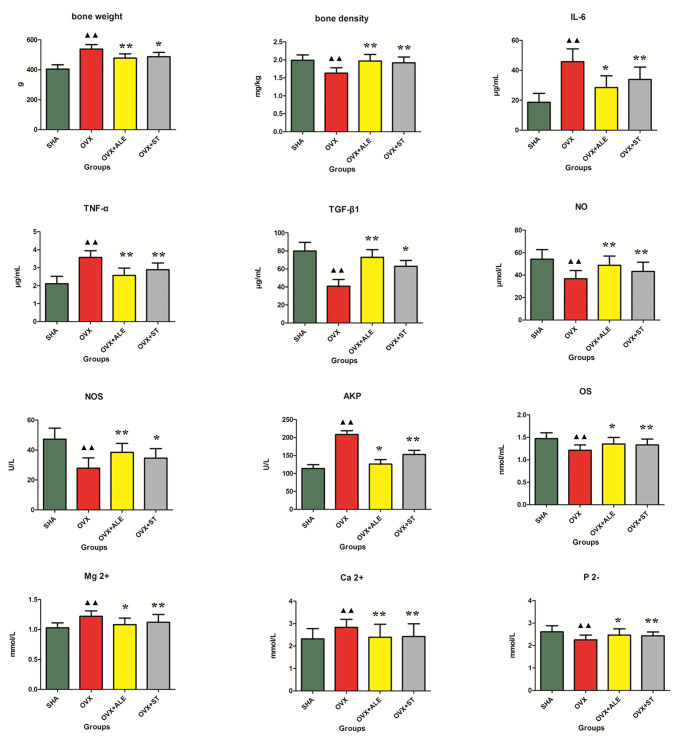
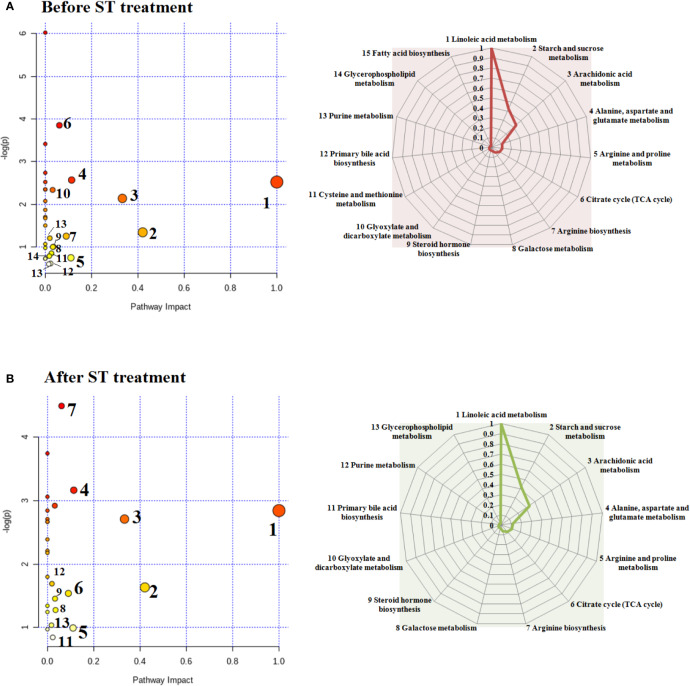
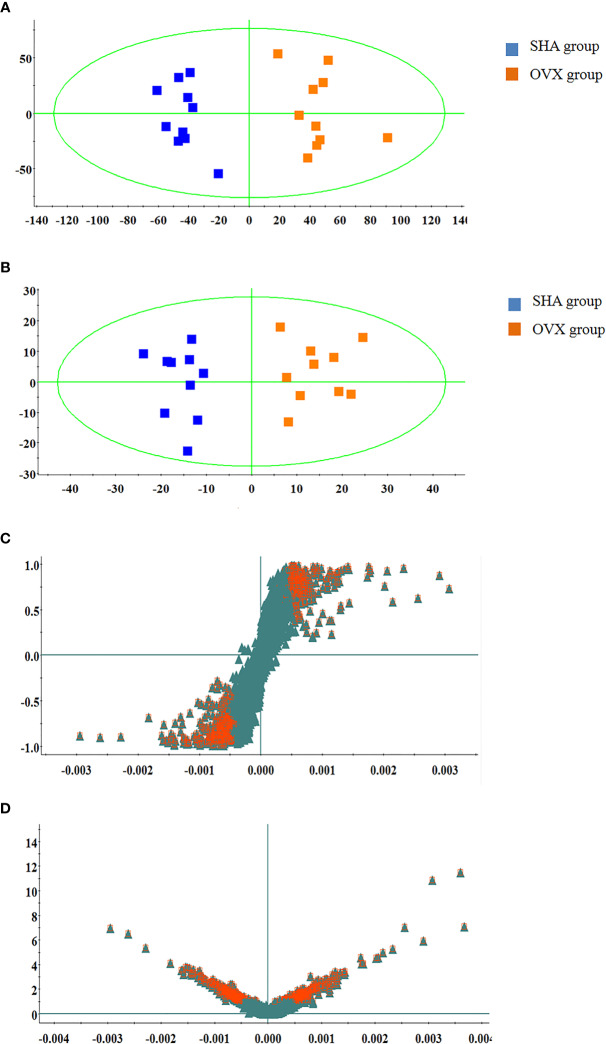
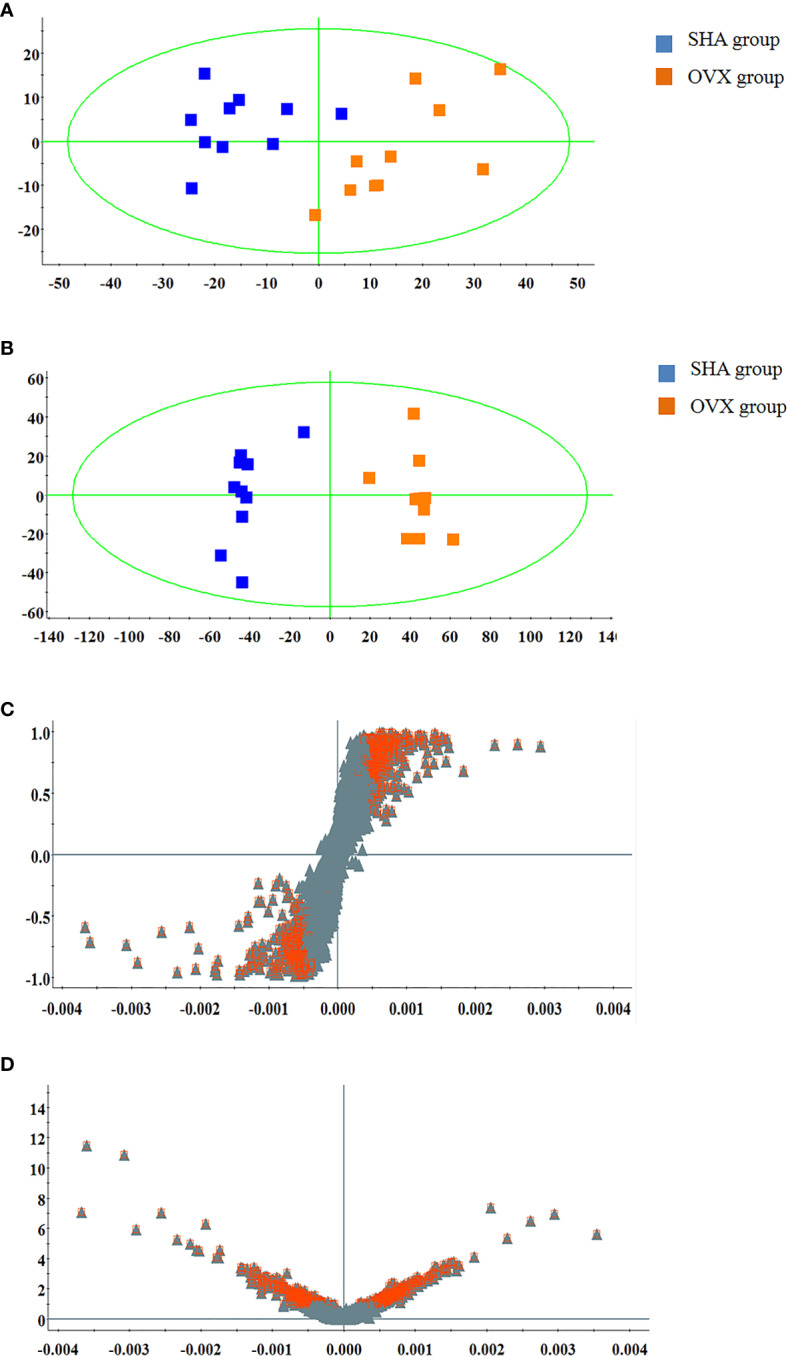
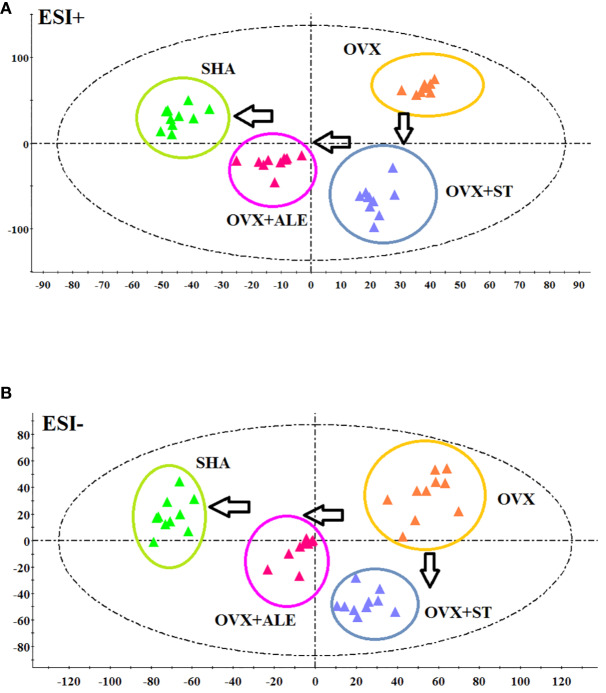
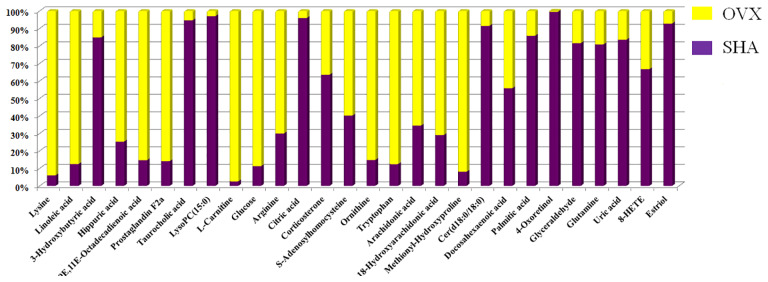
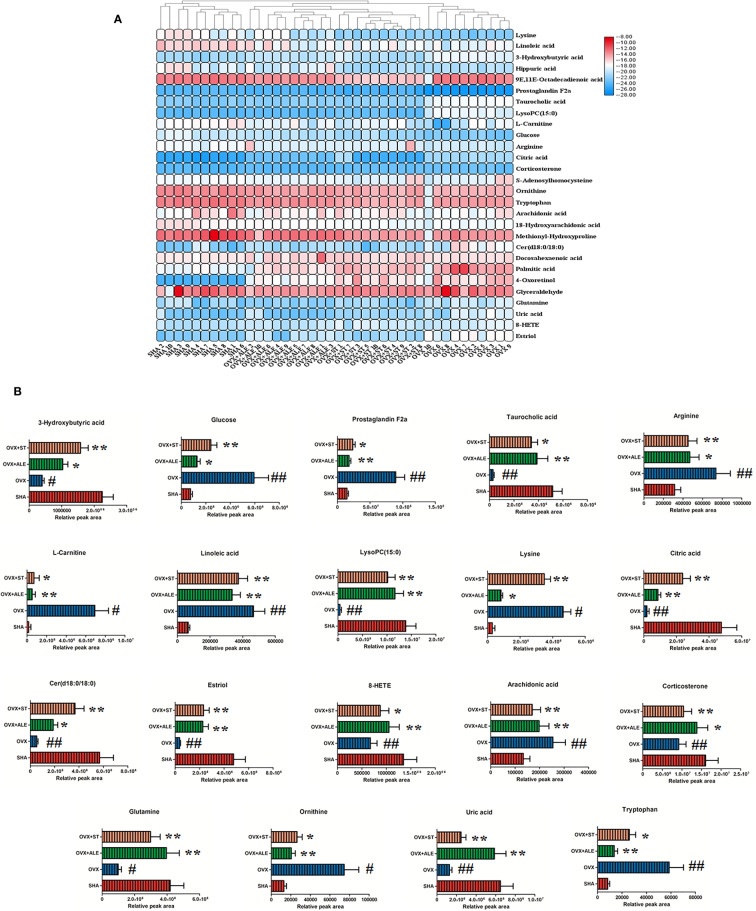
Postmenopausal osteoporosis (PMOP) is the most common metabolic bone illness among the elderly especially in postmenopausal women resulting from a reduction in bone mineral density, but there is no effective drug at present. The study was aimed at evaluating efficacy of osthole against osteoporosis using high-throughput metabolomics method. The blood samples for illustrating the pathological mechanism of PMOP and exploring the efficacy of osthole treatment (ST) were collected to perform metabolites and metabolic profiles and pathways analysis using ultra-performance liquid chromatography coupled with quadrupole time-of-flight mass spectrometry (UPLC-Q-TOF/MS) and pattern recognition methods. In addition, backbone weight, the bone density, and some vital biochemical indexes were also detected. A total of 28 metabolites were identified as biomarkers for ovariectomized-osteoporosis model, and ST could significantly regulate 19 of them including lysine, linoleic acid, 3-hydroxybutyric acid, prostaglandin F2a, taurocholic acid, LysoPC(15:0), l-carnitine, glucose, arginine, citric acid, corticosterone, ornithine, tryptophan, arachidonic acid, Cer(d18:0/18:0), glutamine, uric acid, 8-HETE, estriol, which mainly related with 13 metabolic pathways, such as linoleic acid metabolism, starch, and sucrose metabolism, arachidonic acid metabolism, alanine, aspartate and glutamate metabolism, arginine and proline metabolism, citrate cycle (TCA cycle), and arginine biosynthesis. The ovariectomized model (OVX) rats display a significant decrease bone density, TGF-β1, NO, and NOS level, and a significant increase bone weight, IL-6, TNF-α, and Ca level. These parameters in the ST rats were evidently improved as compared to the OVX group. ST effectively mitigated ovariectomy-induced osteoporosis in rats by affecting endogenous metabolite-related metabolic mechanism and showed the natural alternative with potential for the treatment of PMOP.
绝经后骨质疏松症(PMOP)是老年人尤其是绝经后女性中最常见的代谢性骨病,由骨矿物质密度降低引起,但目前尚无有效的药物。本研究旨在采用高通量代谢组学方法评估蛇床子素对骨质疏松症的疗效。收集用于阐明PMOP病理机制和探索蛇床子素治疗(ST)疗效的血样,使用超高效液相色谱-四极杆飞行时间质谱联用仪(UPLC-Q-TOF/MS)和模式识别方法进行代谢物、代谢谱和代谢途径分析。此外,还检测了骨干重量、骨密度和一些重要的生化指标。共鉴定出28种代谢物作为去卵巢骨质疏松模型的生物标志物,ST可显著调节其中19种,包括赖氨酸、亚油酸、3-羟基丁酸、前列腺素F2a、牛磺胆酸、溶血磷脂酰胆碱(15:0)、左旋肉碱、葡萄糖、精氨酸、柠檬酸、皮质酮、鸟氨酸、色氨酸、花生四烯酸、神经酰胺(d18:0/18:0)、谷氨酰胺、尿酸、8-羟基二十碳四烯酸、雌三醇,它们主要与13条代谢途径有关,如亚油酸代谢、淀粉和蔗糖代谢、花生四烯酸代谢、丙氨酸、天冬氨酸和谷氨酸代谢、精氨酸和脯氨酸代谢、柠檬酸循环(TCA循环)以及精氨酸生物合成。去卵巢模型(OVX)大鼠的骨密度、转化生长因子-β1、一氧化氮和一氧化氮合酶水平显著降低,骨重量、白细胞介素-6、肿瘤坏死因子-α和钙水平显著升高。与OVX组相比,ST组大鼠的这些参数明显改善。ST通过影响内源性代谢物相关的代谢机制有效减轻了大鼠去卵巢诱导的骨质疏松症,并显示出治疗PMOP的潜在天然替代方案。