Wang Yuan, Zhang Xueke, You Suzhen, Hu Yun
School of Environment and Energy, South China University of Technology Guangzhou 510006 P. R. China
Guangdong Provincial Key Laboratory of Atmospheric Environment and Pollution Control Guangzhou 510006 P. R. China.
RSC Adv. 2020 Jun 3;10(36):21238-21247. doi: 10.1039/d0ra03627g. eCollection 2020 Jun 2.
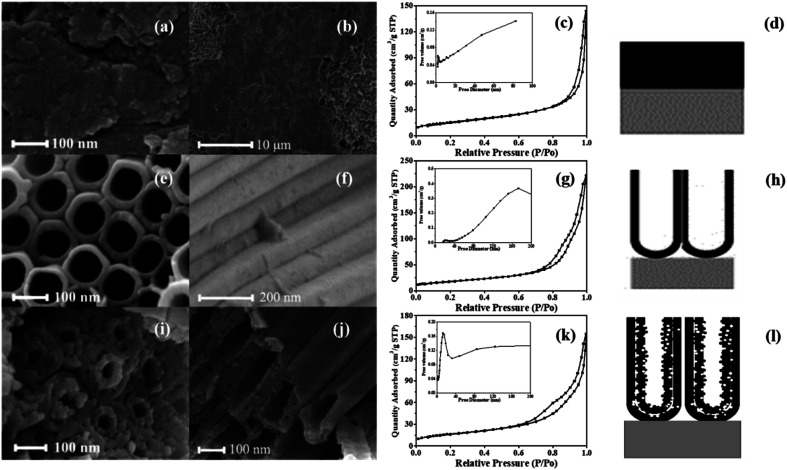
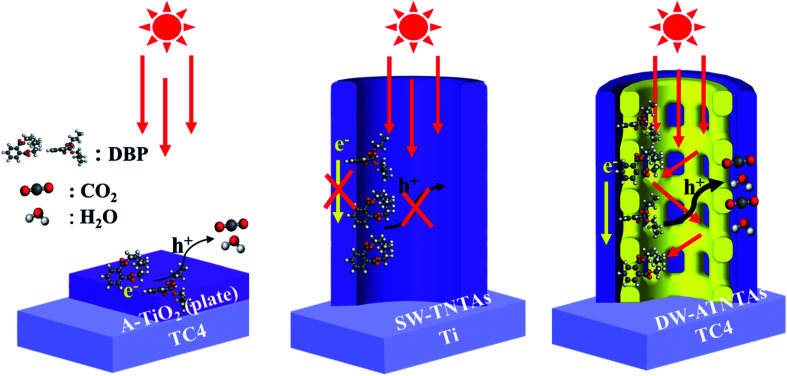
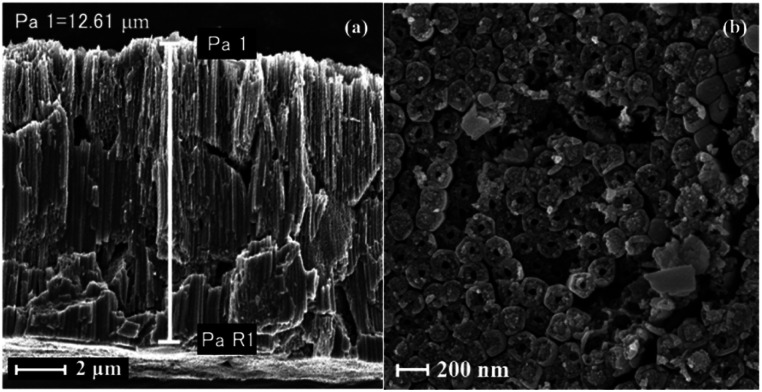
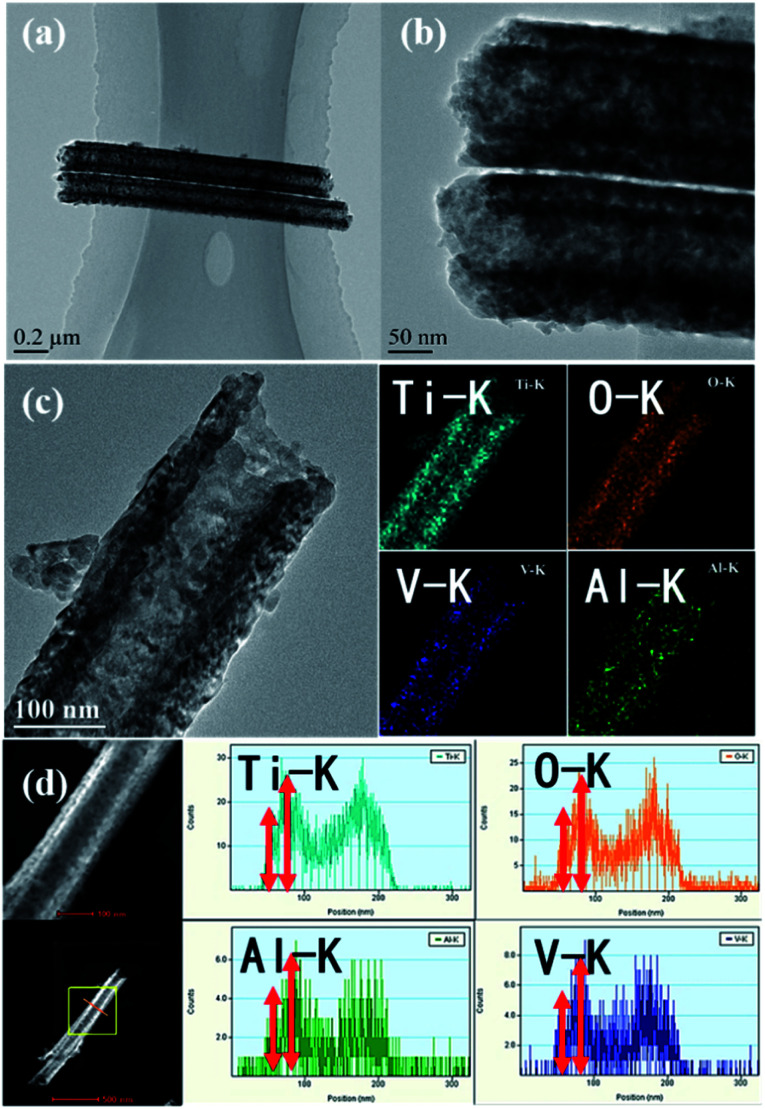
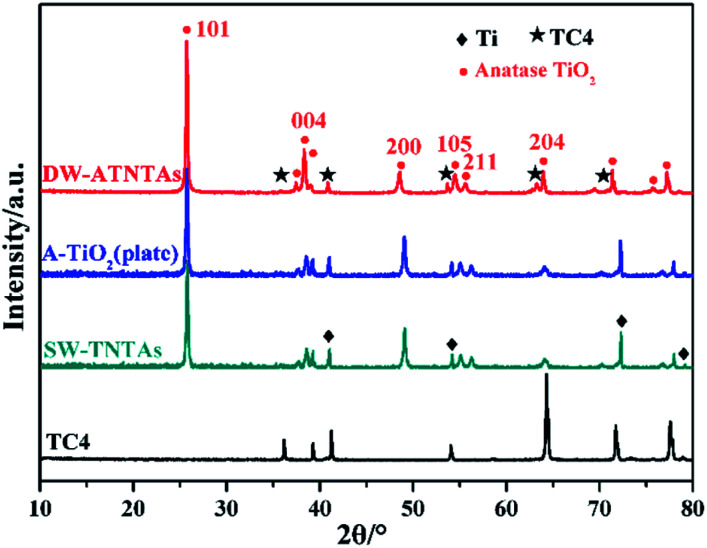
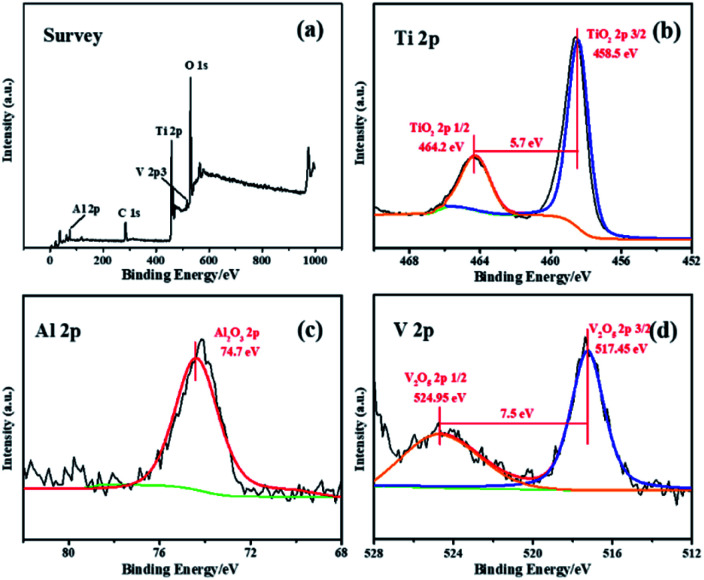
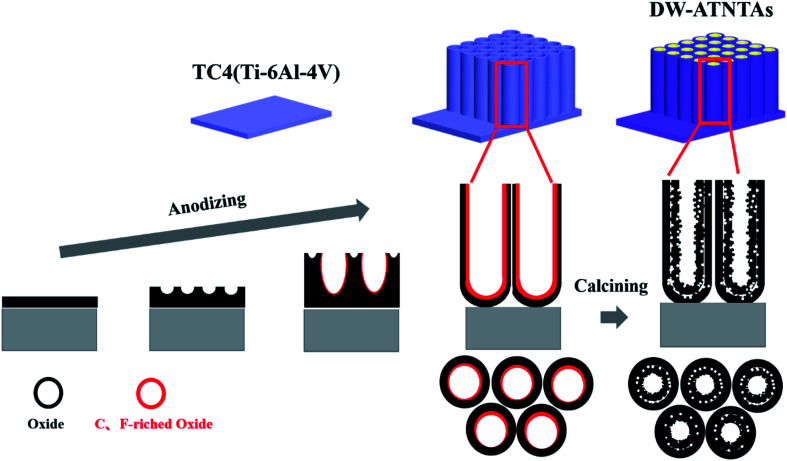
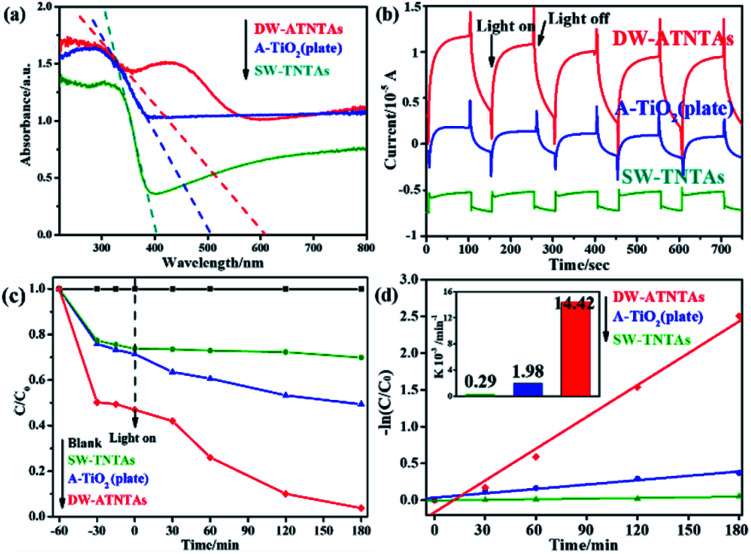
Using Ti-6Al-4V (TC4) alloy as a substrate, double-walled alloy titanium dioxide nanotube arrays (DW-ATNTAs) with a special porous inner wall and visible light response are synthesized by an improved anodization method. During the anodization, the V element in the TC4 alloy converts into VO which dominates the visible light response of DW-ATNTAs. After 3 h of irradiation with visible light, there is a nearly 97% reduction of dibutyl phthalate (DBP) by DW-ATNTAs in which the degradation kinetic constant is 50 and 7 times higher than that of titanium dioxide nanotube arrays (TNTAs) and alloy titanium dioxide layers (A-TiO(plate)), respectively. The richly porous inner wall structure of DW-ATNTAs can provide sufficient vacancies for adsorption and active sites for photocatalytic reaction. Furthermore, the differences in the morphology of the inner and outer walls are attributed to the thicker carbon and fluorine-rich oxide layer (C, F-rich oxide layer) resulting from a longer time that the inner wall spends in contact with the electrolyte during the anodization process. This special porous inner wall structure was formed due to the anti-corrosion properties of the alloy caused by appropriate amounts of V and Al as well as the removal of C and F elements during the calcination process.
以Ti-6Al-4V(TC4)合金为基底,采用改进的阳极氧化法合成了具有特殊多孔内壁和可见光响应的双壁合金二氧化钛纳米管阵列(DW-ATNTAs)。在阳极氧化过程中,TC4合金中的V元素转化为VO,其主导了DW-ATNTAs的可见光响应。在可见光照射3小时后,DW-ATNTAs对邻苯二甲酸二丁酯(DBP)的降解率接近97%,其降解动力学常数分别比二氧化钛纳米管阵列(TNTAs)和合金二氧化钛层(A-TiO(plate))高50倍和7倍。DW-ATNTAs丰富的多孔内壁结构可为吸附提供充足的空位,并为光催化反应提供活性位点。此外,内壁和外壁形态的差异归因于在阳极氧化过程中内壁与电解液接触时间较长,从而形成了较厚的富含碳和氟的氧化层(富C、F氧化层)。这种特殊的多孔内壁结构是由于适量的V和Al对合金的防腐作用以及在煅烧过程中C和F元素的去除而形成的。